Issue · Technology

Technology

Every technology bill, vote, and legislator stance in United States, automatically classified by Maddy, our AI policy reader.

Total bills
1,431
119th Congress
Top supporter
Suzan K. DelBene
86% support rate
Top opponent
Scott Perry
14% support rate
Ranked legislators
10
5 support · 5 oppose
Key legislators

Who's moving technology in United States

Legislators moving technology in United States
Legislator Party Stance Support rate Votes
Suzan K. DelBene
Suzan K. DelBene House · District 1
D
Strong +
86% 259
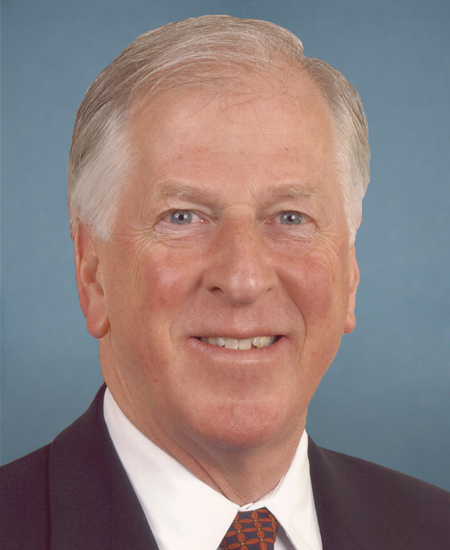
Mike Thompson
Mike Thompson House · District 4
D
Strong +
86% 261
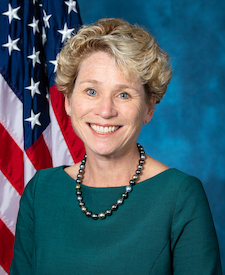
Chrissy Houlahan
Chrissy Houlahan House · District 6
D
Strong +
86% 259
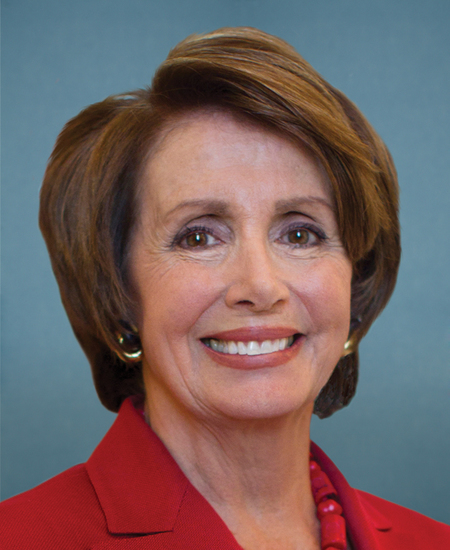
Nancy Pelosi
Nancy Pelosi House · District 11
D
Strong +
86% 246
Kim Schrier
Kim Schrier House · District 8
D
Strong +
86% 261
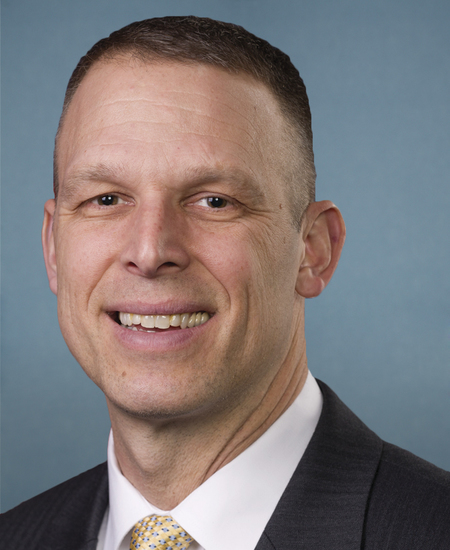
Scott Perry
Scott Perry House · District 10
R
Strong −
14% 252
AA
Alan Armstrong Senate
R
Strong −
14% 46
Rand Paul
Rand Paul Senate
R
Strong −
16% 223
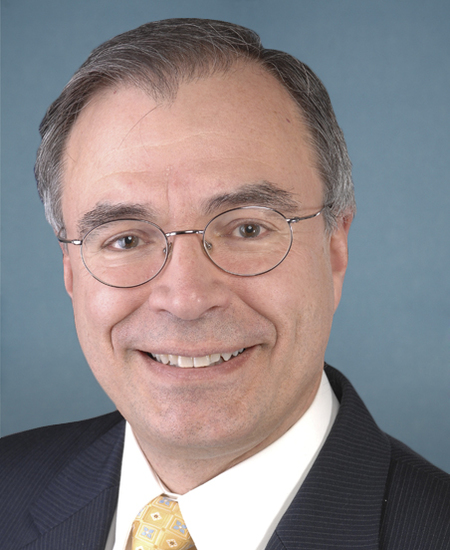
Andy Harris
Andy Harris House · District 1
R
Strong −
18% 257
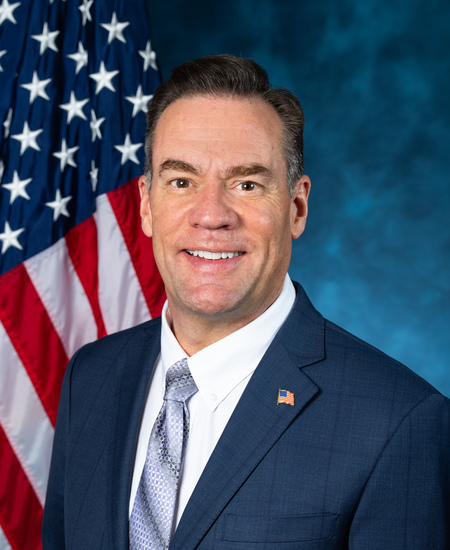
Russ Fulcher
Russ Fulcher House · District 1
R
Strong −
18% 262
Showing 181–190 of 1,431 bills

All technology bills

in committee · United States · House Jun 24, 2026

HR 9439: Voluntary Consumer AI Disclosure Pilot Act

This bill establishes a pilot program under the National Institute of Standards and Technology to test voluntary methods for disclosing when content is generated or manipulated by artificial intelligence. The program requires the NIST Director to work with private companies, civil society, and academia to evaluate how users can be informed about AI interactions and to develop guidelines for such disclosures. Upon completion, the NIST Director must submit a report to Congress detailing the program's findings and offering recommendations for future action. The legislation defines key terms like artificial intelligence and content provenance to ensure clarity in the pilot's scope. Ultimately, the bill aims to explore voluntary industry standards rather than mandating immediate legal requirements for AI labeling.
in committee · United States · Senate Jun 22, 2026

S 4849: State and Local Election Security Act of 2026

The State and Local Election Security Act of 2026 establishes a new federal grant program to assist states and local governments in improving election administration and security. Under this program, eligible states receive funding based on their voting age population to modernize election infrastructure and prepare for security threats, with a requirement that states pass at least 50% of the funds to local election officials. The legislation also authorizes $5 billion in total funding over three years and directs $150 million to the Cybersecurity and Infrastructure Security Agency to support the Elections Infrastructure Information Sharing and Analysis Center. Additionally, the bill expands the definition of eligible territories for election funding to include the Northern Mariana Islands and other territories with congressional delegates.
Sub-Topics Cybersecurity Tags Elections
in committee · United States · House Jun 25, 2026

HR 9363: AI Security and Innovation Act

The AI Security and Innovation Act establishes a new Center for AI Security and Innovation within the National Institute of Standards and Technology to assess risks and improve the security of artificial intelligence systems. This center will evaluate threats such as data leaks and model tampering, develop voluntary safety standards, and conduct research on advanced AI capabilities developed by both U.S. and foreign entities. The bill defines key terms like "artificial intelligence model" and "covered frontier system," and authorizes $20 million annually from 2027 to 2032 to fund the center's activities. While the center director will consult with various federal agencies and AI developers, the legislation explicitly prohibits the center from having regulatory or enforcement powers. The center is authorized to operate for five years before its provisions expire.
in committee · United States · Senate Jun 10, 2026

S 4746: American Innovation and Choice Online Act

The American Innovation and Choice Online Act targets large online platforms that dominate the U.S. market by prohibiting them from unfairly favoring their own products, restricting competitors' access to platform features, or using competitor data to compete against them. Specifically, the bill defines "systemically important platforms" as those with over $175 billion in annual revenue and at least 34 percent of U.S. users or households, placing them under strict rules against practices like tying services, manipulating search rankings, or forcing users to stay on the platform. The Federal Trade Commission and the Department of Justice are authorized to enforce these rules through civil penalties and injunctions, with a requirement that legal cases against these major platforms be resolved within one year. Additionally, the law includes specific exemptions to protect national security interests and intellectual property rights, ensuring that platforms are not required to share trade secrets or assist foreign adversaries.
in committee · United States · Senate Jun 16, 2026

S 4794: Precision Agriculture Cybersecurity Act

The Precision Agriculture Cybersecurity Act directs federal agencies to assess cybersecurity risks facing modern farming technologies, such as sensors and data management systems. Specifically, it requires the Secretaries of Agriculture and Homeland Security to produce a public report within a year that evaluates current cyber threats, identifies planning gaps, and reviews existing funding and staff resources. The bill also mandates a study by the Government Accountability Office to examine how well different federal departments are coordinating their cybersecurity efforts in this sector. These reports will be shared with relevant congressional committees to inform future policy decisions regarding the protection of agricultural technology.
Sub-Topics Cybersecurity Tags Agriculture
in committee · United States · House Jun 24, 2026

HR 9430: American Drone Manufacturing Dominance Act of 2026

The American Drone Manufacturing Dominance Act of 2026 requires law enforcement agencies receiving federal grants to certify that they will stop buying drones from designated foreign countries by 2027 and phase out existing foreign-made drones by 2031. To support this transition, the bill establishes a buyback program that pays agencies to surrender foreign drones and offers grants to help them purchase secure, domestically produced alternatives. Additionally, the legislation provides funding to private companies to build or expand drone manufacturing facilities in the United States, with a requirement that these systems be adaptable for defense use. Non-compliant agencies face penalties including the loss of future funding and the requirement to repay previous grants, while the bill also authorizes $1.5 billion in funds derived from trade duties to finance these initiatives.
Sub-Topics Emerging Technology
in committee · United States · Senate Jun 8, 2026

S 4707: Responsible Artificial Intelligence Defense Act of 2026

The Responsible Artificial Intelligence Defense Act of 2026 establishes a new framework for the U.S. Department of Defense to develop and deploy autonomous weapon systems and artificial intelligence capabilities. It requires the Secretary of Defense to maintain continuous human oversight, ensuring that operators can intervene to stop systems acting illegally or unexpectedly. The bill mandates rigorous testing, cybersecurity reviews, and legal assessments before these technologies are prototyped or fielded, while also creating a working group to advise on safety standards. Specific prohibitions prevent the use of AI for nuclear launch decisions or warrantless surveillance of individuals within the United States. Additionally, the act defines different risk levels for these systems and requires annual reports to Congress on their administration.
in committee · United States · Senate Jun 23, 2026

S 4866: Farmers’ Market Local Revitalization Act of 2026

The Farmers' Market Local Revitalization Act of 2026 increases funding and modernizes two federal nutrition programs that provide benefits at farmers' markets for seniors and low-income women, infants, and children. For seniors, the bill raises the minimum benefit to $35, removes spending caps, and allows funds to be used for electronic payment systems and delivery services, while also reserving a portion of funds for states that previously did not participate. The program for women, infants, and children similarly increases benefit amounts and permits up to 10 percent of funds to be used for technology upgrades and administrative costs. The legislation also authorizes new funding levels for these programs starting in fiscal year 2027 and requires the Secretary of Agriculture to conduct a study on integrating these nutrition programs to reduce administrative burdens.
in committee · United States · House Sep 10, 2026

HR 9342: GPO Modernization Act of 2026

The GPO Modernization Act of 2026 updates the operations and oversight of the Government Publishing Office to improve how federal documents are produced, distributed, and preserved. The bill redesigns the oversight committee from the Joint Committee on Printing to the Joint Committee on Publishing and expands the GPO's authority to manage digital content, accept gifts, and simplify procurement processes. It also establishes a National Collection of U.S. Government Public Information to ensure permanent, free public access to federal publications and modernizes rules for depository libraries to better serve communities with both physical and digital resources. Additionally, the legislation shifts the requirement for the Annotated Constitution from hardbound print versions to digital formats available online, starting after the October 2026 Supreme Court term.
in committee · United States · Senate Jun 15, 2026

S 4782: ReportScams.gov Act

The ReportScams.gov Act establishes a comprehensive federal framework to combat scams by creating a centralized website, reportscams.gov, where the public can access prevention resources, report incidents, and find victim assistance. This initiative requires the Office of Management and Budget to set a national priority goal for reducing scams and form an interagency Steering Committee involving major departments like the FBI, FTC, and Secret Service to develop a unified action plan. The bill mandates the creation of a secure online portal that routes scam reports to relevant federal and state authorities while providing detailed, up-to-date information on recognizing and avoiding fraud. Additionally, the legislation ensures accountability through quarterly progress reviews, annual public reports on scam trends and financial losses, and a specific authority for agencies to transfer funds to support these coordinated efforts.
Sub-Topics Digital Government
Showing 181 to 190 of 1,431 bills
Previous 1 18 19 20 144 Next