Issue · Technology

Technology

Every technology bill, vote, and legislator stance in United States, automatically classified by Maddy, our AI policy reader.

Total bills
1,431
119th Congress
Top supporter
Suzan K. DelBene
86% support rate
Top opponent
Scott Perry
14% support rate
Ranked legislators
10
5 support · 5 oppose
Key legislators

Who's moving technology in United States

Legislators moving technology in United States
Legislator Party Stance Support rate Votes
Suzan K. DelBene
Suzan K. DelBene House · District 1
D
Strong +
86% 259
Mike Thompson
Mike Thompson House · District 4
D
Strong +
86% 261
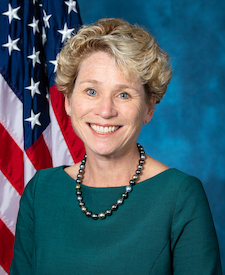
Chrissy Houlahan
Chrissy Houlahan House · District 6
D
Strong +
86% 259
Nancy Pelosi
Nancy Pelosi House · District 11
D
Strong +
86% 246
Kim Schrier
Kim Schrier House · District 8
D
Strong +
86% 261
Scott Perry
Scott Perry House · District 10
R
Strong −
14% 252
AA
Alan Armstrong Senate
R
Strong −
14% 46
Rand Paul
Rand Paul Senate
R
Strong −
16% 223
Andy Harris
Andy Harris House · District 1
R
Strong −
18% 257
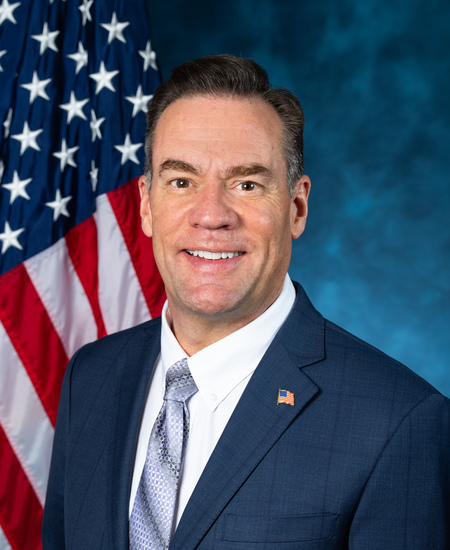
Russ Fulcher
Russ Fulcher House · District 1
R
Strong −
18% 262
Showing 1,391–1,400 of 1,431 bills

All technology bills

in committee · United States · House Apr 2, 2025

HR 2614: Maximum Support Act

HR 2614, the "Maximum Support Act," directs the U.S. government to establish an interagency task force focused on supporting internet freedom in Iran. Key provisions include developing a strategy for secure VPN services, satellite-to-cell technology, and countermeasures against Iranian censorship, while also requiring a plan to ensure U.S. sanctions don't block internet access tools for Iranian citizens. The bill mandates confiscating Iranian government assets to fund support for democratic transition efforts, including humanitarian aid, documentation of human rights abuses, and nonviolent opposition activities. It further requires strategies for diplomatic engagement, intelligence support for Iranian dissidents, and designating Iran's Ministry of Intelligence as a Foreign Terrorist Organization.
Sub-Topics Broadband Access
in committee · United States · Senate Sep 18, 2025

S 2866: Cybersecurity in Agriculture Act of 2025

This bill establishes five regional cybersecurity centers for the agriculture sector through competitive grants awarded to eligible land-grant universities. These centers will conduct research, develop security tools (like intrusion detection systems), and run training exercises specifically targeting cyber threats from countries including China, Russia, and Iran. The centers must focus on protecting seed agriculture, horticulture, animal agriculture, and supply chains from cyberattacks. The bill authorizes $25 million annually from 2026 to 2030 to fund these centers and their activities.
Sub-Topics Cybersecurity Tags Agriculture
in committee · United States · Senate May 7, 2025

S 1634: ACCESS Act of 2025

The ACCESS Act of 2025 requires major social media and messaging platforms (defined as services with over 100 million U.S. users that monetize user data) to enable users to easily transfer their data to competing services and ensure their platforms can interoperate with rival services. It mandates that large platforms provide secure, machine-readable data portability and maintain transparent interfaces for competitors to connect with users. The law also establishes rules for third-party agents managing user accounts and prohibits platforms from using data from competitors for commercial gain. Enforcement falls to the Federal Trade Commission, with penalties for violations treated as unfair business practices.
in committee · United States · Senate Jun 1, 2026

S 323: PLAN for Broadband Act

The PLAN for Broadband Act requires federal agencies to create a coordinated strategy to streamline broadband programs across government, aiming to eliminate duplication and improve efficiency in deploying high-speed internet. It mandates the Assistant Secretary of Commerce to develop a National Strategy within one year of enactment, followed by an Implementation Plan within 120 days, that identifies gaps in current programs and establishes common goals for agencies like the FCC, USDA, and Department of Transportation. The strategy must use the Deployment Locations Map to track broadband coverage, prevent funding for already-served areas, and establish common data standards for reporting on broadband projects. The bill also sets a $5 million minimum project cost threshold for certain broadband infrastructure and requires agencies to track processing times for applications to reduce delays.
Sub-Topics Broadband Access Telecommunications Tags Rural Communities
in committee · United States · House Jan 9, 2025

HR 278: BROADBAND Leadership Act

HR 278, the BROADBAND Leadership Act, streamlines the process for broadband providers to install facilities by setting strict deadlines for local government approvals. It requires state and local governments to approve or deny requests within 90 days (for existing infrastructure) or 150 days (for new projects), with requests deemed approved if deadlines pass. The bill prohibits discrimination based on technology or service type, mandates written decisions with evidence, and requires fees to be neutral, cost-based, and publicly disclosed. It preserves state authority for universal service, public safety, and right-of-way management, while ensuring broadband deployment isn’t delayed by local bureaucracy.
in committee · United States · Senate Feb 20, 2025

S 674: Broadband Grant Tax Treatment Act

The Broadband Grant Tax Treatment Act (S 674) excludes specific federal and state broadband grants from being counted as taxable income for recipients. It applies to grants from programs like the Broadband Equity, Access, and Deployment Program (under the Infrastructure Investment and Jobs Act) and similar state/local initiatives funded by federal broadband grants. The law prevents double tax benefits by disallowing deductions for expenses covered by the excluded grant and reducing the property’s cost basis by the grant amount. This directly affects broadband providers and local governments receiving these grants, making the funds tax-free without allowing additional tax deductions for the same spending.
passed · United States · House Jul 15, 2025

HR 1709: Understanding Cybersecurity of Mobile Networks Act

HR 1709, the "Understanding Cybersecurity of Mobile Networks Act," requires the Assistant Secretary of Commerce to produce a report within one year of enactment examining cybersecurity vulnerabilities in mobile service networks and devices. The report must assess how mobile providers address security risks, customer awareness of cybersecurity when purchasing services, encryption practices, barriers to adopting stronger security measures, and the prevalence of surveillance technologies like cell site simulators. It specifically excludes 5G networks and focuses on real-world vulnerabilities affecting U.S. mobile networks and devices used by consumers, businesses, and government agencies. The study aims to inform future policy by gathering data from providers, industry experts, and government agencies, without mandating immediate changes to security standards.
in committee · United States · Senate Dec 18, 2025

S 3570: Data Care Act of 2025

The Data Care Act of 2025 requires online service providers (like social media platforms or apps that collect user data) to securely handle "individual identifying data," especially sensitive information like health details, biometrics, financial data, or precise location. It imposes three key duties: (1) reasonably securing data from breaches, (2) not misusing data to harm users or benefit themselves, and (3) restricting data sharing to third parties only with strict confidentiality contracts. The Federal Trade Commission and state attorneys general can enforce these rules through penalties for violations, with civil fines calculated based on the number of affected users or days of noncompliance. The law directly affects major digital platforms collecting user data and takes effect 180 days after enactment.
passed · United States · House Jul 13, 2026

HR 7266: Rural and Municipal Utility Cybersecurity Act

HR 7266 establishes the Rural and Municipal Utility Cybersecurity Grant Program, providing $250 million (2026-2030) to help specific electric utilities improve cybersecurity. It directly affects rural electric cooperatives, municipally owned utilities, and small investor-owned utilities (under 4 million MWh/year) by offering grants and technical assistance for advanced cybersecurity technologies. Key provisions include prioritizing funding for entities with limited resources or critical infrastructure, requiring deployment of tools to protect against cyberattacks, and shielding shared cybersecurity information from public disclosure requests. The program aims to strengthen defenses across smaller utility systems without mandating new regulations.
Sub-Topics Cybersecurity Tags Rural Communities
in committee · United States · House Feb 5, 2025

HR 1020: BOOST Act

HR 1020 (BOOST Act) creates a tax credit for homeowners in rural unserved areas to improve broadband access. It allows a 75% credit (up to $400) for purchasing signal boosters, satellite customer equipment, or ground stations used in a primary residence. The credit applies only once per household and expires after 2029, targeting areas eligible for FCC's Rural Digital Opportunity Fund. This directly affects individual homeowners in designated rural broadband gaps seeking to enhance their internet connectivity.
Sub-Topics Procurement Tax Credits Broadband Access Telecommunications Tags Rural Communities
Showing 1,391 to 1,400 of 1,431 bills