Issue · Technology

Technology

Every technology bill, vote, and legislator stance in United States, automatically classified by Maddy, our AI policy reader.

Total bills
1,431
119th Congress
Top supporter
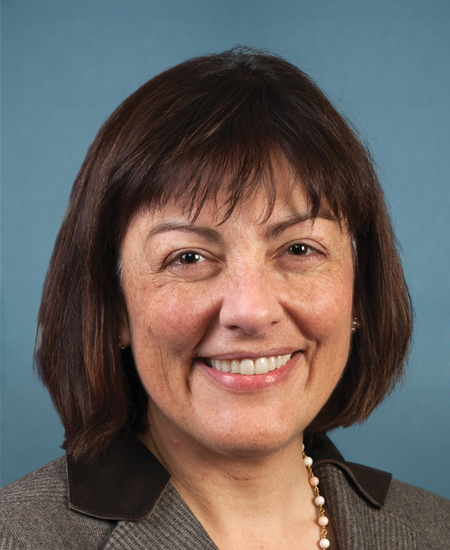
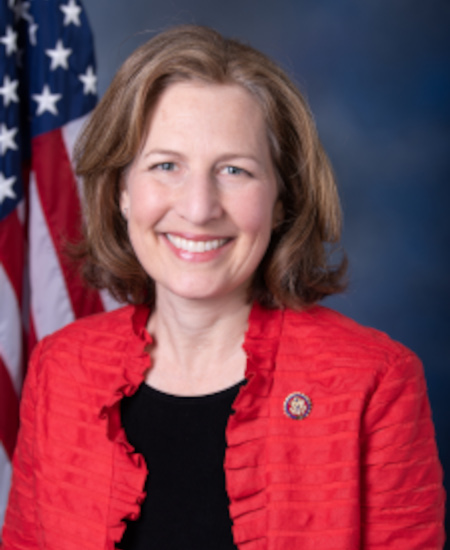
Suzan K. DelBene
86% support rate
Top opponent
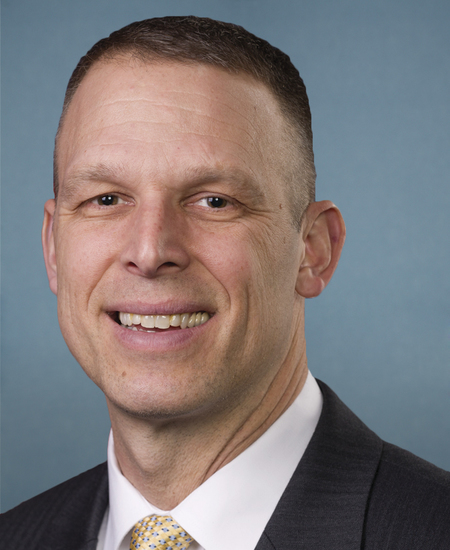
Scott Perry
14% support rate
Ranked legislators
10
5 support · 5 oppose
Key legislators

Who's moving technology in United States

Legislators moving technology in United States
Legislator Party Stance Support rate Votes
Suzan K. DelBene
Suzan K. DelBene House · District 1
D
Strong +
86% 259
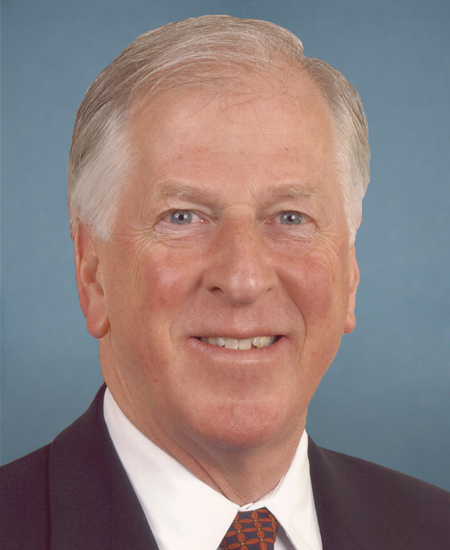
Mike Thompson
Mike Thompson House · District 4
D
Strong +
86% 261
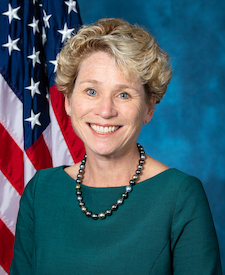
Chrissy Houlahan
Chrissy Houlahan House · District 6
D
Strong +
86% 259
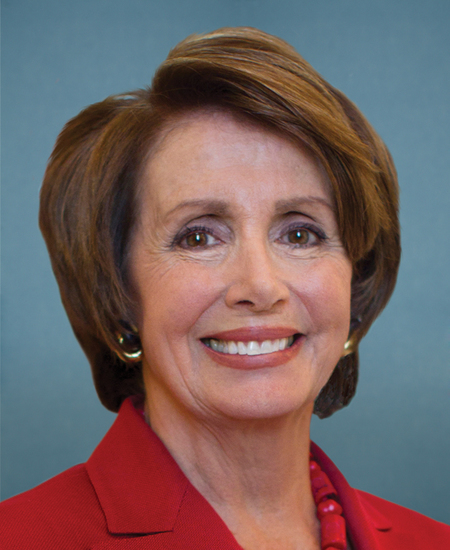
Nancy Pelosi
Nancy Pelosi House · District 11
D
Strong +
86% 246
Kim Schrier
Kim Schrier House · District 8
D
Strong +
86% 261
Scott Perry
Scott Perry House · District 10
R
Strong −
14% 252
AA
Alan Armstrong Senate
R
Strong −
14% 46
Rand Paul
Rand Paul Senate
R
Strong −
16% 223
Andy Harris
Andy Harris House · District 1
R
Strong −
18% 257
Russ Fulcher
Russ Fulcher House · District 1
R
Strong −
18% 262
Showing 1,271–1,280 of 1,431 bills

All technology bills

in committee · United States · Senate Feb 12, 2026

S 3892: Stop Price Gouging in Grocery Stores Act of 2026

This bill prohibits grocery stores from charging unreasonably high prices (defined as 120% or more of a product’s average price over the prior six months) unless they prove the increase stems from uncontrollable costs like supply chain issues. It bans using personal data - such as facial recognition or purchase history - to set different prices for individual shoppers and requires clear signage about facial recognition use at store entrances. Large grocery stores (over 10,000 sq ft) must replace electronic shelf labels with physical price tags. The Federal Trade Commission enforces these rules, allowing states and consumers to seek $3,000 per violation in court for price gouging or data misuse.
in committee · United States · Senate Apr 3, 2025

S 1287: DELETE Act

The DELETE Act creates a federal system allowing individuals to request deletion of their personal data from data brokers. It requires data brokers (entities collecting personal information without a direct customer relationship) to register with the FTC annually and implement a centralized deletion system. Individuals can submit one request to delete all their data across registered brokers within 31 days, with limited exceptions for research or legal compliance. Data brokers must pay an annual fee (capped at 1% of system costs) to maintain the system, and the FTC enforces the rules under existing privacy laws. The law preempts conflicting state privacy laws but allows states to offer stronger protections.
in committee · United States · House Oct 28, 2025

HR 5868: Water Cybersecurity Enhancement Act of 2025

This bill amends the Safe Drinking Water Act to require community water systems to participate in cybersecurity training focused on protecting against and responding to cyberattacks. It updates funding periods for these training programs, extending them from 2020-2021 to 2026-2031. The key provision mandates that training programs must cover specific cyber threat mitigation and response strategies. This directly affects community water systems receiving federal funding under the Safe Drinking Water Act.
Sub-Topics Cybersecurity
in committee · United States · House Jul 23, 2025

HRES 602: Recognizing the importance of independent living and economic self-sufficiency for individuals with disabilities made possible by the Americans with Disabilities Act of 1990 and calling for further action to strengthen and expand opportunities for individuals with disabilities to participate in work and community life.

HRES 602 is a symbolic resolution recognizing the role of the Americans with Disabilities Act (ADA) in enabling independent living and economic self-sufficiency for people with disabilities. It does not create new laws but calls on specific federal agencies to take action, including the Department of Labor to boost employment opportunities, the Federal Communications Commission to improve accessible technology, and the Department of Housing and Urban Development to expand inclusive housing. The resolution highlights ongoing challenges like high poverty rates (nearly 25% of people with disabilities living below the poverty line) and inaccessible workplaces, urging bipartisan efforts to address these barriers. It directly affects individuals with disabilities by advocating for systemic changes in employment, healthcare access, and community integration.
Sub-Topics Property Development Tags People with Disabilities
in committee · United States · Senate May 7, 2025

S 1651: Lowering Broadband Costs for Consumers Act of 2025

This bill requires broadband providers and large "edge providers" (like social media, streaming, and search companies) to contribute to the Universal Service Fund (USF), which supports affordable broadband in rural and high-cost areas. It expands the USF contribution base beyond traditional phone companies to include these digital services, with exemptions for smaller providers (e.g., those handling under 3% of U.S. data or earning under $5 billion annually). The Federal Communications Commission must create new rules within 18 months to ensure fair contributions and establish a specific support mechanism for broadband providers serving high-cost areas. The goal is to make broadband more affordable for consumers by ensuring broader funding for universal service programs.
Sub-Topics Broadband Access Social Media Telecommunications Tags Rural Communities
in committee · United States · Senate Mar 19, 2026

S 1269: Promoting United States Leadership in Standards Act of 2025

This bill aims to increase U.S. involvement in global technical standards for artificial intelligence and emerging technologies. It requires the National Institute of Standards and Technology (NIST) to provide Congress with a briefing on U.S. participation opportunities, create a public web portal listing international standards efforts, and launch a 5-year pilot program. The pilot program will offer grants (up to $5 million total) to U.S. organizations hosting international standards meetings, covering costs like venue and planning. These efforts target U.S. industry and federal agencies working on AI/tech standards, with annual reports to Congress and a requirement to propose permanent implementation if the pilot succeeds.
in committee · United States · Senate Feb 27, 2025

S 765: No DeepSeek on Government Devices Act

This bill prohibits U.S. federal agencies from using the DeepSeek application (or any successor by High Flyer) on government devices. Within 60 days of enactment, the Office of Management and Budget must develop standards requiring agencies to remove DeepSeek from all government information technology, following federal security rules. Exceptions are allowed for national security, law enforcement, and security research activities, but agencies must document risk mitigation plans for any permitted use. The law directly affects all federal executive agencies and their information technology systems.
in committee · United States · House Dec 3, 2025

HR 6046: Broadband and Telecommunications RAIL Act

This bill streamlines the process for broadband providers to install facilities in public rights-of-way near rail corridors and on railroad property. It requires providers to notify railroads when placing facilities in intersecting areas (with specific details) and to submit formal applications for railroad rights-of-way, including engineering plans and safety details. Railroads can only deny applications for safety reasons (like infrastructure damage or passenger risk) and must charge providers only for actual safety-related costs. Disputes over approvals or fees are resolved by the FCC within 90 days, with railroads and providers required to follow safety standards and industry guidelines. The law aims to balance broadband expansion with railroad safety and operational needs.
in committee · United States · House May 30, 2025

HR 3634: Interactive Federal Review Act

HR 3634, the Interactive Federal Review Act, requires the U.S. Department of Transportation to encourage highway projects receiving federal grants (like INFRA, RAISE, or Mega program funds) to use digital platforms and 3D models for environmental reviews under the National Environmental Policy Act (NEPA). It mandates the DOT to publish guidance within 90 days, select at least 10 projects to test these tools, and prioritize grant applications that plan to use them for public engagement and environmental analysis. The bill also requires reports to Congress within 180 days detailing efficiency metrics and examples of digital workflows, plus public examples of digital environmental documents within a year. This aims to speed up reviews and improve public understanding of project impacts, directly affecting federally funded highway projects.
in committee · United States · House Mar 28, 2025

HR 1985: Promoting Precision Agriculture Act

The Promoting Precision Agriculture Act directs the U.S. Department of Agriculture to develop voluntary, private-sector-led standards for precision agriculture equipment within two years. These standards will focus on improving connectivity between farm technologies (like GPS systems, sensors, and data software), addressing cybersecurity concerns, and supporting the use of advanced networks and AI in farming. The bill requires the Government Accountability Office (GAO) to assess these standards every two years for eight years, checking if they were developed with industry input and effectively encourage adoption. The primary beneficiaries are U.S. farmers and agricultural technology companies, aiming to make farming more efficient by reducing waste of resources like water, fertilizer, and fuel.
Sub-Topics Artificial Intelligence Cybersecurity Tags Agriculture Rural Communities
Showing 1,271 to 1,280 of 1,431 bills