Issue · Technology

Technology

Every technology bill, vote, and legislator stance in United States, automatically classified by Maddy, our AI policy reader.

Total bills
1,447
119th Congress
Top supporter
Ami Bera
86% support rate
Top opponent
Scott Perry
14% support rate
Ranked legislators
10
5 support · 5 oppose
Key legislators

Who's moving technology in United States

Legislators moving technology in United States
Legislator Party Stance Support rate Decisive votes
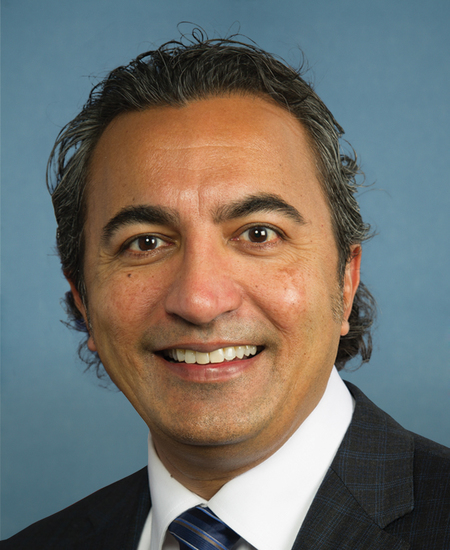
Ami Bera
Ami Bera House · District 6
D
Strong +
86% 22
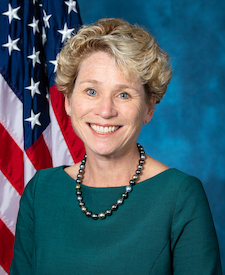
Chrissy Houlahan
Chrissy Houlahan House · District 6
D
Strong +
86% 22
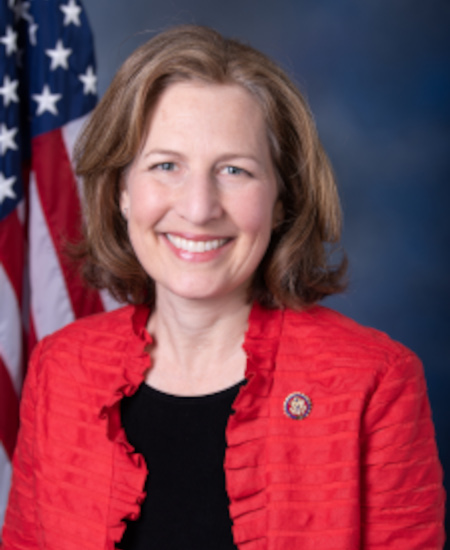
Kim Schrier
Kim Schrier House · District 8
D
Strong +
86% 22
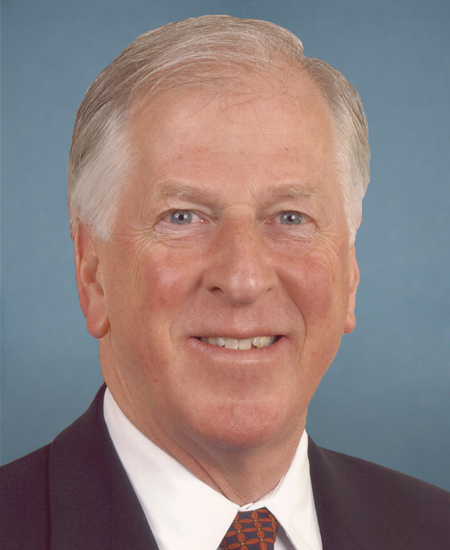
Mike Thompson
Mike Thompson House · District 4
D
Strong +
86% 22
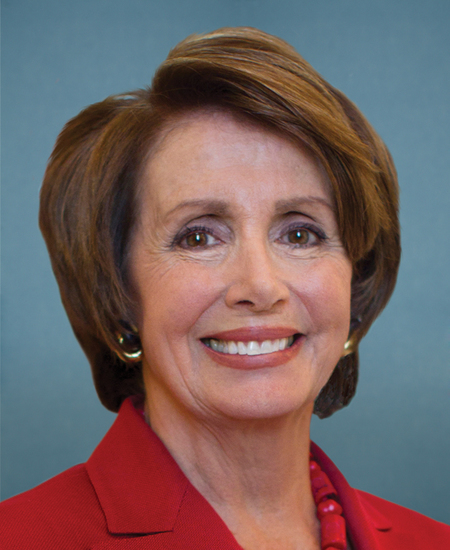
Nancy Pelosi
Nancy Pelosi House · District 11
D
Strong +
86% 22
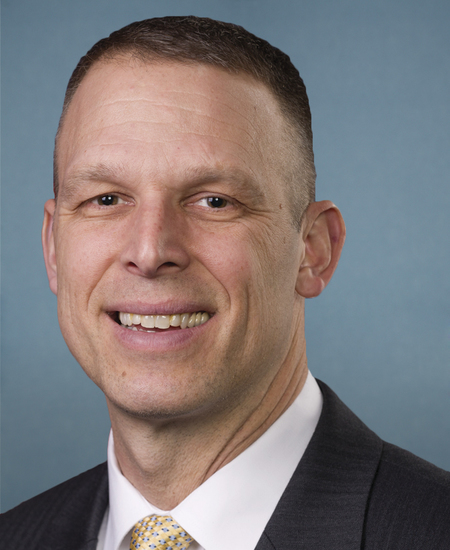
Scott Perry
Scott Perry House · District 10
R
Strong −
14% 21
AA
Alan Armstrong Senate
R
Strong −
17% 29
Rand Paul
Rand Paul Senate
R
Strong −
17% 46
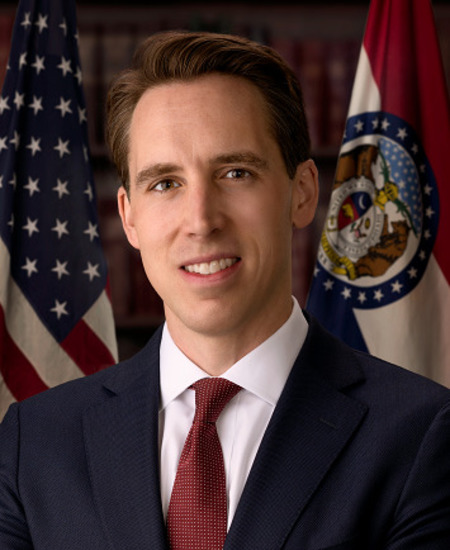
Josh Hawley
Josh Hawley Senate
R
Strong −
18% 45
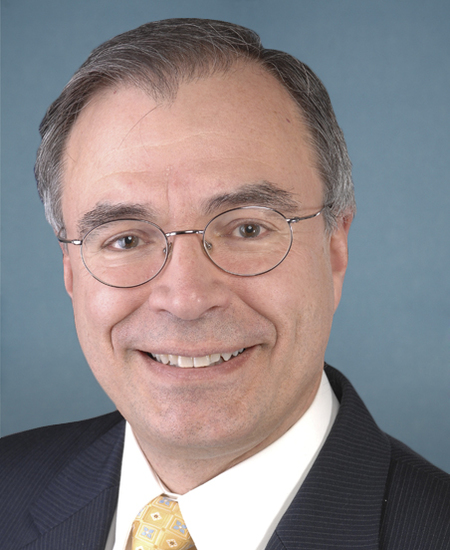
Andy Harris
Andy Harris House · District 1
R
Strong −
18% 22
Showing 1,011–1,020 of 1,447 bills

All technology bills

in committee · United States · House Sep 8, 2025

HR 5215: SHIELD Act of 2025

The SHIELD Act of 2025 establishes a one-year pilot program requiring the Secretary of Defense to develop digital literacy training for members of the Armed Forces. The training teaches service members to identify fact-based journalism, disinformation, conspiracy theories, hate-based ideologies (including antisemitism and white supremacy), assess online source credibility, protect personal information, and recognize threats to individual or military security. The program will use in-person, virtual, and hybrid training methods equally, with a geographically and demographically diverse group of service members as participants. After the pilot, the Secretary must survey participants and submit a report to Congress comparing training methods and recommending how often permanent digital literacy training should occur and how often the curriculum should be updated.
Sub-Topics Data Privacy
in committee · United States · House Jul 22, 2025

HR 4610: BRIDGE Africa Act

The BRIDGE Africa Act requires the U.S. government to develop a strategy within one year to boost American investment in African technology and entrepreneurship, focusing on countries like Nigeria, Kenya, and Ghana. It mandates a detailed plan analyzing security benefits, business barriers, and training needs (like digital skills and cybersecurity) for U.S.-Africa tech partnerships. The bill also directs a U.S.-hosted summit in Africa to coordinate investment opportunities in AI, agriculture, health, and other sectors. This strategy and summit aim to strengthen economic ties and security through concrete policy coordination, not speculative outcomes.
in committee · United States · Senate Apr 1, 2025

S 1235: Expanding Partnerships for Innovation and Competitiveness Act

This bill creates the Foundation for Standards and Metrology, a nonprofit organization to support measurement science, technical standards, and technology development that enhances U.S. economic security. The Foundation will collaborate with researchers, universities, industry, and nonprofits to advance measurement science, commercialize federally funded research, and improve research facilities. It will be governed by a Board of Directors with 11 appointed members and receive annual funding of $500,000 to $1,250,000 from the Secretary of Commerce starting in 2026. The Foundation must become financially self-sustaining within 5 years and publish annual reports on its activities and finances.
in committee · United States · House Sep 10, 2025

HR 5289: Semiconductor Sovereignty Act

This bill requires the Secretary of Commerce to produce detailed reports on U.S. semiconductor manufacturing and research trends, including offshoring patterns since 1990, supply chain vulnerabilities, and national security implications. It mandates an initial report within 240 days of enactment, covering critical inputs (like photomasks and software), bottlenecks, and the role of foreign entities, with annual updates thereafter. The reports must assess impacts on the economy, security, and supply chains, while identifying strategies to disincentivize offshoring and boost domestic production. The bill does not create new funding or regulations but focuses solely on gathering data to inform future policy decisions.
in committee · United States · House Aug 26, 2025

HR 5045: HEALTH AI Act

This bill establishes a federal grant program to fund research on using generative AI in healthcare. The Secretary of Health and Human Services will award grants to eligible entities like universities, non-profits, and government agencies to study how AI can improve clinical documentation, reduce administrative burdens, speed up insurance claims, and enhance patient service. Grants prioritize projects focused on reducing clinician burnout, addressing health disparities, and expanding care for medically underserved populations. The law aims to support practical AI applications that make healthcare more efficient and accessible without mandating specific technologies or outcomes.
in committee · United States · House Jun 25, 2025

HR 4127: Tech Safety for Victims of Domestic Violence, Dating Violence, Sexual Assault, and Stalking Act

This bill establishes two grant programs to address technological abuse against victims of domestic violence, dating violence, sexual assault, and stalking. It authorizes a 5-year pilot program (with up to 15 grants of $2 million each) for partnerships between tech-focused schools, tech companies, and domestic violence centers to provide victims with new devices and combat tech abuse. A separate $20 million grant program funds nonprofits and schools to develop training materials for service providers on preventing and responding to technological abuse. The bill directly affects victims experiencing tech-based stalking or monitoring and the organizations that support them, focusing on practical resources and education rather than new legal requirements.
in committee · United States · Senate Jun 26, 2025

S 1829: STOP CSAM Act of 2025

The STOP CSAM Act of 2025 strengthens protections for child victims of sexual abuse and exploitation by expanding definitions of abuse to include psychological abuse and kidnapping, and by imposing new reporting requirements on internet service providers. The bill requires providers with over 1 million monthly users to report apparent child sexual abuse material to the CyberTipline within 60 days, with penalties for noncompliance including fines up to $1 million for large providers. It creates new civil remedies allowing victims to sue providers who host or promote child pornography, and establishes protections for "covered persons" (children under 18 who are victims or witnesses) by limiting public disclosure of their personal information. The bill also enhances law enforcement's ability to investigate online child exploitation while maintaining privacy safeguards for victims.
in committee · United States · House Jun 25, 2026

HR 2385: CREATE AI Act of 2025

Creating Resources for Every American To Experiment with Artificial Intelligence Act of 2025 or the CREATE AI Act of 2025 This bill establishes a national program to provide U.S. researchers, educators, and students with access to artificial intelligence (AI) data, computational resources, educational tools and services, and testbeds. The program, to be known as the National Artificial Intelligence Research Resource (NAIRR), must be established by the National Science Foundation (NSF) to improve U.S. AI research capacity and spur the strategic development of AI capabilities. NAIRR may accept and use donated resources from the private sector and federal agencies. Those eligible to use NAIRR resources are (1) researchers, educators, and students based in the United States and affiliated with a U.S. institution of higher education, nonprofit, executive agency, or other specified entity; and (2) employees of U.S. executive agencies or federally funded research and development centers with a demonstrable mission need. NSF must select a nongovernmental organization to operate NAIRR (i.e., an operating entity ) through a competitive and transparent process. The operating entity must ensure that a significant percentage of the annual allotment of computational resources is provided to projects primarily focused on AI privacy, ethics, safety, security, risk mitigation, or trustworthiness. The operating entity must also establish minimum security requirements for all individuals interacting with NAIRR. The operating entity may establish a fee schedule for access to NAIRR, which must include a free tier of access and must ensure that the primary purpose of NAIRR is to support research.
in committee · United States · Senate May 22, 2025

S 1917: Investing in All of America Act of 2025

The Investing in All of America Act of 2025 modifies the Small Business Investment Act of 1958 to adjust leverage limits for Small Business Investment Companies (SBICs). It reduces the maximum leverage ratio from 300% to 200% and sets new dollar caps ($175 million for most SBICs, $350 million for commonly controlled groups), adjusted annually for inflation. The bill expands eligibility for favorable leverage treatment to include investments in rural areas, critical technology sectors, and small manufacturers. These changes directly affect SBICs that provide financing to small businesses, altering how they structure debt and private capital.
Tags Small Business
in committee · United States · Senate Nov 18, 2025

S 3184: Tribal Internet Expansion Act of 2025

S 3184, the Tribal Internet Expansion Act of 2025, amends federal law to expand eligibility for universal service funds that support affordable internet access. It directly affects Native American communities in Indian country (as defined by federal law) and areas with high populations of Indian people. The bill modifies the Communications Act to explicitly include these communities within the existing framework for funding high-cost rural internet service. This change ensures federal internet subsidy programs specifically cover tribal lands and high-population Indian areas, streamlining access to funding for broadband infrastructure.
Sub-Topics Broadband Access Telecommunications Tags Rural Communities Tribal Nations
Showing 1,011 to 1,020 of 1,447 bills