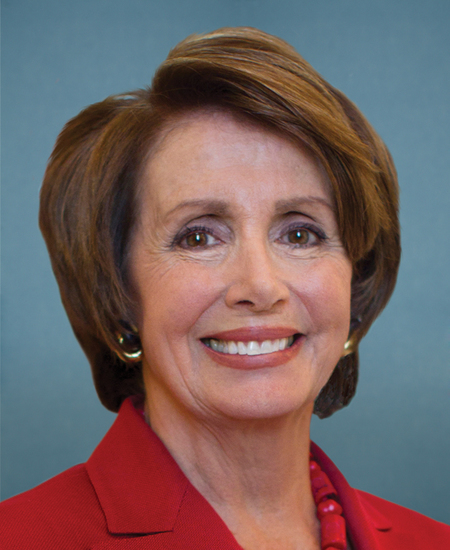
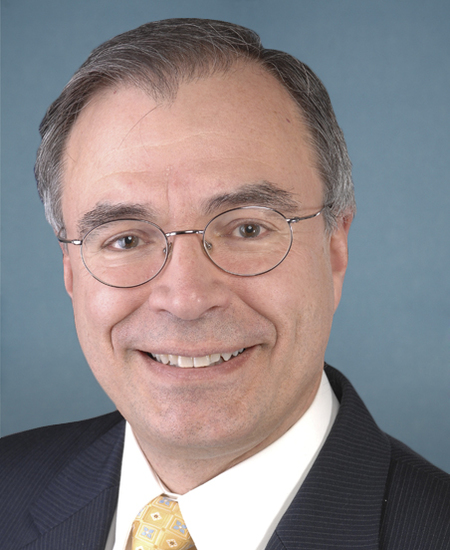
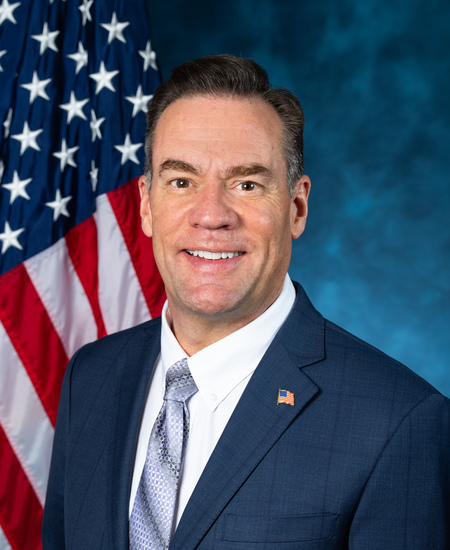
Key legislators
Who's moving technology in United States
Showing 6 of 6
bills
All technology bills
The KIDS Act (HR 7757) requires online platforms to implement age verification measures and safety features to protect minors from harmful content and interactions. It mandates platforms to provide parental control tools, limit design features that encourage compulsive use, and prevent access to illegal products like drugs or alcohol. The bill also requires platforms to establish reporting mechanisms for harms to minors and disclose when chatbots are artificial intelligence systems. The law applies to social media platforms, video games, and chatbot providers that meet the definition of a "covered platform" under the bill.
The Secure America Act appropriates billions of dollars to U.S. Customs and Border Protection and Immigration and Customs Enforcement for fiscal year 2026 to expand staffing and operations. These funds are specifically designated for hiring agents to conduct functions other than immigration enforcement and customs duties, as well as for purchasing new technology to combat drug trafficking and improve border surveillance. The legislation includes restrictions that prohibit using the money to recruit processing coordinators after October 2028 and bans the deployment of untested autonomous surveillance towers. A portion of the funding is also set aside to hire investigators and analysts dedicated to identifying and rescuing victims of child sexual exploitation.
Homeowner Energy Freedom Act This bill repeals the Department of Energy's (1) high-efficiency electric home rebate program for certain electrification projects in low- or moderate-income households, (2) state-based home energy efficiency contractor training grants, and (3) assistance for states and local governments to adopt specified building energy codes. It also rescinds any unobligated balances available for the rebates or adopting the building energy codes. (The unobligated balances for the contractor training grants were previously rescinded by the 2025 reconciliation act.)
The Undersea Cable Protection Act of 2025 prohibits the National Marine Sanctuaries Act from requiring additional authorizations for undersea fiber optic cables that already have federal or state permits. It directly affects cable operators who have obtained licenses, leases, or permits from any federal or state agency for cable installation or maintenance in national marine sanctuaries. The bill prevents the Secretary from blocking or demanding new permits for these cables once they have valid existing authorization. This simplifies regulatory processes by eliminating redundant federal oversight for cables already approved by other agencies.
HR 1919, the "Anti-CBDC Surveillance State Act," prohibits the Federal Reserve from developing, testing, or issuing any central bank digital currency (CBDC) or similar digital assets. It specifically bans the Fed from offering direct financial products to individuals, maintaining individual accounts, or issuing CBDCs directly or indirectly through intermediaries like banks. The bill also blocks the Fed from using any digital asset for monetary policy and clarifies that physical currency's privacy protections remain intact. This policy directly affects the Federal Reserve System's ability to create or manage digital monetary tools.
This joint resolution nullifies requirements for persons effectuating decentralized financial (DeFi) transactions to report certain information regarding digital asset sales to the Internal Revenue Service (IRS). Specifically, the joint resolution nullifies the requirements included in the rule titled Gross Proceeds Reporting by Brokers That Regularly Provide Services Effectuating Digital Asset Sales and issued by the IRS on December 30, 2024. Decentralized finance refers to the suite of financial activities and services that are facilitated by cryptocurrency and intended to be conducted without any sort of reliance on traditional financial tools or intermediaries.