Issue · Labor & Employment

Labor & Employment (Collective Bargaining)

Every labor & employment bill, vote, and legislator stance in United States, automatically classified by Maddy, our AI policy reader.

Total bills
117
119th Congress
Top supporter
Adam Gray
100% support rate
Top opponent
Chip Roy
0% support rate
Ranked legislators
10
5 support · 5 oppose
Key legislators

Who's moving collective bargaining in United States

Legislators moving collective bargaining in United States
Legislator Party Stance Support rate Votes
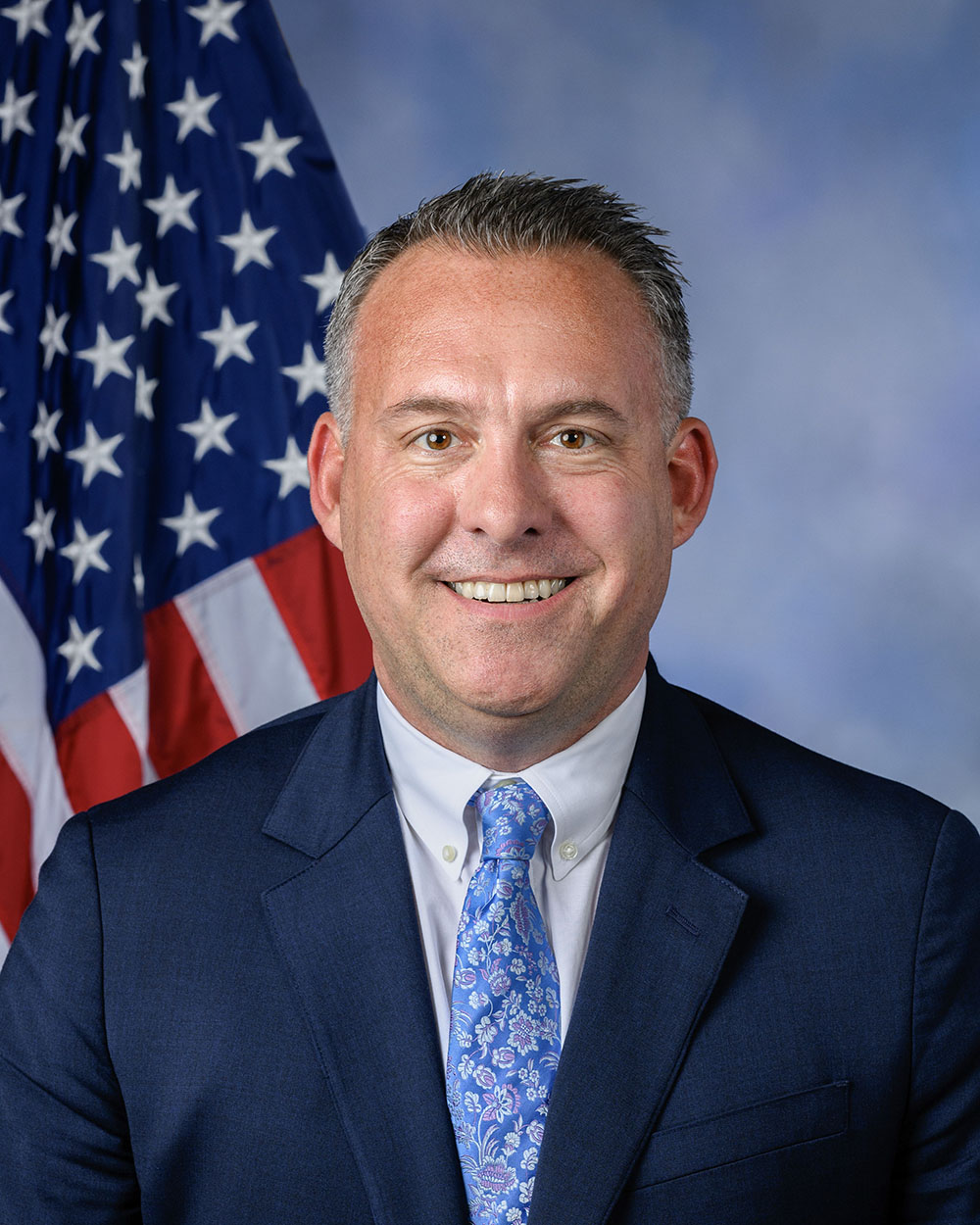
Adam Gray
Adam Gray House · District 13
D
Strong +
100% 7
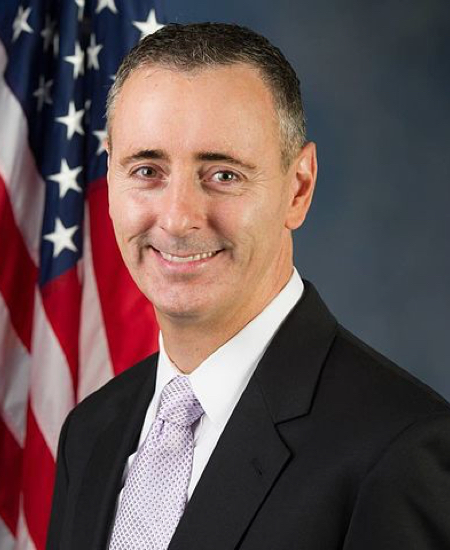
Brian K. Fitzpatrick
Brian K. Fitzpatrick House · District 1
R
Strong +
100% 7
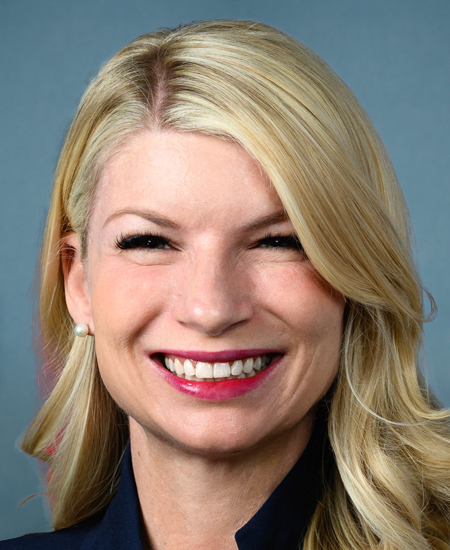
Brittany Pettersen
Brittany Pettersen House · District 7
D
Strong +
100% 7
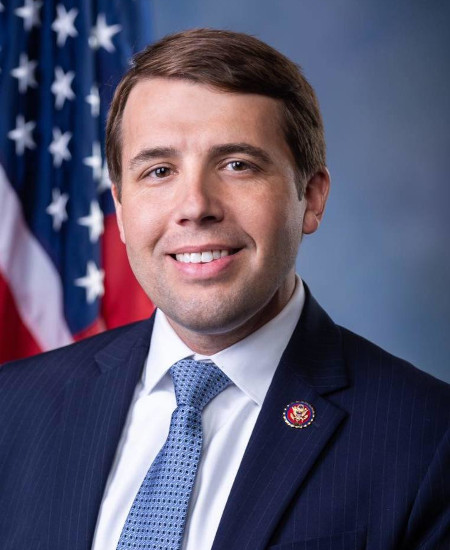
Chris Pappas
Chris Pappas House · District 1
D
Strong +
100% 7
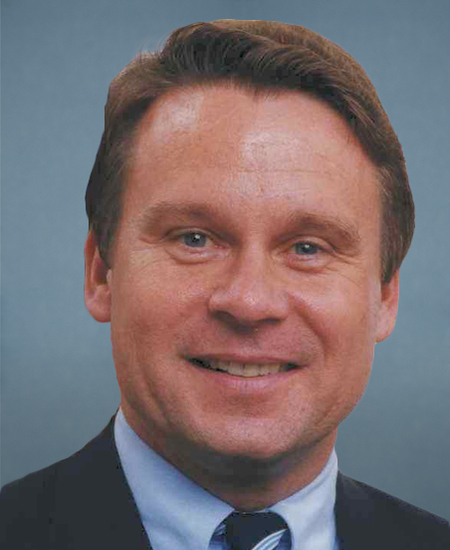
Christopher H. Smith
Christopher H. Smith House · District 4
R
Strong +
100% 7
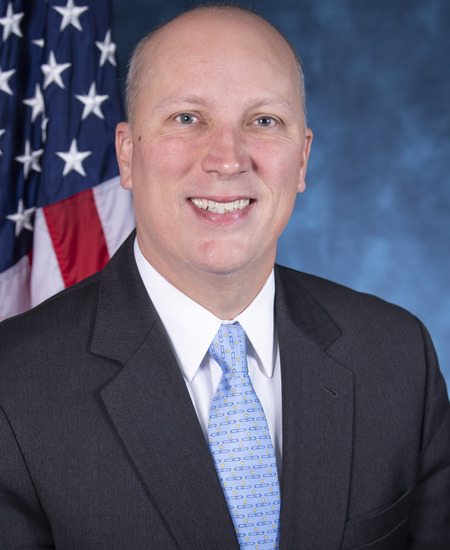
Chip Roy
Chip Roy House · District 21
R
Strong −
0% 7
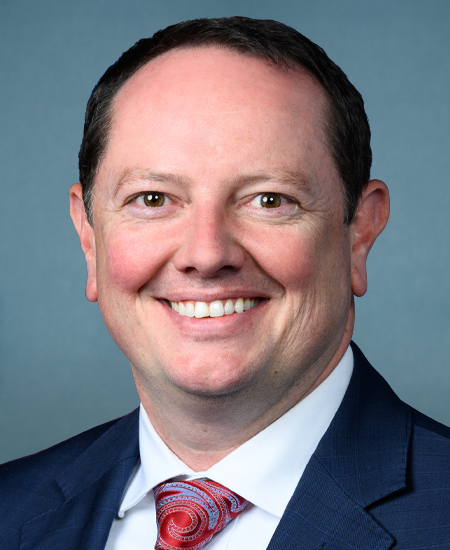
Eric Burlison
Eric Burlison House · District 7
R
Strong −
0% 7
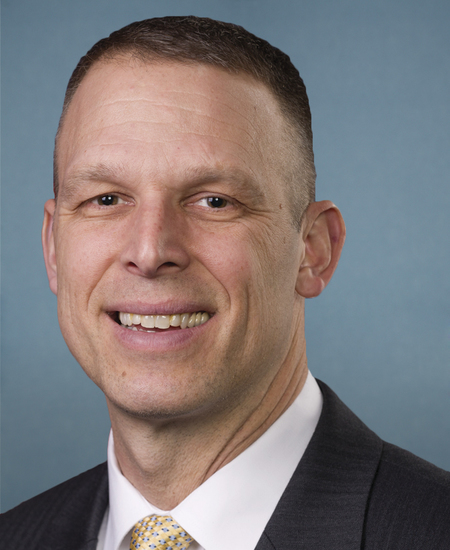
Scott Perry
Scott Perry House · District 10
R
Strong −
0% 7
Tom McClintock
Tom McClintock House · District 5
R
Strong −
0% 7
Celeste Maloy
Celeste Maloy House · District 2
R
Strong −
0% 6
Showing 81–90 of 117 bills

All labor & employment bills

in committee · United States · Senate Mar 26, 2025

S 1156: Food Secure Strikers Act of 2025

This bill changes SNAP (food stamp) eligibility rules for workers participating in strikes. It directly affects workers who are on strike by removing an exception that previously allowed them to keep SNAP benefits during labor actions. The key change removes language that let striking workers remain eligible, now making them ineligible to participate in SNAP solely because they are on strike. This is a concrete policy shift in the Food and Nutrition Act, changing who qualifies for food assistance during labor disputes.
in committee · United States · House Jul 23, 2025

HR 4693: College Athlete Right to Organize Act

This bill amends the National Labor Relations Act to recognize college athletes as employees eligible for collective bargaining rights. It directly affects athletes receiving athletic scholarships (grant-in-aid) who perform services for their institution, including those at public and private universities. Key provisions establish that athletes meeting specific criteria (receiving compensation for athletic participation) are employees, allow multiemployer bargaining units across athletic conferences, and prohibit waivers of these rights in scholarship agreements. The bill explicitly states it will not change tax treatment of athletic compensation or affect eligibility for federal financial aid.
in committee · United States · House Apr 8, 2025

HR 2736: Public Service Freedom to Negotiate Act of 2025

This bill establishes federal minimum standards for collective bargaining rights for public employees and supervisors. The Federal Labor Relations Authority would determine if state laws provide these rights, and if not, would establish them for affected employees. The bill guarantees public employees the right to form unions, bargain collectively, and engage in concerted activities, while requiring public employers to recognize unions and put agreements in writing. It also prohibits strikes or lockouts that would disrupt emergency services. This would apply to public employees in states that don't meet the federal standards for collective bargaining rights.
in committee · United States · House Sep 23, 2025

HR 5561: Picket Line Protection Act of 2025

HR 5561, the Picket Line Protection Act of 2025, amends the tax code to exclude strike replacement wages from taxable income for union members. It directly affects members of labor organizations (501(c)(5) groups) who receive compensation from their union during a strike, making that income non-taxable. The key provision adds Section 139J to the Internal Revenue Code, removing this specific income from gross income calculations. This change applies to compensation received after January 1, 2025.
in committee · United States · Senate Apr 10, 2025

SRES 169: A resolution expressing support for the staff of public, school, academic, and special libraries in the United States and the essential services those libraries provide to communities, recognizing the need for funding commensurate with the broad scope of social service and community supports provided by libraries, preserving the right of all citizens of the United States to freely access information and resources in their communities, supporting a strong union voice for library workers, and defending the civil rights of library staff.

S.Res. 169 is a Senate resolution expressing support for library staff and the essential services provided by public, school, academic, and special libraries across the United States. It recognizes libraries as critical community resources - offering internet access, job training, crisis support, and safe spaces - while highlighting challenges like funding shortages, book bans, and threats to staff safety. The resolution calls for full federal, state, and local funding to sustain library services, reaffirms citizens' right to free information access, and supports library workers' rights to unionize and speak out against censorship or intimidation. It specifically addresses recent pressures, including the elimination of the Institute of Museum and Library Services and rising book-banning efforts, to protect libraries' role in democracy and community well-being.
in committee · United States · House Feb 21, 2025

HR 1505: Public Safety Employer-Employee Cooperation Act

HR 1505, the Public Safety Employer-Employee Cooperation Act, establishes federal standards for collective bargaining rights for public safety officers (including police, firefighters, and emergency medical personnel) in states that do not meet minimum requirements. The Federal Labor Relations Authority (FLRA) will determine after 180 days whether a state law "substantially provides" key rights, such as forming unions, negotiating wages/hours, and using binding arbitration to resolve disputes. If a state fails this assessment, federal bargaining rules apply within two years, but existing state laws with stronger protections remain valid. The bill explicitly respects state laws that exceed its standards and exempts small jurisdictions (under 5,000 population or 25 full-time employees).
in committee · United States · Senate Mar 12, 2025

S 1006: Federal Workforce Freedom Act

The Federal Workforce Freedom Act (S 1006) prohibits federal employees from joining or participating in labor unions for collective bargaining and bans federal agencies from recognizing or negotiating with such unions. It terminates all existing collective bargaining agreements and dismisses any pending disputes based on those agreements. The bill repeals Chapter 71 of Title 5, U.S. Code, which currently governs federal labor relations. This legislation directly affects all federal employees and agencies by eliminating the legal framework for collective bargaining in the federal workforce.
in committee · United States · Senate Jul 28, 2025

S 2469: College Athlete Right to Organize Act

The College Athlete Right to Organize Act (S 2469) would recognize college athletes receiving athletic scholarships as employees under federal labor law, granting them the right to form unions and negotiate collectively with their schools and athletic conferences. It defines a "college athlete employee" as any student participating in intercollegiate sports who receives direct financial aid (like a scholarship) for that participation, and establishes multiemployer bargaining units allowing athletes across competing schools in the same conference to collectively bargain. The bill prohibits schools from requiring athletes to waive these rights in scholarship agreements and clarifies that the law does not change how athletic scholarships are taxed or affect eligibility for federal student aid.
in committee · United States · Senate Nov 6, 2025

S 3114: Union Members Right to Know Act

The Union Members Right to Know Act requires labor unions to provide members with clear information about their rights, including summaries of religious accommodation options under the Civil Rights Act and the Beck decision (which protects against mandatory dues for non-bargaining activities). Unions must send this information via mail or email within 30 days of a new member joining or within one year of the law’s enactment for existing members, with annual updates, and maintain a website link to this content. The bill also prohibits using dues for non-bargaining activities without a member’s written authorization, which expires after one year and cannot be automatically renewed. This law directly affects unions and their members by increasing transparency about how dues are used and member rights.
in committee · United States · Senate Apr 3, 2025

S 1301: Tribal Labor Sovereignty Act of 2025

This bill amends the National Labor Relations Act to explicitly include Indian Tribes and their enterprises operating on tribal lands under federal labor law. It defines "employer" to cover tribal governments and tribal-owned businesses on Indian lands, directly affecting tribal governments and their workplaces. Key provisions add specific definitions for "Indian Tribe," "Indian," and "Indian lands" to clarify which entities and locations fall under the law. This change brings tribal employers on reservation or trust lands under the same federal labor protections as other employers, expanding the scope of the National Labor Relations Act.
Sub-Topics Collective Bargaining Labor Standards Tags Tribal Nations
Showing 81 to 90 of 117 bills
Previous 1 8 9 10 12 Next