Issue · Labor & Employment

Labor & Employment

Every labor & employment bill, vote, and legislator stance in United States, automatically classified by Maddy, our AI policy reader.

Total bills
1,399
119th Congress
Top supporter
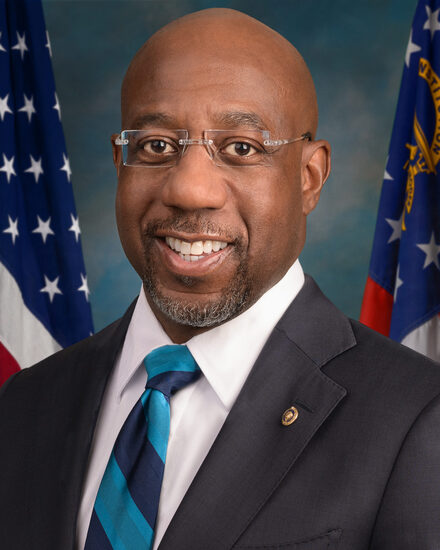
Raphael G. Warnock
100% support rate
Top opponent
Eric Burlison
31% support rate
Ranked legislators
10
5 support · 5 oppose
Key legislators

Who's moving labor & employment in United States

Legislators moving labor & employment in United States
Legislator Party Stance Support rate Votes
Raphael G. Warnock
Raphael G. Warnock Senate
D
Strong +
100% 211
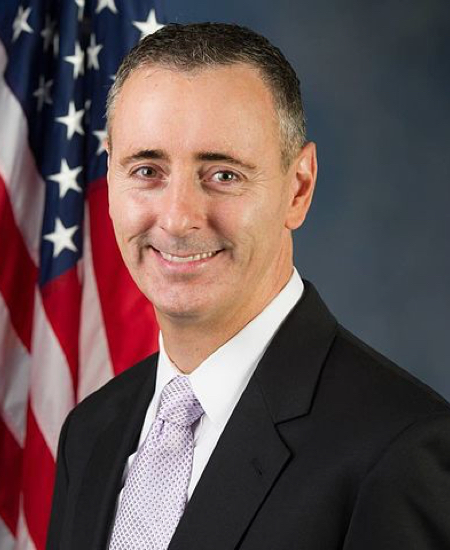
Brian K. Fitzpatrick
Brian K. Fitzpatrick House · District 1
R
Strong +
92% 194
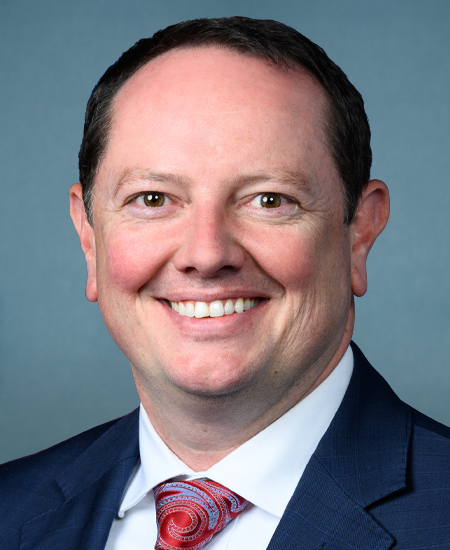
Robert P. Bresnahan, Jr.
Robert P. Bresnahan, Jr. House · District 8
R
Strong +
92% 197
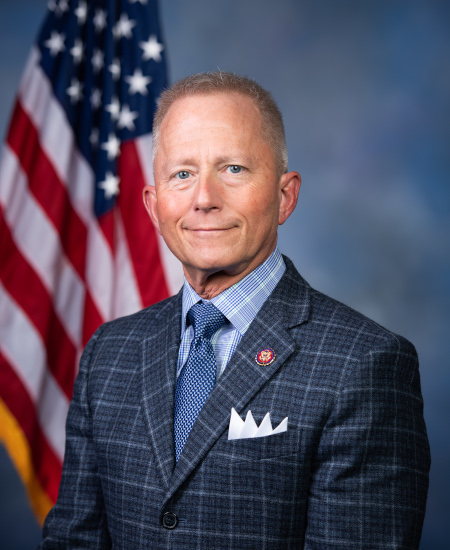
Jefferson Van Drew
Jefferson Van Drew House · District 2
R
Strong +
92% 197
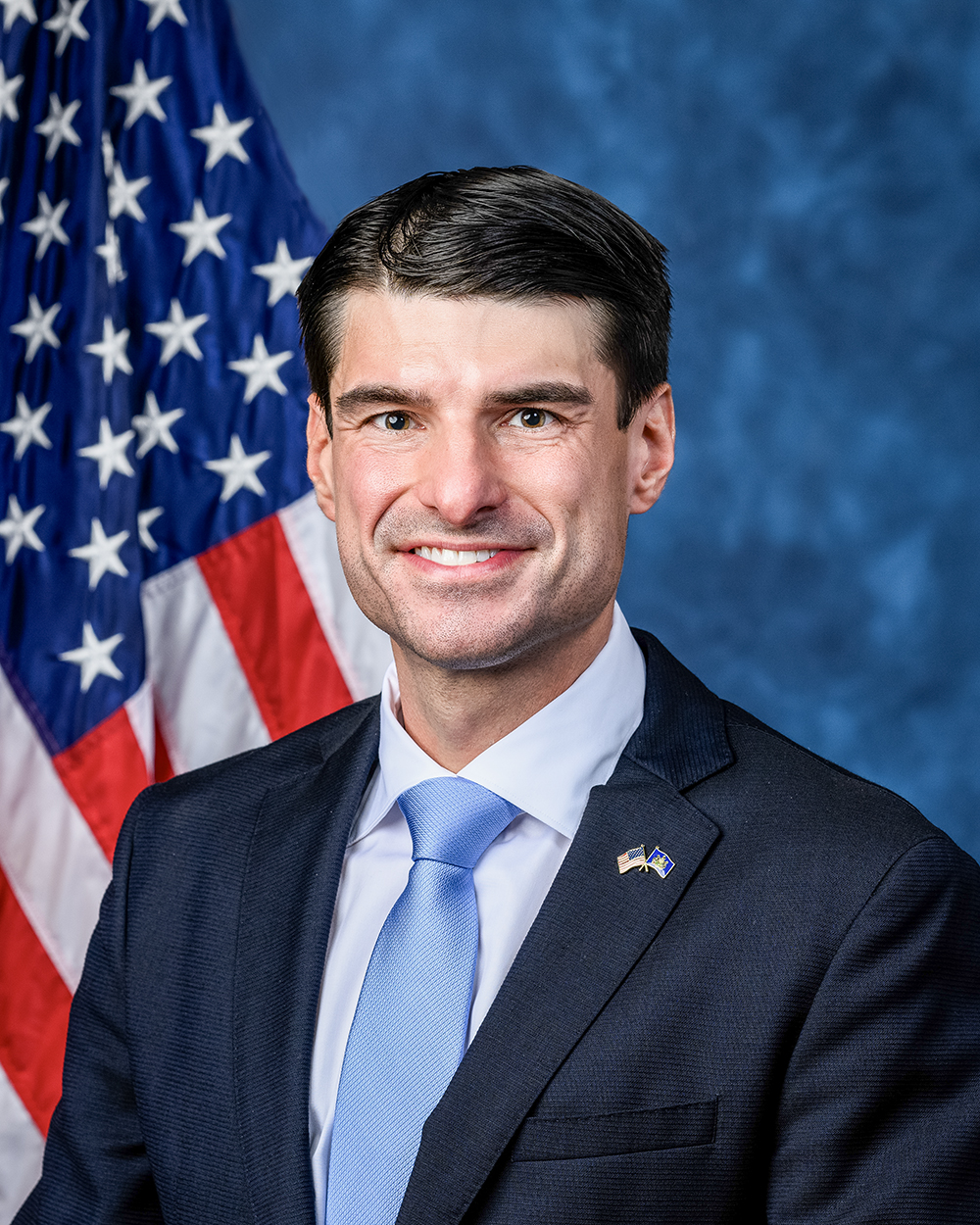
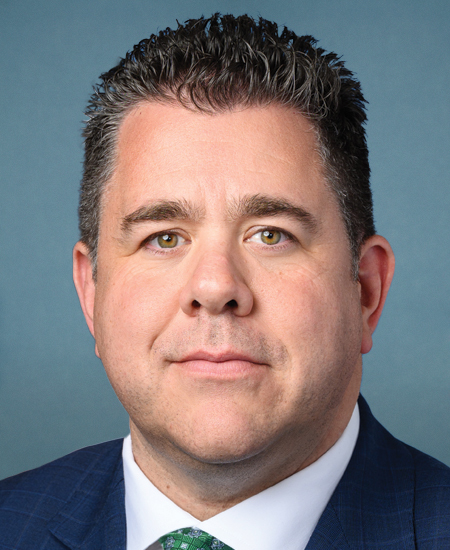
Nick LaLota
Nick LaLota House · District 1
R
Strong +
92% 195
Eric Burlison
Eric Burlison House · District 7
R
Oppose
31% 197
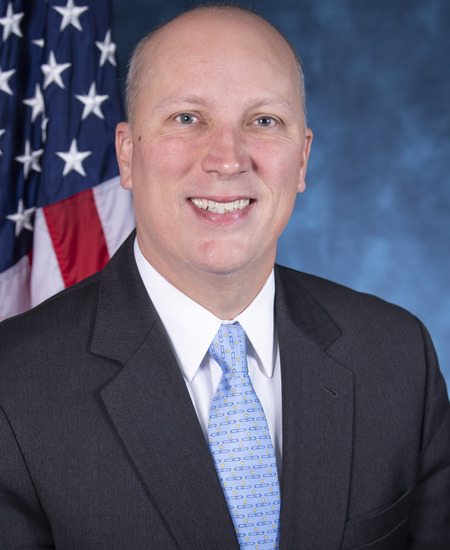
Chip Roy
Chip Roy House · District 21
R
Oppose
31% 190
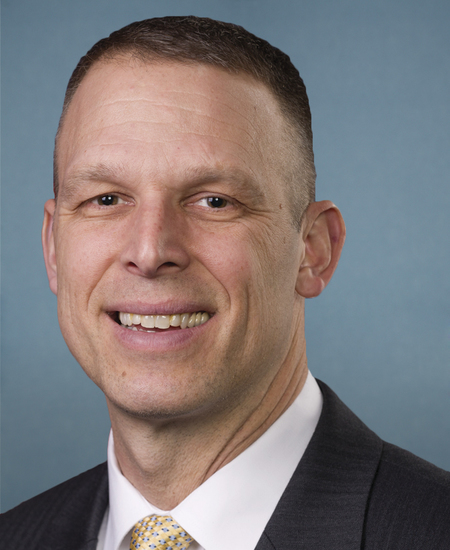
Scott Perry
Scott Perry House · District 10
R
Oppose
31% 194
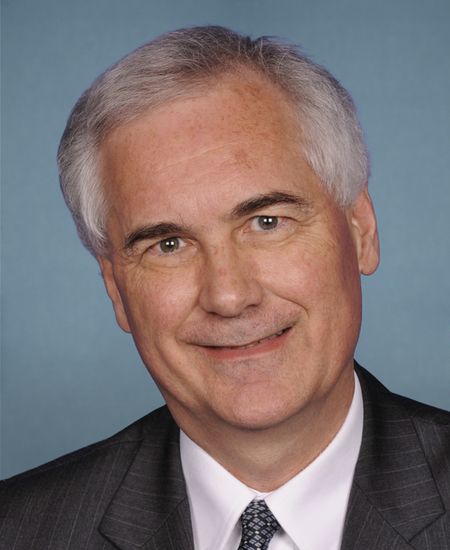
Tom McClintock
Tom McClintock House · District 5
R
Oppose
31% 190
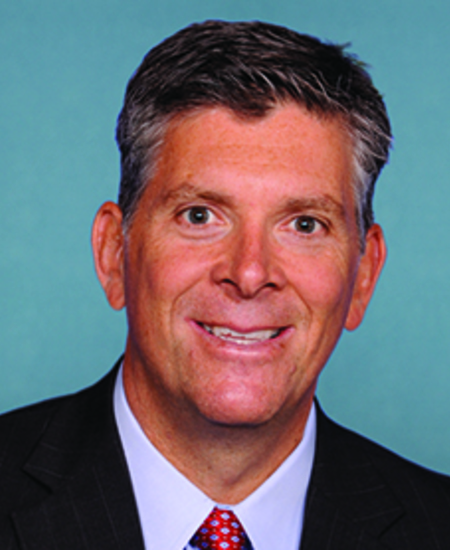
Darin LaHood
Darin LaHood House · District 16
R
Oppose
33% 175
Showing 81–90 of 1,399 bills

All labor & employment bills

in committee · United States · House Jul 21, 2026

HCONRES 114: Recognizing the significance of equal pay and the disparity in wages paid to men and to Black women.

This concurrent resolution formally recognizes the persistent wage gap between Black women and white, non-Hispanic men in the United States. It highlights data showing that Black women earn significantly less than their male counterparts and reaffirms Congress's support for existing laws that prohibit pay discrimination based on sex or race. The document does not create new laws or change policy but serves as a symbolic statement to raise awareness about the economic disparities faced by Black women.
in committee · United States · House Jul 20, 2026

HR 9792: Employee Ownership Fairness Act of 2026

The Employee Ownership Fairness Act of 2026 modifies tax rules for Employee Stock Ownership Plans (ESOPs) to help workers better manage their retirement savings. Currently, money contributed to ESOPs counts toward annual contribution limits, which can prevent employees from making additional contributions to other retirement accounts or receiving full employer matches. This bill changes those limits so that stock contributions and loan repayments for ESOPs do not count toward the caps, allowing employees to diversify their savings more easily. The changes apply to plan years starting after the law is enacted and affect companies that use ESOPs to provide employee ownership.
Sub-Topics Retirement Benefits
in committee · United States · House Jul 16, 2026

HR 9735: CLINIC Assistance Act

The CLINIC Assistance Act creates a federal grant program to help accredited law schools establish clinical programs where law students assist individuals with employee welfare benefit plans. These grants, capped at $500,000 per school per year, allow institutions to hire supervising attorneys and support students in helping people appeal denied benefits, sue for unpaid costs, or enforce their rights under the Employee Retirement Income Security Act. The Department of Labor will coordinate with these programs to share information and provide lists of eligible schools to those needing assistance. A total of $5 million is authorized for this initiative over five years, starting in fiscal year 2026.
in committee · United States · Senate Jul 14, 2026

S 4982: Good Jobs for Good Airports Act

The Good Jobs for Good Airports Act establishes new federal standards to ensure that workers at small, medium, and large hub airports receive a living wage and adequate health benefits. It defines "covered service workers" to include employees in roles such as baggage handling, passenger assistance, security, ticketing, and concession services, regardless of whether they are directly hired by the airport or work for a contractor. Under the bill, employers must pay these workers at least the higher of the federal Service Contract Act wage rates or applicable state and local minimum wages, and they must provide similar fringe benefits. To enforce these rules, the Secretary of Labor and the Secretary of Transportation will have the authority to investigate violations, issue penalties, and require employers to submit monthly compliance certifications. Additionally, the law allows private individuals to file lawsuits against non-compliant employers and mandates annual reports to Congress on the implementation of these labor standards.
in committee · United States · House Jul 23, 2026

HRES 1452: Recognizing the importance of independent living and economic self-sufficiency for individuals with disabilities made possible by the Americans with Disabilities Act of 1990 and calling for further action to strengthen and expand opportunities for individuals with disabilities to participate in work and community life.

This House resolution acknowledges the progress made by the Americans with Disabilities Act of 1990 in promoting independent living and economic self-sufficiency for people with disabilities. It highlights ongoing challenges such as high unemployment rates, systemic barriers in workplaces, and unequal access to healthcare and technology. The bill calls on various federal agencies, including the Department of Labor and the Department of Transportation, to work together to remove these obstacles and expand opportunities for full community participation. By urging bipartisan cooperation, the resolution aims to strengthen support systems and ensure that individuals with disabilities can thrive in their homes, workplaces, and society at large.
Sub-Topics Unemployment
in committee · United States · Senate Jul 16, 2026

S 5012: Welcome Back to the Health Care Workforce Act

The Welcome Back to the Health Care Workforce Act authorizes federal grants to help internationally educated health care professionals integrate into the U.S. workforce. These funds will be awarded to groups such as hospitals, universities, and government agencies that partner to provide career support, including licensing assistance, English language training, and mentoring programs. The legislation prioritizes projects that address workforce shortages in rural areas and communities with significant gaps in health care staffing. Recipients must use at least 20 percent of the grant money for system-wide improvements like employer education and career ladders, while the rest can support individual needs such as exam preparation and living expenses. The bill also requires grant recipients to submit annual reports on how many professionals they helped employ and retain.
in committee · United States · Senate Jul 21, 2026

SCONRES 36: A concurrent resolution recognizing the significance of equal pay and the disparity in wages paid to men and to Black women.

This concurrent resolution formally recognizes the significant wage gap between Black women and white, non-Hispanic men in the United States. The document cites data showing that Black women earn roughly 65 cents for every dollar earned by white men and highlights how this disparity impacts their ability to support families and accumulate wealth. By referencing existing laws like the Equal Pay Act and the Civil Rights Act, the bill reaffirms Congress's support for equal pay for equal work without proposing new legislation or policy changes. Ultimately, the measure serves as a symbolic acknowledgment of the economic challenges faced by Black women due to dual discrimination based on race and gender.
in committee · United States · Senate Jul 15, 2026

S 4995: Agricultural Worker Justice Act of 2026

The Agricultural Worker Justice Act of 2026 establishes new rules to improve wages, safety, and accountability for workers in the meat and poultry processing industry. It requires the USDA to only purchase food from facilities where workers are paid at least the local prevailing wage and prohibits companies receiving USDA funds from buying back their own stock or paying dividends. The bill also mandates stricter safety standards, including limits on increased production line speeds, better access to toilet facilities, and enhanced protections against retaliation for reporting injuries or unsafe conditions. Additionally, the legislation creates a system to blacklist contractors with repeated labor law violations and requires detailed annual reports on grant recipients and racial disparities in the sector.
in committee · United States · Senate Jul 16, 2026

S 5010: NO BOSS Act

The NO BOSS Act modifies federal rules to allow individuals receiving unemployment benefits to start self-employment businesses without first exhausting their regular benefits. It requires that these self-employment activities include approved entrepreneurial training, business counseling, or a submitted business plan with a market feasibility study. The changes take effect two years after enactment, though states are permitted to adopt similar rules earlier. The Department of Labor will issue regulations and guidance to help state agencies implement these new requirements.
Sub-Topics Unemployment
in committee · United States · Senate Jul 14, 2026

S 4981: Living Wage For All Act

The Living Wage For All Act aims to raise the federal minimum wage to a living standard by establishing a tiered increase schedule that targets $25 per hour over five years for large corporations and twelve years for smaller employers. The bill defines large employers as those with at least $1 billion in annual revenue or 500 employees, requiring them to lead the transition while providing smaller businesses more time to adjust. It also phases out the separate, lower minimum wage for tipped employees and youth workers, eventually aligning all workers under the same rate, and gradually eliminates special minimum wage certificates for individuals with disabilities. Once the general minimum wage reaches $25 per hour, the law mandates that future adjustments be tied annually to the national median hourly wage to ensure the standard keeps pace with economic growth.
Sub-Topics Minimum Wage
Showing 81 to 90 of 1,399 bills
Previous 1 8 9 10 140 Next