Issue · Labor & Employment

Labor & Employment (Labor Standards)

Every labor & employment bill, vote, and legislator stance in United States, automatically classified by Maddy, our AI policy reader.

Total bills
295
119th Congress
Top supporter
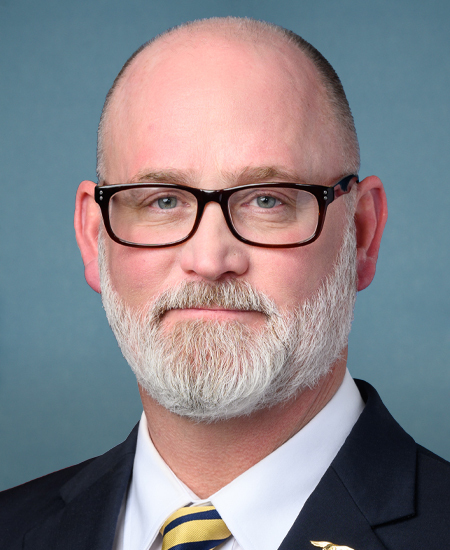
Derrick Van Orden
100% support rate
Top opponent
Julie Fedorchak
33% support rate
Ranked legislators
10
5 support · 5 oppose
Key legislators

Who's moving labor standards in United States

Legislators moving labor standards in United States
Legislator Party Stance Support rate Votes
Derrick Van Orden
Derrick Van Orden House · District 3
R
Strong +
100% 3
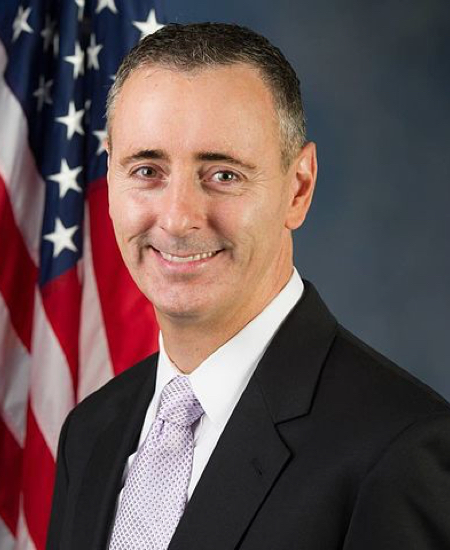
Brian K. Fitzpatrick
Brian K. Fitzpatrick House · District 1
R
Strong +
86% 7
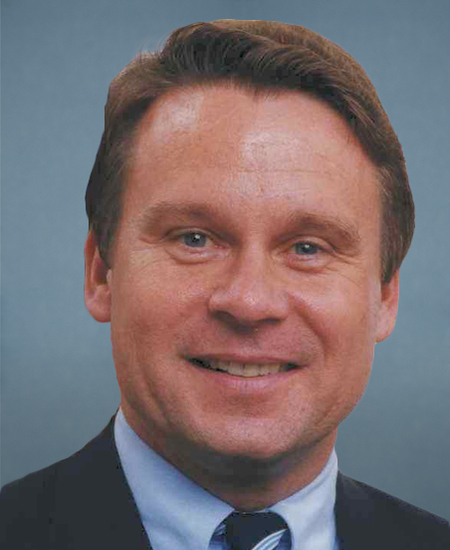
Christopher H. Smith
Christopher H. Smith House · District 4
R
Strong +
86% 7
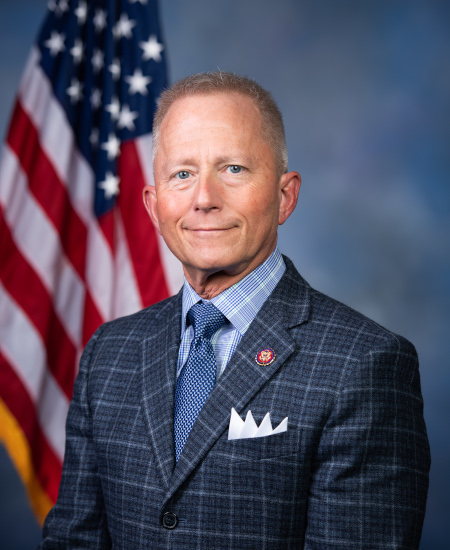
Jefferson Van Drew
Jefferson Van Drew House · District 2
R
Strong +
86% 7
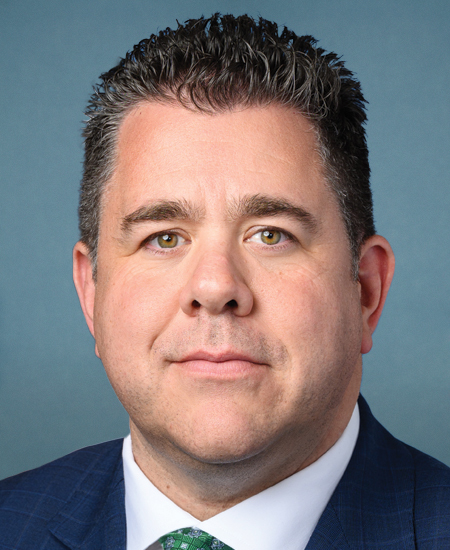
Nick LaLota
Nick LaLota House · District 1
R
Strong +
86% 7
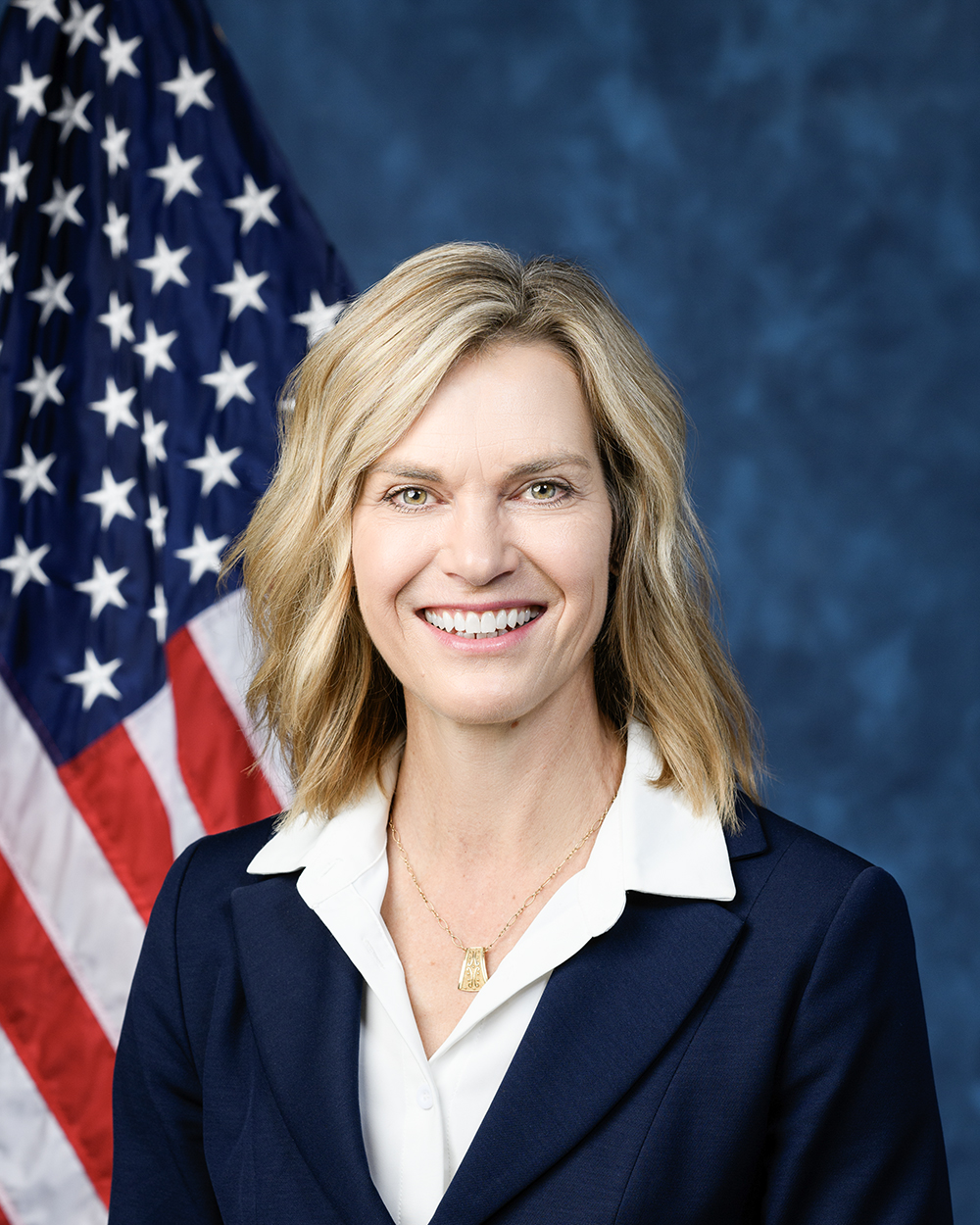
Julie Fedorchak
Julie Fedorchak House · District At-Large
R
Oppose
33% 6
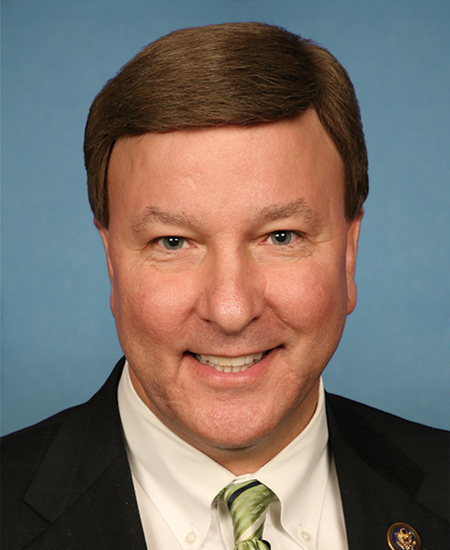
Mike Rogers
Mike Rogers House · District 3
R
Oppose
33% 6
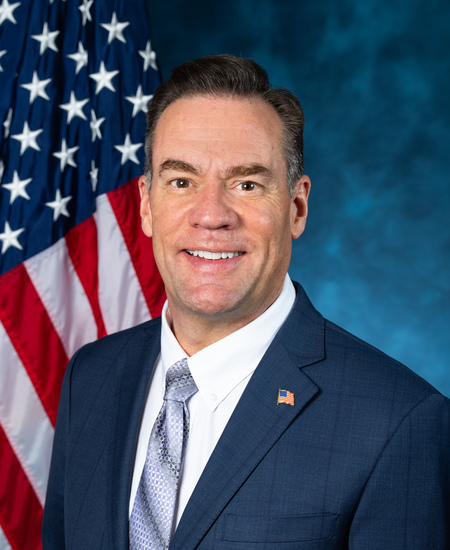
Russ Fulcher
Russ Fulcher House · District 1
R
Oppose
33% 6
Gregory F. Murphy
Gregory F. Murphy House · District 3
R
Oppose
33% 3
Wesley Hunt
Wesley Hunt House · District 38
R
Oppose
33% 3
Showing 71–80 of 295 bills

All labor & employment bills

in committee · United States · House Mar 26, 2026

HJRES 154: Providing for congressional disapproval under chapter 8 of title 5, United States Code, of the rule submitted by the Department of Labor relating to the Adverse Effect Wage Rate.

This joint resolution seeks to overturn a Department of Labor rule that changes how the Adverse Effect Wage Rate is calculated for H-2A temporary agricultural workers. If passed, it would nullify the new methodology, reverting to the previous wage calculation standards. The bill directly affects employers and workers involved in temporary agricultural employment by restoring the prior regulatory framework. It uses the congressional review process to disapprove the specific rule published in October 2025.
Sub-Topics Labor Standards
in committee · United States · Senate Mar 16, 2026

S 4101: Grocery, Farm, and Food Worker Protection Act of 2026

This bill directs the Secretary of Agriculture to create a grant program that provides financial stabilization payments to workers in grocery stores, farms, and meat processing facilities affected by natural or other disasters. The program would offer funding through membership organizations or labor unions that represent these workers, with a total authorization of $50 million available for use. Additionally, the bill requires the Secretary to submit a report to Congress four years after enactment detailing the program's outcomes and impacts.
in committee · United States · Senate Mar 12, 2026

S 4081: Fair Wages for Home Care Workers Act

This bill, known as the Fair Wages for Home Care Workers Act, would change federal labor rules to require overtime pay and minimum wage protections for certain babysitters who currently do not receive these benefits. It specifically targets casual babysitting jobs that are irregular or intermittent and not performed by individuals whose primary occupation is babysitting. The law would also clarify that trained medical professionals like nurses and home health aides remain exempt from these new requirements, ensuring the changes apply only to casual domestic caregivers. By amending the Fair Labor Standards Act of 1938, the bill aims to extend wage protections to a specific group of home care workers while maintaining existing exemptions for professional medical staff.
in committee · United States · Senate Mar 3, 2026

S 3963: Rural Emergency Response Support Act

This bill would allow employers of emergency medical technicians and paramedics in rural areas to avoid paying overtime wages under certain conditions. It specifically exempts public agencies in communities with fewer than 100,000 residents and private contractors serving those areas from overtime requirements for these workers. The changes would be made to the Fair Labor Standards Act of 1938, which currently sets federal overtime pay rules. The legislation aims to address staffing challenges in rural emergency medical services by providing flexibility in compensation for these essential workers.
Sub-Topics Labor Standards
in committee · United States · Senate Mar 26, 2026

SJRES 152: A joint resolution providing for congressional disapproval under chapter 8 of title 5, United States Code, of the rule submitted by the Department of Labor relating to the Adverse Effect Wage Rate Methodology.

This bill seeks to overturn a Department of Labor rule that changes how the Adverse Effect Wage Rate is calculated for H-2A temporary agricultural workers. If passed, it would cancel the new methodology, restoring the previous approach used to determine minimum wage requirements for these temporary workers. The measure directly affects the Employment and Training Administration, which administers the H-2A visa program, and employers who hire foreign agricultural labor. It is a procedural action that requires approval from both the House and Senate to take effect.
in committee · United States · House Mar 25, 2026

HCONRES 80: Recognizing the duty of Congress to meet the needs of working women.

This concurrent resolution formally recognizes Congress's duty to protect the rights and economic security of working women, who make up nearly half of the U.S. workforce. The document highlights concerns about wage gaps, workplace discrimination, and recent policy changes that have weakened protections for women, particularly women of color. It calls for Congress to support equal pay, workplace safety, access to healthcare, paid leave, and the right to unionize, while also condemning actions that undermine civil rights enforcement and workplace protections. The resolution serves as a statement of principle rather than a law that creates new legal requirements.
in committee · United States · House Mar 4, 2026

HR 7804: BLS Act

This bill directs the Secretary of Labor to modernize how the Bureau of Labor Statistics collects and reports unemployment data. It requires the agency to publicly release unemployment statistics online by the first Friday of each month and to include detailed demographic breakdowns by geography, race, ethnicity, and gender in all reports. The legislation also updates legal language to clarify that the Secretary must perform these duties and report in a manner they deem appropriate. These changes apply directly to the Bureau of Labor Statistics and affect how unemployment data is made available to the public.
in committee · United States · House Feb 10, 2026

HR 7480: FAIR Act

HR 7480, the FAIR Act, sets pay adjustments for federal employees in 2027. It increases base pay by 3.1% for most federal workers under standard pay systems and for employees paid according to local civilian wages in high-cost areas. Additionally, it raises locality pay adjustments by 1% for 2027. The bill directly affects all federal employees covered by these pay systems through concrete, formula-based adjustments.
in committee · United States · House Jun 12, 2025

HR 4008: Pay Our Correctional Officers Fairly Act

This bill changes how federal Bureau of Prisons employees in the "Rest of U.S." pay locality receive compensation. It directs that employees whose official worksite is in "Rest of U.S." be treated as working in the nearest other pay locality (within 200 miles) with the highest comparability payment, rather than the default "Rest of U.S." rate. This adjustment applies to all Bureau of Prisons employees, including prevailing rate staff, and takes effect 180 days after enactment. The change directly affects federal correctional officers and staff working in remote locations currently covered by the "Rest of U.S." pay rate.
Sub-Topics Labor Standards
in committee · United States · House Jan 16, 2025

HR 512: Imported Seafood Safety Standards Act

HR 512 creates a new fund using 70% of import duties collected on shrimp and shrimp products (like those listed under specific tariff codes) to improve seafood safety and support domestic producers. The fund provides 50% of its money for FDA inspections to check for antibiotic contamination and verify imports aren't linked to forced labor or illegal sources (specifically referencing Xinjiang imports), and 50% for USDA programs to boost domestic shrimp consumption. This directly affects shrimp importers (who pay the duties), federal agencies (FDA and USDA), and domestic shrimp producers (who benefit from consumption programs). The key change is using import duty revenue to enforce safety standards and support U.S. shrimp sales, rather than general budget funds.
Sub-Topics Labor Standards
Showing 71 to 80 of 295 bills
Previous 1 7 8 9 30 Next