Issue · Labor & Employment

Labor & Employment

Every labor & employment bill, vote, and legislator stance in United States, automatically classified by Maddy, our AI policy reader.

Total bills
1,399
119th Congress
Top supporter
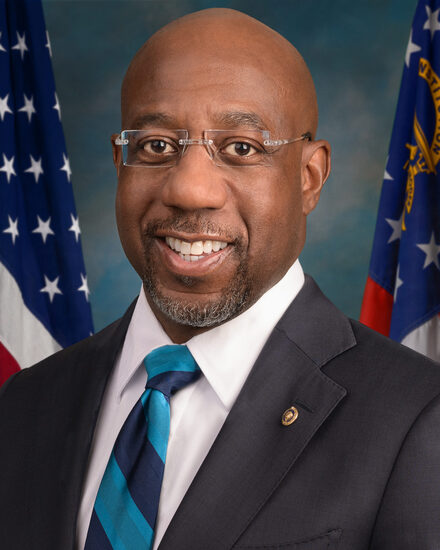
Raphael G. Warnock
100% support rate
Top opponent
Eric Burlison
31% support rate
Ranked legislators
10
5 support · 5 oppose
Key legislators

Who's moving labor & employment in United States

Legislators moving labor & employment in United States
Legislator Party Stance Support rate Votes
Raphael G. Warnock
Raphael G. Warnock Senate
D
Strong +
100% 211
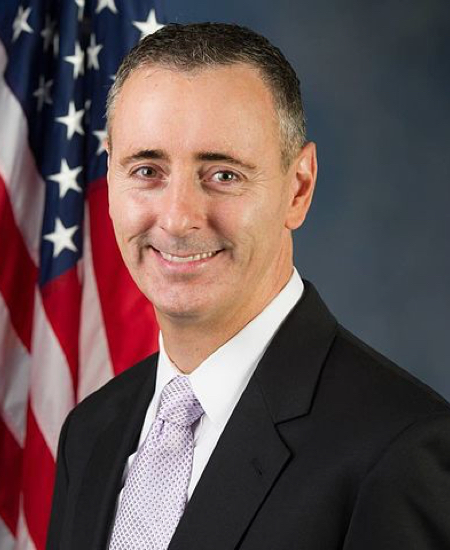
Brian K. Fitzpatrick
Brian K. Fitzpatrick House · District 1
R
Strong +
92% 194
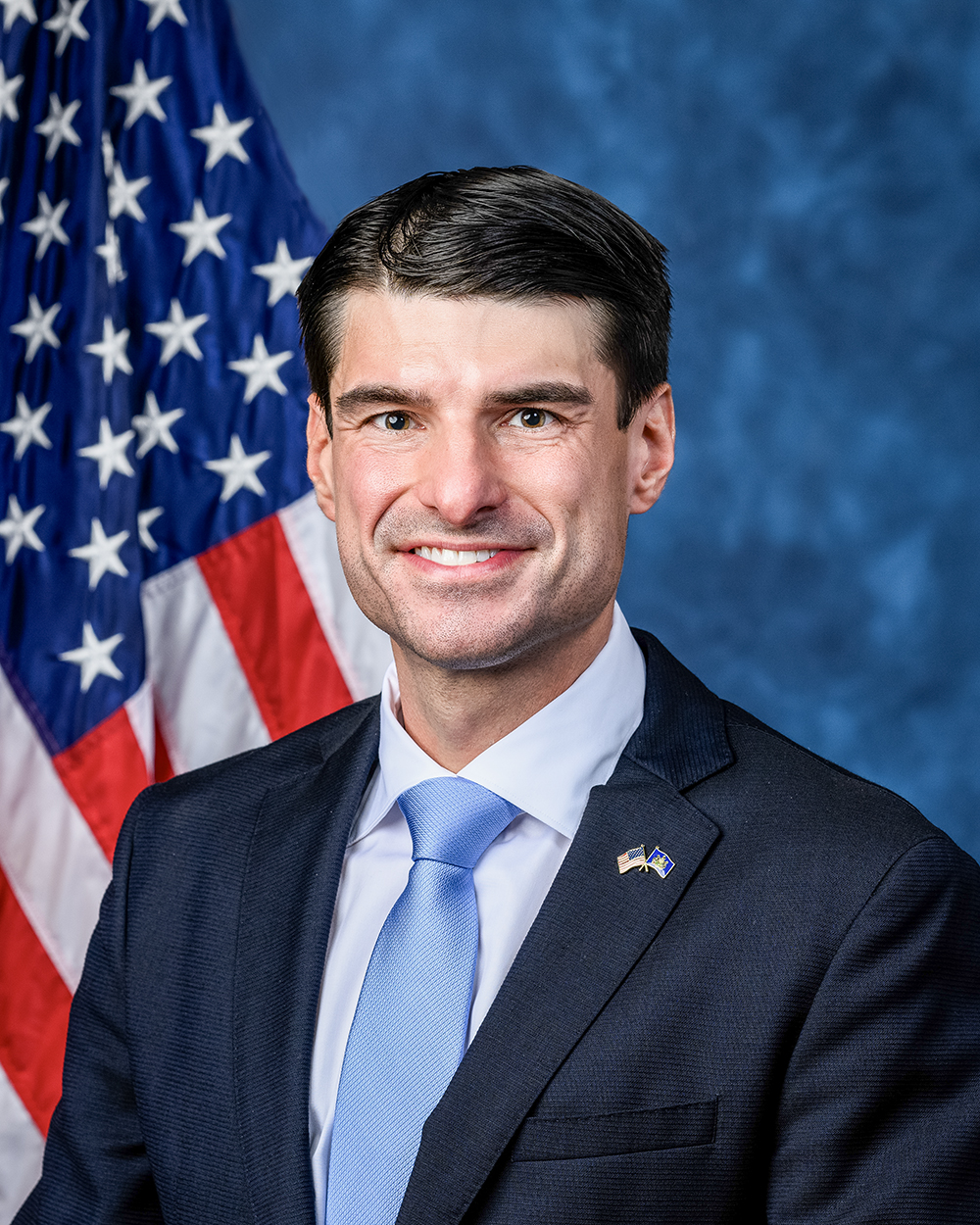
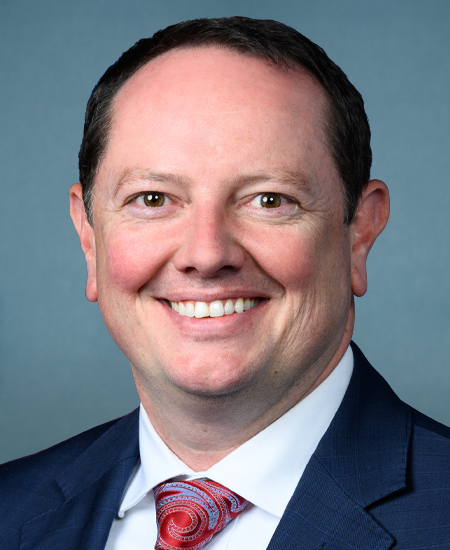
Robert P. Bresnahan, Jr.
Robert P. Bresnahan, Jr. House · District 8
R
Strong +
92% 197
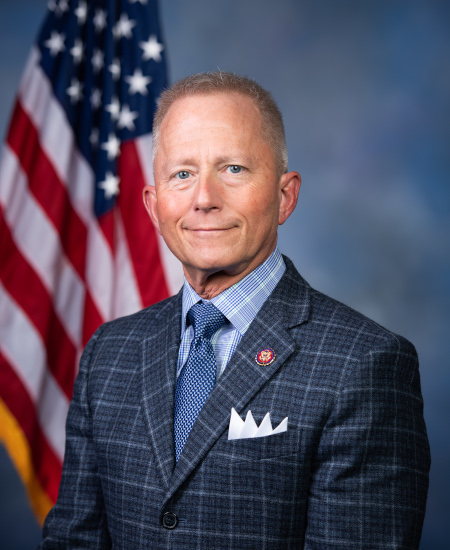
Jefferson Van Drew
Jefferson Van Drew House · District 2
R
Strong +
92% 197
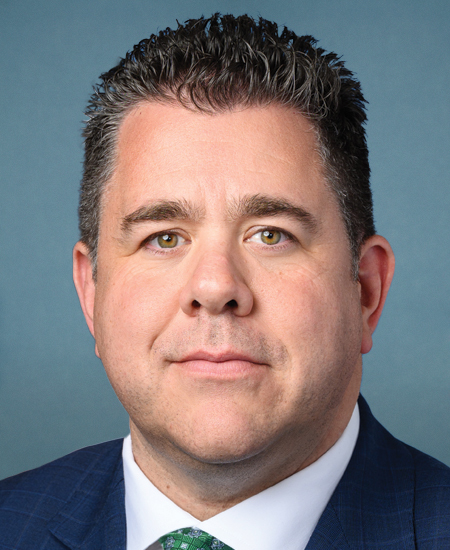
Nick LaLota
Nick LaLota House · District 1
R
Strong +
92% 195
Eric Burlison
Eric Burlison House · District 7
R
Oppose
31% 197
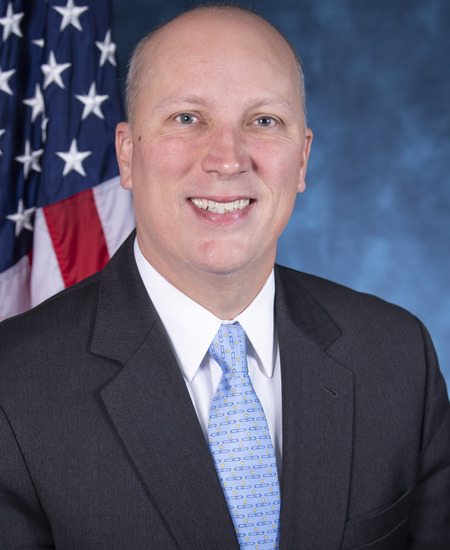
Chip Roy
Chip Roy House · District 21
R
Oppose
31% 190
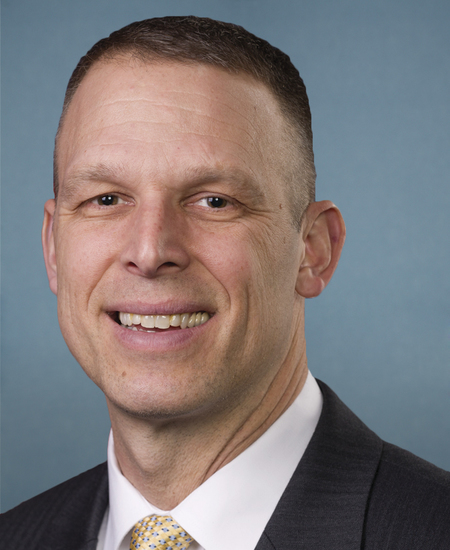
Scott Perry
Scott Perry House · District 10
R
Oppose
31% 194
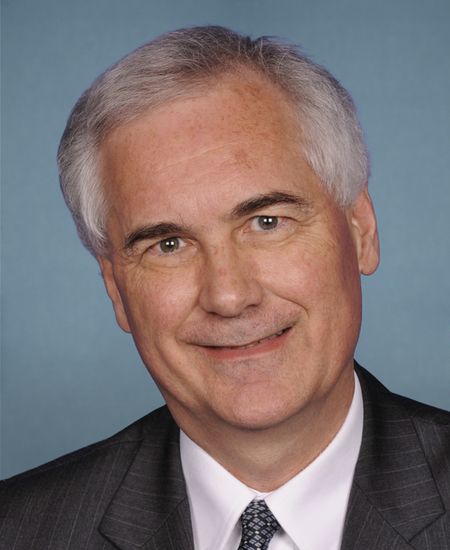
Tom McClintock
Tom McClintock House · District 5
R
Oppose
31% 190
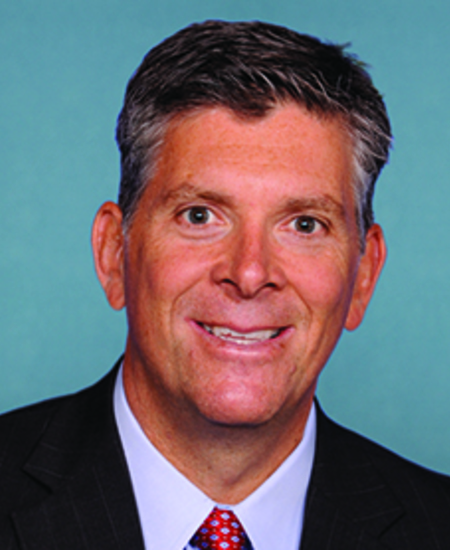
Darin LaHood
Darin LaHood House · District 16
R
Oppose
33% 175
Showing 21–30 of 1,399 bills

All labor & employment bills

in committee · United States · House Aug 10, 2026

HR 10077: Safety Starts at the Top Act of 2026

The Safety Starts at the Top Act of 2026 amends federal aviation regulations to impose new board composition requirements on large aircraft manufacturers that hold Operational Design Authority (ODA) from the Federal Aviation Administration. Specifically, entities with annual gross revenues exceeding $15 billion must certify annually that their boards include two representatives from labor organizations involved in aircraft design and manufacturing, as well as two members with proven experience in aerospace safety. The bill mandates that the FAA rescind ODA delegations for any existing entity that fails to meet these new qualifications within 90 days of enactment.
in committee · United States · House Aug 6, 2026

HR 10056: Nurse Overtime and Patient Safety Act of 2026

The Nurse Overtime and Patient Safety Act of 2026 prohibits healthcare providers from requiring registered, licensed practical, or licensed vocational nurses to work mandatory overtime beyond a previously scheduled shift, 48 hours in a week, or 12 consecutive hours. The bill allows exceptions during declared emergencies or disasters but requires that alternative staffing measures be attempted first and that the extended work does not extend past the end of the emergency response. Providers who violate these limits face civil money penalties of up to $10,000 per violation, with harsher fines for repeated offenses, and are required to post nurse schedules and rights notices in visible locations. Additionally, the legislation protects nurses from retaliation if they refuse mandatory overtime or report violations, while mandating that the Department of Health and Human Services study safe working hour standards and the Office of Management and Budget review practices in federally operated medical facilities.
in committee · United States · Senate Aug 5, 2026

S 5270: Medicare at Home Act

The Medicare at Home Act would add a new benefit to Medicare Part B that covers up to 20 hours per week of in-home personal care for beneficiaries who require assistance with daily living activities. To qualify, individuals must be certified by a physician as needing help with at least two basic or instrumental tasks, such as bathing, dressing, or meal preparation. The bill mandates that payment rates for these services reflect a reasonable wage floor for home care workers and requires the Centers for Medicare & Medicaid Services to adjust monthly premiums to cover the cost of the new benefit. Implementation is scheduled to begin more than two years after enactment, following the development of regulations regarding worker qualifications and agency enrollment.
in committee · United States · Senate Aug 6, 2026

S 5310: Robotics Supply Chain Improvement Act

The Robotics Supply Chain Improvement Act directs the National Institute of Standards and Technology to identify barriers to data sharing for artificial intelligence and robotics development, while also coordinating with industry to establish standards for emerging technologies like humanoid robots. The bill requires NIST to work with the Departments of Education and Labor to create training curricula that upskill workers for the robotics sector. Additionally, it mandates that NASA prioritize licensing its robotics-related patents and technologies to the private sector to support the domestic industrial base. Finally, the Secretary of Commerce is required to submit annual reports to Congress for five years detailing the rate of robotics adoption across various industries and geographic locations in the United States.
in committee · United States · Senate Aug 5, 2026

S 5264: Bus Operator Safety and Security Act

The Bus Operator Safety and Security Act requires that new fixed route buses purchased with specific federal funds be equipped with protective barriers separating the driver's area from passengers. This mandate applies to buses at least 30 feet long with a useful life of 10 years or more, excluding those funded under section 5311. The required barrier must extend from the floor to the ceiling and fully enclose the workstation to prevent unauthorized entry by people, fluids, or objects while maintaining the driver's line of sight. This requirement takes effect two years after enactment, unless a labor organization representing the majority of frontline workers agrees to waive it for that specific purchase.
Sub-Topics Public Transit
in committee · United States · Senate Aug 5, 2026

S 5248: Early Childhood Educator Professional Improvement Act of 2026

The Early Childhood Educator Professional Improvement Act of 2026 authorizes the Secretary of Health and Human Services to award five-year grants to states to enhance the qualifications, pay, and professional development of early childhood educators. To receive funding, states must submit a comprehensive plan that includes establishing educator standards, creating career progression pathways, and coordinating with higher education institutions to offer accessible degree programs. Grant funds are specifically designated for providing scholarships, supporting credential attainment, increasing compensation for educators pursuing degrees, and offering ongoing training in areas such as cultural competence and child development. The legislation requires that these federal funds supplement rather than replace existing state or local resources, and states must maintain their own financial commitment to early childhood education at a level equal to or greater than the previous year.
in committee · United States · Senate Aug 5, 2026

S 5268: Double the Wage for Overtime Act of 2026

The Double the Wage for Overtime Act of 2026 amends the Fair Labor Standards Act to increase the mandatory overtime pay rate from one and a half times an employee's regular wage to two times their regular wage. This change directly affects non-exempt workers who are currently entitled to premium pay for hours worked beyond their standard schedule. The bill updates multiple sections of the existing labor law to reflect this new multiplier, ensuring consistent application across various employment categories covered by the act. These provisions would take effect 180 days after the date of enactment.
in committee · United States · Senate Aug 6, 2026

S 5304: Fairness for Farm Workers Act

The Fairness for Farm Workers Act amends the Fair Labor Standards Act to extend overtime protections to agricultural workers, who are currently largely exempt from these requirements. The bill establishes a phased schedule requiring employers to pay farm workers time-and-a-half for hours worked beyond a threshold that decreases from 55 hours per week in 2027 to the standard 40 hours by 2030. Small farms with 25 or fewer employees are granted an additional three-year grace period, reaching full compliance by 2033. Additionally, the legislation removes several existing exemptions that allow agricultural employers to bypass federal wage and hour standards, ensuring broader coverage for workers in the sector.
Sub-Topics Child Labor Labor Standards Minimum Wage Tags Agriculture
in committee · United States · Senate Aug 6, 2026

S 5303: Supporting Our Farm and Food System Workforce Act

The Supporting Our Farm and Food System Workforce Act establishes a new Office of the Farm and Food System Workforce within the U.S. Department of Agriculture to improve access to federal programs for workers involved in food production, processing, and related services. This office will be led by a Coordinator who works with an Advisory Committee composed of farmworkers, labor unions, civil rights representatives, and nonprofit organizations to ensure worker perspectives are integrated into departmental policies. Additionally, the bill creates an Interagency Council that includes representatives from ten other federal departments to coordinate cross-agency efforts addressing worker safety, health, and economic opportunities. The legislation mandates annual reports to Congress in multiple languages and authorizes appropriations for these new initiatives through fiscal year 2031.
in committee · United States · House Aug 10, 2026

HR 10070: Border Patrol Overtime Parity Act

The Border Patrol Overtime Parity Act amends federal law to expand eligibility for special overtime pay rates for U.S. Border Patrol agents. Currently, these higher pay rates are restricted to agents occupying positions at the GS-12 grade level or above. By removing this specific grade requirement from the statute, the bill allows agents in lower-grade positions to qualify for the same overtime compensation. This change directly affects Border Patrol officers by broadening the group of employees who can receive additional pay for working beyond standard hours.
Sub-Topics Labor Standards
Showing 21 to 30 of 1,399 bills
Previous 1 2 3 4 140 Next