Issue · Labor & Employment

Labor & Employment (Labor Standards)

Every labor & employment bill, vote, and legislator stance in United States, automatically classified by Maddy, our AI policy reader.

Total bills
295
119th Congress
Top supporter
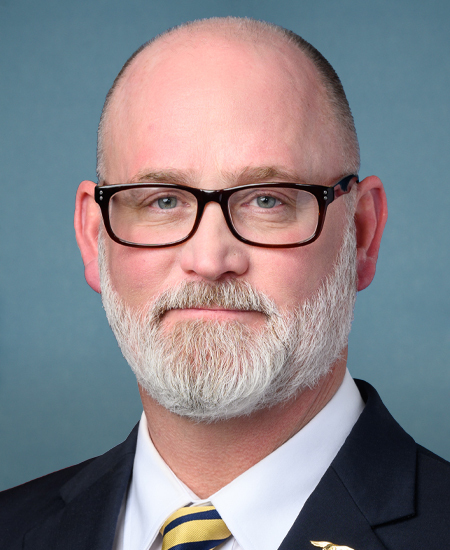
Derrick Van Orden
100% support rate
Top opponent
Julie Fedorchak
33% support rate
Ranked legislators
10
5 support · 5 oppose
Key legislators

Who's moving labor standards in United States

Legislators moving labor standards in United States
Legislator Party Stance Support rate Votes
Derrick Van Orden
Derrick Van Orden House · District 3
R
Strong +
100% 3
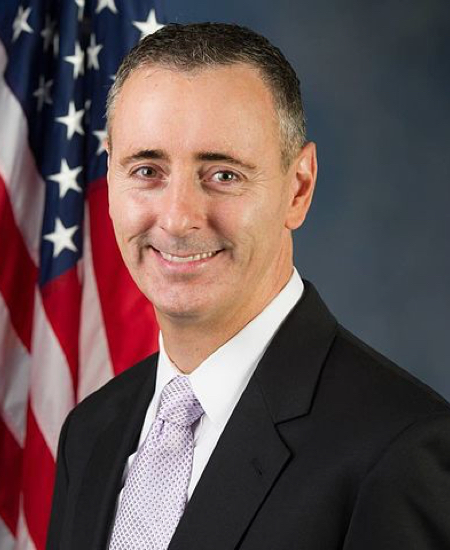
Brian K. Fitzpatrick
Brian K. Fitzpatrick House · District 1
R
Strong +
86% 7
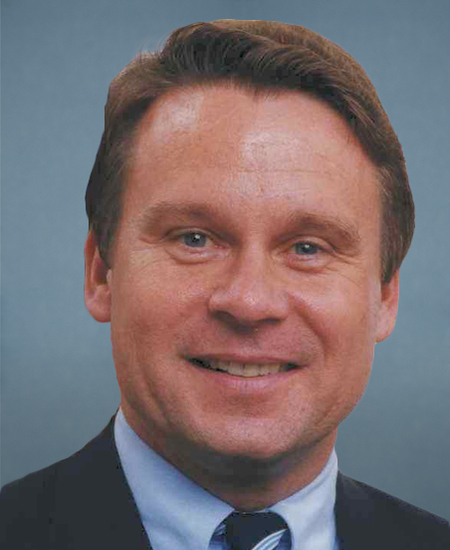
Christopher H. Smith
Christopher H. Smith House · District 4
R
Strong +
86% 7
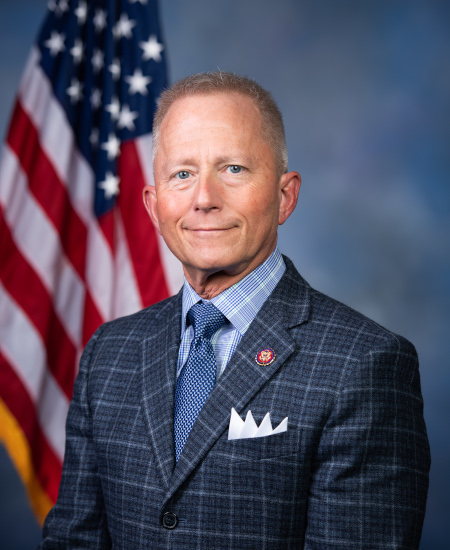
Jefferson Van Drew
Jefferson Van Drew House · District 2
R
Strong +
86% 7
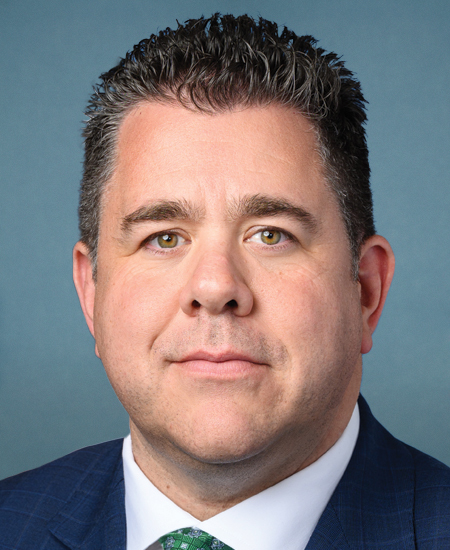
Nick LaLota
Nick LaLota House · District 1
R
Strong +
86% 7
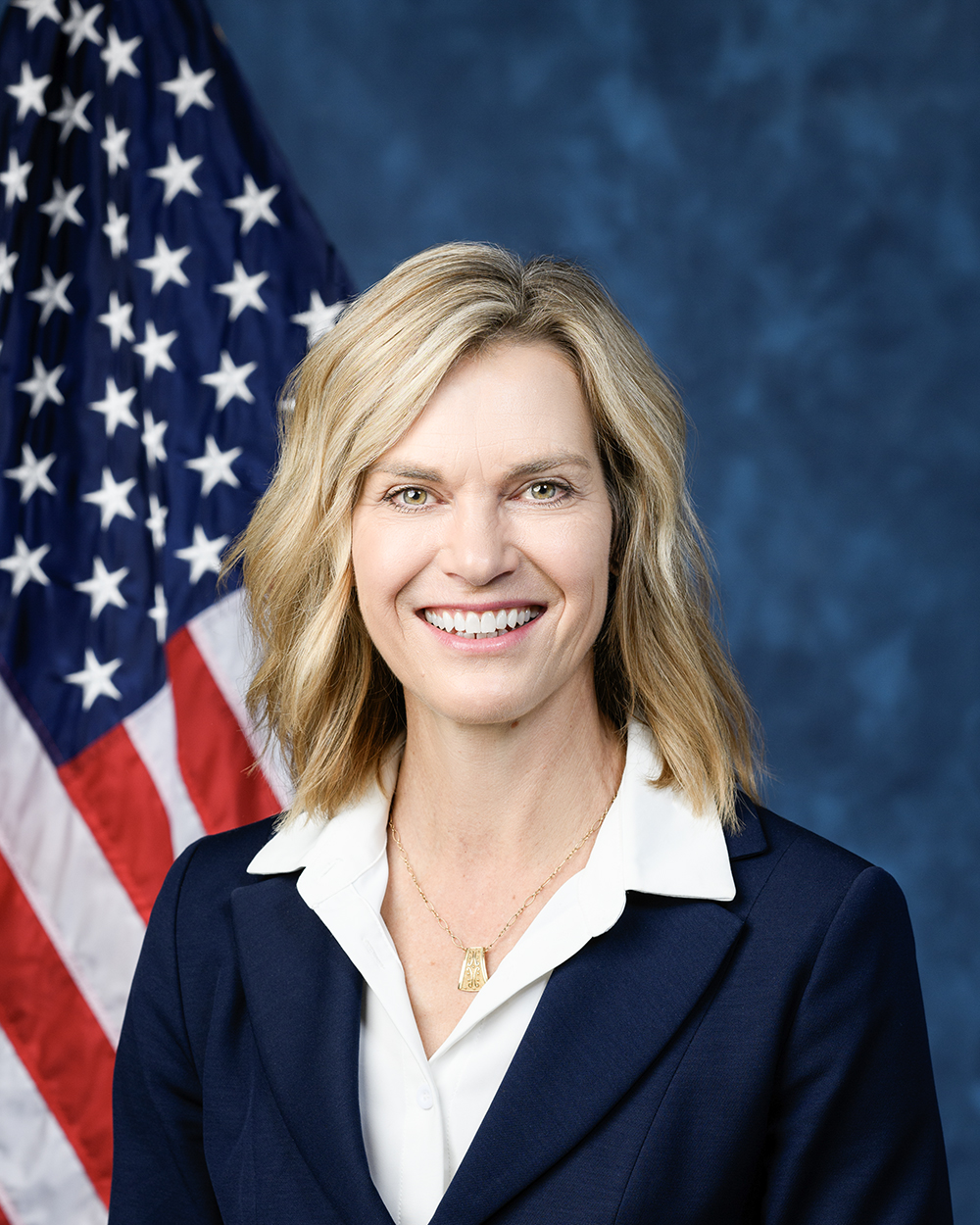
Julie Fedorchak
Julie Fedorchak House · District At-Large
R
Oppose
33% 6
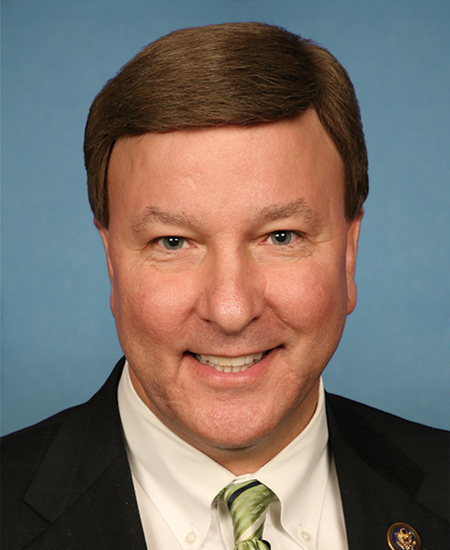
Mike Rogers
Mike Rogers House · District 3
R
Oppose
33% 6
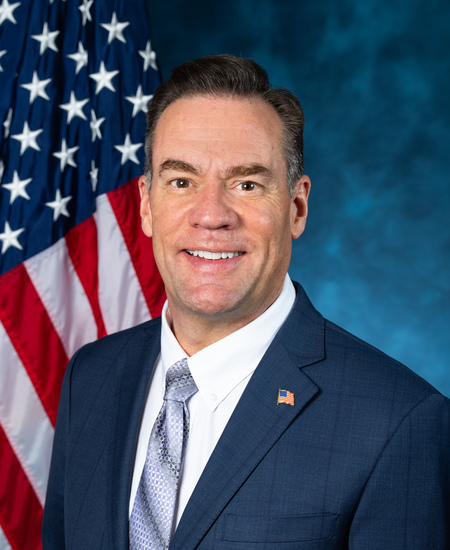
Russ Fulcher
Russ Fulcher House · District 1
R
Oppose
33% 6
Gregory F. Murphy
Gregory F. Murphy House · District 3
R
Oppose
33% 3
Wesley Hunt
Wesley Hunt House · District 38
R
Oppose
33% 3
Showing 191–200 of 295 bills

All labor & employment bills

in committee · United States · House Feb 26, 2025

HR 1624: Supporting Farm Operations Act of 2025

This bill freezes the minimum wage rate for H-2A agricultural workers at the level effective in each state on December 31, 2023, through December 31, 2026. It directly affects farms hiring H-2A visa workers and the workers themselves by maintaining current wage requirements. The bill clarifies that wage determination for these workers will use a "primary duties evaluation" to assess their main job tasks, rather than all duties performed. This provides stability in wage calculations for agricultural employers and workers during the specified period.
in committee · United States · Senate Sep 9, 2025

S 2738: ESP, Paraprofessional, and Education Support Staff Family Leave Act

This bill expands eligibility for family and medical leave under the FMLA for paraprofessionals and education support staff (ESP) in schools. It lowers the required work hours for eligibility from 1,250 hours per year to 60% of the expected monthly hours for their specific role (based on the previous school year’s schedule). Employers must document each employee’s expected monthly hours in a file for the Secretary’s review. The law specifically covers school staff providing services like clerical work, food services, custodial duties, or student health support, aligning with existing definitions from education law.
in committee · United States · Senate Apr 7, 2025

S 1313: No Union Time on the Taxpayer's Dime Act

This bill eliminates "official time" for federal employees, meaning they can no longer use regular work hours to perform union-related activities. It directly affects federal workers who are union members, requiring them to handle union business during non-duty time instead of paid work hours. The key provision amends Title 5 of the U.S. Code to change the rule governing union activities during work time. This is a procedural change to federal employment law, not a new policy affecting the public or specific industries.
in committee · United States · House Apr 8, 2025

HR 2743: Raise the Wage Act of 2025

The Raise the Wage Act of 2025 gradually increases the federal minimum wage from $9.50 to $17.00 per hour over six years, with annual adjustments based on median wage growth. It raises the base wage for tipped workers from $6.00 to $17.00 per hour, phasing out their separate minimum wage structure by 2029. The bill also eliminates special minimum wage certificates for disabled workers after 2029, requiring employers to pay the standard minimum wage. These changes apply to most covered workers, including tipped employees and those under 20, with specific transition timelines for each group.
in committee · United States · House Oct 31, 2025

HR 5884: TASK Act

HR 5884, the TASK Act, amends the Fair Labor Standards Act to exclude certain vocational students from being classified as "employees." It specifically exempts students performing work required by their postsecondary vocational program to earn a recognized credential (as defined by federal education law) from FLSA protections like minimum wage. This means schools can assign these training tasks without paying students the federal minimum wage. The bill directly affects students in structured vocational programs at colleges or institutions covered under the Higher Education Act.
in committee · United States · Senate Sep 16, 2025

S 2818: Tax Excessive CEO Pay Act of 2025

S 2818, the Tax Excessive CEO Pay Act of 2025, imposes a corporate tax penalty on large U.S. corporations with a CEO-to-worker pay ratio exceeding 50:1. The penalty increases the standard 21% corporate tax rate by 0.5% to 5% based on how high the ratio climbs (e.g., 0.5% for 50-100:1, up to 5% for ratios over 500:1). It directly affects corporations with average annual gross receipts over $100 million, requiring them to calculate a 5-year average pay ratio using SEC-mandated methodology. Smaller companies with under $100 million in average revenue are exempt from reporting requirements. The law takes effect for taxable years beginning after December 31, 2025, with regulations to prevent avoidance tactics like shifting to contractor labor.
in committee · United States · House Feb 12, 2026

HR 7524: Older Workers’ Bureau Act

HR 7524, the Older Workers’ Bureau Act, establishes a new bureau within the Department of Labor to address workplace challenges for older workers. The bureau will conduct research on issues like age discrimination, wage disparities, retirement readiness, and access to workplace flexibility for workers aged 55 and older, and administer grant programs to combat structural ageism and improve employment opportunities. It requires annual reports on federal programs supporting older workers and prioritizes grants for organizations serving disadvantaged older workers in areas lacking targeted training. The act authorizes $10 million annually for these research and grant activities starting in fiscal year 2028. This directly affects older workers (55+) and organizations providing services to them, focusing on concrete policy research and program coordination.
in committee · United States · House Feb 12, 2025

HR 1232: National Right-to-Work Act

HR 1232, the National Right-to-Work Act, would make union membership voluntary for workers in most private-sector jobs by removing legal requirements for employees to join a union or pay dues as a condition of employment. It directly affects workers in unionized workplaces covered by the National Labor Relations Act (including most private employers) and railroad workers covered by the Railway Labor Act. The key change eliminates provisions that allowed "union security agreements" (requiring dues or membership), meaning workers could no longer be forced to pay union fees to keep their jobs. This bill does not change other labor rights or create new programs - it only modifies existing laws to allow workers to opt out of union membership and financial obligations.
in committee · United States · House Nov 17, 2025

HR 6014: Right to Representation for Department of Veterans Affairs Workers Act of 2025

HR 6014, the Right to Representation for Department of Veterans Affairs Workers Act of 2025, gives most VA employees the right to have a chosen representative present during examinations that could lead to disciplinary action. This applies to non-exempt VA workers (excluding senior executives, certain appointed staff, and political appointees) and requires the VA to allow representation during work hours if requested. The bill inserts a new section into VA employment law, mandating that employees be informed of this right and permitting representation at any examination where disciplinary action might result. It directly affects VA employees facing potential disciplinary proceedings, ensuring they can have support during these reviews.
Sub-Topics Labor Standards
in committee · United States · Senate Nov 5, 2025

S 3111: Small Businesses before Bureaucrats Act

The Small Businesses before Bureaucrats Act raises the dollar threshold that determines when the National Labor Relations Board (NLRB) declines jurisdiction over labor disputes involving small businesses. Starting in 2026, the threshold will be set at 10 times the current threshold, and for future years, it will adjust annually using the Personal Consumption Expenditure Per Capita Index to account for inflation. This change means more small businesses will fall below the threshold and avoid NLRB oversight for labor disputes, directly affecting small business owners and the NLRB's jurisdictional decisions. The bill takes effect on or after January 1, 2026, or the bill's enactment date, whichever is later.
Sub-Topics Collective Bargaining Gig Economy Labor Standards Tags Small Business
Showing 191 to 200 of 295 bills
Previous 1 19 20 21 30 Next