

Issue · Labor & Employment
Labor & Employment (Child Labor)
Every labor & employment bill, vote, and legislator stance in United States, automatically classified by Maddy, our AI policy reader.
Total bills
71
119th Congress
Top supporter
Brian K. Fitzpatrick
100% support rate
Top opponent
Adam Gray
33% support rate
Ranked legislators
10
5 support · 5 oppose
Key legislators
Who's moving child labor in United States
| Legislator | Party | Stance | Support rate | Votes |
|---|---|---|---|---|

Brian K. Fitzpatrick
House · District 1
|
R |
Strong +
|
100% | 3 |

Christopher H. Smith
House · District 4
|
R |
Strong +
|
100% | 3 |
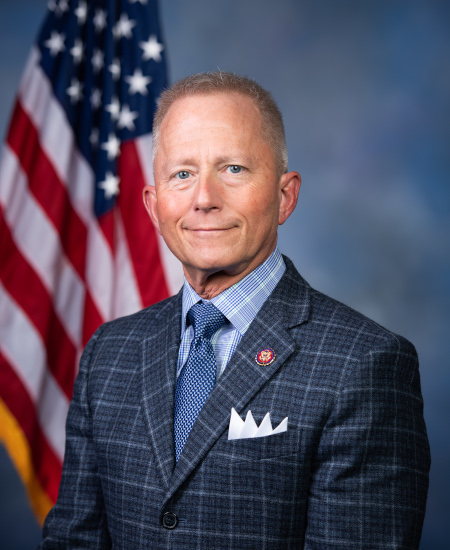
Jefferson Van Drew
House · District 2
|
R |
Strong +
|
100% | 3 |
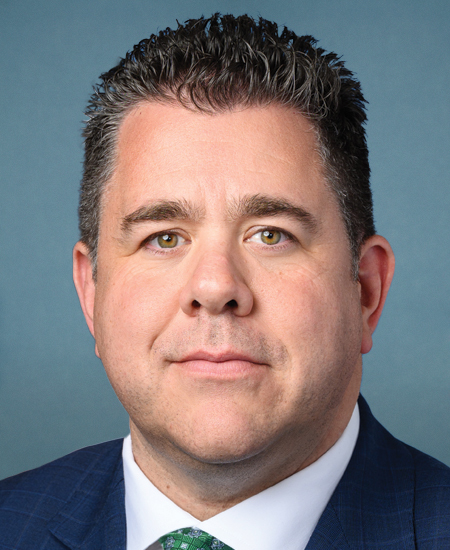
Nick LaLota
House · District 1
|
R |
Strong +
|
100% | 3 |

Riley M. Moore
House · District 2
|
R |
Strong +
|
100% | 3 |

Adam Gray
House · District 13
|
D |
Oppose
|
33% | 3 |
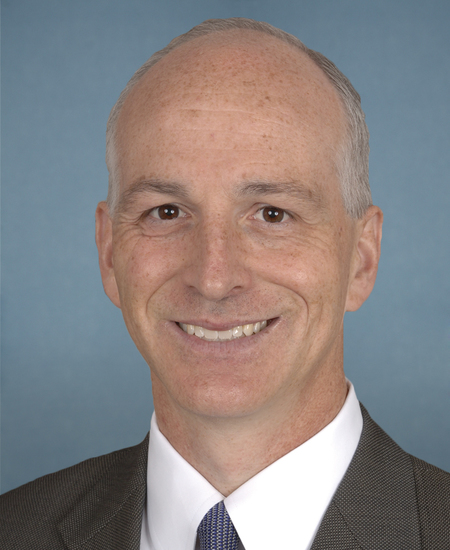
Adam Smith
House · District 9
|
D |
Oppose
|
33% | 3 |

Adelita S. Grijalva
House · District 7
|
D |
Oppose
|
33% | 3 |
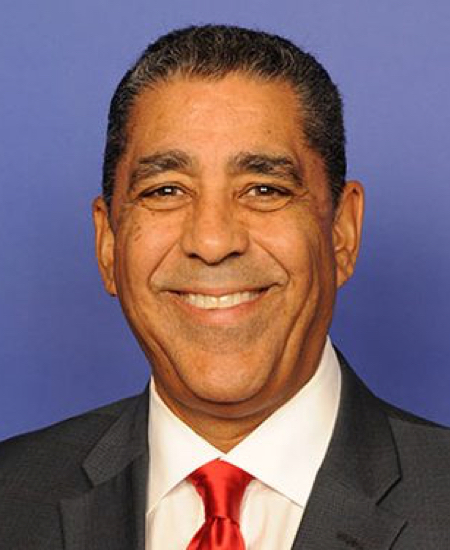
Adriano Espaillat
House · District 13
|
D |
Oppose
|
33% | 3 |
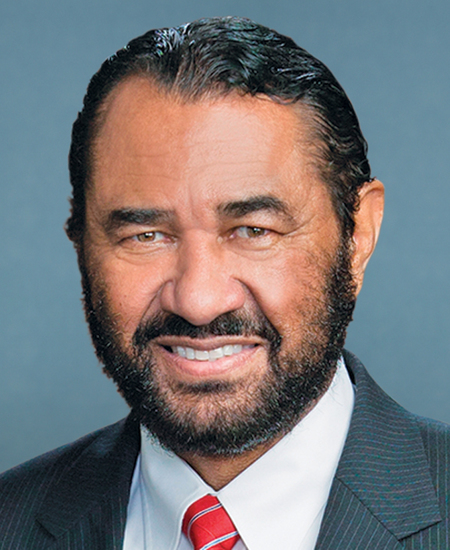
Al Green
House · District 9
|
D |
Oppose
|
33% | 3 |
Showing 11–20 of 71
bills
All labor & employment bills
S 1965: Protect Vulnerable Immigrant Youth Act
Topics
✓ ImmigrationSupports ImmigrationRemoves visa caps for vulnerable immigrant youth, eliminating barriers to employment-based visas under new category 'J'.
✓ Labor & EmploymentSupports Labor & EmploymentBill removes visa caps for vulnerable immigrant youth, enabling them to access employment-based visas and work legally in the U.S., thereby expanding employment opportunities and protecting worker rights.
HJRES 23: Disapproving of the rule submitted by the Department of Homeland Security relating to "Increase of the Automatic Extension Period of Employment Authorization and Documentation for Certain Employment Authorization Document Renewal Applicants".
Topics
✗ ImmigrationOpposes ImmigrationBill disapproves DHS rule extending work authorization for immigrants during permit renewal, restricting their ability to work while waiting for renewal approval.
✗ Labor & EmploymentOpposes Labor & EmploymentBill cancels DHS rule extending work authorization renewal periods, restricting workers' ability to maintain employment during document renewal.
HR 8023: To amend the Internal Revenue Code of 1986 to provide a credit for increasing wages paid to child care providers.
Topics
✓ Budget & TaxesSupports Budget & TaxesBill creates a tax credit for employers increasing child care wages, directly advancing tax policy and supporting workforce development funding.
✓ Labor & EmploymentSupports Labor & EmploymentBill provides tax credit to increase wages for child care workers, directly supporting labor standards and worker compensation.
HR 4718: Helping Young Americans Save for Retirement Act
HR 6221: Fostering the Future for American Children and Families Act
Topics
✓ EducationSupports EducationBill establishes grants for job training and apprenticeships in schools, expanding educational access and student programs for foster youth.
✓ Labor & EmploymentSupports Labor & EmploymentFunds job training grants for foster youth in high-demand fields, directly advancing workforce development and employment opportunities per bill's $50M annual program.
✓ TechnologySupports TechnologyBill includes IT as a high-demand field for training grants, indirectly supporting technology workforce development
Sub-Topics
Career & Technical Education
Apprenticeships
Child Labor
Workforce Development
Tags
Children
HR 5563: DRIVE-SAFE Act
Topics
✓ Labor & EmploymentSupports Labor & EmploymentMandates safety-focused training and collision mitigation systems, directly improving workplace safety standards for commercial drivers under age 21.
✓ TransportationSupports TransportationCreates mandatory safety-focused driver training for commercial vehicles, enhancing road safety standards through structured apprenticeship requirements.
HR 7343: Foster Youth Workforce Opportunity Act
Topics
✓ EducationSupports EducationExpands educational access for foster youth via funding for apprenticeships, GED, and remedial education, lowering eligibility age to 14 and extending program duration.
✓ Labor & EmploymentSupports Labor & EmploymentExpands job training and education access for foster youth transitioning to workforce, directly supporting employment readiness and workforce development programs.
S 1707: Helping Young Americans Save for Retirement Act
S 2241: Enhancing Detection of Human Trafficking Act
Topics
✓ Criminal JusticeSupports Criminal JusticeBill trains Labor employees to identify human trafficking victims and refer to DOJ, enhancing detection and victim protection within criminal justice system.
✓ Labor & EmploymentSupports Labor & EmploymentTrains Labor Department staff to identify human trafficking victims, strengthening worker protection against exploitation in labor contexts