Issue · Labor & Employment

Labor & Employment

Every labor & employment bill, vote, and legislator stance in United States, automatically classified by Maddy, our AI policy reader.

Total bills
144
119th Congress
Top supporter
Raphael G. Warnock
100% support rate
Top opponent
Eric Burlison
31% support rate
Ranked legislators
10
5 support · 5 oppose
Key legislators

Who's moving labor & employment in United States

Legislators moving labor & employment in United States
Legislator Party Stance Support rate Votes
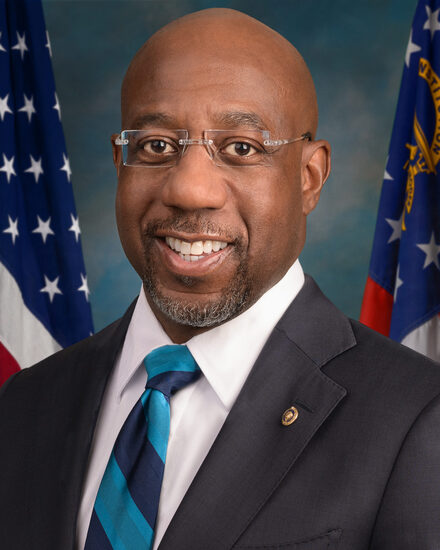
Raphael G. Warnock
Raphael G. Warnock Senate
D
Strong +
100% 211
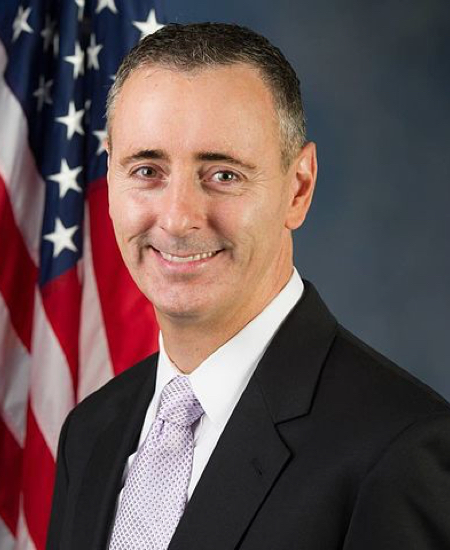
Brian K. Fitzpatrick
Brian K. Fitzpatrick House · District 1
R
Strong +
92% 194
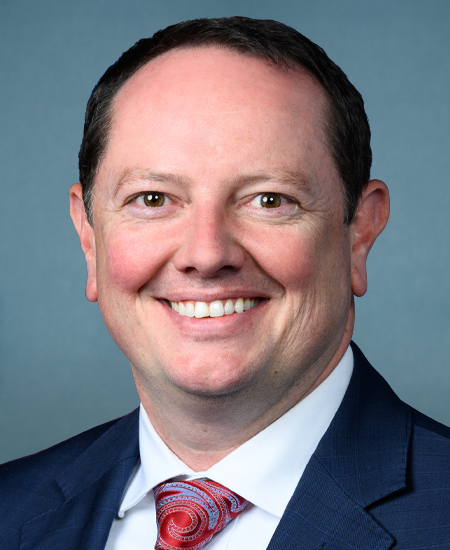
Robert P. Bresnahan, Jr.
Robert P. Bresnahan, Jr. House · District 8
R
Strong +
92% 197
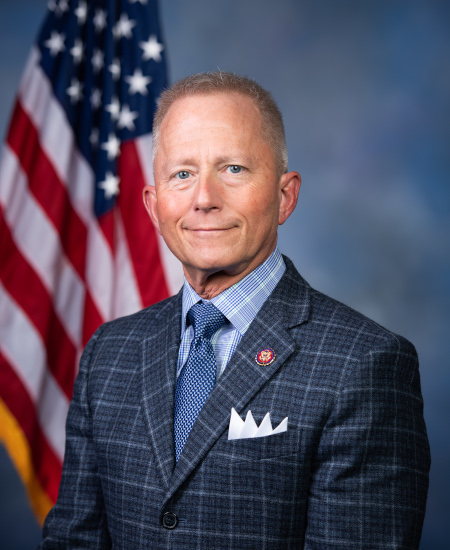
Jefferson Van Drew
Jefferson Van Drew House · District 2
R
Strong +
92% 197
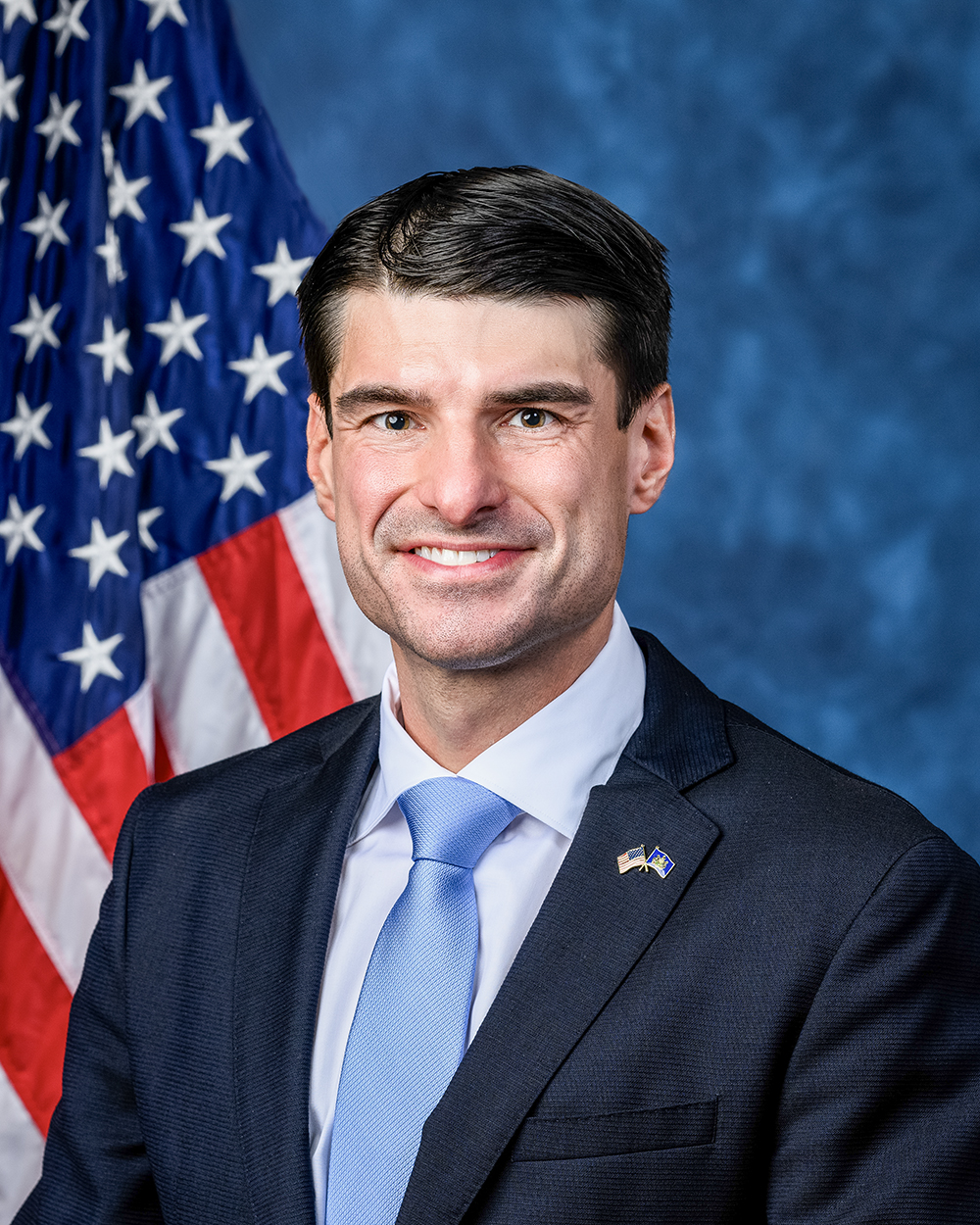
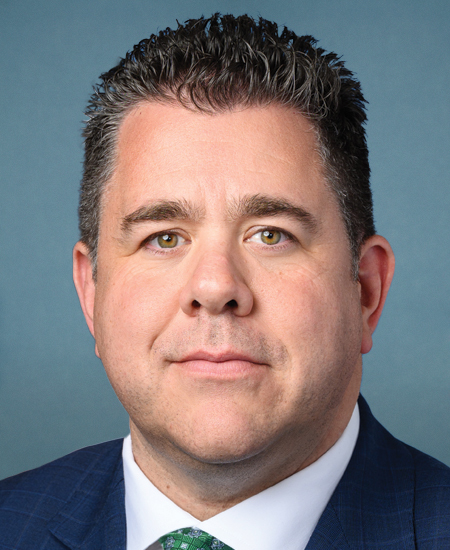
Nick LaLota
Nick LaLota House · District 1
R
Strong +
92% 195
Eric Burlison
Eric Burlison House · District 7
R
Oppose
31% 197
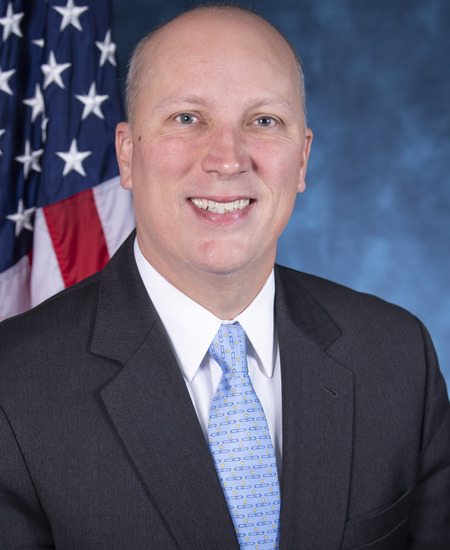
Chip Roy
Chip Roy House · District 21
R
Oppose
31% 190
Scott Perry
Scott Perry House · District 10
R
Oppose
31% 194
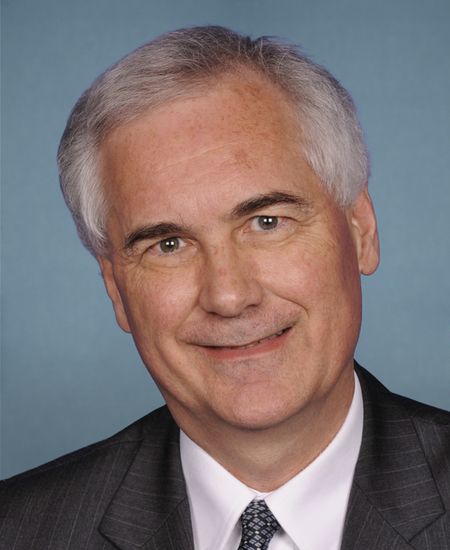
Tom McClintock
Tom McClintock House · District 5
R
Oppose
31% 190
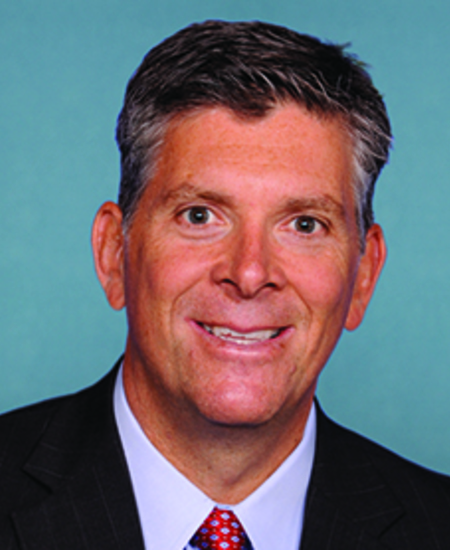
Darin LaHood
Darin LaHood House · District 16
R
Oppose
33% 175
Showing 11–20 of 144 bills

All labor & employment bills

in committee · United States · House May 19, 2026

HR 8901: Securing Innovation and Research from Adversaries Act

HR 8901, the Securing Innovation and Research from Adversaries Act, prohibits federally funded researchers and institutions from collaborating with entities on specific U.S. government restricted lists, such as those related to national security risks or forced labor. The bill defines research collaboration broadly to include joint projects, data sharing, co-authorship, and personnel exchanges, and it requires agencies to issue guidance for standardized compliance. While the law generally bans these partnerships, it allows federal agency heads to grant case-by-case waivers if the collaboration is essential for national security or critical scientific purposes, provided they report the decision and justification to Congress within 30 days.
in committee · United States · House May 21, 2026

HR 8736: Restoration of Employment Choice for Adults with Disabilities Act

This bill modifies federal rules to allow adults with disabilities aged 18 and older to work for employers at wages below the standard minimum rate, whereas the previous law restricted this option to individuals under 24. It requires these employers to make documented efforts to find suitable jobs for their employees at regular intervals and permits the use of subminimum wages only if state agencies fail to provide necessary job counseling and referrals. Additionally, the bill mandates that employers must provide copies of these job search records to the individuals they employ. These changes aim to expand employment opportunities for adults with disabilities while maintaining specific oversight to ensure they are not denied access to regular competitive employment.
Sub-Topics Child Labor Labor Standards Minimum Wage Tags People with Disabilities
in committee · United States · Senate Apr 29, 2026

S 4427: Heat Workforce Standards Act of 2026

The Heat Workforce Standards Act of 2026 prevents the Occupational Safety and Health Administration from finalizing or enforcing a specific proposed rule regarding heat injury prevention in workplaces. This legislation directly affects the Department of Labor and businesses by blocking the implementation of detailed requirements such as mandatory rest breaks and written safety plans. The bill argues that these specific rules are too burdensome and fail to account for unique industry and geographic conditions. By stopping this rule, the act leaves the proposed heat safety standards in a suspended state without changing existing regulations.
in committee · United States · House Apr 30, 2026

HR 8602: Davis-Bacon Repeal Act

The Davis-Bacon Repeal Act would eliminate federal wage requirements for construction projects funded by the U.S. government. Specifically, it repeals the section of the U.S. Code that mandates contractors pay workers no less than the prevailing local wage rates. The law includes a transition period, meaning it only applies to new contracts issued after 30 days and does not affect agreements already in progress or under active bidding. This change would directly impact federal construction projects by removing the obligation to adhere to specific minimum wage standards for laborers and mechanics.
Sub-Topics Minimum Wage
in committee · United States · Senate Apr 30, 2026

S 4452: Let Experienced Pilots Fly Act

This bill, known as the Let Experienced Pilots Fly Act, raises the mandatory retirement age for commercial airline pilots from 65 to 67 years old. It allows airlines to voluntarily choose to keep a stricter limit of 70 years, but once they make that choice, they cannot lower it later. The law also ensures that pilots aged 60 and older must hold a specific type of medical certificate and prevents them from facing stricter medical checks solely because of their age, unless the Federal Aviation Administration determines it is necessary for safety. Additionally, the bill requires that any changes to pilot contracts or benefit plans needed to comply with these new age rules must be agreed upon by both the airline and the pilots' union representatives.
in committee · United States · House Apr 29, 2026

HR 8587: Safeguarding Honest Speech Act of 2026

The Safeguarding Honest Speech Act of 2026 prohibits federal agencies from using taxpayer money to enforce rules that require employees or contractors to use a person's preferred pronouns if they conflict with that person's biological sex or to use names other than legal names. The bill defines sex strictly based on biological characteristics, such as the reproductive system used for fertilization, to determine these requirements. It also establishes a process where affected workers can file complaints, receive a formal response within 30 days, and sue their agency for violations if the response is unsatisfactory. If a worker wins a lawsuit, the court can order the agency to stop the practice, pay damages up to $100,000, and cover legal fees.
in committee · United States · Senate Apr 30, 2026

S 4477: Davis-Bacon Repeal Act

The Davis-Bacon Repeal Act would eliminate federal wage requirements that currently mandate contractors on government-funded construction projects pay workers at least the prevailing local wage rate. By repealing the relevant section of the U.S. Code, the bill removes the legal basis for these minimum wage standards on future contracts. The law includes a transition period that protects existing contracts and those with outstanding bids for 30 days after enactment, ensuring no immediate disruption to ongoing projects. This change would directly affect construction firms and workers involved in federally funded building work by removing the obligation to adhere to specific local wage floors.
in committee · United States · House Jan 21, 2026

HR 7169: UBER Act

The UBER Act establishes new federal requirements for ride-sharing and shared-transportation companies to receive government contracts. To qualify, every driver must be at least 21 years old, hold a valid license from a single state, pass a road test, and demonstrate sufficient English proficiency to communicate with the public and read traffic signs, with an exception for drivers who use American Sign Language. Companies that fail to certify that all their drivers meet these standards will be banned from federal contracts for five years.
in committee · United States · House Apr 14, 2026

HR 8272: To classify qualified locum tenens professionals and advanced care practitioners as independent contractors for the purposes of the Fair Labor Standards Act of 1938 and the National Labor Relations Act.

This bill classifies certain temporary healthcare professionals, including qualified locum tenens professionals and advanced care practitioners, as independent contractors. This classification applies specifically for the purposes of the Fair Labor Standards Act and the National Labor Relations Act. To qualify, these individuals must provide temporary physician or advanced care practitioner services for up to one continuous year at a single site, under a written contract acknowledging their independent contractor status. Eligible professionals include physicians, nurse practitioners, physician's assistants, and certified registered nurse anesthetists.
in committee · United States · House Apr 20, 2026

HR 8379: Freedom from Ideological Requirements in Employment Act

This bill, the Freedom from Ideological Requirements in Employment (FIRE) Act, prohibits the use of federal funds for certain diversity, equity, and inclusion (DEI) requirements and trainings for federal employees and job applicants. It prevents federal agencies from mandating DEI training or the endorsement of DEI principles as a condition for federal hiring or continued employment. The bill also bars the use of federal funds to develop or purchase training courses for the federal workforce related to DEI, critical theory, intersectionality, or assertions of group superiority or inferiority. It defines DEI for its purposes as practices asserting group superiority/inferiority or discussing systemic racism, but clarifies it does not apply to sexual harassment prevention training.
Showing 11 to 20 of 144 bills