

Issue · Labor & Employment
Labor & Employment
Every labor & employment bill, vote, and legislator stance in United States, automatically classified by Maddy, our AI policy reader.
Total bills
144
119th Congress
Top supporter
Raphael G. Warnock
100% support rate
Top opponent
Eric Burlison
31% support rate
Ranked legislators
10
5 support · 5 oppose
Key legislators
Who's moving labor & employment in United States
| Legislator | Party | Stance | Support rate | Votes |
|---|---|---|---|---|
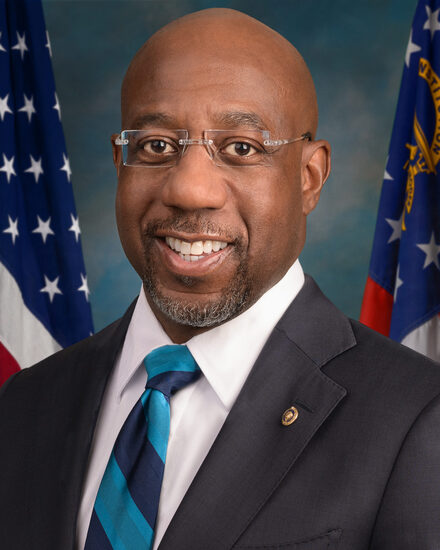
Raphael G. Warnock
Senate
|
D |
Strong +
|
100% | 211 |
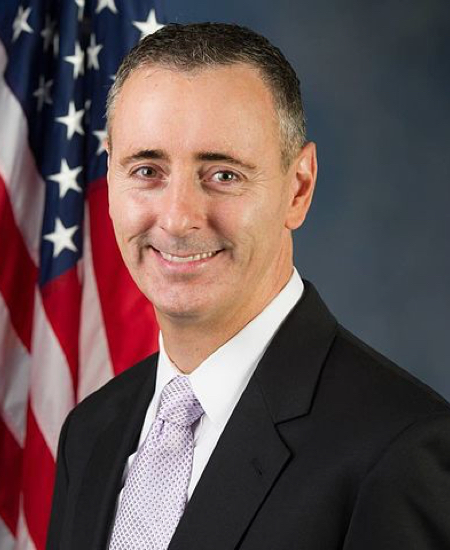
Brian K. Fitzpatrick
House · District 1
|
R |
Strong +
|
92% | 194 |
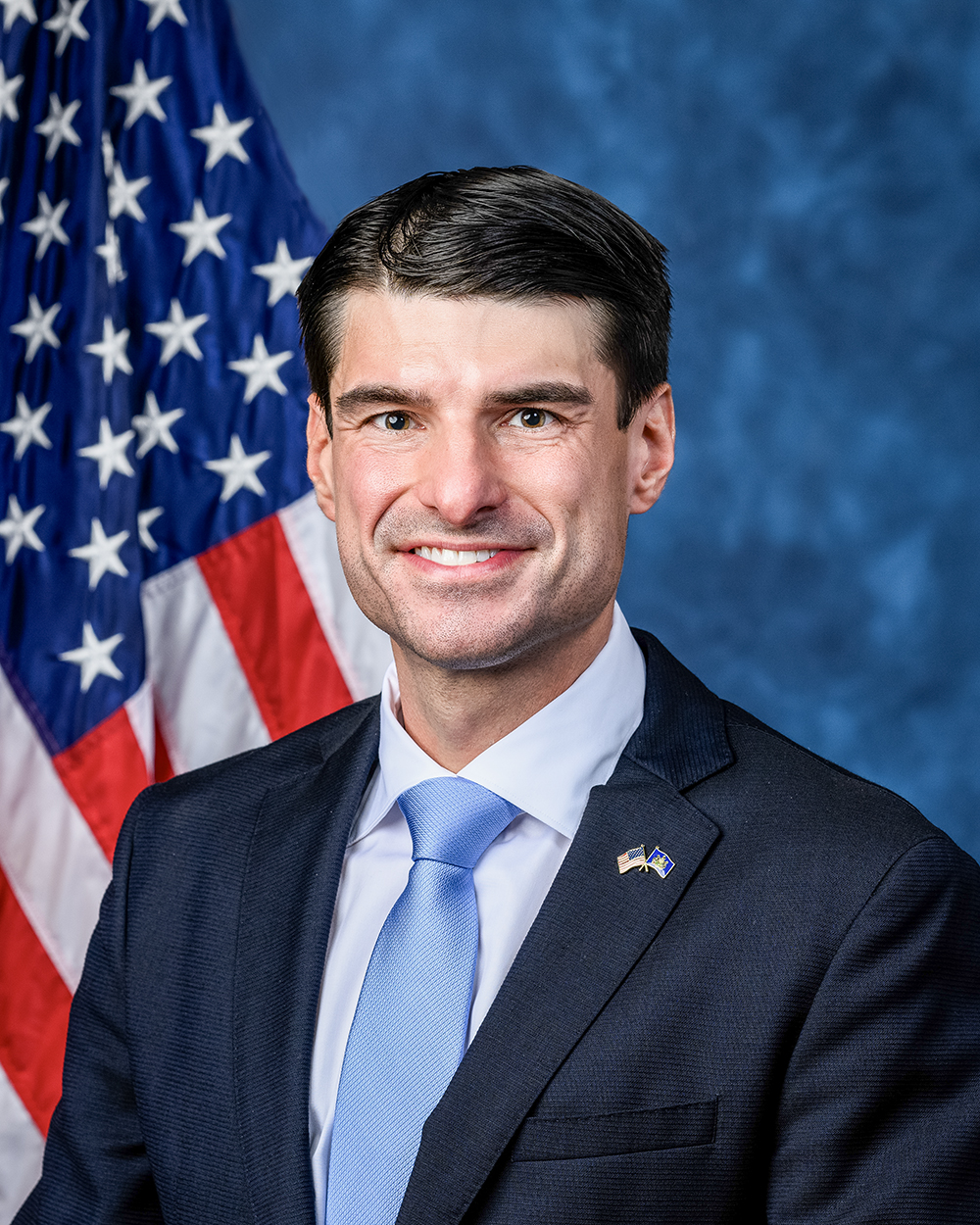
Robert P. Bresnahan, Jr.
House · District 8
|
R |
Strong +
|
92% | 197 |
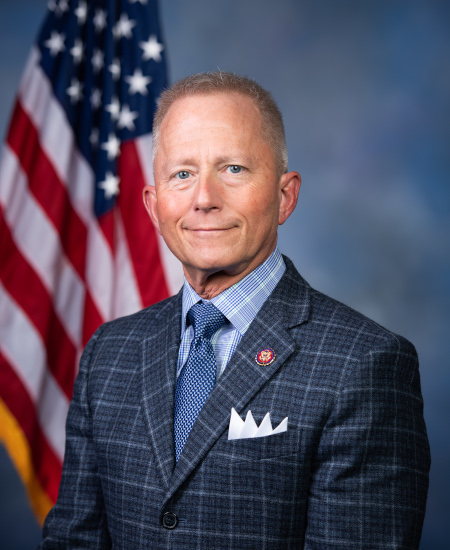
Jefferson Van Drew
House · District 2
|
R |
Strong +
|
92% | 197 |
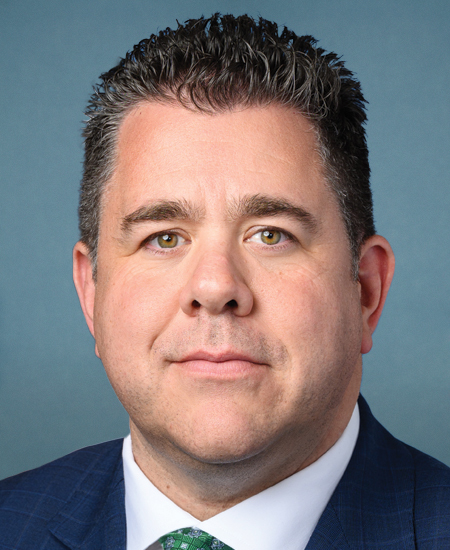
Nick LaLota
House · District 1
|
R |
Strong +
|
92% | 195 |
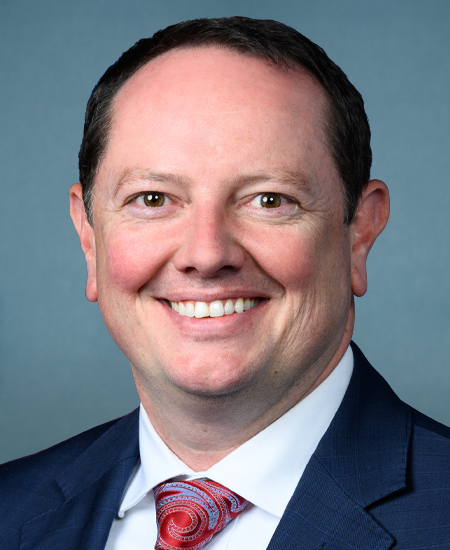
Eric Burlison
House · District 7
|
R |
Oppose
|
31% | 197 |
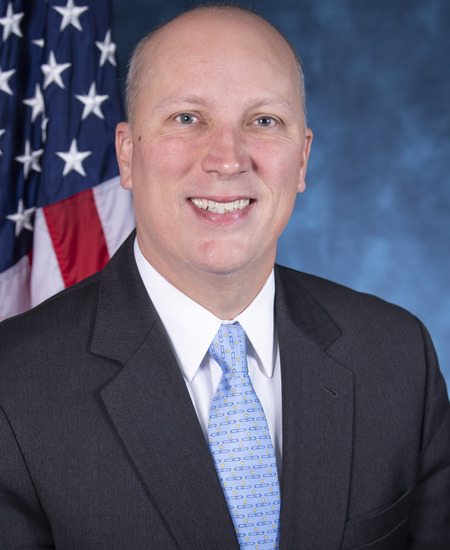
Chip Roy
House · District 21
|
R |
Oppose
|
31% | 190 |

Scott Perry
House · District 10
|
R |
Oppose
|
31% | 194 |
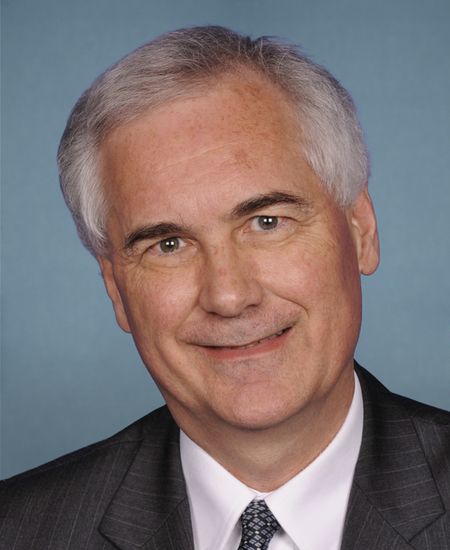
Tom McClintock
House · District 5
|
R |
Oppose
|
31% | 190 |
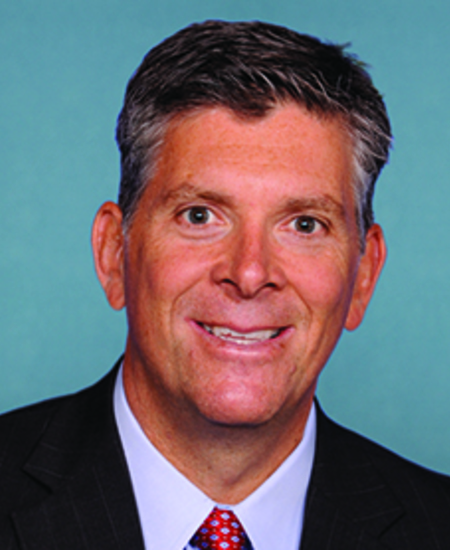
Darin LaHood
House · District 16
|
R |
Oppose
|
33% | 175 |
Showing 141–144 of 144
bills
All labor & employment bills
S 2984: Employee Rights Act
Topics
✗ ImmigrationOpposes ImmigrationBill restricts union voting rights for non-lawfully-status employees, limiting immigrant worker participation in collective bargaining and protections.
✗ Labor & EmploymentOpposes Labor & EmploymentSection 5 reclassifies workers as independent contractors, weakening employee protections and union organizing rights, despite procedural changes like secret ballots.
HR 4154: Employee Rights Act
Topics
✗ ImmigrationOpposes ImmigrationProhibits undocumented workers from voting in union elections, restricting access to labor rights and services
✗ Labor & EmploymentOpposes Labor & EmploymentRestricts union organizing by barring undocumented workers from voting, mandates secret ballots (potentially limiting union access), and creates 'independent negotiating' to weaken collective bargaining.
✓ TechnologySupports TechnologyBill establishes privacy protections for employee information in union organizing, directly supporting data privacy (a technology policy component). However, the context is narrow and specific to labor law, limiting broader relevance.
Sub-Topics
Collective Bargaining
S 3215: Putting American Workers First Act
Topics
✗ ImmigrationOpposes ImmigrationProhibits hiring unauthorized workers and restricts union representation for them, directly limiting immigrant employment access under labor law enforcement
✗ Labor & EmploymentOpposes Labor & EmploymentBill restricts labor organizations from representing unauthorized workers in collective bargaining without verification, directly limiting collective bargaining rights for a segment of workers.