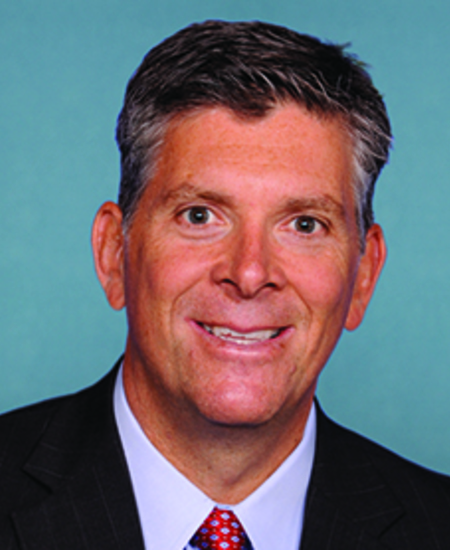
This bill requires the Bureau of Prisons to fully implement all recommendations from a 2023 Inspector General report on inmate-on-staff sexual harassment and assault within 90 days of enactment. It mandates the Bureau to provide updated data on such incidents from 2022-2025, which the Inspector General must analyze to assess prevention efforts and punishment practices. The Attorney General must then create national standards for preventing, reducing, and punishing these incidents within one year of receiving the analysis. The bill directly affects federal prison staff, including correctional officers, by establishing concrete requirements to improve their safety and address systemic data gaps.
This bill extends the authorization for a Social Security demonstration project aimed at helping disabled individuals return to work until December 31, 2031. It updates the project's rules to allow a longer 120-day waiting period for benefits, adds specific evaluation metrics to track success, and ensures that participants' total income will not decrease due to their involvement in the program. The changes also clarify that administrative costs for the project will be covered by existing Social Security administration funds, while benefits paid to participants will come from the Federal Disability Insurance Trust Fund. These provisions are set to take effect on January 1, 2027, providing a longer timeframe for testing new employment support strategies.
HR 5408, the Faster Labor Contracts Act, requires employers to begin negotiating a first contract with a newly certified union within 10 days of written request. If no agreement is reached within 90 days, the parties must seek mediation, and if unresolved after 30 days of mediation, the dispute moves to binding arbitration by a three-member panel. The arbitration decision, based on factors like employer finances, industry standards, and cost of living, becomes binding for two years. This bill directly affects newly certified unions and their employers during initial contract negotiations, aiming to reduce delays that currently average 465 days.
This resolution is a procedural measure that allows the House of Representatives to immediately consider and vote on a separate bill (H.R. 5408) without following standard legislative procedures. It waives certain rules that would normally apply, such as points of order and debate restrictions, to expedite the process. The resolution does not create new policy but instead sets the parliamentary framework for advancing a bill that aims to speed up contract negotiations under the National Labor Relations Act.
Clergy Act This bill establishes a two-year window for certain members of the clergy and Christian Science practitioners to revoke their exemption from Social Security and Medicare taxes on ministerial earnings. Under current law, such individuals who object to participation in public insurance programs on religious or conscientious grounds may apply to the Internal Revenue Service (IRS) for an irrevocable exemption and will not receive Social Security or Medicare benefits in retirement unless they have qualifying credits from other employment. The IRS must develop a plan to inform members of the clergy and Christian Science practitioners of their eligibility to revoke prior exemptions, pursuant to the bill's changes.
This resolution expresses support for the Working Families Tax Cuts, a law already enacted in July 2025 that provides various tax benefits to American taxpayers. The bill directly affects individuals and families by recognizing specific provisions that reduce tax liability, including expanded child tax credits, increased standard deductions, and tax relief for tipped workers and overtime pay. Key provisions include making a four-person household earning under $73,000 generally face zero federal income tax, increasing the child tax credit to $2,200 per child, and allowing 529 accounts to cover K-12 and trade school expenses. The resolution also acknowledges tax relief for seniors, auto loan interest deductions for American-made vehicles, and expanded health savings account access. This is a procedural measure that formally acknowledges existing tax policies rather than creating new legislation.