Issue · Immigration

Immigration

Every immigration bill, vote, and legislator stance in United States, automatically classified by Maddy, our AI policy reader.

Total bills
827
119th Congress
Top supporter
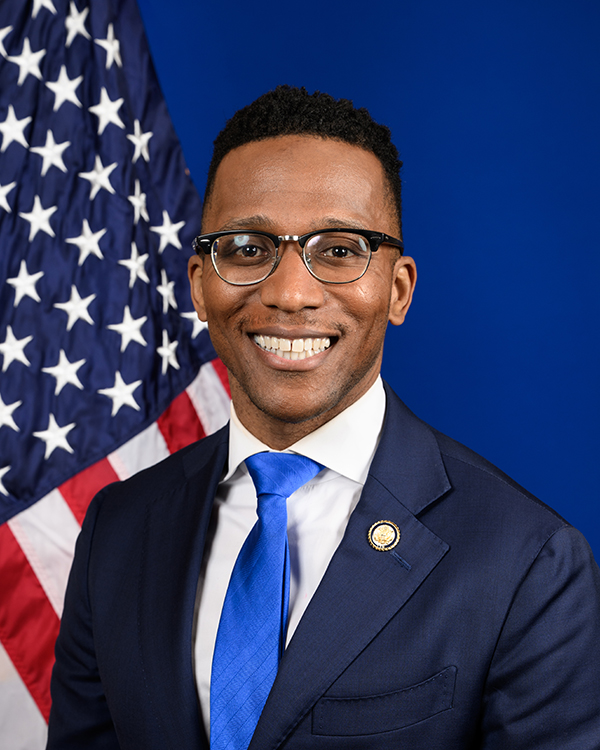
Christian D. Menefee
89% support rate
Top opponent
Gregory F. Murphy
13% support rate
Ranked legislators
10
5 support · 5 oppose
Key legislators

Who's moving immigration in United States

Legislators moving immigration in United States
Legislator Party Stance Support rate Decisive votes
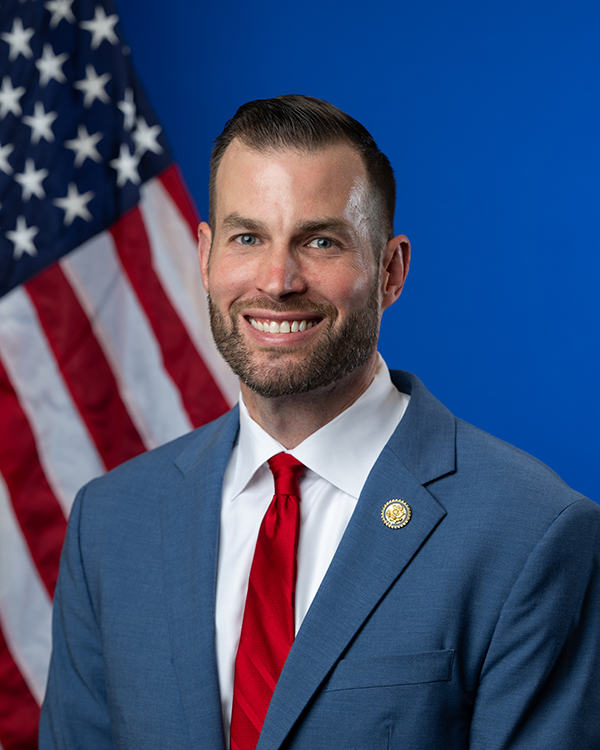
Christian D. Menefee
Christian D. Menefee House · District 18
D
Strong +
89% 9
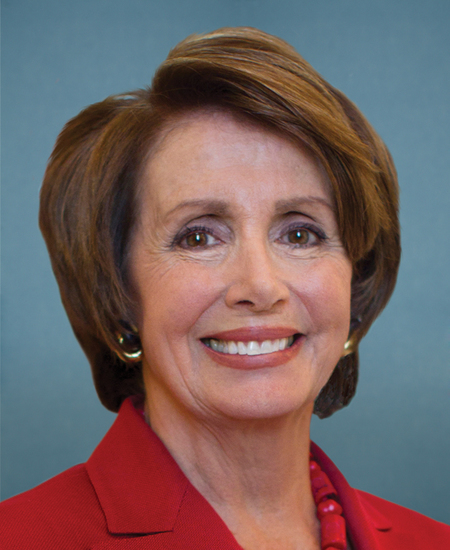
Nancy Pelosi
Nancy Pelosi House · District 11
D
Strong +
86% 21
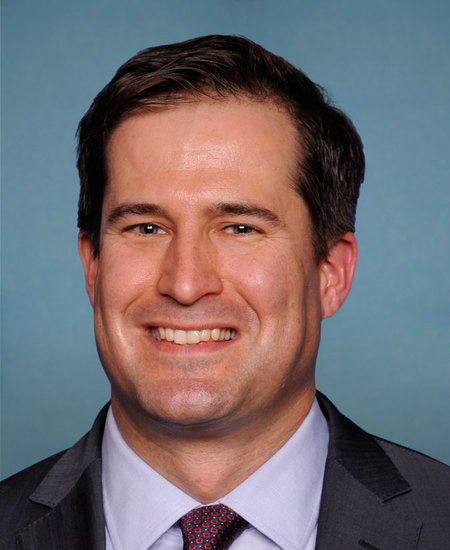
Seth Moulton
Seth Moulton House · District 6
D
Strong +
86% 21
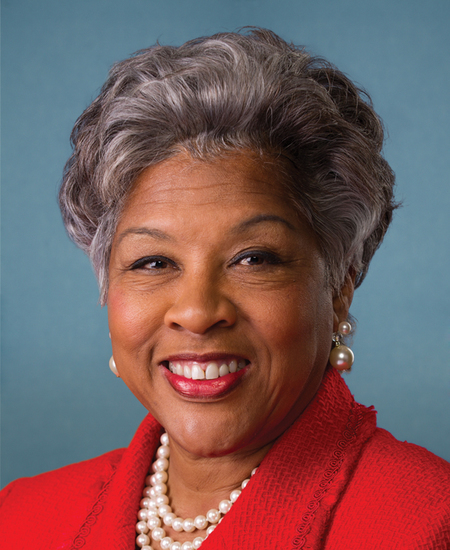
Joyce Beatty
Joyce Beatty House · District 3
D
Strong +
85% 20
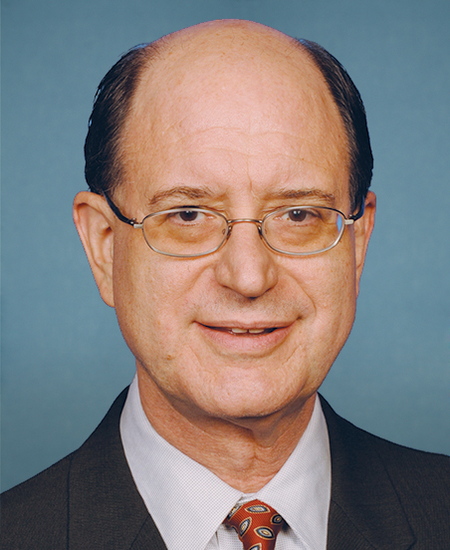
Brad Sherman
Brad Sherman House · District 32
D
Strong +
85% 26
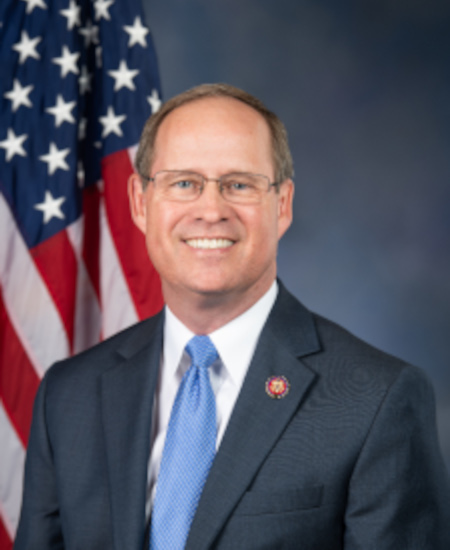
Gregory F. Murphy
Gregory F. Murphy House · District 3
R
Strong −
13% 23
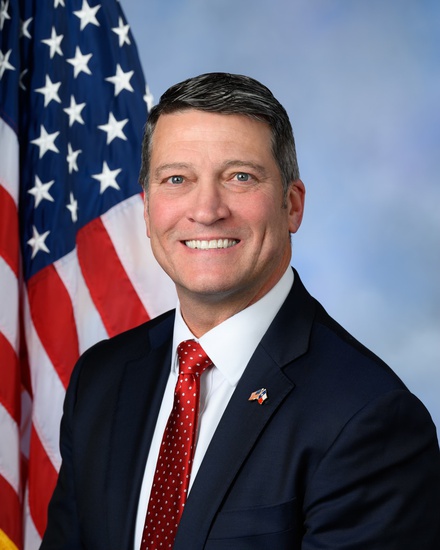
Ronny Jackson
Ronny Jackson House · District 13
R
Strong −
14% 28
Clay Fuller
Clay Fuller House · District 14
R
Strong −
14% 7
Brad Finstad
Brad Finstad House · District 1
R
Strong −
15% 26
Elise M. Stefanik
Elise M. Stefanik House · District 21
R
Strong −
15% 26
Showing 691–700 of 827 bills

All immigration bills

in committee · United States · House Jan 15, 2026

HR 7105: Guaranteeing the States Protection Against Invasion Act of 2026

HR 7105, the Guaranteeing the States Protection Against Invasion Act of 2026, authorizes the President to declare an "invasion" at the U.S.-Mexico border and suspend entry for individuals unlawfully crossing the border during such a declaration. It makes these individuals ineligible for immigration relief like asylum (section 208) or protection under other provisions during the declared period, while requiring them to provide entry information or face immediate removal. The bill also grants authorities to repel the invasion, detain or remove involved individuals, and prohibits court reviews of these determinations (except for citizenship claims). These provisions expire when the President ends the declared invasion.
in committee · United States · House Aug 19, 2025

HR 5005: Sanctuary Penalty and Public Protection Act of 2025

This bill creates a federal database identifying state or local governments that conflict with immigration enforcement laws. It prohibits federal funding for any jurisdiction listed in this database, which includes entities that block cooperation with immigration detainers, restrict arrests of certain immigrants, or prevent officials from interviewing incarcerated individuals about immigration status. The database must be updated quarterly and made public within 90 days of the bill's enactment. This directly affects local governments that have policies limiting collaboration with federal immigration authorities.
in committee · United States · House Jan 3, 2025

HR 64: Grant’s Law

Grant's Law This bill requires the Department of Justice to detain a non-U.S. national ( alien under federal law) found to be unlawfully present in the United States and arrested for various crimes that would render the individual deportable or inadmissible. The Department of Homeland Security (DHS) may release the individual to an appropriate authority for proceedings related to the arrest, but DHS must resume custody for any period that the individual is not in such authority's custody. If the individual is not convicted of crimes for which the individual was arrested, DHS must continue to detain the individual until removal proceedings are completed. DHS must complete such removal proceedings within 90 days.
in committee · United States · Senate Jul 31, 2025

S 2594: IEIS Act

The IEIS Act requires U.S. Customs and Border Protection, Immigration and Customs Enforcement, and other authorized immigration enforcement personnel to visibly display their last name, a unique identifier, agency name, and face during public immigration enforcement activities like stops, arrests, or raids. This applies to officers performing "immigration enforcement functions" but excludes undercover operations, high-risk tactical situations (e.g., active shooter responses), or mandated face coverings. The bill also allows federal agencies to reimburse covered employees - defined as immigration officers and their immediate family members living with them - for privacy-enhancing services (e.g., software masking personal information) up to 100% of costs. It directly affects immigration enforcement staff and their families by mandating transparency during public duties while providing tools to protect their personal data.
in committee · United States · House Jan 31, 2025

HJRES 31: Proposing an amendment to the Constitution of the United States to prohibit persons who are not citizens, nationals, or lawful permanent residents of the United States from voting in elections.

H.J. Res. 31 proposes a constitutional amendment requiring all voters to be U.S. citizens, U.S. nationals, or lawful permanent residents (green card holders) for any election. This would prohibit non-citizens without national status or a green card from voting in federal, state, tribal, local, or territorial elections - including city council or school board races. The amendment must be ratified by 38 states (three-fourths of all states) within seven years to become part of the Constitution. Currently, most states already restrict voting to citizens, but this would extend that requirement nationwide and constitutionally.
in committee · United States · House Feb 4, 2026

HRES 1038: Expressing the sense of the House of Representatives that the United States must recommit to defend and uphold the rights and protections guaranteed by the Fourteenth Amendment to the United States Constitution to ensure that our democracy works for all of us, not just a powerful few.

HRES 1038 is a non-binding House resolution expressing the sense of Congress that the U.S. must reaffirm its commitment to the Fourteenth Amendment’s guarantees of birthright citizenship, due process, and equal protection under the law. It calls on all federal branches to defend these rights against actions that threaten them, such as policies undermining birthright citizenship or restricting voting access. The resolution specifically urges Congress to oppose legislation or executive actions that weaken these constitutional protections and to work toward full equal protection for all people. As a symbolic resolution, it does not create new law or impose legal requirements but emphasizes the importance of upholding these constitutional principles for democratic fairness.
Sub-Topics Civil Rights Citizenship & Naturalization Tags Civil Liberties
in committee · United States · House Jan 8, 2026

HR 6987: Public Charge Clarification Act of 2026

This bill clarifies and expands the definition of "public charge" for immigration purposes, affecting non-citizens applying for visas, admission, or adjustment of status. It defines a public charge as someone receiving certain government benefits (including SNAP, Medicaid, housing assistance, and income support programs) for more than 12 months within any 36-month period. The determination considers factors like age, health, assets, education, and family status in a holistic assessment, while exempting refugees, asylees, and military dependents. The bill requires the government to publish a comprehensive list of covered benefits within 180 days of enactment.
in committee · United States · House Jan 3, 2025

HR 134: Protecting our Communities from Sexual Predators Act

This bill amends U.S. immigration law to strengthen detention, inadmissibility, and deportability rules for non-citizens convicted of or admitting to sexual assault offenses. It directly affects non-citizens who have been convicted of, arrested for, or admitted to committing acts constituting sexual assault as defined in current law. Key provisions require automatic detention for such individuals, make them automatically inadmissible to the U.S., and mandate deportation if already present. These changes apply to all non-citizens meeting the specified criteria under existing immigration statutes.
in committee · United States · House Jan 28, 2025

HR 746: America First Act

The America First Act (HR 746) would restrict access to numerous federal benefits and programs for certain non-citizens by requiring citizenship verification and denying eligibility to individuals with specific immigration statuses. It affects programs including Medicaid, Medicare, Head Start, WIC, school meals, housing assistance, tax credits, and community development funds by denying benefits to people granted parole, temporary protected status (TPS), deferred action (including DACA), asylum, or who are unlawfully present. The bill also reduces funding for schools in "sanctuary jurisdictions" and limits refugee resettlement for certain Haitian immigrants. It mandates that federal agencies verify immigration status before providing benefits and prohibits use of federal funds for services to certain non-citizens.
in committee · United States · House Feb 12, 2025

HRES 126: Celebrating the legacy and contributions of immigrants and opposing discriminatory immigration policies.

This resolution recognizes and celebrates the contributions of immigrants to the United States; condemns discrimination against immigrants; and supports comprehensive immigration reform that addresses the needs of the economy, strengthens communities, and reflects the values of compassion, fairness, and opportunity for all.
Showing 691 to 700 of 827 bills
Previous 1 69 70 71 83 Next