Issue · Immigration

Immigration

Every immigration bill, vote, and legislator stance in United States, automatically classified by Maddy, our AI policy reader.

Total bills
833
119th Congress
Top supporter
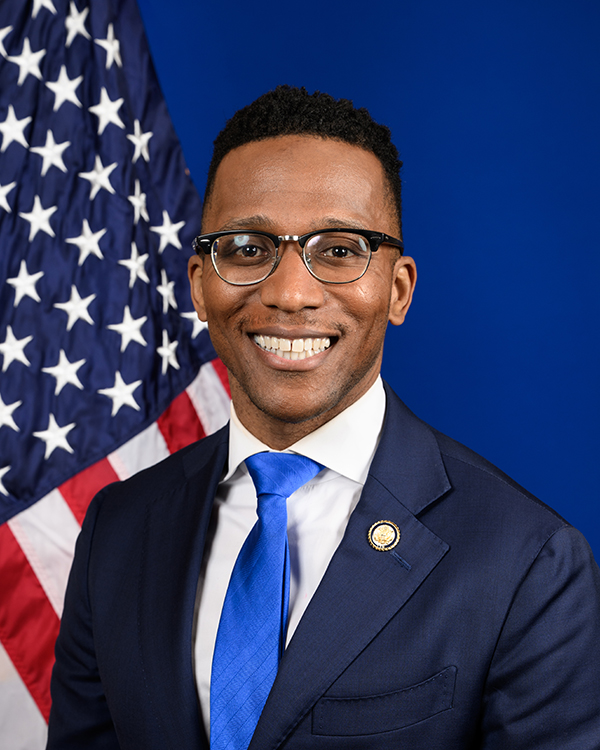
Christian D. Menefee
89% support rate
Top opponent
Gregory F. Murphy
13% support rate
Ranked legislators
10
5 support · 5 oppose
Key legislators

Who's moving immigration in United States

Legislators moving immigration in United States
Legislator Party Stance Support rate Decisive votes
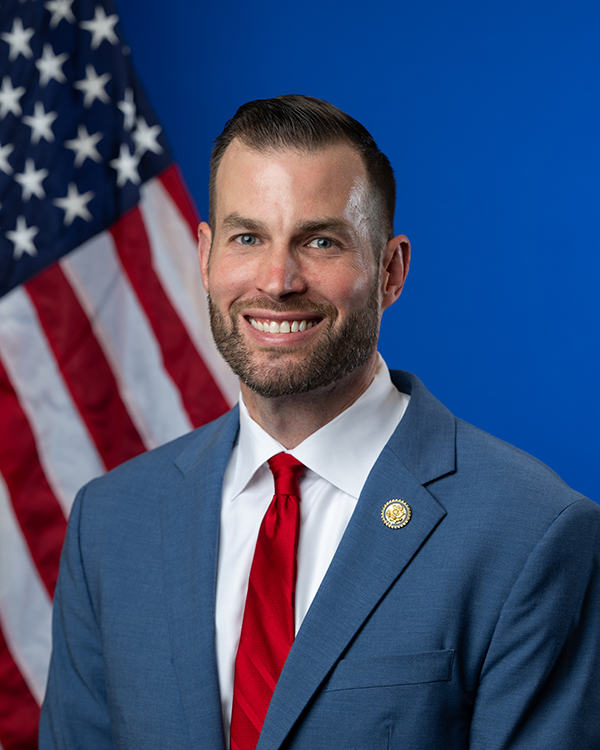
Christian D. Menefee
Christian D. Menefee House · District 18
D
Strong +
89% 9
Nancy Pelosi
Nancy Pelosi House · District 11
D
Strong +
86% 21
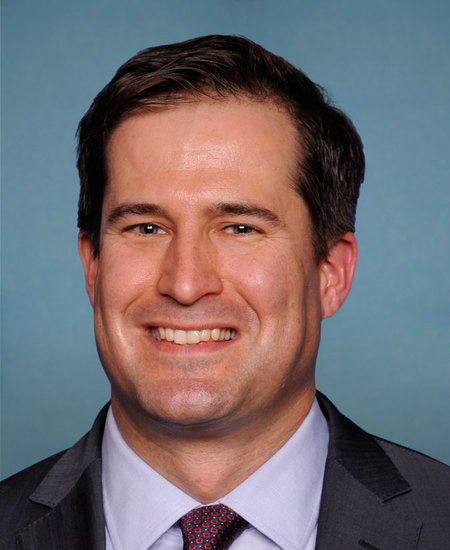
Seth Moulton
Seth Moulton House · District 6
D
Strong +
86% 21
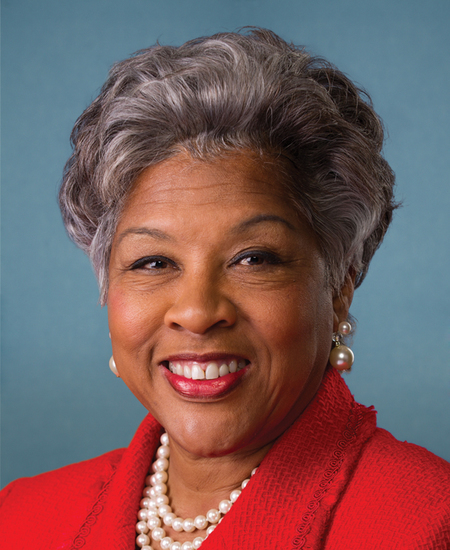
Joyce Beatty
Joyce Beatty House · District 3
D
Strong +
85% 20
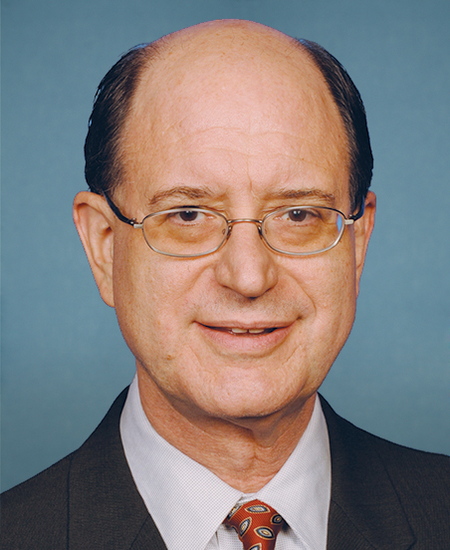
Brad Sherman
Brad Sherman House · District 32
D
Strong +
85% 26
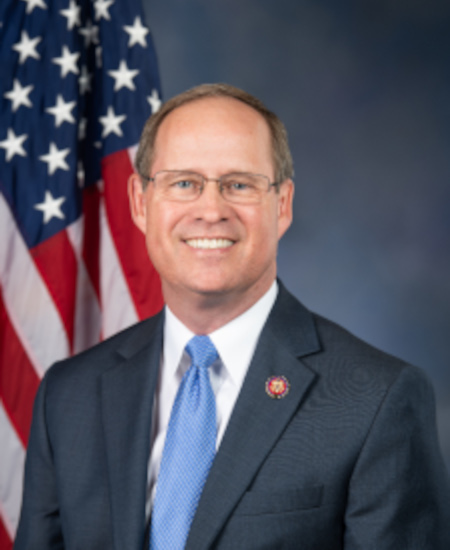
Gregory F. Murphy
Gregory F. Murphy House · District 3
R
Strong −
13% 23
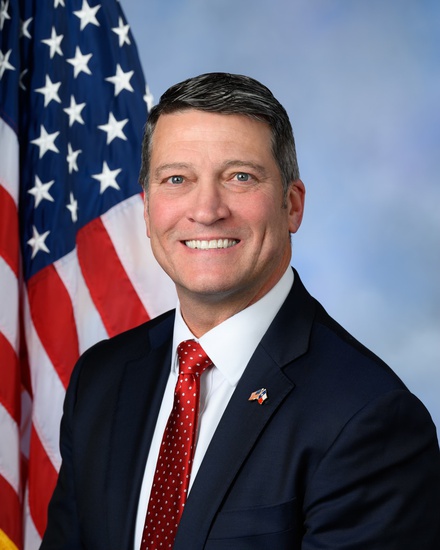
Ronny Jackson
Ronny Jackson House · District 13
R
Strong −
14% 28
Clay Fuller
Clay Fuller House · District 14
R
Strong −
14% 7
Brad Finstad
Brad Finstad House · District 1
R
Strong −
15% 26
Elise M. Stefanik
Elise M. Stefanik House · District 21
R
Strong −
15% 26
Showing 571–580 of 833 bills

All immigration bills

in committee · United States · Senate Feb 10, 2025

S 497: FENCE Act

The FENCE Act amends the tax code to deny 501(c)(3) tax-exempt status to organizations that knowingly provide financial assistance, benefits, or material support to individuals unlawfully present in the U.S. It directly affects nonprofits, community foundations, and religious organizations that may assist undocumented immigrants. The key provision adds a new requirement that organizations must not engage in a "pattern or practice" of such support, without mandating proof of citizenship or requiring religious groups to violate their beliefs. This change would take effect upon the bill's enactment, altering how tax-exempt status is maintained for qualifying organizations.
in committee · United States · House Feb 13, 2025

HR 1312: No Asylum for Criminals Act of 2025

No Asylum for Criminals Act of 2025 This bill bars an individual who has been convicted of a felony or misdemeanor from receiving asylum, with limited exceptions. Specifically, the Department of Homeland Security may designate political offenses committed outside of the United States that shall not be considered a crime for this purpose. Currently, an individual shall be barred from receiving asylum for only certain types of criminal convictions, such as if the individual is convicted for (1) an aggravated felony, or (2) a particularly serious crime and as a result deemed a danger to the United States.
in committee · United States · House Jun 4, 2025

HR 3715: New IDEA Act

This bill prohibits businesses from deducting wages paid to undocumented workers when calculating taxable income. It creates a safe harbor for employers using the E-Verify program: if they confirm employment eligibility through E-Verify, they may still deduct those wages. The law directly affects employers who hire undocumented workers, removing a tax benefit for such payments. It also establishes new data-sharing between the IRS, DHS, and Social Security to enforce compliance, with a 6-year audit window for improper deductions.
in committee · United States · House Jun 3, 2026

HR 175: Deport Alien Gang Members Act

This bill creates new grounds for deporting non-citizens who are members of or associated with criminal gangs. It defines a "criminal gang" as a group of five or more people whose primary purpose is committing serious crimes like drug offenses, violence, trafficking, or weapons violations. The Secretary of Homeland Security can designate groups as criminal gangs after consultation with the Attorney General, and these designations make gang members ineligible for asylum, temporary protected status, parole, and other immigration benefits. The bill also establishes procedures for reviewing and revoking these designations, with limited judicial review options.
in committee · United States · Senate Jan 23, 2025

S 221: Extending Limits of United States Customs Waters Act of 2025

This bill would extend U.S. customs enforcement authority from 12 to 24 nautical miles from shore. It amends the Tariff Act of 1930 and the Anti-Smuggling Act to align enforcement zones with existing international law limits (as established by Presidential Proclamations 5928 and 7219). Currently, customs agents can only act within 12 miles, but the bill would allow enforcement in the contiguous zone up to 24 miles to provide more time for interdiction. Congress states this change addresses modern vessel speeds, enabling U.S. Customs and Border Protection to better prevent violations of customs, fiscal, or immigration laws. The policy directly affects CBP operations in coastal waters.
Sub-Topics Border Security
in committee · United States · House Jan 12, 2026

HR 7014: To provide for the designation of Burma for temporary protected status.

HR 7014 designates Burma for temporary protected status (TPS) under U.S. immigration law, providing eligible Burmese nationals temporary legal status in the U.S. The bill establishes an 18-month TPS period beginning November 25, 2025, for Burmese nationals who have continuously resided in the U.S. since the bill's enactment, are admissible as immigrants (with limited exceptions), and register with Homeland Security. It also requires the Secretary of Homeland Security to grant prior consent for travel abroad for those with emergency circumstances and ensures returning travelers retain their TPS status. This policy change directly affects Burmese nationals meeting these specific criteria, offering temporary protection from deportation.
Sub-Topics Enforcement
in committee · United States · House Feb 27, 2025

HR 1589: American Dream and Promise Act of 2025

The American Dream and Promise Act of 2025 would create pathways to permanent residency for certain immigrant youth who entered the U.S. as children (Dream Act component) and for individuals from countries with Temporary Protected Status or Deferred Enforced Departure (American Promise Act component). To qualify, applicants must meet continuous physical presence requirements (since January 1, 2021 for Dream Act applicants, and for 3+ years for American Promise applicants), pass background checks, and satisfy educational or employment criteria. Conditional permanent resident status would be granted initially, with the option to convert to full permanent residency after meeting additional requirements like earning a degree, serving in the military for two years, or demonstrating three years of earned income. The bill includes fee exemptions for low-income applicants, establishes a grant program to assist applicants with legal help, and creates specific procedures for background checks and appeals.
Sub-Topics DACA & Dreamers
in committee · United States · Senate Jun 9, 2025

S 1993: RIPPLE Act of 2025

The RIPPLE Act of 2025 (S 1993) creates a federal reimbursement program for states and local law enforcement agencies that enforce immigration laws under federal agreements. It allows the Attorney General to pay back states and localities for costs like officer wages, overtime pay, and salaries incurred when their officers perform immigration-related duties. This directly affects local police departments and state agencies participating in federal immigration enforcement programs. The bill adds this reimbursement mechanism to existing law, aiming to offset the financial burden on local governments for these activities. It does not change immigration enforcement policies or eligibility but provides funding for costs already being borne by participating jurisdictions.
in committee · United States · House Apr 29, 2025

HR 3081: Law Enforcement Solidarity Act

HR 3081, the Law Enforcement Solidarity Act, restricts federal funding for jurisdictions that prohibit local law enforcement from cooperating with federal officers. Beginning 60 days after enactment, such jurisdictions become ineligible for federal funds intended to provide services like food, shelter, healthcare, legal aid, or transportation to undocumented immigrants. The bill defines a "jurisdiction with law enforcement cooperation restrictions" as any state or local government that blocks officials from assisting, aiding, or responding to federal law enforcement requests. This directly affects local governments with policies limiting collaboration with federal immigration enforcement. The law aims to link federal funding eligibility to cooperation with federal law enforcement on immigration matters.
in committee · United States · House Jan 31, 2025

HR 864: Freedom to Cooperate Act

The Freedom to Cooperate Act (HR 864) amends federal law to prevent states from restricting local law enforcement from cooperating with federal immigration authorities. It prohibits states from banning or limiting government entities from sharing immigration status information, complying with federal requests, or making inquiries about immigration status. The bill also clarifies immigration detainer procedures, requiring probable cause for detainers and setting a 48-96 hour window for transferring custody to federal authorities. It provides legal immunity for state/local law enforcement that complies with detainers, except in cases of bad faith. This directly affects state/local law enforcement agencies and individuals subject to immigration enforcement actions.
Showing 571 to 580 of 833 bills
Previous 1 57 58 59 84 Next