Issue · Immigration

Immigration

Every immigration bill, vote, and legislator stance in United States, automatically classified by Maddy, our AI policy reader.

Total bills
506
119th Congress
Top supporter
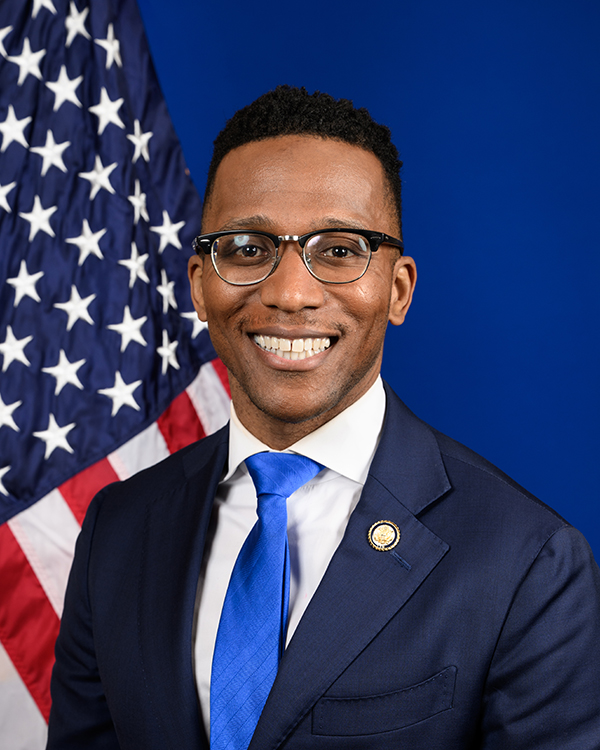
Christian D. Menefee
89% support rate
Top opponent
Gregory F. Murphy
13% support rate
Ranked legislators
10
5 support · 5 oppose
Key legislators

Who's moving immigration in United States

Legislators moving immigration in United States
Legislator Party Stance Support rate Decisive votes
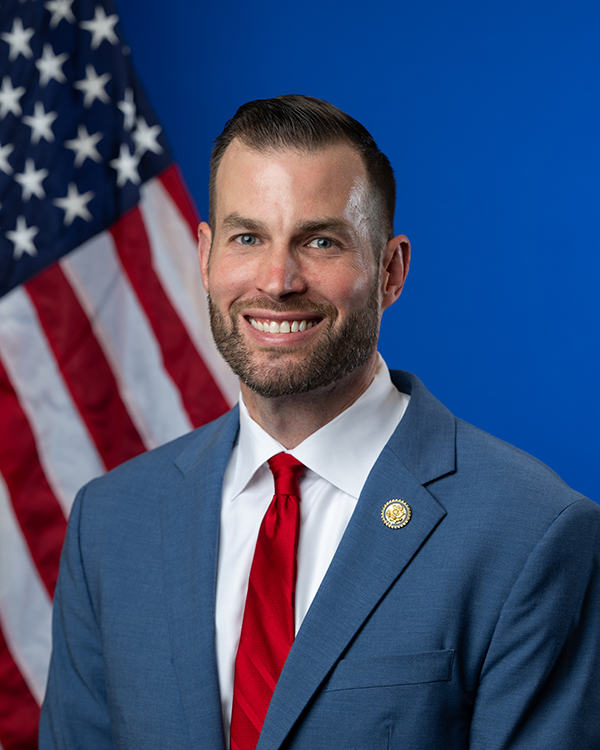
Christian D. Menefee
Christian D. Menefee House · District 18
D
Strong +
89% 9
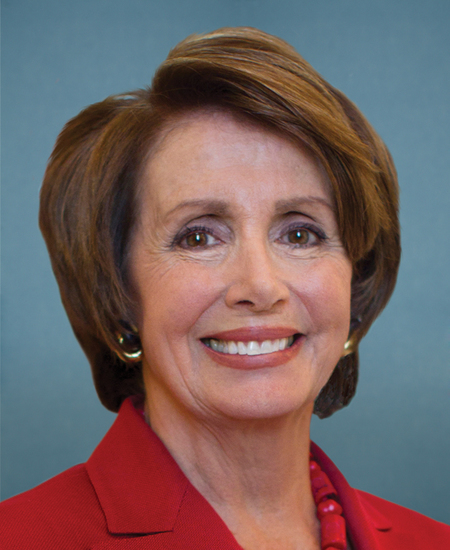
Nancy Pelosi
Nancy Pelosi House · District 11
D
Strong +
86% 21
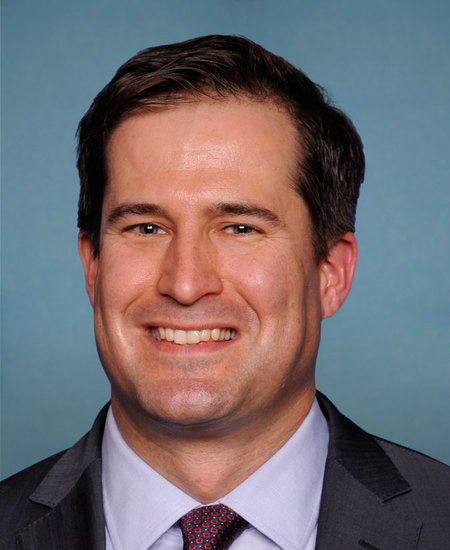
Seth Moulton
Seth Moulton House · District 6
D
Strong +
86% 21
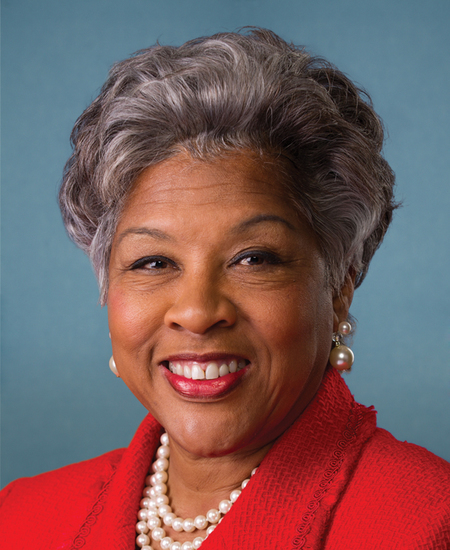
Joyce Beatty
Joyce Beatty House · District 3
D
Strong +
85% 20
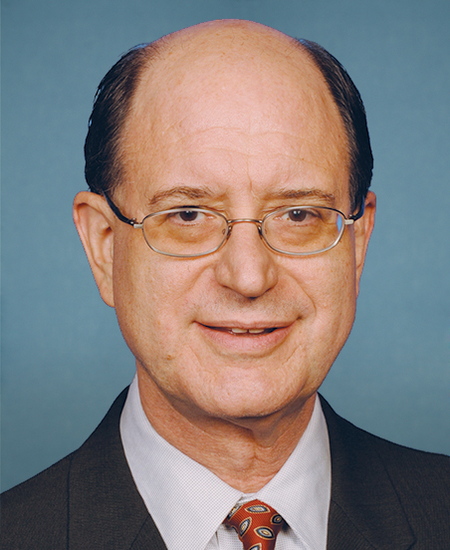
Brad Sherman
Brad Sherman House · District 32
D
Strong +
85% 26
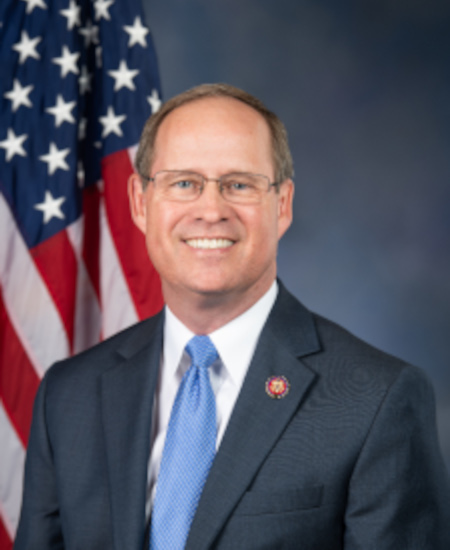
Gregory F. Murphy
Gregory F. Murphy House · District 3
R
Strong −
13% 23
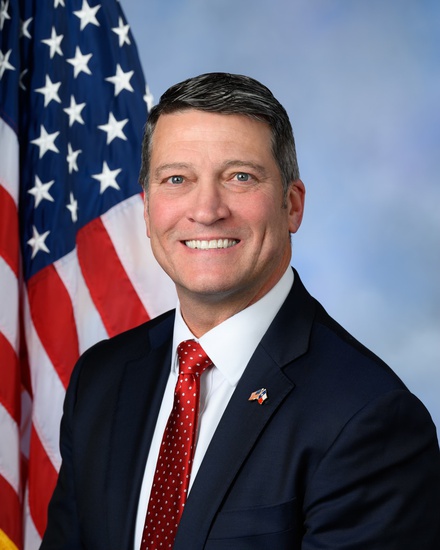
Ronny Jackson
Ronny Jackson House · District 13
R
Strong −
14% 28
Clay Fuller
Clay Fuller House · District 14
R
Strong −
14% 7
Brad Finstad
Brad Finstad House · District 1
R
Strong −
15% 26
Elise M. Stefanik
Elise M. Stefanik House · District 21
R
Strong −
15% 26
Showing 461–470 of 506 bills

All immigration bills

in committee · United States · Senate Oct 15, 2025

S 3009: Preserving a Sharia-Free America Act

This bill (S 3009) denies U.S. immigration benefits, visas, or admission to any non-citizen who advocates for imposing Sharia law in ways that violate constitutional or U.S. legal rights. It allows officials to revoke existing immigration benefits, deem individuals inadmissible or deportable, and remove them from the U.S. for such advocacy. Key provisions add "advocation of Sharia law" as grounds for inadmissibility under Section 212(a) and deportability under Section 237 of the Immigration and Nationality Act. The bill also prohibits judicial review of removal decisions made under these provisions. It directly affects non-citizens whose advocacy of Sharia law conflicts with U.S. law or rights.
in committee · United States · House Jan 16, 2026

HR 7123: Abolish ICE Act

HR 7123, the Abolish ICE Act, would eliminate the U.S. Immigration and Customs Enforcement (ICE) agency by prohibiting all federal funding for its operations, redirecting existing unobligated funds, and transferring ICE assets to the Department of Homeland Security Secretary. The bill requires ICE to be formally abolished 90 days after enactment, ending all its functions under the Homeland Security Act of 2002. This directly affects ICE as an agency and would shift immigration enforcement responsibilities to other federal entities. The legislation focuses on the structural removal of ICE, not on specific immigration policies or outcomes.
in committee · United States · House Feb 11, 2025

HR 1195: Protect Medicaid Act

HR 1195, the Protect Medicaid Act, prohibits federal Medicaid funds from covering administrative costs related to health benefits provided to unauthorized immigrants who lack lawful immigration status and are ineligible for Medicaid. This directly affects states that currently provide such benefits, requiring them to separate these administrative costs from general Medicaid program expenses. The bill adds a new provision to the Social Security Act clarifying that federal funds cannot be used for these specific administrative costs, while allowing funds for systems designed to enforce this rule. It also mandates an Inspector General report detailing how states separate costs, ensure compliance, finance these programs (e.g., through provider taxes), and the impact on drug pricing for this population.
in committee · United States · Senate Feb 5, 2026

S 3790: Protect America Act

The Protect America Act (S 3790) primarily requires jurisdictions receiving certain federal funds to certify they do not maintain "sanctuary policies" that obstruct immigration enforcement cooperation. It creates a process for identifying noncompliant jurisdictions, recovering funds, and establishing civil liability for harm resulting from policies that obstruct immigration enforcement. The bill also increases penalties for illegal entry and reentry, enhances protections for federal officers, and restricts tax-exempt status for nonprofits promoting criminal violence. This legislation directly affects state and local governments, detention facilities, and educational institutions receiving federal funding, with significant implications for immigration enforcement coordination.
in committee · United States · House Aug 1, 2025

HR 4838: ERIC ADAMS Act of 2025

HR 4838, the "ERIC ADAMS Act of 2025," creates criminal liability for mayors of cities designated as "sanctuary cities" if an undocumented immigrant commits murder within that city and the mayor's sanctuary policy (which restricts cooperation with federal immigration enforcement) directly contributed to the immigrant not being detained or removed. Mayors convicted under this law could face up to 7 years in prison, fines, or both, plus mandatory removal from office. The bill defines a "sanctuary city" as one that prohibits local law enforcement from cooperating with federal immigration authorities or complying with immigration detainer requests. The Attorney General would have exclusive authority to prosecute violations, with federal courts handling all cases.
in committee · United States · House Feb 20, 2026

HR 7612: End Sanctuary Cities Act of 2026

HR 7612 (End Sanctuary Cities Act of 2026) prohibits state and local government officials from interfering with federal immigration enforcement by blocking Department of Homeland Security (DHS) requests for "reasonable advance notice" (at least 48 hours) about releasing criminal aliens. It directly affects local leaders who establish policies restricting such notice, imposing criminal penalties: up to 25 years in prison for failures leading to the release of individuals convicted of murder, rape, or sex offenses against minors. Penalties decrease to 5-10 years for serious violent felonies and 30 days-6 months for other criminal offenses. The law creates new federal criminal charges under Title 18, Section 1925, targeting officials who obstruct DHS compliance with immigration laws.
in committee · United States · House Jan 20, 2026

HR 7161: No Private Bounty Hunters for Immigration Enforcement Act

HR 7161, the "No Private Bounty Hunters for Immigration Enforcement Act," prohibits the Department of Homeland Security (DHS) from using private contractors for immigration enforcement tasks like tracking individuals (skip tracing), surveillance, or location verification. It bans DHS from entering new contracts for these purposes after enactment, terminates existing contracts allowing them, and amends others to prohibit them. The bill also blocks federal funds from paying private entities per-person or via bonuses for locating individuals under immigration detainers, except for limited government-supervised data tools. DHS must audit all relevant contracts within 30 days of the bill's enactment to ensure compliance.
in committee · United States · House May 7, 2025

HR 3242: Punishing Illegal Immigrant Felons Act of 2025

This bill increases mandatory prison sentences for non-citizens convicted of certain crimes after entering the U.S. without authorization or being deported. It raises the minimum sentence from 2 to 5 years for those who improperly enter the U.S. and later commit a crime punishable by over one year in prison. For non-citizens previously deported who commit crimes, it increases the minimum sentence from 2 to 10 years and mandates at least 10 years for offenses including aggravated felonies, state/federal felonies, or crimes punishable by over one year. These changes apply to all non-citizens convicted under these circumstances, regardless of jurisdiction.
in committee · United States · House Jan 16, 2025

HJRES 23: Disapproving of the rule submitted by the Department of Homeland Security relating to "Increase of the Automatic Extension Period of Employment Authorization and Documentation for Certain Employment Authorization Document Renewal Applicants".

HJRES 23 is a congressional resolution disapproving a specific rule issued by the Department of Homeland Security (DHS). The rule in question would have extended the automatic period allowing certain immigrants to continue working while renewing their employment authorization documents. This resolution, if passed, would cancel that DHS rule, meaning the extension period would not apply to immigrants renewing their work permits. It directly affects non-citizens in the U.S. who are waiting for their work permit renewals to be processed.
in committee · United States · Senate Jul 30, 2025

S 2553: Protect Our Communities from DUIs Act

This bill amends U.S. immigration law to make certain DUI convictions automatically lead to immigration consequences. Non-citizens convicted of driving while intoxicated or impaired (including DUI under state law) would be barred from entering the U.S. (inadmissible) or face deportation, regardless of whether their offense was classified as a misdemeanor or felony locally. The key mechanism adds new grounds for inadmissibility and deportability under the Immigration and Nationality Act, treating DUI offenses as serious immigration violations. It directly affects non-citizens with such convictions, expanding immigration enforcement to include these offenses. The bill does not change state DUI laws but links them to federal immigration outcomes.
Showing 461 to 470 of 506 bills
Previous 1 … 46 47 48 … 51 Next