Issue · Immigration

Immigration (Citizenship & Naturalization)

Every immigration bill, vote, and legislator stance in United States, automatically classified by Maddy, our AI policy reader.

Total bills
42
119th Congress
Top supporter
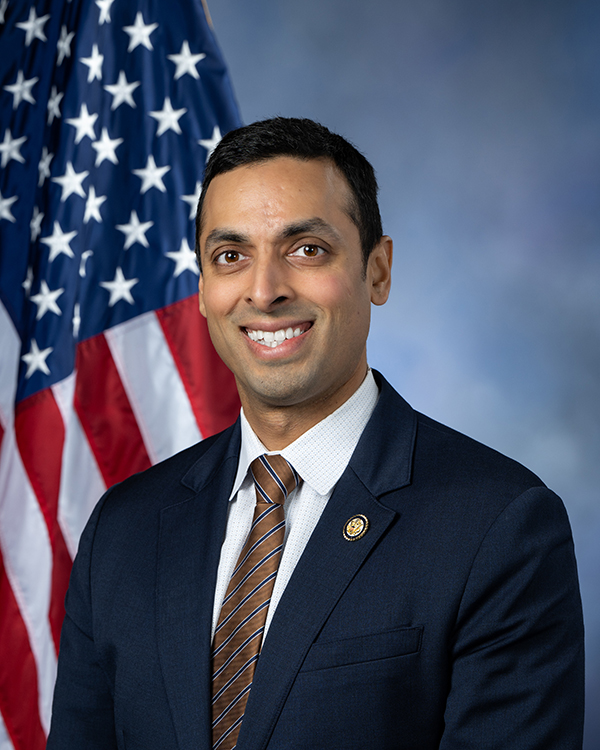
Suhas Subramanyam
100% support rate
Top opponent
Ronny Jackson
0% support rate
Ranked legislators
10
5 support · 5 oppose
Key legislators

Who's moving citizenship & naturalization in United States

Legislators moving citizenship & naturalization in United States
Legislator Party Stance Support rate Votes
Suhas Subramanyam
Suhas Subramanyam House · District 10
D
Strong +
100% 4
Jake Auchincloss
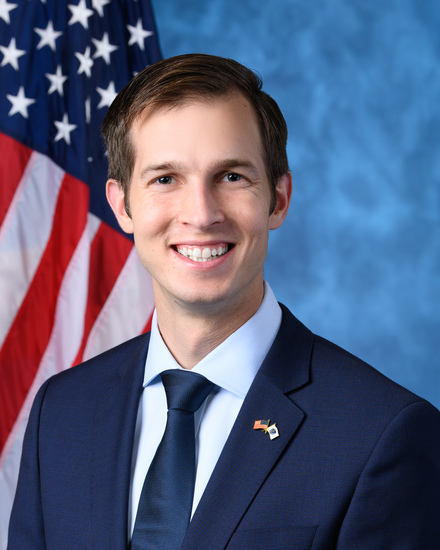
Jake Auchincloss House · District 4
D
Strong +
100% 3
Jimmy Gomez
Jimmy Gomez House · District 34
D
Strong +
100% 3
Rick Larsen
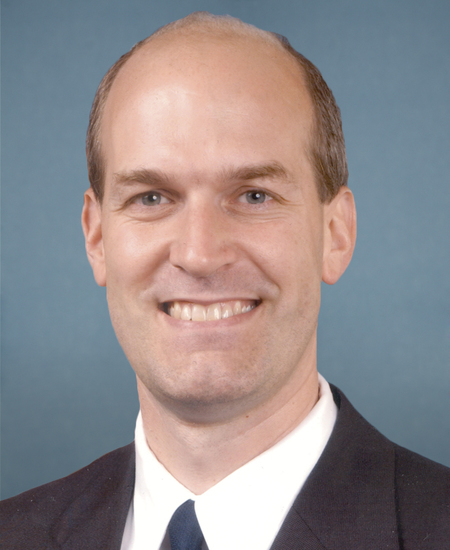
Rick Larsen House · District 2
D
Strong +
100% 3
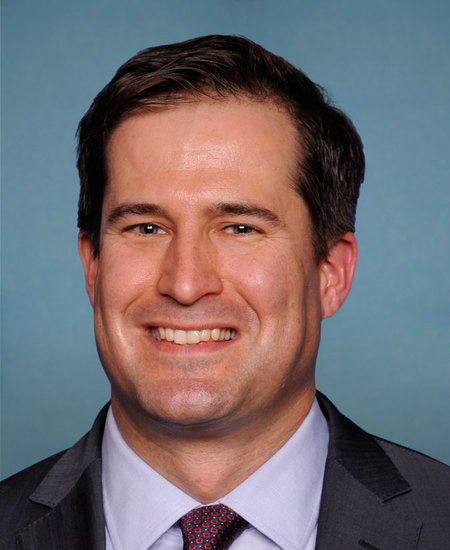
Seth Moulton
Seth Moulton House · District 6
D
Strong +
100% 3
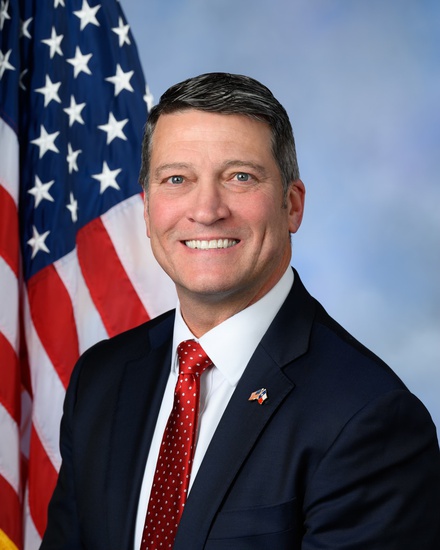
Ronny Jackson
Ronny Jackson House · District 13
R
Strong −
0% 5
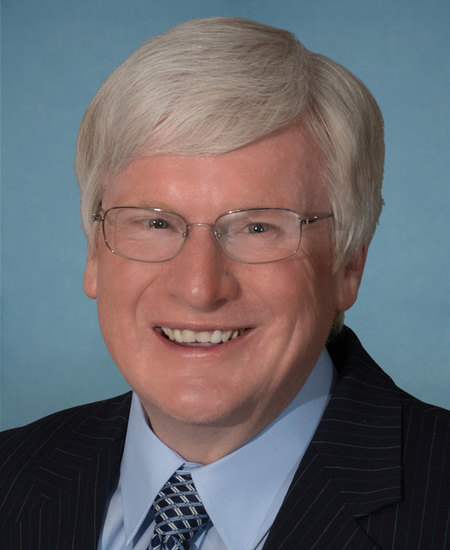
Glenn Grothman
Glenn Grothman House · District 6
R
Strong −
0% 4
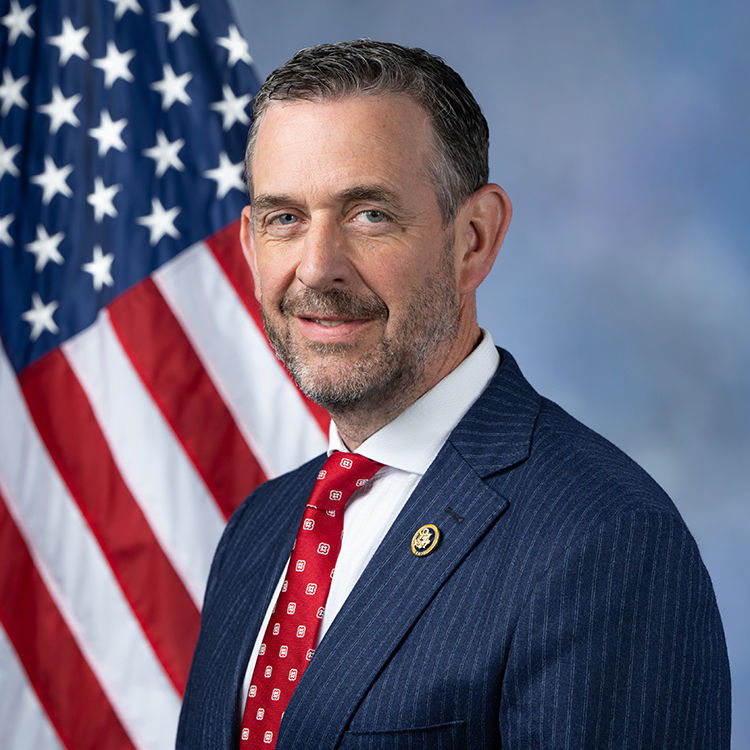
Michael A. Rulli
Michael A. Rulli House · District 6
R
Strong −
0% 4
Elise M. Stefanik
Elise M. Stefanik House · District 21
R
Strong −
0% 3
Nathaniel Moran
Nathaniel Moran House · District 1
R
Strong −
0% 3
Showing 31–40 of 42 bills

All immigration bills

in committee · United States · House Nov 18, 2025

HR 6118: Support and Defend Our Military Personnel and Their Families Act

This bill streamlines immigration benefits for military personnel and their families. It reduces the residency requirement for naturalization from six months to one year for those serving honorably in contingency operations, and adds spouses, children, and parents of active-duty service members to priority visa categories. It also creates a new pathway for immediate family members to adjust to permanent residency if they're physically present in the U.S., meet admissibility standards, and pay a fee. Additionally, the bill prohibits deportation proceedings against honorably discharged military members or veterans without prior approval from the Secretary of Homeland Security, with a two-year posthumous eligibility period for families if a service member dies from service-related injuries.
in committee · United States · Senate Feb 12, 2025

S 542: English Language Unity Act of 2025

S 542, the English Language Unity Act of 2025, designates English as the official language of the U.S. federal government. It requires all federal government functions - such as laws, regulations, and public communications - to be conducted in English, with exceptions for national security, census work, public health, and Native American language preservation. The bill also mandates that naturalization ceremonies be held in English and that applicants demonstrate understanding of foundational U.S. documents like the Constitution. This directly affects federal agencies, naturalization applicants, and government communications, while preserving existing language rights under specific circumstances.
in committee · United States · Senate Dec 2, 2025

S 3309: Building Housing for the American Dream Act

This bill amends the EB-5 immigrant investor visa program to prioritize housing projects. It redefines "housing project" to include rental housing or homes for purchase as primary residences and directs U.S. Citizenship and Immigration Services to prioritize processing applications for such projects, especially those using federal housing programs like Section 42 tax credits or HOME funds. The bill requires annual reports from Homeland Security on housing-related EB-5 applications and impacts, and mandates a GAO review after three years to assess whether the changes increase immigrant investment in housing. It does not change visa quotas or create new funding but streamlines processing for housing-focused investments.
in committee · United States · House Jun 9, 2025

HR 3832: Kerrie Orozco First Responders Family Support Act

HR 3832, the Kerrie Orozco First Responders Family Support Act, allows the naturalization (becoming a U.S. citizen) of surviving spouses, children, or parents of public safety officers who died from work-related injuries or illnesses, without requiring prior physical presence in the U.S. The bill amends immigration law to remove the standard requirement for physical presence within the U.S. for these family members. It directly affects immediate family members of fallen first responders, including police, firefighters, and emergency medical personnel defined under existing law. The key provision streamlines citizenship eligibility for grieving families who would otherwise face lengthy residency hurdles.
Sub-Topics Citizenship & Naturalization Tags Public Safety
in committee · United States · Senate Nov 6, 2025

S 3142: I–VETS Act

S 3142 (I-VETS Act) requires U.S. Citizenship and Immigration Services to automatically identify immigrants who served in the U.S. Armed Forces (active duty or active reserve status) when they apply for immigration benefits or face enforcement proceedings. It mandates DHS to annotate immigration records to reflect military service and track outcomes for these individuals. The bill explicitly prohibits using this military service information for immigration removal proceedings. This directly affects immigrant veterans and applicants seeking benefits, creating a system to recognize their service within immigration processing.
in committee · United States · House Feb 4, 2026

HRES 1038: Expressing the sense of the House of Representatives that the United States must recommit to defend and uphold the rights and protections guaranteed by the Fourteenth Amendment to the United States Constitution to ensure that our democracy works for all of us, not just a powerful few.

HRES 1038 is a non-binding House resolution expressing the sense of Congress that the U.S. must reaffirm its commitment to the Fourteenth Amendment’s guarantees of birthright citizenship, due process, and equal protection under the law. It calls on all federal branches to defend these rights against actions that threaten them, such as policies undermining birthright citizenship or restricting voting access. The resolution specifically urges Congress to oppose legislation or executive actions that weaken these constitutional protections and to work toward full equal protection for all people. As a symbolic resolution, it does not create new law or impose legal requirements but emphasizes the importance of upholding these constitutional principles for democratic fairness.
Sub-Topics Civil Rights Citizenship & Naturalization Tags Civil Liberties
in committee · United States · Senate Dec 10, 2025

S 3419: Reuniting Families Act

The Reuniting Families Act (S 3419) aims to reduce family-based visa backlogs and promote family reunification by reclassifying spouses, permanent partners, and minor children of legal permanent residents as immediate relatives. The bill creates new definitions for "permanent partners" (including requirements for committed, intimate relationships), expands relief for widows, widowers, and orphans, and recaptures unused visa numbers from previous years to reduce backlogs. It increases diversity visas from 55,000 to 80,000, addresses the impact of previous travel bans on Muslim and African countries, and provides protections for fiancée children to prevent them from "aging out" of eligibility. The bill also expands cancellation of removal provisions for family members and prohibits removal of aliens with pending immigration applications.
in committee · United States · Senate Sep 19, 2025

S 2923: PAAF Act

The PAAF Act automatically grants U.S. citizenship to internationally adopted children of U.S. citizen parents who were adopted before age 18 and were living in the U.S. under lawful admission before age 18. For adoptees living outside the U.S. but meeting these criteria, citizenship is granted upon lawful entry into the country. The bill exempts these individuals from standard immigration inadmissibility grounds (such as health or criminal issues) when entering, though they must pass a criminal background check. This applies only to adoptees who did not have U.S. citizenship before the bill's enactment.
in committee · United States · Senate Dec 18, 2025

S 3568: Naturalization and Oath Ceremony Protection Act

The Naturalization and Oath Ceremony Protection Act (S 3568) guarantees that approved naturalization applicants can complete their citizenship process by attending a scheduled ceremony, taking the oath of allegiance, and receiving their certificate. The government may only block this right if it provides individualized evidence of ineligibility or fraud, requiring written notice, a 10-day response window, and supervisory approval. The bill prohibits denials based on nationality, country of origin, or general policies not tied to the applicant’s specific case. It also allows applicants to seek judicial review and mandates rescheduling the ceremony within 10 days if they win a court case.
in committee · United States · Senate Nov 6, 2025

S 3144: Veterans Visa and Protection Act of 2025

S 3144, the Veterans Visa and Protection Act of 2025, creates a program to help noncitizen veterans who were removed from the U.S. or face removal proceedings return as permanent residents. It requires the government to reopen removal cases for eligible veterans (noncitizens who served honorably and weren’t removed for certain serious crimes) and adjust their status to permanent residency within 180 days of the bill’s enactment. The bill also prohibits removing noncitizen veterans for any reason except a "crime of violence" and ensures they regain access to military and veterans benefits they lost due to removal. This directly affects noncitizen veterans in immigration proceedings or who were deported, providing a clear pathway to legal status and benefits.
Showing 31 to 40 of 42 bills
Previous 1 3 4 5 Next