Issue · Immigration

Immigration

Every immigration bill, vote, and legislator stance in United States, automatically classified by Maddy, our AI policy reader.

Total bills
833
119th Congress
Top supporter
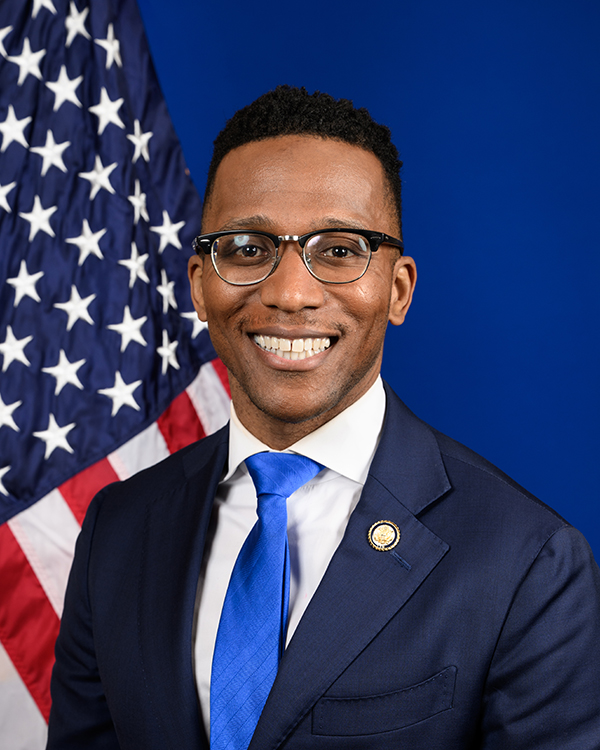
Christian D. Menefee
89% support rate
Top opponent
Gregory F. Murphy
13% support rate
Ranked legislators
10
5 support · 5 oppose
Key legislators

Who's moving immigration in United States

Legislators moving immigration in United States
Legislator Party Stance Support rate Decisive votes
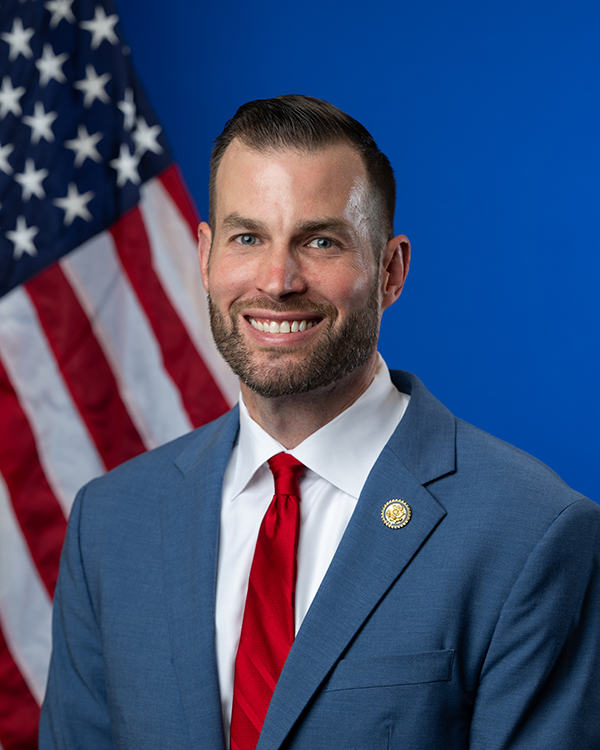
Christian D. Menefee
Christian D. Menefee House · District 18
D
Strong +
89% 9
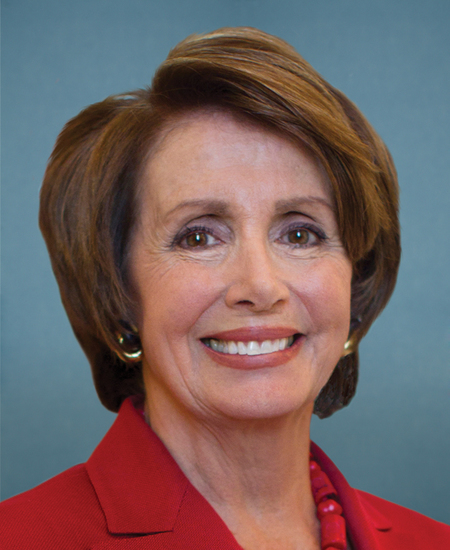
Nancy Pelosi
Nancy Pelosi House · District 11
D
Strong +
86% 21
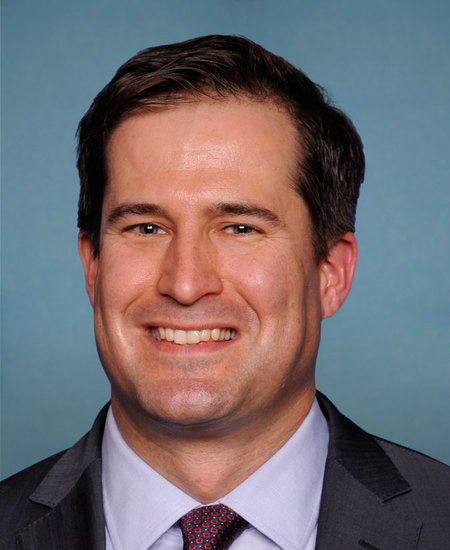
Seth Moulton
Seth Moulton House · District 6
D
Strong +
86% 21
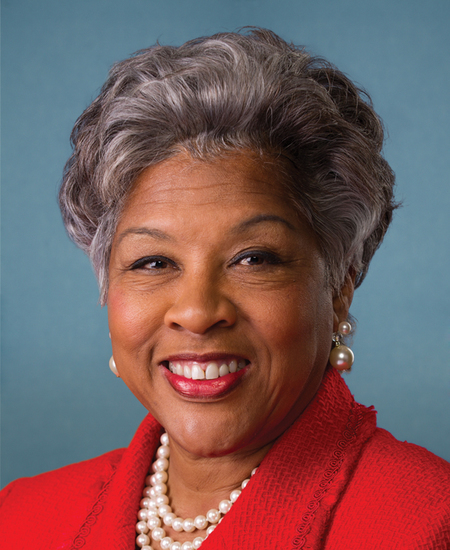
Joyce Beatty
Joyce Beatty House · District 3
D
Strong +
85% 20
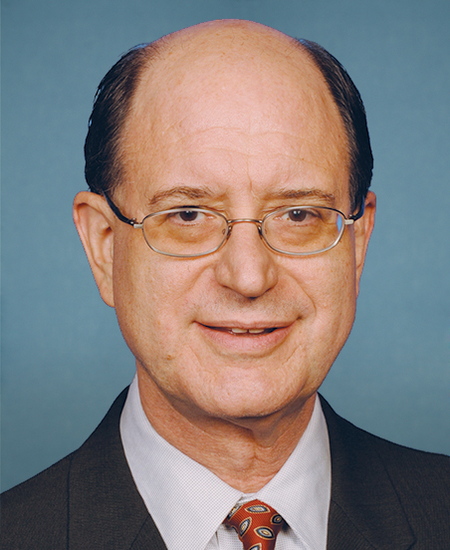
Brad Sherman
Brad Sherman House · District 32
D
Strong +
85% 26
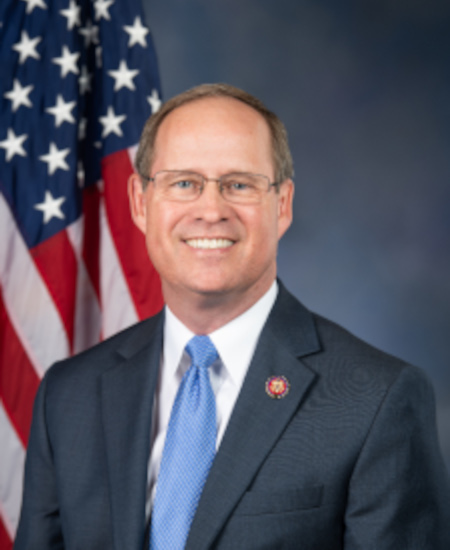
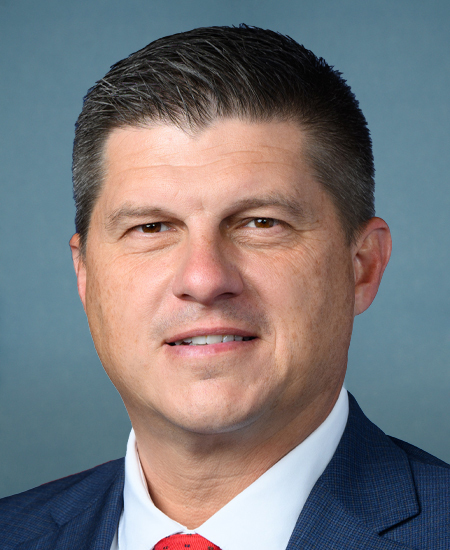
Gregory F. Murphy
Gregory F. Murphy House · District 3
R
Strong −
13% 23
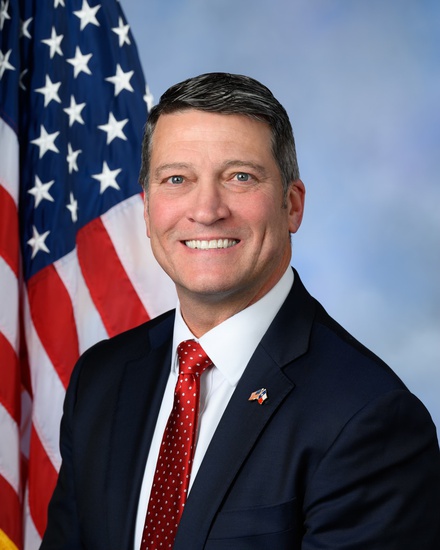
Ronny Jackson
Ronny Jackson House · District 13
R
Strong −
14% 28
Clay Fuller
Clay Fuller House · District 14
R
Strong −
14% 7
Brad Finstad
Brad Finstad House · District 1
R
Strong −
15% 26
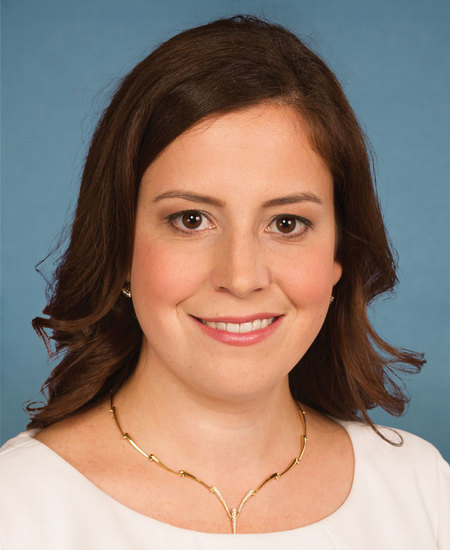
Elise M. Stefanik
Elise M. Stefanik House · District 21
R
Strong −
15% 26
Showing 301–310 of 833 bills

All immigration bills

in committee · United States · House Jul 23, 2025

HR 4687: Partner with Korea Act

The Partner with Korea Act creates a new visa category for South Korean nationals to work in specialty occupations in the U.S., with an annual cap of 15,000 visas. Employers must file an attestation with the Department of Labor, which the Secretary of Labor must certify before the visa is approved. The visa limit applies only to the principal worker and excludes spouses or children. This bill directly affects South Korean workers seeking specialty jobs and U.S. employers hiring them under this new category.
Sub-Topics Work Authorization
in committee · United States · House Oct 14, 2025

HRES 804: Recognizing the importance of Spanish-language media in the United States.

This resolution formally recognizes the vital role of Spanish-language media in serving over 41 million U.S. residents who speak Spanish at home. It affirms that access to Spanish-language news and entertainment is essential for community engagement, combating misinformation, and supporting democratic participation. The House resolution specifically commends Spanish-language media professionals and encourages policies that sustain this media sector, which provides culturally relevant information on elections, health, and civic life. As a symbolic gesture (not a law), it has no direct policy changes but highlights the sector's importance to Latino communities and national inclusivity.
in committee · United States · House Jan 20, 2026

HR 7156: SCAM Act

HR 7156, the SCAM Act, would expand grounds for revoking U.S. citizenship (denaturalization) for naturalized citizens who commit specific offenses within 10 years of becoming citizens. It targets individuals convicted of defrauding federal, state, or local governments (e.g., $10,000+ in public benefit fraud), affiliating with foreign terrorist organizations, or committing aggravated felonies or espionage. If convicted in these categories, the government could automatically revoke citizenship retroactively (as if it never existed) based on evidence that the person lacked good moral character or loyalty to the U.S. at the time of naturalization. This bill directly affects naturalized citizens who commit these offenses within a decade of gaining citizenship, with revocation triggering immediate deportability.
in committee · United States · House Mar 5, 2025

HR 1861: Checkpoint Modernization Act

The Checkpoint Modernization Act requires U.S. Customs and Border Protection (CBP) to prioritize renovating border checkpoints along the southern U.S. border to improve agent safety, enhance detection of smuggling and contraband, and reduce traffic congestion. It authorizes $150 million annually from 2025-2028 for these projects and mandates annual reports to Congress on costs and progress. The bill also rescinds unobligated funds from the EPA’s climate justice grants program to cover these border renovations. This directly affects Border Patrol agents, travelers at southern border checkpoints, and federal budget allocations for border security. The focus is on physical infrastructure upgrades and operational efficiency, not policy changes to border enforcement.
Sub-Topics Border Security
in committee · United States · House Jul 24, 2025

HR 4683: Securing America’s Ports of Entry Act of 2025

HR 4683, the Securing America’s Ports of Entry Act of 2025, requires U.S. Customs and Border Protection (CBP) to hire at least 1,000 additional officers annually until staffing targets are met based on workload data. This directly affects CBP officers, port operations, and facilities like airports and land borders by mandating increased staffing and infrastructure improvements for drug interdiction. Key provisions include a report on port infrastructure needs to enhance opioid detection, requiring CBP to identify technology gaps and safety equipment for officers. The bill also adds reporting requirements for temporary officer reassignments and agreements with ports, ensuring transparency for congressional committees. These changes aim to strengthen border security operations through concrete staffing and resource planning.
in committee · United States · House Oct 10, 2025

HR 5727: ERRPA

The End Racial and Religious Profiling Act of 2025 (ERRPA) prohibits law enforcement agencies from using race, ethnicity, national origin, religion, gender, or sexual orientation in deciding which individuals to stop or investigate. The bill requires federal, state, local, and tribal law enforcement agencies to implement policies eliminating racial profiling, including mandatory training, data collection on stops and searches disaggregated by protected characteristics, and complaint procedures. Agencies must track "hit rates" (percentage of stops resulting in finding contraband) to identify potential disparities in enforcement practices. The Attorney General will issue regulations for data collection and analysis, and must submit annual reports to Congress on racial profiling practices.
in committee · United States · House Feb 27, 2025

HR 1747: Break the Chain Act

HR 1747, the Break the Chain Act, replaces family-based visas for parents of U.S. citizens with a new temporary 5-year nonimmigrant visa program. It creates a new visa category (Section 101(a)(15)(W)) requiring U.S. citizen children to sponsor parents, who must provide proof of health insurance but cannot work or access public benefits during their stay. The bill invalidates future petitions for parents under current family visa categories (like Section 201(b)(2)(A)(i)) and takes effect October 1, 2025, while allowing some pre-existing approved cases to proceed. It directly affects parents seeking to live with U.S. citizen children and the citizens who would sponsor them.
in committee · United States · House Jan 15, 2025

HR 445: Border Security Investment Act

HR 445, the Border Security Investment Act, creates two new trust funds to fund border security by imposing a 37% fee on money transfers sent to the top 5 countries with the most unlawful border entries in the previous year. Money transfer companies pay this fee, with half the collected funds going to a Reimbursement Fund to reimburse border states for their security costs and the other half to a Security Fund for federal border technology, barriers, and Border Patrol staffing. The bill requires the Treasury to transfer these funds annually, sets a $50 billion cap on total fund balances (with excess funds directed to deficit reduction), and takes effect 30 days after enactment. It directly affects money transfer providers, border states, and federal border security operations.
Sub-Topics Border Security
in committee · United States · House Apr 8, 2025

HR 2729: Carnivals are Real Entertainment Act

HR 2729, the "Carnivals are Real Entertainment Act," creates a new temporary work visa category for carnival and circus workers. It directly affects mobile entertainment providers (like traveling carnivals, circuses, and affiliated food/game concession services) and their workers who perform essential tasks such as transporting, assembling, operating, and maintaining rides and equipment at seasonal fairs and festivals. The bill amends immigration law to define "mobile entertainment workers" as those entering temporarily for functions integral to these operations, subject to labor program requirements similar to other temporary work visas. It requires the Departments of Homeland Security and Labor to issue implementing rules within one year of enactment.
in committee · United States · House Sep 3, 2025

HR 5118: Protecting Law Enforcement from Doxxing Act

HR 5118, the "Protecting Law Enforcement from Doxxing Act," makes it a federal crime to publicly release the name of a federal law enforcement officer with the intent to obstruct a criminal investigation or immigration enforcement operation. The bill directly affects federal officers, including those working on immigration enforcement, by adding new protections to Title 18 of the U.S. Code. Key provisions create a new offense under Section 1510(f), punishable by fines, up to five years in prison, or both. The law specifically targets doxxing intended to interfere with official operations, not general public disclosure of officer identities.
Showing 301 to 310 of 833 bills
Previous 1 … 30 31 32 … 84 Next