Issue · Immigration

Immigration (Border Security)

Every immigration bill, vote, and legislator stance in United States, automatically classified by Maddy, our AI policy reader.

Total bills
106
119th Congress
Top supporter
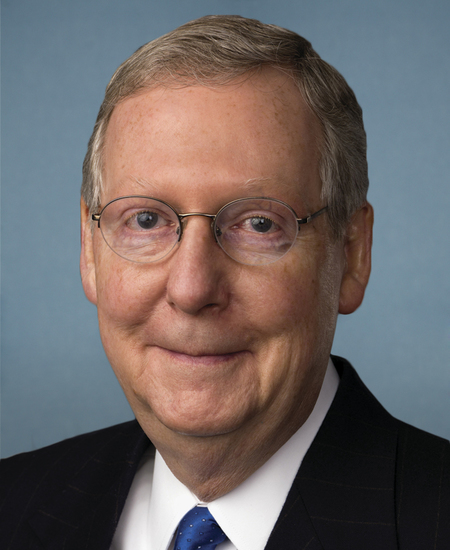
Mitch McConnell
93% support rate
Top opponent
Kristen McDonald Rivet
0% support rate
Ranked legislators
10
5 support · 5 oppose
Key legislators

Who's moving border security in United States

Legislators moving border security in United States
Legislator Party Stance Support rate Votes
Mitch McConnell
Mitch McConnell Senate
R
Strong +
93% 28
AA
Alan Armstrong Senate
R
Strong +
86% 28
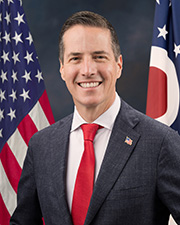
Bernie Moreno
Bernie Moreno Senate
R
Strong +
86% 28
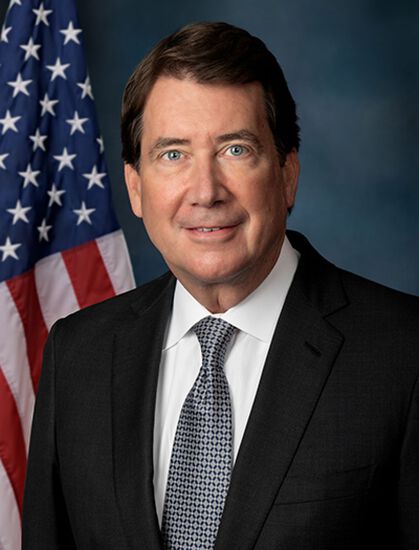
Bill Hagerty
Bill Hagerty Senate
R
Strong +
86% 28
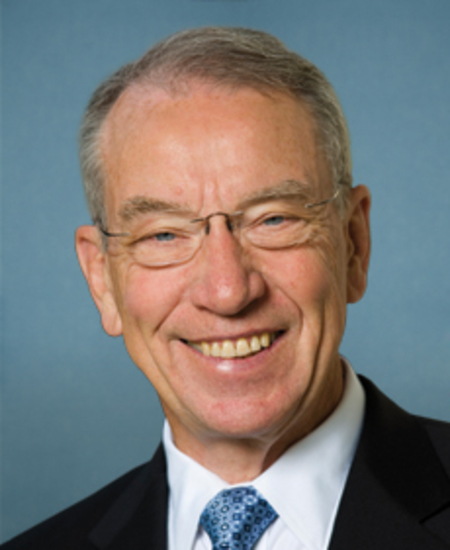
Chuck Grassley
Chuck Grassley Senate
R
Strong +
86% 28
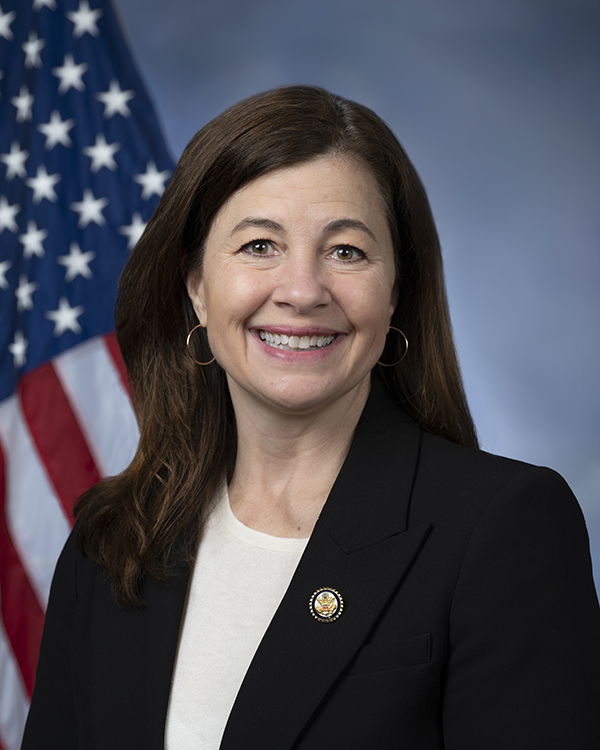
Kristen McDonald Rivet
Kristen McDonald Rivet House · District 8
D
Strong −
0% 3
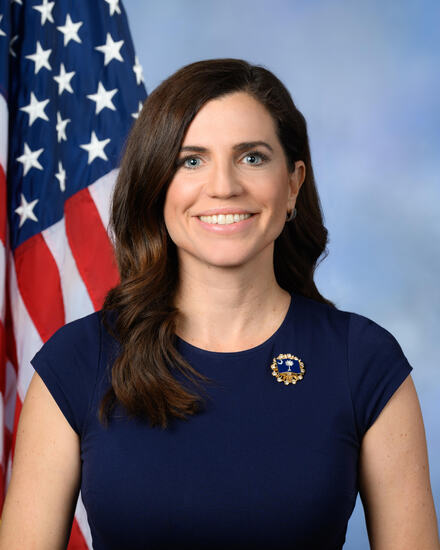
Nancy Mace
Nancy Mace House · District 1
R
Strong −
0% 3
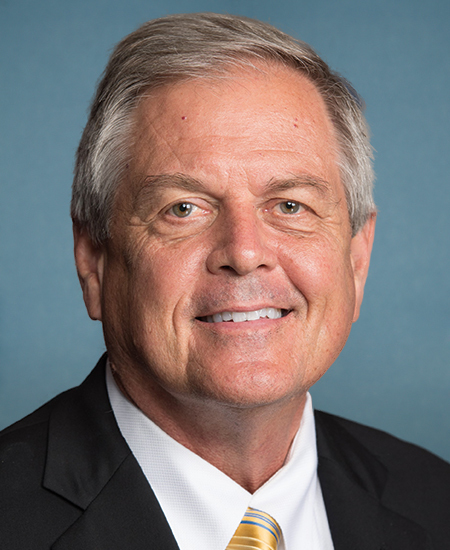
Ralph Norman
Ralph Norman House · District 5
R
Strong −
0% 3
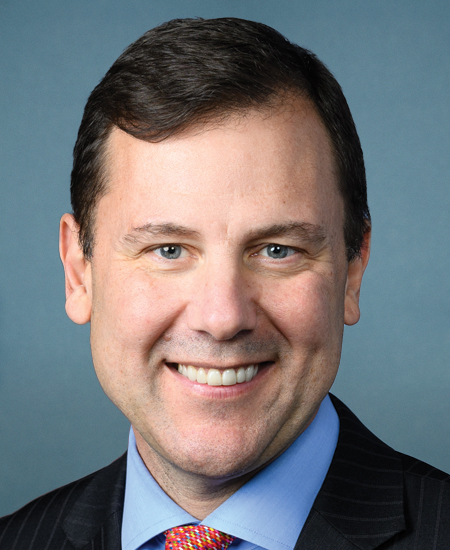
Thomas H. Kean, Jr.
Thomas H. Kean, Jr. House · District 7
R
Strong −
0% 3
Amy Klobuchar
Amy Klobuchar Senate
D
Strong −
14% 28
Showing 21–30 of 106 bills

All immigration bills

in committee · United States · House Feb 11, 2025

HR 1222: Operation Lone Star Reimbursement Act

Operation Lone Star Reimbursement Act This bill allows Texas to receive reimbursement for expenses incurred from 2021 through 2025 related to securing the southern U.S. border. Texas must submit these expenses to the Department of Homeland Security (DHS) and the Department of the Treasury. DHS must review the submission within 120 days and determine which expenses are eligible for reimbursement. Treasury must pay such reimbursable expenses within 60 days.
Sub-Topics Border Security
in committee · United States · House Dec 4, 2025

HR 6379: Shadow Wolves Improvement Act

HR 6379, the Shadow Wolves Improvement Act, amends the Homeland Security Act to establish new requirements for ICE's Shadow Wolves Program, which partners with tribal nations like the Tohono O'odham Nation. The bill requires ICE to define the program's mission, set staffing needs for special agents, create a recruitment/retention strategy with specific goals and timelines, and provide current Tactical Officers with clear details about reclassifying as special agents (including pay and training impacts). It also mandates a plan for filling vacancies due to retirements and outlines criteria for expanding the program to new tribal lands. The bill specifies no new funding is authorized for these changes and requires ICE to submit an implementation report to Congress within one year.
Sub-Topics Border Security Enforcement Tags Tribal Nations
in committee · United States · House Mar 5, 2025

HR 1861: Checkpoint Modernization Act

The Checkpoint Modernization Act requires U.S. Customs and Border Protection (CBP) to prioritize renovating border checkpoints along the southern U.S. border to improve agent safety, enhance detection of smuggling and contraband, and reduce traffic congestion. It authorizes $150 million annually from 2025-2028 for these projects and mandates annual reports to Congress on costs and progress. The bill also rescinds unobligated funds from the EPA’s climate justice grants program to cover these border renovations. This directly affects Border Patrol agents, travelers at southern border checkpoints, and federal budget allocations for border security. The focus is on physical infrastructure upgrades and operational efficiency, not policy changes to border enforcement.
Sub-Topics Border Security
in committee · United States · House Jul 24, 2025

HR 4683: Securing America’s Ports of Entry Act of 2025

HR 4683, the Securing America’s Ports of Entry Act of 2025, requires U.S. Customs and Border Protection (CBP) to hire at least 1,000 additional officers annually until staffing targets are met based on workload data. This directly affects CBP officers, port operations, and facilities like airports and land borders by mandating increased staffing and infrastructure improvements for drug interdiction. Key provisions include a report on port infrastructure needs to enhance opioid detection, requiring CBP to identify technology gaps and safety equipment for officers. The bill also adds reporting requirements for temporary officer reassignments and agreements with ports, ensuring transparency for congressional committees. These changes aim to strengthen border security operations through concrete staffing and resource planning.
in committee · United States · House Jan 15, 2025

HR 445: Border Security Investment Act

HR 445, the Border Security Investment Act, creates two new trust funds to fund border security by imposing a 37% fee on money transfers sent to the top 5 countries with the most unlawful border entries in the previous year. Money transfer companies pay this fee, with half the collected funds going to a Reimbursement Fund to reimburse border states for their security costs and the other half to a Security Fund for federal border technology, barriers, and Border Patrol staffing. The bill requires the Treasury to transfer these funds annually, sets a $50 billion cap on total fund balances (with excess funds directed to deficit reduction), and takes effect 30 days after enactment. It directly affects money transfer providers, border states, and federal border security operations.
Sub-Topics Border Security
in committee · United States · House Jun 11, 2025

HR 3891: Northern Border Security and Staffing Reform Act

This bill requires U.S. Customs and Border Protection (CBP) to update its Northern Border Security Threat Analysis every five years, including specific new elements. It mandates assessments of current staffing levels versus projected needs, future retirement surges (noting a 400% increase expected by 2028), housing challenges, and local recruitment plans for northern border ports. The bill also requires CBP to develop and update a plan addressing retirement surges, staffing shortages, and the feasibility of recruitment tools like bonuses or student loan repayment. These provisions directly affect CBP staffing at northern border ports, which face unique challenges like harsh weather and housing shortages that hinder officer retention.
Sub-Topics Border Security
in committee · United States · House Mar 6, 2025

HR 1916: Pay Our Border Patrol and Customs Agents Act of 2025

This bill ensures that U.S. Border Patrol agents and Customs and Border Protection (CBP) officers who remain on duty during a government shutdown receive their salaries. It appropriates funds from the Treasury for fiscal year 2025 to cover their pay during any shutdown period beginning after the bill's enactment. The provision specifically applies to CBP personnel who are not furloughed under standard shutdown protocols. It directly affects federal workers in CBP’s Border Patrol and Office of Field Operations during government funding gaps.
Sub-Topics Border Security
in committee · United States · House Jan 28, 2025

HR 816: Build the Wall Act of 2025

The Build the Wall Act of 2025 creates a new fund called the Southern Border Wall Construction Fund to finance physical barriers along the U.S. southern border. It requires all unspent funds from the Coronavirus State and Local Fiscal Recovery Funds (originally for pandemic relief) to be transferred immediately into this new account. The Secretary of Homeland Security would then use these redirected funds to construct and maintain border barriers. This bill changes how existing federal funds are allocated, shifting resources from pandemic recovery efforts to border security infrastructure.
Sub-Topics Border Security
in committee · United States · House Jan 3, 2025

HR 163: Finish the Wall Act

HR 163, the "Finish the Wall Act," mandates the immediate resumption of border wall construction along the U.S.-Mexico border within 24 hours of enactment. It requires the Department of Homeland Security to use all existing funds appropriated since 2016 for this purpose, prohibits canceling pre-January 2021 contracts, and sets a deadline of September 30, 2026, to complete the wall system. The bill directly affects the Department of Homeland Security, contractors with prior wall contracts, and border facilities, which must also comply with DNA collection requirements under federal law. It focuses on concrete policy actions - resuming construction, using existing funds, and meeting a specific timeline - without addressing broader policy impacts.
in committee · United States · House Feb 20, 2025

HR 534: CONTAINER Act

HR 534, the CONTAINER Act, allows Border States (adjacent to the U.S. northern or southern borders) to place temporary barriers on federal land without needing a special use permit, provided they notify the relevant federal agency 45 days in advance. The bill directly affects Border States and federal land management agencies (like the Bureau of Land Management and National Park Service) by streamlining the process for deploying short-term border security structures. Key provisions include a one-year initial placement period for these barriers, with potential 90-day extensions if U.S. Customs and Border Protection determines operational control hasn't been achieved. This eliminates a bureaucratic hurdle for states seeking rapid border security measures.
Sub-Topics Border Security
Showing 21 to 30 of 106 bills
Previous 1 2 3 4 11 Next