Issue · Immigration

Immigration (Enforcement)

Every immigration bill, vote, and legislator stance in United States, automatically classified by Maddy, our AI policy reader.

Total bills
437
119th Congress
Top supporter
Alan Armstrong
86% support rate
Top opponent
Catherine Cortez Masto
11% support rate
Ranked legislators
10
5 support · 5 oppose
Key legislators

Who's moving enforcement in United States

Legislators moving enforcement in United States
Legislator Party Stance Support rate Decisive votes
AA
Alan Armstrong Senate
R
Strong +
86% 29
Seth Moulton
Seth Moulton House · District 6
D
Strong +
83% 12
Mitch McConnell
Mitch McConnell Senate
R
Strong +
82% 33
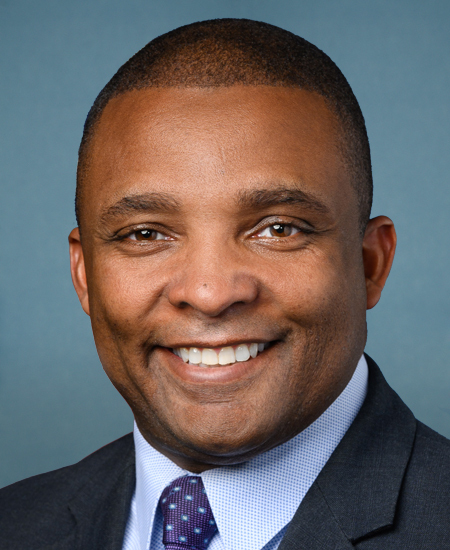
Joyce Beatty
Joyce Beatty House · District 3
D
Strong +
82% 11
Brad Sherman
Brad Sherman House · District 32
D
Strong +
80% 15
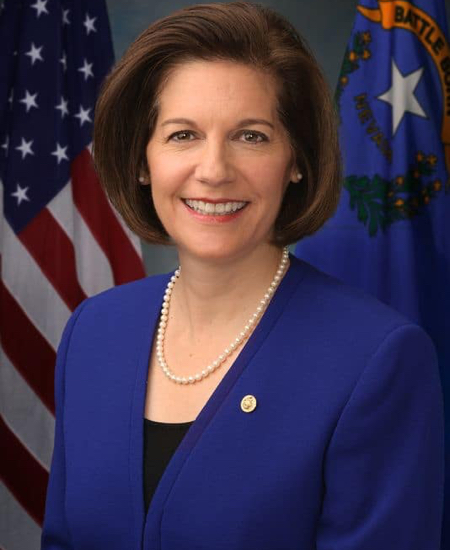
Catherine Cortez Masto
Catherine Cortez Masto Senate
D
Strong −
11% 35
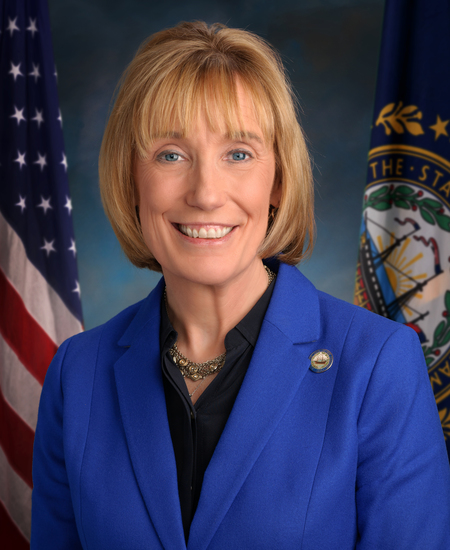
Margaret Wood Hassan
Margaret Wood Hassan Senate
D
Strong −
11% 35
Donald G. Davis
Donald G. Davis House · District 1
D
Strong −
12% 17
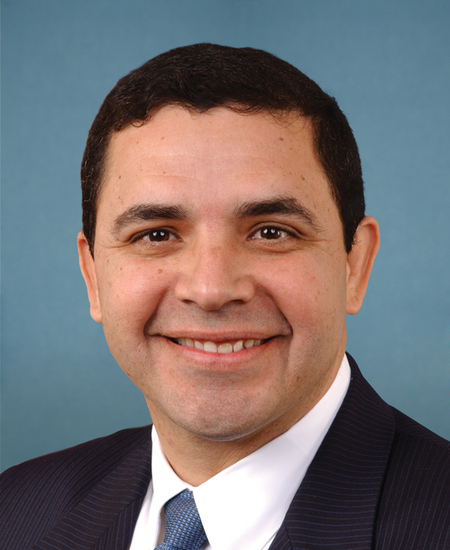
Henry Cuellar
Henry Cuellar House · District 28
D
Strong −
12% 17
Laura Gillen
Laura Gillen House · District 4
D
Strong −
12% 17
Showing 191–200 of 437 bills

All immigration bills

in committee · United States · House Jun 12, 2025

HR 4001: Prohibition on Funding to CECOT Act

HR 4001, the "Prohibition on Funding to CECOT Act," bans all U.S. federal funding for the CECOT prison in El Salvador and related activities. It prohibits current and future federal funds for the prison's construction, maintenance, operation, associated training/equipment, or costs of detaining individuals transported from the U.S. to El Salvador, including those held under immigration laws. The bill also requires rescinding any unspent funds previously allocated for these purposes and mandates a 90-day report detailing existing funding, contracts, and plans to reallocate or return funds. This directly affects U.S. government spending mechanisms and international aid programs involving the CECOT facility.
Sub-Topics Detention Enforcement
in committee · United States · House Apr 10, 2025

HR 2851: WISE Act

Working for Immigrant Safety and Empowerment Act or the WISE Act This bill expands eligibility for U nonimmigrant visas (victims of criminal activity) and prohibits immigration enforcement activities in specified areas. Generally, U visas are for victims of specified crimes (e.g., rape, trafficking, or domestic violence) who assist with the investigation or prosecution of the crime. The bill adds hate crimes, child abuse, and elder abuse as crimes that may qualify a victim for a U visa and removes criteria related to the victim's assistance with the investigation or prosecution of the crime.   Furthermore, the Department of Homeland Security (DHS) must provide work authorization to U visa applicants, whereas currently DHS may grant work authorization but is not required to do so. The bill also eliminates the annual numerical cap on U visas.  The bill establishes a rebuttable presumption that certain individuals, including U visa applicants and T visa (victims of human trafficking) applicants, shall not be detained while the application is pending. Additionally, the bill provides immigration-related protections, such as by extending the admission period and providing work authorization, to the spouse or child of a nonimmigrant visa holder who subjected that spouse or child to battery or extreme cruelty. Further, the bill prohibits, with some exceptions for exigent circumstances, U.S. Immigration and Customs Enforcement or U.S. Customs and Border Protection from conducting immigration enforcement actions within 1,000 feet of a school, health care facility, place of worship, or other location specified in the bill.
in committee · United States · House Aug 5, 2025

HR 4884: Correct the Count Act

HR 4884, the "Correct the Count Act," requires the U.S. Census Bureau to count only U.S. citizens in the next population census, rather than all residents. It mandates adding a citizenship checkbox to the census questionnaire so respondents can indicate citizenship status for themselves and household members. This change directly affects how census data is collected and used for apportioning congressional seats and distributing federal funds. The bill alters the fundamental methodology of the decennial census by excluding non-citizens from population tabulations.
in committee · United States · House Sep 19, 2025

HR 5535: Veteran Service Recognition Act of 2025

The Veteran Service Recognition Act of 2025 requires the Departments of Defense, Homeland Security, and Veterans Affairs to study noncitizen veterans removed from the U.S. between 1990 and 2025, including their service records and reasons they were denied benefits. It creates a system to identify noncitizen veterans before removal proceedings begin and establishes a Military Family Immigration Advisory Committee to review cases and recommend against removal for veterans. The bill also creates a program to streamline citizenship for noncitizen service members, allows adjustment of status for certain removed veterans, and modifies immigration requirements for family members of service members. These provisions directly affect noncitizen veterans, active duty service members, and their family members who are not U.S. citizens. The law aims to ensure veterans' service is properly recognized in immigration proceedings and to facilitate their path to citizenship.
in committee · United States · House Mar 31, 2025

HR 2490: No In-State Tuition for Illegal Immigrants Act

HR 2490, the "No In-State Tuition for Illegal Immigrants Act," would require states to charge non-citizens not lawfully present in the U.S. the same out-of-state tuition rate at public colleges as other non-residents, or risk losing federal education funding. Specifically, states that offer in-state tuition rates to undocumented immigrants would become ineligible for Title IV federal student aid funds under the Higher Education Act starting the year after the violation is identified. This provision directly affects public universities in states that currently provide in-state tuition to undocumented immigrants, as they would lose access to federal financial aid programs. The bill does not change state tuition laws directly but ties federal funding eligibility to compliance with the new requirement.
in committee · United States · House Mar 26, 2025

HR 2367: College Employment Accountability Act

HR 2367, the College Employment Accountability Act, requires colleges and universities receiving federal student aid or institutional funds to comply with immigration laws or risk losing that funding. Specifically, it prohibits institutions from receiving federal aid if they hire individuals without legal work authorization (violating Section 274A of immigration law) and mandates participation in the E-Verify employment verification program. The Department of Homeland Security must monitor compliance every six months and notify the Education Secretary within 10 days if an institution violates immigration rules or fails to use E-Verify. This directly affects all higher education institutions seeking federal financial assistance under the Higher Education Act.
in committee · United States · Senate Jul 14, 2025

S 2269: PRICE Act

The PRICE Act (S 2269) increases penalties for assaulting, resisting, or impeding U.S. Immigration and Customs Enforcement (ICE) officers or employees. It would double the maximum prison sentence and adjust the fine for such offenses when committed against ICE personnel, as specified in amended federal law (18 U.S.C. § 111). This bill directly affects individuals convicted of violent or obstructive acts against ICE officers, making their penalties more severe than for similar crimes against other federal officers. The key provision modifies existing penalties without changing the definition of the offense or creating new requirements for ICE operations.
in committee · United States · Senate Jul 30, 2025

S 2547: Kate's Law

S 2547 ("Kate's Law") increases penalties for non-citizens who enter the U.S. unlawfully or reenter after removal. It raises the mandatory prison term for aliens who enter without inspection (e.g., evading border checks) and later commit crimes punishable by over one year in prison from 2 to 5 years. For reentry offenses, it mandates minimum 10-year prison sentences for those convicted of serious crimes before removal, or who reenter after multiple removals or specific prior convictions. The bill directly affects non-citizens facing immigration enforcement actions under Sections 275 and 276 of the Immigration and Nationality Act.
in committee · United States · House Sep 11, 2025

HR 5319: LINE Act

The LINE Act (HR 5319) prohibits the Centers for Medicare and Medicaid Services (CMS) and the Department of Health and Human Services (HHS) from sharing Medicaid health data with U.S. Immigration and Customs Enforcement (ICE). Specifically, it blocks the disclosure of individually identifiable health information from Medicaid enrollment records (under Title XIX of the Social Security Act) to ICE for immigration enforcement purposes. This directly affects Medicaid enrollees, particularly those who may be immigrants, by preventing their health data from being used in immigration proceedings. The law creates a clear barrier between Medicaid health records and immigration enforcement efforts.
in committee · United States · House Apr 7, 2025

HR 2685: Crime Doesn’t Fly Act of 2025

HR 2685, the Crime Doesn’t Fly Act of 2025, prohibits the Transportation Security Administration (TSA) from accepting Immigration and Customs Enforcement (ICE) arrest warrants (Forms I-200 or I-205) as valid identification at airport security checkpoints. This directly affects travelers who might present these specific ICE forms as ID. The bill includes an exception allowing TSA to accept such forms only when an individual is being removed from the U.S. under immigration law. The law changes checkpoint procedures to prevent the use of immigration enforcement documents for identification purposes.
Showing 191 to 200 of 437 bills
Previous 1 … 19 20 21 … 44 Next