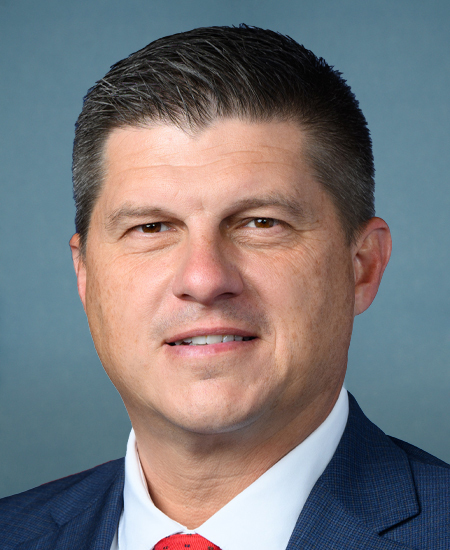
Issue · Immigration

Immigration

Every immigration bill, vote, and legislator stance in United States, automatically classified by Maddy, our AI policy reader.

Total bills
506
119th Congress
Top supporter
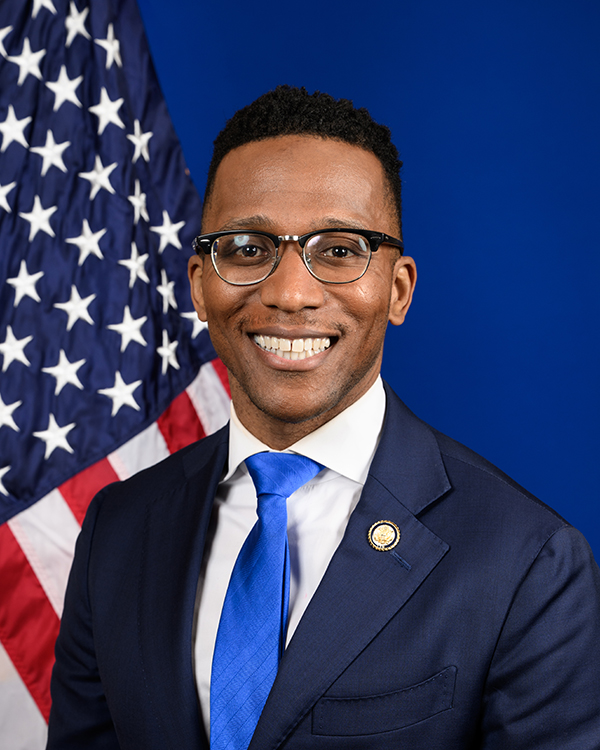
Christian D. Menefee
89% support rate
Top opponent
Gregory F. Murphy
13% support rate
Ranked legislators
10
5 support · 5 oppose
Key legislators

Who's moving immigration in United States

Legislators moving immigration in United States
Legislator Party Stance Support rate Decisive votes
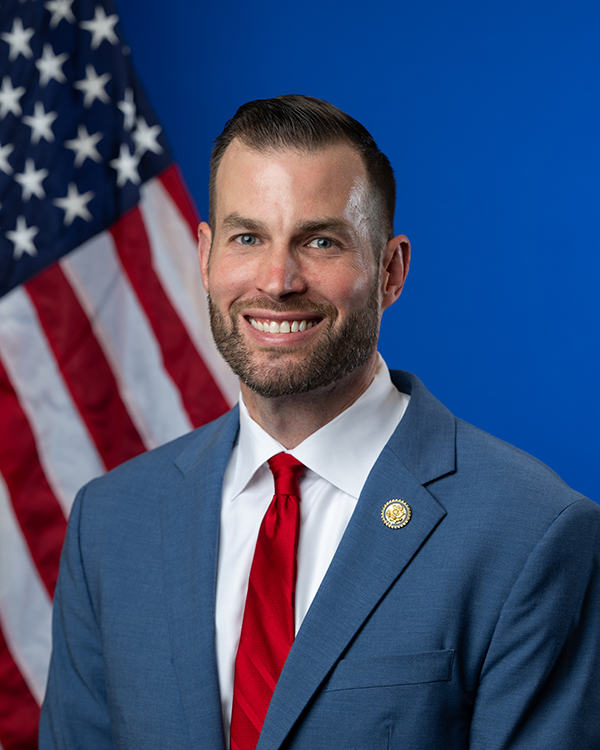
Christian D. Menefee
Christian D. Menefee House · District 18
D
Strong +
89% 9
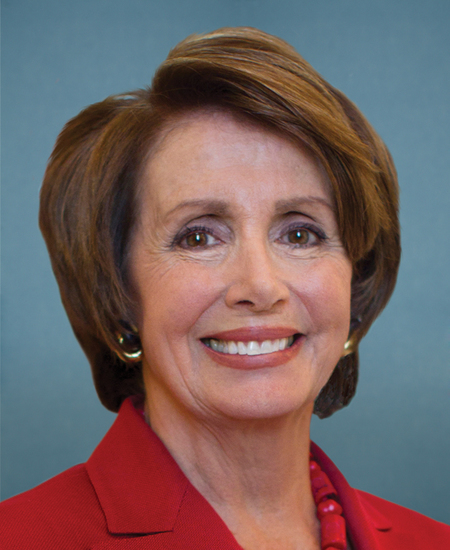
Nancy Pelosi
Nancy Pelosi House · District 11
D
Strong +
86% 21
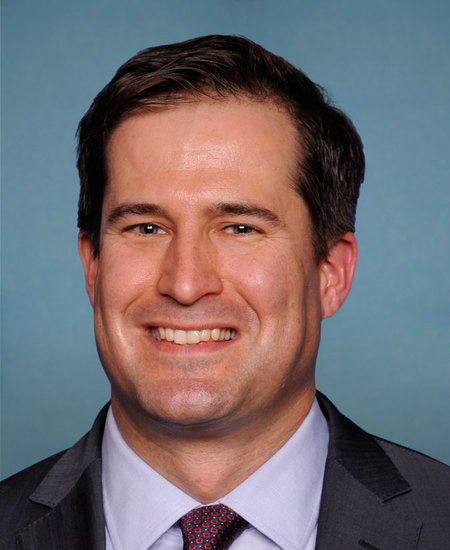
Seth Moulton
Seth Moulton House · District 6
D
Strong +
86% 21
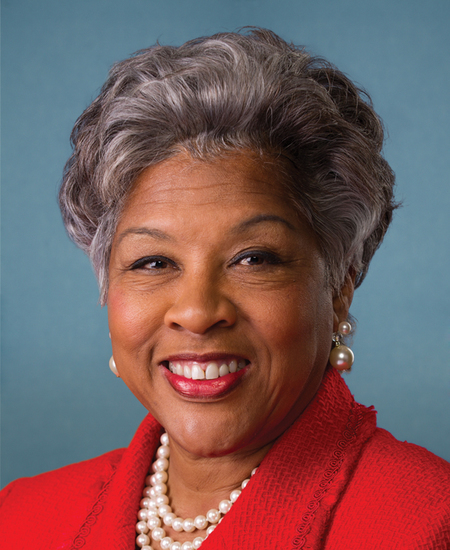
Joyce Beatty
Joyce Beatty House · District 3
D
Strong +
85% 20
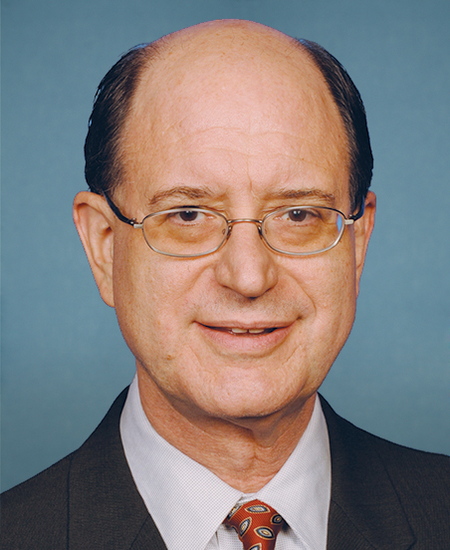
Brad Sherman
Brad Sherman House · District 32
D
Strong +
85% 26
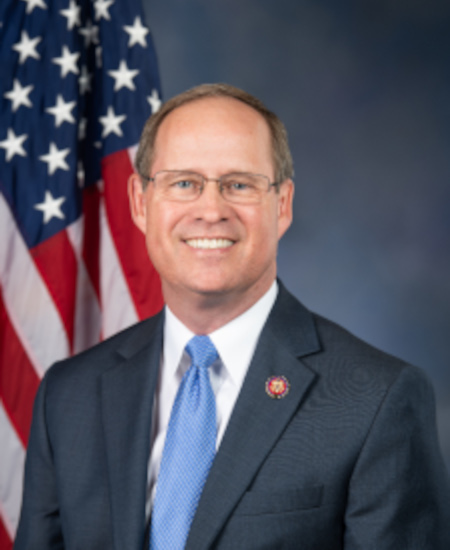
Gregory F. Murphy
Gregory F. Murphy House · District 3
R
Strong −
13% 23
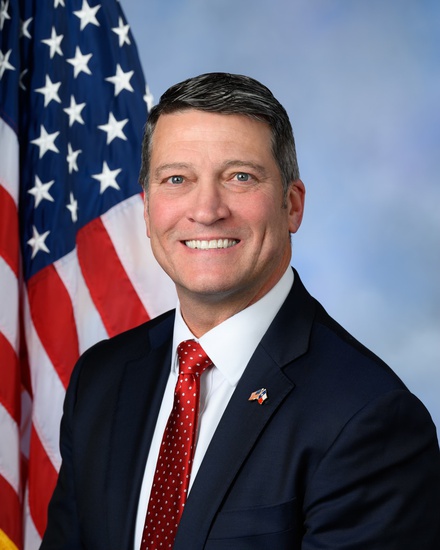
Ronny Jackson
Ronny Jackson House · District 13
R
Strong −
14% 28
Clay Fuller
Clay Fuller House · District 14
R
Strong −
14% 7
Brad Finstad
Brad Finstad House · District 1
R
Strong −
15% 26
Elise M. Stefanik
Elise M. Stefanik House · District 21
R
Strong −
15% 26
Showing 191–200 of 506 bills

All immigration bills

in committee · United States · House Feb 20, 2025

HR 534: CONTAINER Act

HR 534, the CONTAINER Act, allows Border States (adjacent to the U.S. northern or southern borders) to place temporary barriers on federal land without needing a special use permit, provided they notify the relevant federal agency 45 days in advance. The bill directly affects Border States and federal land management agencies (like the Bureau of Land Management and National Park Service) by streamlining the process for deploying short-term border security structures. Key provisions include a one-year initial placement period for these barriers, with potential 90-day extensions if U.S. Customs and Border Protection determines operational control hasn't been achieved. This eliminates a bureaucratic hurdle for states seeking rapid border security measures.
Sub-Topics Border Security
in committee · United States · Senate Jul 30, 2025

S 2555: Student Visa Integrity Act of 2025

The Student Visa Integrity Act of 2025 strengthens oversight of international student programs by requiring educational institutions to maintain accreditation (except for public elementary/secondary schools) before admitting international students. It increases criminal penalties for visa fraud related to educational institutions (to 15 years for officials), mandates disclosure of financial ties to the Chinese government, and requires background checks for school officials. The bill restricts students from certain countries from participating in nuclear science or flight training programs, limits online study to 10% of coursework per session, and requires a 30-day post-study period before students must leave the country. These changes directly affect international students, educational institutions participating in the Student and Exchange Visitor Program, and school officials.
in committee · United States · House Dec 19, 2025

HR 6907: Enhancing Southbound Inspections to Combat Cartels Act

This bill authorizes U.S. Customs and Border Protection to purchase up to 50 non-intrusive imaging systems and deploy them along the southern border for inspecting vehicles and people traveling from the U.S. to Mexico. It also requires hiring 100+ Homeland Security Investigations agents to focus on smuggling investigations involving currency, firearms, drugs, and human trafficking. The bill mandates that by March 2027, at least 10% of southbound vehicles must be inspected, with reports tracking seizure data on currency and firearms every 90 days. These provisions directly affect border enforcement operations, CBP equipment deployment, and HSI staffing at the U.S.-Mexico border.
in committee · United States · House May 7, 2025

HR 3227: Farm Workforce Modernization Act of 2025

# Summary of Farm Workforce Modernization Act of 2025 (Electronic Verification and Labor Recruiter Provisions) This legislation establishes a new electronic verification system (Section 274E) for employment eligibility verification, replacing the previous E-Verify program. Key provisions include: 1. **Electronic Verification System**: - Requires employers to verify identity and employment authorization through an electronic system - Establishes processes for tentative nonconfirmations and appeals - Creates an Electronic Verification Compensation Account to pay lost wages for individuals wrongly denied employment due to government error 2. **Phased Implementation for Agricultural Employers**: - Larger agricultural employers (500+ employees) must comply 6 months after implementation - Smaller employers (20-100 employees) must comply 12 months after implementation - Smallest employers (1-19 employees) must comply 15 months after implementation 3. **Foreign Labor Recruiter Accountability**: - Requires electronic registration of foreign recruiters - Prohibits recruiters from charging workers fees - Mandates required disclosures to workers about their rights and employment terms - Establishes bond requirements and enforcement mechanisms - Creates penalties for violations, including fines up to $25,000 per violation 4. **Key Protections**: - Prevents employers from terminating employment based on tentative nonconfirmations - Ensures individuals can contest verification issues within 10 business days - Requires notification of final nonconfirmations to employees - Protects against unfair immigration-related employment practices 5. **Transition Provisions**: - Repeals the E-Verify program from the Illegal Immigration Reform and Immigrant Responsibility Act - Establishes coordination between Department of Homeland Security, Social Security Administration, and Department of Agriculture - Includes rural access to assistance for individuals contesting verification issues The legislation aims to modernize employment verification while protecting workers' rights and preventing exploitation in the agricultural workforce.
Sub-Topics Work Authorization
passed · United States · House Dec 17, 2025

HR 4371: Kayla Hamilton Act

The Kayla Hamilton Act amends rules for placing unaccompanied immigrant children under 12 in foster care. It requires the Health and Human Services Secretary to contact the child's country of origin for criminal records, check for gang-related tattoos/markings, and place children with gang ties in secure facilities. The bill also mandates detailed background checks for host families, including immigration status, criminal history, and sex offender registry checks, before placement. These changes directly affect unaccompanied immigrant children in federal custody and the agencies managing their placements. The law aims to strengthen safeguards during the placement process without altering existing trafficking prevention programs.
Tags Children
in committee · United States · Senate Feb 24, 2025

S 685: Stop Dangerous Sanctuary Cities Act

This bill defines "sanctuary jurisdiction" as a state or local government that prohibits sharing immigration status information with federal authorities or refuses to comply with federal immigration detainers (requests to hold individuals for immigration enforcement). It makes such jurisdictions ineligible for specific federal grants, including Economic Development Administration funds and Community Development Block Grants, by requiring that grant projects be located in areas not designated as sanctuary jurisdictions. Jurisdictions found to be sanctuary jurisdictions must return any grant funds received during the period they were designated as such and cannot receive future funds until compliance is achieved. The bill takes effect on October 1, 2025.
in committee · United States · House Mar 4, 2025

HR 1837: Timely Departure Act

HR 1837, the Timely Departure Act, requires most nonimmigrant visa holders (such as students, temporary workers, and tourists) to pay a $5,000-$50,000 bond to ensure they depart the U.S. before their authorized stay ends. If they fail to leave by midnight on their expiration date, the bond is automatically forfeited (with no appeal), and the funds go to a detention/enforcement account. The bill also mandates that nonimmigrants seeking asylum must apply before their stay ends, or they lose eligibility to apply later. Forfeiture triggers a 4-12 year ban on obtaining any future immigration status or adjustment. Certain visa categories (like tourist visas under section 101(a)(15)(B)) and visa waiver program nationals are exempt from the bond requirement.
in committee · United States · House Feb 6, 2025

HR 1079: CARTEL Act of 2025

Cartel And Radical Terrorist Enforcement Log Act of 2025 or the CARTEL Act of 2025 This bill requires U.S. Customs and Border Protection to publish each month statistics related to encounters and arrests. The report must include, for example, the total number of individuals affiliated with transnational criminal organizations who have repeatedly attempted to cross unlawfully into the United States. The Department of Homeland Security must report annually on foreign terrorist organizations and transnational criminal organizations attempting to move their members or affiliates into the United States through the southern, northern, or maritime border.
in committee · United States · House Jan 6, 2026

HR 6946: Temporary Protected Status Reform Act of 2026.

HR 6946, the Temporary Protected Status Reform Act of 2026, would terminate TPS for nationals from Somalia, Sudan, Syria, Yemen, and Lebanon. It requires these individuals to depart the U.S. within 180 days of the law's enactment, unless they already hold other lawful immigration status (such as permanent residency, asylum, or another non-TPS visa). Employment authorization tied to TPS would expire on the termination date, and the Secretary of Homeland Security cannot redesignate these countries for TPS without new legislation. The bill explicitly states it does not require granting relief or limit existing immigration enforcement authority.
in committee · United States · House Jan 9, 2025

HR 285: Advanced Border Coordination Act of 2025

HR 285, the Advanced Border Coordination Act of 2025, requires the Department of Homeland Security to establish at least two Joint Operations Centers along the southern border within six months of enactment. These centers will enable coordinated operations between federal (including DHS, Defense, and Justice), state, local, and tribal law enforcement agencies to address threats like drug trafficking, human trafficking, illegal border crossings, and weapons seizures. Key mechanisms include centralized communication for field operations, shared information protocols, personnel deployment tracking, and annual reporting to Congress on center operations, resource use, and communication gaps. The bill directly affects border agencies and tribes participating in these coordinated efforts, aiming to improve interagency collaboration without specifying new enforcement powers.
Showing 191 to 200 of 506 bills
Previous 1 … 19 20 21 … 51 Next