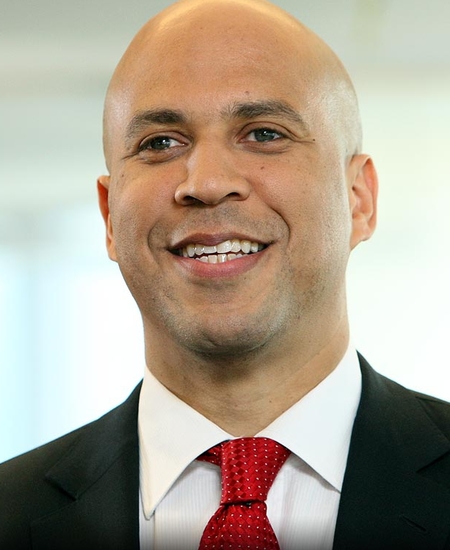
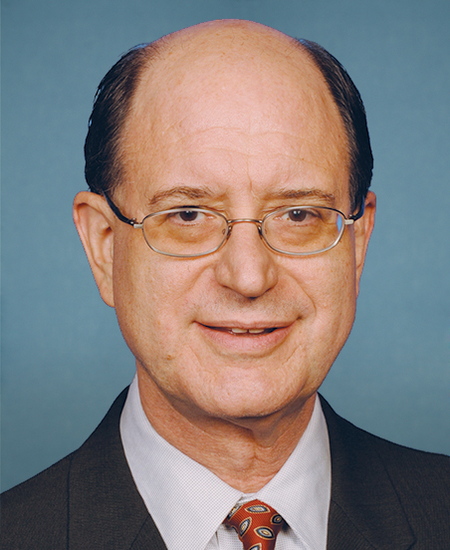
The ICE Accountability Act establishes an independent Commission to monitor U.S. immigration enforcement agencies (including ICE and CBP) for compliance with civil rights and liberties laws. The Commission will observe operations, review records like body camera footage, accept public complaints, and issue monthly public reports; it can issue findings of serious violations and refer cases to prosecutors for potential criminal charges. The Commission has subpoena power to access agency records and can take legal action against noncompliant agencies, imposing daily penalties of $500,000 for ongoing violations. The Commission, staffed by four non-governmental monitors appointed by congressional leaders, will operate for up to four years or until agencies achieve sustained compliance with oversight requirements.
This bill would prohibit the detention of pregnant women, lactating women, and postpartum mothers (within one year of childbirth) in immigration custody, requiring their immediate release except in rare circumstances involving public safety threats. It bans the use of physical restraints on these individuals during pregnancy, labor, delivery, and postpartum recovery, with only extremely limited exceptions. The bill mandates that facilities provide comprehensive reproductive health care including prenatal care, labor and delivery services, postpartum care, and access to abortion services. It requires facilities to maintain medical records, obtain informed consent for medical procedures, and conduct weekly reviews of any detained individuals under exceptional circumstances. The bill also establishes reporting requirements for facilities and creates transparency through public reporting of detention practices.
This bill would require the Attorney General to annually identify state or local governments that fail to comply with federal immigration cooperation laws, such as sharing immigration status information or honoring detainer requests. Jurisdictions found non-compliant would lose eligibility for all federal financial assistance (including grants and programs) for at least one year. The law mandates annual reports to Congress and allows any member of Congress to request compliance reports on specific jurisdictions. It directly affects cities, counties, and states that do not follow federal immigration enforcement directives.
This bill would make non-citizens deportable if they incite or participate in riots during civil unrest involving assaults on law enforcement or military personnel, or destruction of public property, and who were unlawfully present, had DACA, or were lawful permanent residents at the time of the offense. It permanently bars such individuals from reentering the U.S. or accessing any relief from deportation, including asylum, cancellation of removal, or future DACA benefits. During declared emergencies (such as national disasters or state emergencies), the law mandates expedited removal and mandatory detention for those covered, with no discretion for enforcement.
HR 7544, the Illegal Alien Animal Abuser Removal Act of 2026, amends U.S. immigration law to make certain animal cruelty convictions grounds for denying entry or requiring deportation. The bill adds that non-citizens convicted of (or who admit to) animal cruelty or animal fighting under federal law (18 U.S.C. §§ 48-49) or comparable state/local laws - regardless of whether the offense is a misdemeanor or felony - are inadmissible upon entry and deportable after entry. It directly affects non-citizens with such convictions, expanding existing immigration restrictions to include animal cruelty offenses. The bill creates no new criminal penalties but links existing animal welfare violations to immigration consequences.
HR 1485, the Alien Removal Not Resort Stays Act, terminates all federal funding for FEMA's Shelter and Services Program starting upon its enactment. It redirects all unobligated funds previously allocated to this program into U.S. Immigration and Customs Enforcement (ICE) for enforcement, detention, and removal operations. The bill directly affects FEMA's disaster shelter program and shifts its budget authority to immigration enforcement activities. This represents a concrete policy change in federal funding priorities, moving resources from disaster relief to immigration enforcement.
S 1201, the Strengthening Immigration Procedures Act of 2025, changes how immigrants can challenge ineffective legal representation in removal proceedings. It removes a unique requirement that previously forced immigrants to file complaints with state bar associations before claiming their lawyers performed poorly, which created barriers to fair hearings. The bill instead applies the standard from *Strickland v. Washington* (used in criminal cases) to immigration matters, allowing immigrants to directly argue that their lawyer’s serious errors denied them a fair process. This affects all immigrants facing deportation or removal proceedings who seek to challenge their counsel’s performance, regardless of when their case began.
Mandatory Removal Proceedings Act This bill requires the immediate initiation of removal proceedings against a non-U.S. national ( alien under federal law) whose visa is revoked on security and related grounds.
This bill prohibits U.S. Immigration and Customs Enforcement (ICE) and other federal immigration authorities from establishing, operating, expanding, or reopening detention facilities in Washington County, Maryland. It bans the use of federal funds for any such facility in the county and requires all federal agencies to respect local community concerns about immigration detention. Residents, local officials, or the state can legally challenge violations in court. The bill directly affects Washington County residents and local decision-making by preventing federal immigration detention operations in the area.
HR 4298, the ICE Badge Visibility Act of 2025, requires U.S. Immigration and Customs Enforcement (ICE) officers to visibly display their badge numbers on their person during any interaction involving questioning, arresting, or detaining an individual. This bill directly affects ICE officers, who must comply with the new identification requirement, and the public, who would see the badge numbers during enforcement encounters. The key provision amends the Immigration and Nationality Act to mandate that officers show their badge number visibly during specific enforcement actions. The bill does not change immigration policy or enforcement procedures, only requiring clear officer identification during certain interactions.