Issue · Immigration

Immigration (Citizenship & Naturalization)

Every immigration bill, vote, and legislator stance in United States, automatically classified by Maddy, our AI policy reader.

Total bills
134
119th Congress
Top supporter
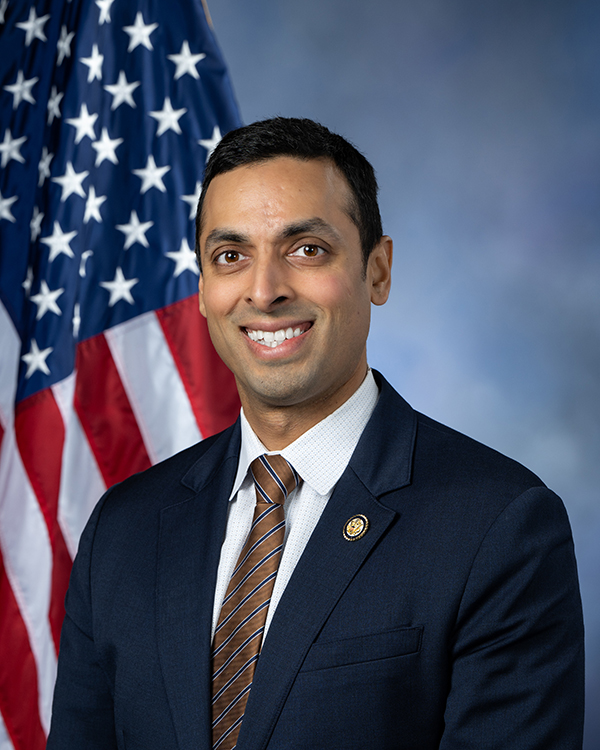
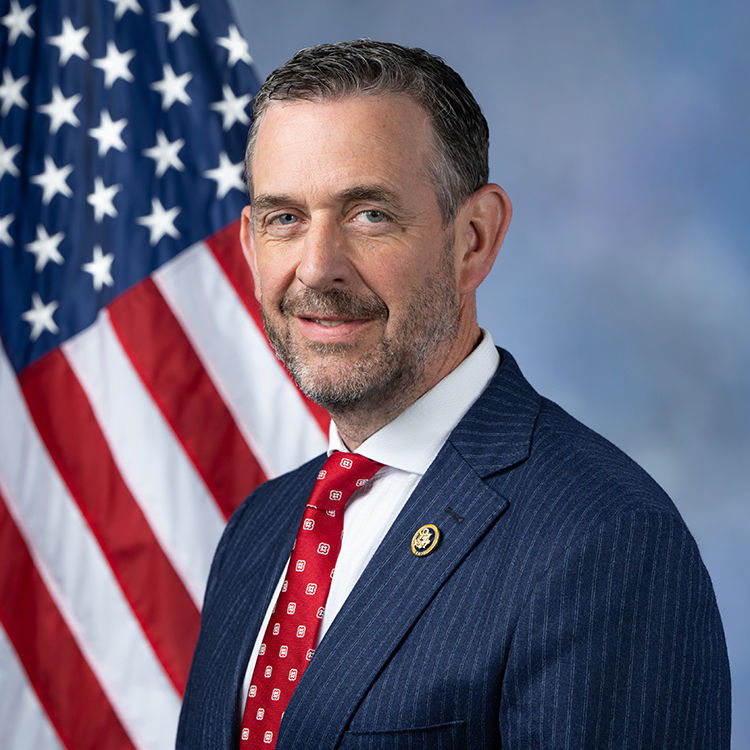
Suhas Subramanyam
100% support rate
Top opponent
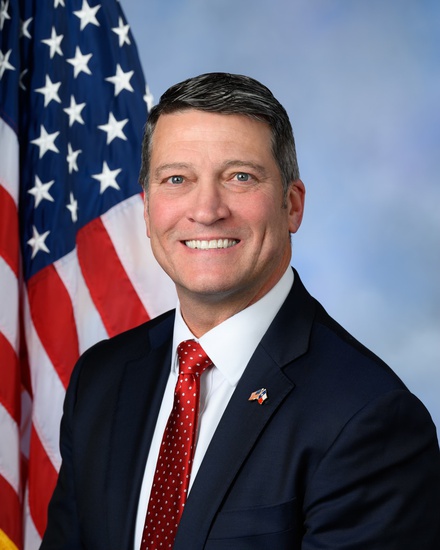
Ronny Jackson
0% support rate
Ranked legislators
10
5 support · 5 oppose
Key legislators

Who's moving citizenship & naturalization in United States

Legislators moving citizenship & naturalization in United States
Legislator Party Stance Support rate Decisive votes
Suhas Subramanyam
Suhas Subramanyam House · District 10
D
Strong +
100% 4
Jake Auchincloss
Jake Auchincloss House · District 4
D
Strong +
100% 3
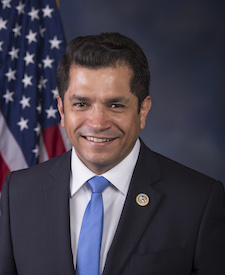
Jimmy Gomez
Jimmy Gomez House · District 34
D
Strong +
100% 3
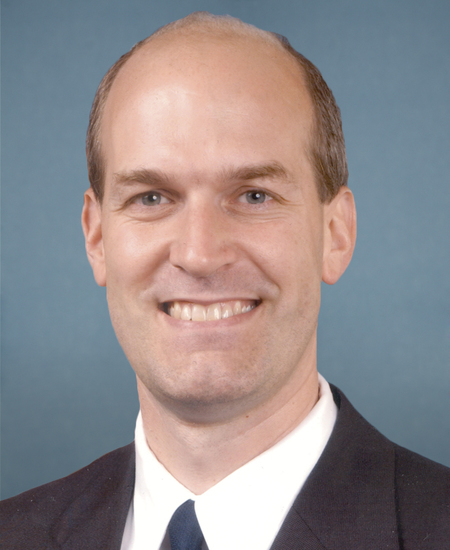
Rick Larsen
Rick Larsen House · District 2
D
Strong +
100% 3
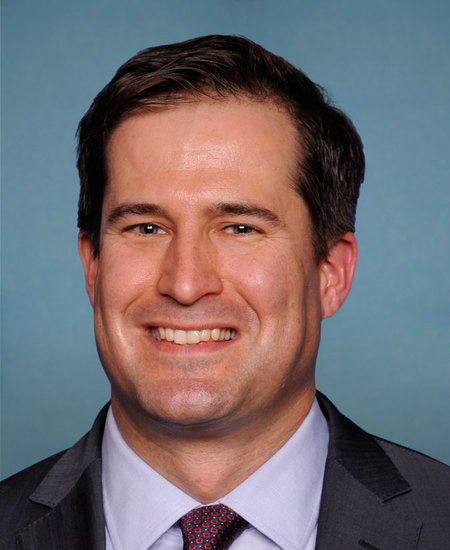
Seth Moulton
Seth Moulton House · District 6
D
Strong +
100% 3
Ronny Jackson
Ronny Jackson House · District 13
R
Strong −
0% 5
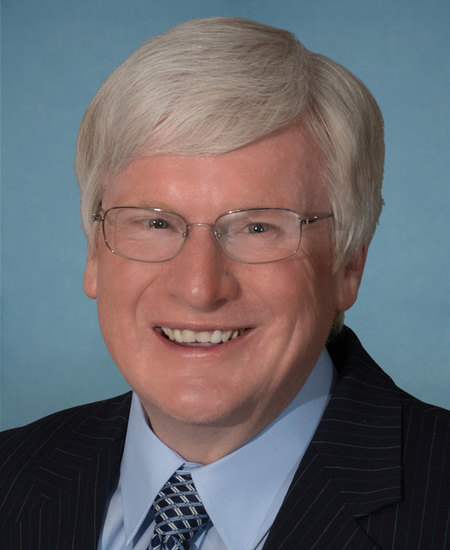
Glenn Grothman
Glenn Grothman House · District 6
R
Strong −
0% 4
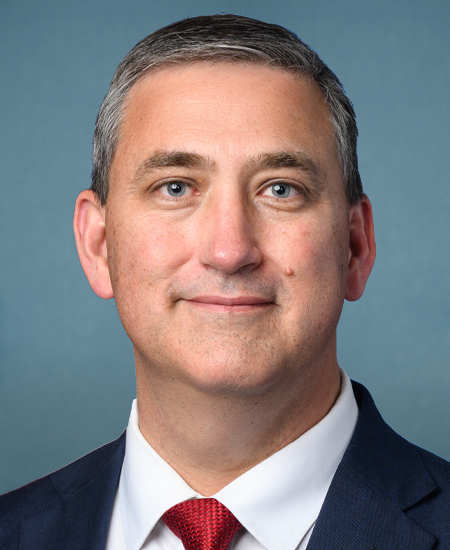
Michael A. Rulli
Michael A. Rulli House · District 6
R
Strong −
0% 4
Elise M. Stefanik
Elise M. Stefanik House · District 21
R
Strong −
0% 3
Nathaniel Moran
Nathaniel Moran House · District 1
R
Strong −
0% 3
Showing 101–110 of 134 bills

All immigration bills

in committee · United States · House Jan 3, 2025

HR 174: Consequences for Social Security Fraud Act

HR 174 adds new grounds for inadmissibility and deportability related to specific fraud offenses. It targets non-citizens convicted of, or admitting to, Social Security fraud (using false account numbers/cards), identification document fraud, or fraud involving pandemic-era loans or grants (like those under the Small Business Act or American Rescue Plan). The bill amends immigration law to make such individuals ineligible for entry into the U.S. or subject to removal. It directly affects non-citizens who commit these defined offenses, not general fraud cases. The policy change is limited to these specific fraud categories tied to federal pandemic programs and Social Security/ID documents.
in committee · United States · Senate Feb 10, 2025

S 497: FENCE Act

The FENCE Act amends the tax code to deny 501(c)(3) tax-exempt status to organizations that knowingly provide financial assistance, benefits, or material support to individuals unlawfully present in the U.S. It directly affects nonprofits, community foundations, and religious organizations that may assist undocumented immigrants. The key provision adds a new requirement that organizations must not engage in a "pattern or practice" of such support, without mandating proof of citizenship or requiring religious groups to violate their beliefs. This change would take effect upon the bill's enactment, altering how tax-exempt status is maintained for qualifying organizations.
in committee · United States · Senate Feb 12, 2025

S 542: English Language Unity Act of 2025

S 542, the English Language Unity Act of 2025, designates English as the official language of the U.S. federal government. It requires all federal government functions - such as laws, regulations, and public communications - to be conducted in English, with exceptions for national security, census work, public health, and Native American language preservation. The bill also mandates that naturalization ceremonies be held in English and that applicants demonstrate understanding of foundational U.S. documents like the Constitution. This directly affects federal agencies, naturalization applicants, and government communications, while preserving existing language rights under specific circumstances.
in committee · United States · Senate Dec 2, 2025

S 3309: Building Housing for the American Dream Act

This bill amends the EB-5 immigrant investor visa program to prioritize housing projects. It redefines "housing project" to include rental housing or homes for purchase as primary residences and directs U.S. Citizenship and Immigration Services to prioritize processing applications for such projects, especially those using federal housing programs like Section 42 tax credits or HOME funds. The bill requires annual reports from Homeland Security on housing-related EB-5 applications and impacts, and mandates a GAO review after three years to assess whether the changes increase immigrant investment in housing. It does not change visa quotas or create new funding but streamlines processing for housing-focused investments.
in committee · United States · House Jun 9, 2025

HR 3832: Kerrie Orozco First Responders Family Support Act

HR 3832, the Kerrie Orozco First Responders Family Support Act, allows the naturalization (becoming a U.S. citizen) of surviving spouses, children, or parents of public safety officers who died from work-related injuries or illnesses, without requiring prior physical presence in the U.S. The bill amends immigration law to remove the standard requirement for physical presence within the U.S. for these family members. It directly affects immediate family members of fallen first responders, including police, firefighters, and emergency medical personnel defined under existing law. The key provision streamlines citizenship eligibility for grieving families who would otherwise face lengthy residency hurdles.
Sub-Topics Citizenship & Naturalization Tags Public Safety
in committee · United States · House Jan 22, 2026

HR 7213: Safeguarding Benefits for Americans Act of 2026

HR 7213, the *Safeguarding Benefits for Americans Act of 2026*, requires U.S. citizenship or nationality for eligibility for most federal assistance programs (like SNAP, housing aid, or Medicaid). It mandates applicants to submit a written declaration under penalty of perjury and provide documentary proof (e.g., birth certificate, SSN) verified through Social Security Administration and DHS databases. The bill affects individuals applying for or receiving federal benefits, with exceptions for children in households where at least one member meets the requirement (e.g., children in SNAP or elderly housing programs). It takes effect 1 year after enactment, requiring all current recipients to meet the new rules within 2 years.
in committee · United States · Senate May 20, 2025

S 1812: Ban Birth Tourism Act

This bill amends U.S. immigration law to make certain nonimmigrant visa applicants inadmissible if their primary purpose for entering the U.S. is to give birth and automatically grant citizenship to their child. It specifically targets individuals seeking temporary visas (like tourist visas) primarily to obtain U.S. citizenship for their child through birth in the U.S., barring their admission. The bill includes a key exception: it does not apply to those seeking legitimate medical treatment related to childbirth if citizenship for the child is not the main reason for entry. The policy change would directly affect noncitizens attempting to enter the U.S. on temporary visas for the sole purpose of birthright citizenship.
in committee · United States · House Dec 18, 2025

HR 6854: No Welfare for Non-Citizens Act

HR 6854, the "No Welfare for Non-Citizens Act," would remove all federal public benefit eligibility for non-citizens under current law. It amends the 1996 welfare law by eliminating exceptions that previously allowed certain non-citizens (like "qualified aliens") to access benefits such as cash assistance and unemployment benefits. The bill repeals existing provisions that permitted limited eligibility and explicitly states non-citizens are ineligible for all federal public benefits. This change would directly affect non-citizens without specific immigration statuses, removing their access to programs like SNAP (food stamps) or Temporary Assistance for Needy Families (TANF) that were previously available under limited circumstances.
in committee · United States · Senate Jul 15, 2025

S 2274: Constitutional Citizenship Clarification Act of 2025

This bill would amend the Immigration and Nationality Act to exclude certain children born in the U.S. from automatic birthright citizenship. Specifically, it targets children born to parents who are: (1) unlawfully present in the U.S., (2) present for diplomatic purposes, or (3) engaged in hostile operations like spying or terrorism. The change directly affects the citizenship status of these children by adding explicit statutory exceptions to the current birthright citizenship rule. It codifies existing judicial interpretations (like the diplomat exception) and expands the scope to include illegal immigrants and hostile actors.
in committee · United States · Senate Mar 26, 2025

S 1151: Accountability Through Electronic Verification Act

Accountability Through Electronic Verification Act This bill expands the E-Verify program by requiring all employers to use it and permanently reauthorizes the program. Currently, E-Verify use is voluntary for most employers, although some states mandate its use. All employers must use E-Verify to confirm the identity and employment eligibility of all recruited, referred, or hired individuals, including current employees who were never verified under the program. Failure to use E-Verify shall create a rebuttable presumption that the employer is violating immigration law. U.S. Citizenship and Immigration Services must generate weekly reports about individuals who have received a final nonconfirmation of employment eligibility. The Department of Homeland Security (DHS) must use the report to enforce immigration laws. The bill increases civil and criminal penalties for hiring non-U.S. nationals ( aliens under federal law) who are not authorized to work. DHS must bar repeat offenders and those criminally convicted from holding federal contracts, grants, or cooperative agreements. The Social Security Administration, Internal Revenue Service, Department of the Treasury, and DHS must jointly establish a program to share information to help identify non-U.S. nationals who are not authorized to work. The bill establishes the Employer Compliance Inspection Center within Homeland Security Investigations of U.S. Immigration and Customs Enforcement. The center's duties include processing I-9 employment eligibility verification forms and ensuring compliance with employment eligibility laws. DHS must report to Congress on ways to simplify procedures relating to I-9 forms and on whether the I-9 process should be eliminated.
Showing 101 to 110 of 134 bills
Previous 1 … 10 11 12 … 14 Next