Issue · Immigration

Immigration (Citizenship & Naturalization)

Every immigration bill, vote, and legislator stance in United States, automatically classified by Maddy, our AI policy reader.

Total bills
134
119th Congress
Top supporter
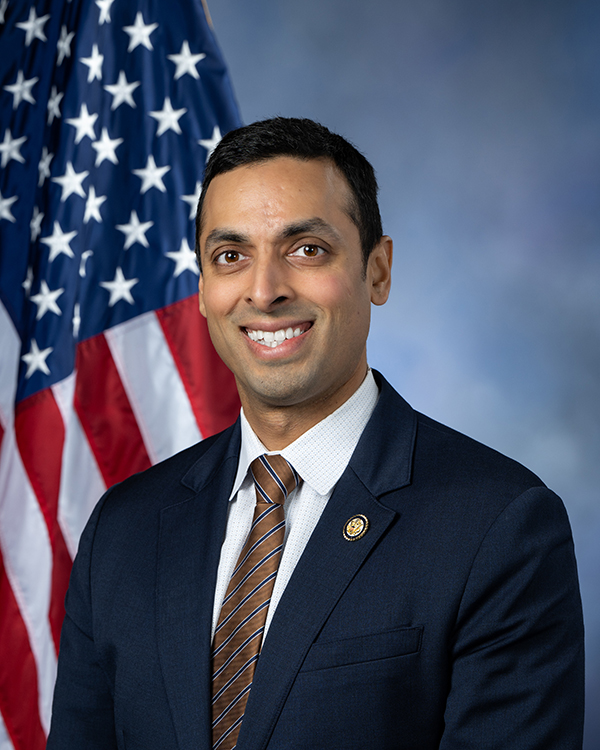
Suhas Subramanyam
100% support rate
Top opponent
Ronny Jackson
0% support rate
Ranked legislators
10
5 support · 5 oppose
Key legislators

Who's moving citizenship & naturalization in United States

Legislators moving citizenship & naturalization in United States
Legislator Party Stance Support rate Decisive votes
Suhas Subramanyam
Suhas Subramanyam House · District 10
D
Strong +
100% 4
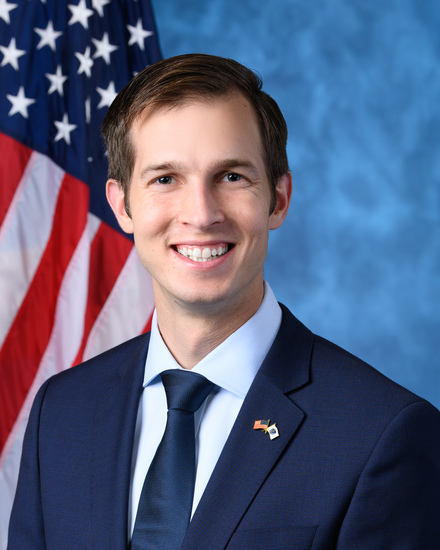
Jake Auchincloss
Jake Auchincloss House · District 4
D
Strong +
100% 3
Jimmy Gomez
Jimmy Gomez House · District 34
D
Strong +
100% 3
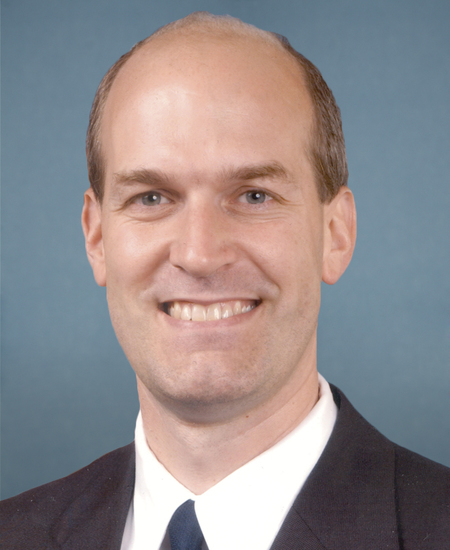
Rick Larsen
Rick Larsen House · District 2
D
Strong +
100% 3
Seth Moulton
Seth Moulton House · District 6
D
Strong +
100% 3
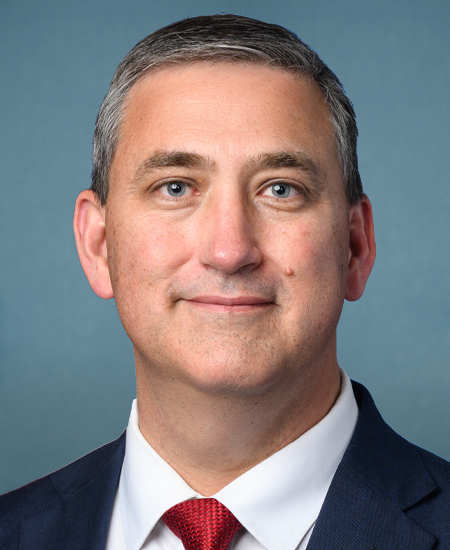
Ronny Jackson
Ronny Jackson House · District 13
R
Strong −
0% 5
Glenn Grothman
Glenn Grothman House · District 6
R
Strong −
0% 4
Michael A. Rulli
Michael A. Rulli House · District 6
R
Strong −
0% 4
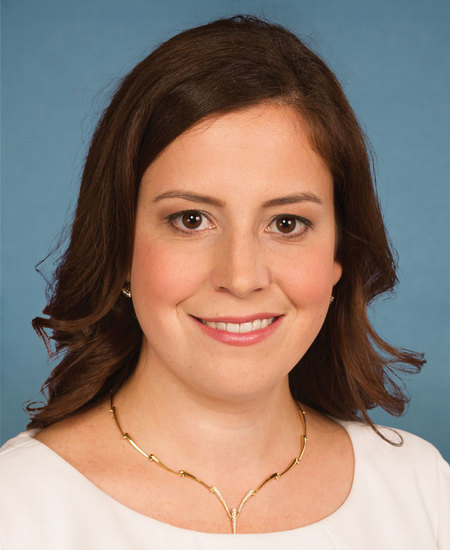
Elise M. Stefanik
Elise M. Stefanik House · District 21
R
Strong −
0% 3
Nathaniel Moran
Nathaniel Moran House · District 1
R
Strong −
0% 3
Showing 91–100 of 134 bills

All immigration bills

in committee · United States · Senate Sep 3, 2025

S 2690: Safer Truckers Act of 2025

The Safer Truckers Act of 2025 amends federal law to require commercial motor vehicle drivers to be U.S. citizens, lawful permanent residents, or authorized by U.S. Citizenship and Immigration Services to work in the U.S. (specifically for driving commercial vehicles) in order to obtain or renew a commercial driver's license (CDL). This directly affects individuals seeking CDLs by adding a new residency and work authorization requirement under Section 31308 of Title 49, U.S. Code. States must verify this eligibility before issuing CDLs and submit annual reports to the Secretary of Transportation detailing their enforcement of English proficiency requirements for commercial drivers, as specified in Section 31311. The bill focuses on verifying driver eligibility and improving safety through standardized documentation and reporting.
in committee · United States · House Jul 10, 2025

HR 4316: Fight for the American Dream Act

HR 4316, the "Fight for the American Dream Act," allows individuals with Deferred Action for Childhood Arrivals (DACA) status to enlist in the U.S. military by amending Title 10 of the U.S. Code to recognize DACA employment authorization as valid documentation for enlistment. It directly affects young immigrants who arrived in the U.S. as children and hold DACA, enabling them to serve in the armed forces. Key provisions include updating military eligibility rules to include DACA recipients and revising naturalization processes for military members to clarify terms like "active duty." The bill makes procedural changes to existing military and immigration laws without altering citizenship requirements for service members.
in committee · United States · Senate Jan 29, 2025

S 304: Birthright Citizenship Act of 2025

S 304, the Birthright Citizenship Act of 2025, would amend U.S. immigration law to redefine who qualifies for automatic U.S. citizenship at birth under the 14th Amendment. It specifies that a child born in the U.S. gains citizenship only if one parent is a U.S. citizen, a lawful permanent resident living in the U.S., or a military service member in active duty. This change would exclude children born to undocumented immigrants from automatic birthright citizenship under this definition. The bill explicitly states it would not affect citizenship status for anyone born before its enactment date. The legislation focuses on clarifying the "subject to the jurisdiction" requirement in existing law, not creating new citizenship categories.
in committee · United States · Senate Jun 11, 2025

S 2036: Putting American Students First Act

S 2036 ("Putting American Students First Act") amends the Higher Education Act to establish new citizenship and residency requirements for participation in Federal TRIO programs. It explicitly defines eligible individuals as U.S. nationals, lawful permanent residents, certain aliens with intent to become permanent residents, citizens of Freely Associated States, CNMI residents, or lawful residents of Freely Associated States. The bill prohibits waivers of these requirements under specific appropriations laws and performance partnership authorities. This change directly affects individuals seeking TRIO program benefits, including college access and support services.
in committee · United States · Senate Jan 15, 2026

S 3652: Welfare Fraud Deterrence and Recovery Act of 2026

S 3652 increases criminal penalties for welfare fraud to up to 15 years in prison, with steeper sentences for noncitizens and cases exceeding $100,000 in fraudulent benefits. It creates a Welfare Fraud Recovery Task Force to investigate fraud in federal welfare programs (like SNAP and child care grants), pursue civil penalties (including triple damages and fines up to $20,000), and recover funds for program reimbursement. Noncitizens convicted of welfare fraud face deportation, expedited removal, and potential loss of citizenship through denaturalization. Recovered funds would be deposited into a new Treasury fund managed by the Department of Health and Human Services to offset program losses and support fraud prevention.
in committee · United States · House Mar 27, 2025

HR 2445: Ensuring Medicaid Eligibility Act of 2025

The Ensuring Medicaid Eligibility Act of 2025 prohibits the implementation of a 2024 rule that would have streamlined Medicaid application and enrollment processes. It requires states to verify U.S. citizenship or immigration status before enrolling individuals in Medicaid and mandates quarterly verification of income-based eligibility for those relying on income calculations. The bill also blocks federal funding for Medicaid coverage for certain non-citizens, including parolees, Temporary Protected Status (TPS) recipients, Deferred Action for Childhood Arrivals (DACA) recipients, asylum seekers, and individuals granted withholding of removal. These provisions directly affect non-citizen Medicaid applicants and require states to adjust enrollment and verification procedures.
in committee · United States · House Jul 23, 2025

HR 4696: Renewing Immigration Provisions of the Immigration Act of 1929

HR 4696 amends Section 249 of the Immigration and Nationality Act to update eligibility for a registry program that provides a pathway to legal status for long-term residents. It changes the requirement from entering the U.S. before January 1, 1972, to entering at least 7 years before the application date. This adjustment bases eligibility on a rolling 7-year window instead of a fixed historical cutoff, allowing more recent long-term residents to qualify. The bill directly affects individuals who entered the U.S. after 1972 but maintained continuous residence for at least seven years prior to applying.
in committee · United States · House Jan 14, 2026

HR 7053: Preemption of Real Property Discrimination Act

HR 7053, the Preemption of Real Property Discrimination Act, overrides state laws that restrict foreign citizens from purchasing real estate based on their citizenship. It directly affects foreign individuals seeking to buy property in any U.S. state, the District of Columbia, or territory, and state governments enforcing such restrictions. The bill establishes that federal law preempts these state rules, authorizes the Attorney General to enforce this preemption, and allows individuals harmed by state enforcement to sue the state in federal court for damages and injunctions. This changes policy by removing state-level barriers to foreign real estate ownership, replacing them with a uniform federal standard.
in committee · United States · Senate Feb 20, 2025

S 646: Born in the USA Act

This bill prohibits federal funding for Executive Order 14160 (and any successor policies), which attempted to deny U.S. citizenship to children born in the U.S. to non-citizen parents. It directly affects the executive branch by blocking financial support for the controversial order, which contradicted the 14th Amendment and established court precedent like *United States v. Wong Kim Ark*. The bill’s key mechanism is a funding ban, ensuring no government resources can be used to implement policies that undermine birthright citizenship guaranteed by the Constitution and immigration law. It does not alter citizenship rules but prevents enforcement of the challenged executive order.
in committee · United States · House Nov 18, 2025

HR 6118: Support and Defend Our Military Personnel and Their Families Act

This bill streamlines immigration benefits for military personnel and their families. It reduces the residency requirement for naturalization from six months to one year for those serving honorably in contingency operations, and adds spouses, children, and parents of active-duty service members to priority visa categories. It also creates a new pathway for immediate family members to adjust to permanent residency if they're physically present in the U.S., meet admissibility standards, and pay a fee. Additionally, the bill prohibits deportation proceedings against honorably discharged military members or veterans without prior approval from the Secretary of Homeland Security, with a two-year posthumous eligibility period for families if a service member dies from service-related injuries.
Showing 91 to 100 of 134 bills
Previous 1 … 9 10 11 … 14 Next