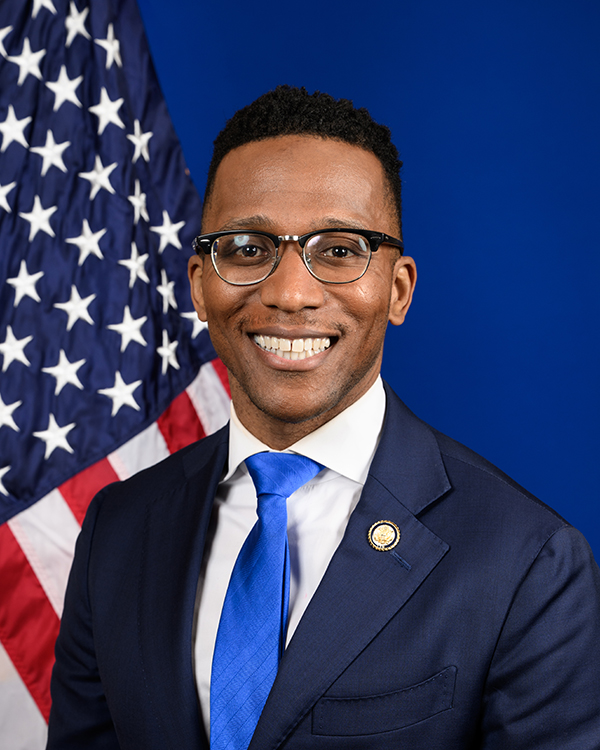
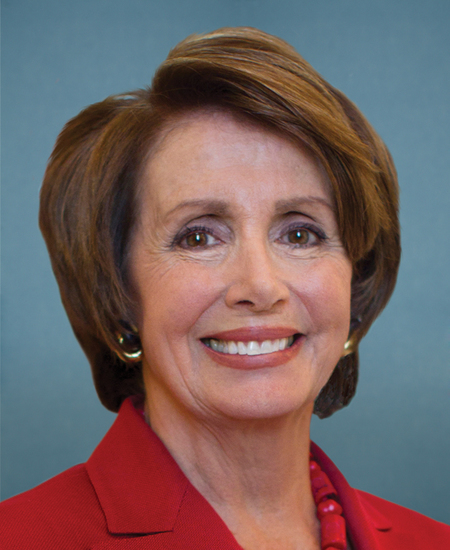
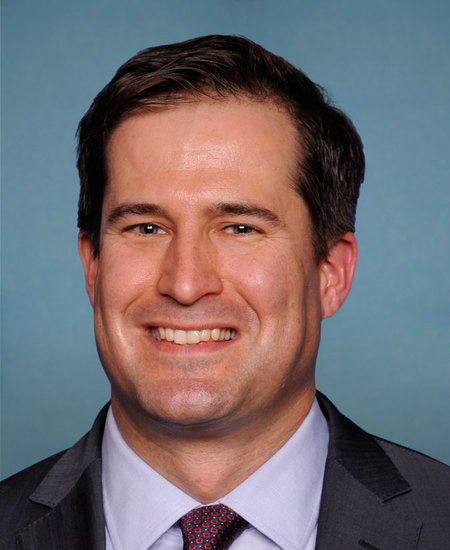
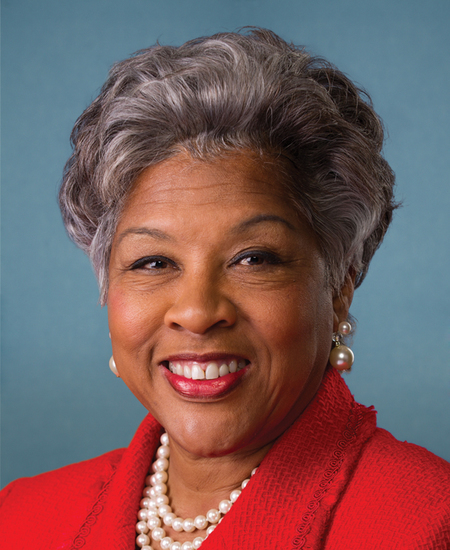
Key legislators
Who's moving immigration in United States
Showing 4 of 4
bills
All immigration bills
This joint resolution seeks to officially reject a specific rule issued by the Executive Office for Immigration Review that governs appellate procedures at the Board of Immigration Appeals. By invoking a statutory mechanism known as a "congressional disapproval resolution," the bill aims to prevent the new rule from taking effect or having any legal force. If passed, it would directly impact immigration judges and attorneys who rely on the Board's appellate processes by nullifying the Executive Office's proposed changes. The measure represents a legislative check on executive agency authority rather than creating new immigration policies itself.
The Secure America Act appropriates billions of dollars to U.S. Customs and Border Protection and Immigration and Customs Enforcement for fiscal year 2026 to expand staffing and operations. These funds are specifically designated for hiring agents to conduct functions other than immigration enforcement and customs duties, as well as for purchasing new technology to combat drug trafficking and improve border surveillance. The legislation includes restrictions that prohibit using the money to recruit processing coordinators after October 2028 and bans the deployment of untested autonomous surveillance towers. A portion of the funding is also set aside to hire investigators and analysts dedicated to identifying and rescuing victims of child sexual exploitation.
This joint resolution (SJRES 99) seeks congressional disapproval of a specific U.S. Citizenship and Immigration Services (USCIS) rule that removed automatic extensions for Employment Authorization Documents (EADs). The rule, published in the Federal Register on October 30, 2025, ended the prior practice of automatically extending work permits for certain immigrants while their renewal applications were pending. If approved, this resolution would block the rule from taking effect, restoring the automatic extension process for EAD holders. The policy change directly affects non-citizens in the U.S. who hold EADs and are waiting for renewal processing, preventing potential gaps in work authorization.
Health Care Freedom for Patients Act of 2025 This bill allows certain individuals with health savings accounts (HSAs) to receive federal payments. It also restricts payments under Medicaid and the Children's Health Insurance Program (CHIP) regarding certain noncitizens and restricts coverage of gender-transition procedures. Specifically, the bill provides funds for the Department of Health and Human Services to deposit payments into an individual’s HSA during 2026-2027 if the individual has a bronze or catastrophic plan through a health insurance exchange, is between the ages of 18 and 64, and has income up to 700% of the federal poverty level (FPL). Individuals may receive $1,000 or $1,500 annually, depending on age. The bill also provides funds, beginning in 2027, for cost-sharing reductions for certain individuals who have a silver plan and income up to 250% of the FPL. Beginning in 2027, the bill allows any individual to enroll in a catastrophic plan. Currently, these plans are limited to those under the age of 30 or who have certain exemptions. The bill also reduces the enhanced federal matching rate for the Medicaid expansion population in states that provide any health benefits for individuals who are not qualified aliens under federal law. The bill makes Medicaid and CHIP coverage of individuals while their status is being verified optional and conditions federal payment during this period on verification. Finally, the bill prohibits exchange plans from covering gender-transition procedures as an essential health benefit and prohibits federal payment under Medicaid and CHIP for these procedures.