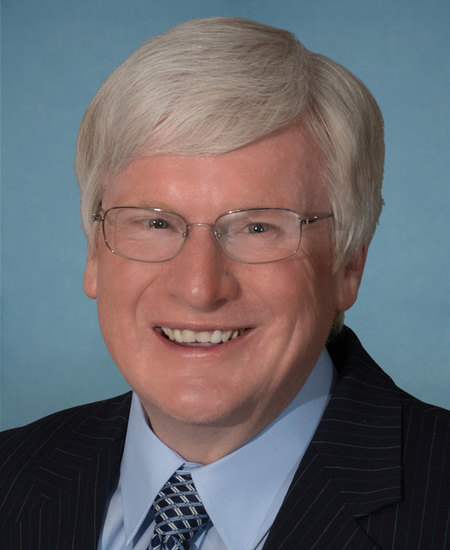
This resolution states that the House of Representatives condemns and denounces socialism in all its forms, including the Democratic Socialists of America, and opposes the implementation of socialist policies in the United States; reaffirms its support for free, fair, and secure elections and calls for enactment of the SAVE America Act; reiterates that American elections are for American citizens only; and recommits itself to upholding the U.S. Constitution.
This bill mandates that the Secretary of Homeland Security grant temporary protected status (TPS) to Haitian nationals already residing in the United States. It requires the designation to begin on August 3, 2025, and last for 18 months, allowing eligible individuals to legally stay and work during that period. The bill directly affects Haitian nationals in the U.S. who qualify under TPS criteria, providing them temporary relief from deportation. The key provision is the mandatory 18-month TPS period with a specific start date, overriding other legal provisions that might otherwise prevent such a designation.
HRES 965 is a procedural resolution that directs the House to immediately consider H.R. 1689, a bill requiring the Secretary of Homeland Security to designate Haiti for temporary protected status (TPS) until March 20, 2029. The resolution waives objections to the bill, sets a one-hour debate period equally divided between leadership, and specifies the amendment that would mandate the TPS designation. It does not change immigration law itself but streamlines the legislative process for H.R. 1689. This resolution affects Haitian nationals in the U.S. who could qualify for TPS under this provision.
Bill to Outlaw Wounding of Official Working Animals Act or the BOWOW Act This bill establishes that a non-U.S. national ( alien under federal law) convicted of, or who admits to having committed, an offense related to harming animals used in law enforcement is inadmissible and deportable.
Deporting Fraudsters Act of 2026 This bill makes certain acts related to public benefits fraud grounds for (1) barring a non-U.S. national ( alien under federal law) from admission into the United States, or (2) deporting the individual. The bill also makes such an individual ineligible for immigration enforcement relief, including relief for an individual in danger of subjection to torture. Specifically, this bill applies to individuals who have been convicted of, admit to having committed, or admit to acts which constitute certain offenses. Offenses covered by this bill include (1) fraud involving Supplemental Nutrition Assistance Program (SNAP) benefits, (2) fraud involving Social Security benefits, (3) fraud involving programs that receive federal funds, and (4) the production of fraudulent identification documents.
The Kayla Hamilton Act amends rules for placing unaccompanied immigrant children under 12 in foster care. It requires the Health and Human Services Secretary to contact the child's country of origin for criminal records, check for gang-related tattoos/markings, and place children with gang ties in secure facilities. The bill also mandates detailed background checks for host families, including immigration status, criminal history, and sex offender registry checks, before placement. These changes directly affect unaccompanied immigrant children in federal custody and the agencies managing their placements. The law aims to strengthen safeguards during the placement process without altering existing trafficking prevention programs.
HR 3486, the Stop Illegal Entry Act of 2025, increases penalties for certain immigration violations under the Immigration and Nationality Act. It raises the mandatory prison term for unlawful entry (Section 275) from 2 to 5 years and adds new provisions for aliens who commit crimes after entry. For reentry after removal (Section 276), it increases the base penalty to up to 10 years imprisonment, with enhanced penalties of up to 15 years for those with prior drug or violent crime convictions, and mandatory minimums of 10 years or more for those with prior aggravated felonies, multiple removals, or prior convictions for serious crimes. The bill directly affects noncitizens who enter the U.S. illegally or reenter after being removed, with penalties applying to specific categories of prior criminal conduct.
HR 875 amends immigration law to make non-citizens with DUI convictions inadmissible (preventing entry) and deportable (requiring removal after entry). It applies to any conviction for driving while intoxicated or impaired under state, tribal, or local law, regardless of whether the offense is classified as a misdemeanor or felony. The bill directly affects non-citizens convicted of driving under the influence of alcohol or drugs, including impairment from other substances. This policy change expands immigration consequences for DUI offenses beyond current standards.
HR 275 requires the Department of Homeland Security (DHS) to publish monthly reports on individuals classified as "special interest aliens" who attempt unlawful entry into the U.S. These reports, due by the seventh day of each month, must include the total number, nationalities or countries of origin, geographic regions of encounters, and whether entries occurred at ports, between ports, or inland. The reports must also identify if encounters involve "covered nations" as defined under existing law. This bill directly affects DHS, which must implement the reporting, and Congress, which receives the data for oversight. The law focuses on transparency around national security-related immigration encounters without altering immigration policy.
This bill prohibits the District of Columbia from maintaining policies that block government officials from sharing immigration status information with federal authorities or refusing to comply with federal immigration detainers. It specifically requires DC to share citizenship/immigration data and honor detainer requests under federal law, except when an individual is a crime victim or witness. The law directly affects DC government entities, officials, and policies, mandating cooperation with federal immigration enforcement. It does not change DC's authority to protect crime victims but eliminates existing sanctuary-like restrictions.