Issue · Housing

Housing (Building Codes)

Every housing bill, vote, and legislator stance in United States, automatically classified by Maddy, our AI policy reader.

Total bills
18
119th Congress
Top supporter
Adam Smith
67% support rate
Top opponent
Aaron Bean
33% support rate
Ranked legislators
10
5 support · 5 oppose
Key legislators

Who's moving building codes in United States

Legislators moving building codes in United States
Legislator Party Stance Support rate Votes
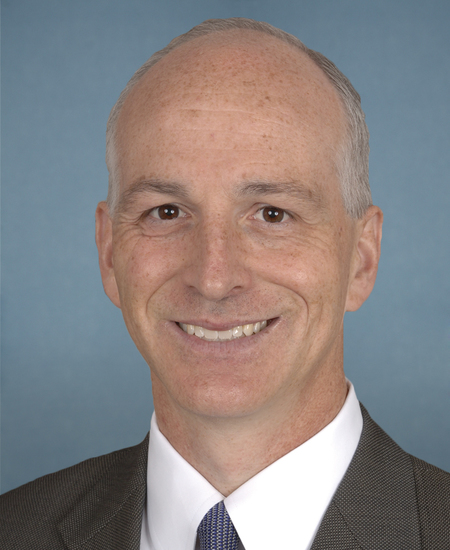
Adam Smith
Adam Smith House · District 9
D
Support
67% 3
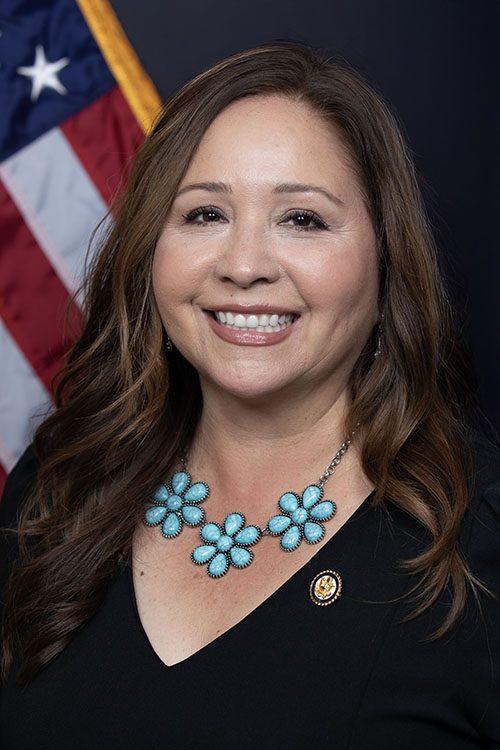
Adelita S. Grijalva
Adelita S. Grijalva House · District 7
D
Support
67% 3
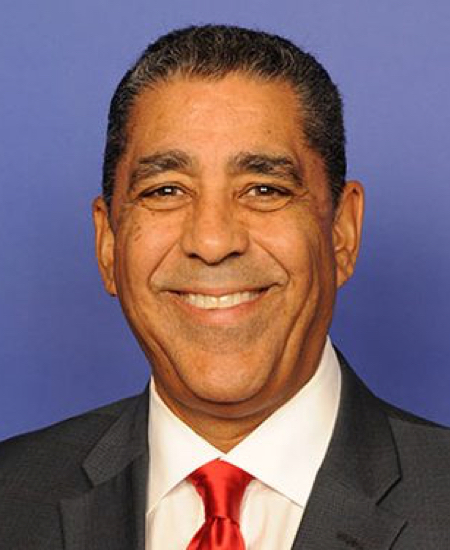
Adriano Espaillat
Adriano Espaillat House · District 13
D
Support
67% 3
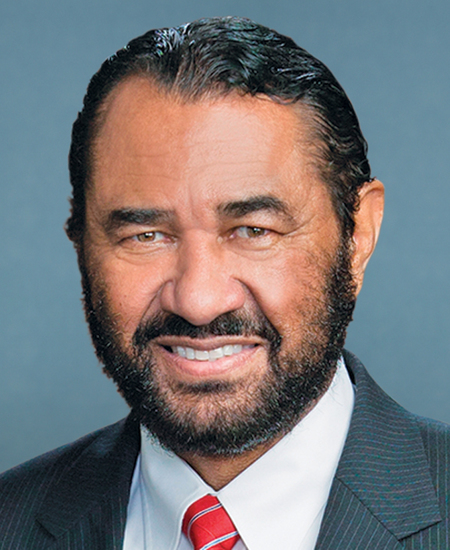
Al Green
Al Green House · District 9
D
Support
67% 3
Alma S. Adams
Alma S. Adams House · District 12
D
Support
67% 3
Aaron Bean
Aaron Bean House · District 4
R
Oppose
33% 3
Abraham J. Hamadeh
Abraham J. Hamadeh House · District 8
R
Oppose
33% 3
Addison P. McDowell
Addison P. McDowell House · District 6
R
Oppose
33% 3
Adrian Smith
Adrian Smith House · District 3
R
Oppose
33% 3
Ami Bera
Ami Bera House · District 6
D
Oppose
33% 3
Showing 1–10 of 18 bills

All housing bills

in committee · United States · House Sep 8, 2026

HR 10316: National Housing Emergency Act of 2026

The National Housing Emergency Act of 2026 directs the President to declare a national housing emergency and expand the Defense Production Act to increase the supply of domestic materials for construction. During this declared emergency, the bill suspends various federal environmental reviews and regulations that affect housing development, while also establishing a minimum residential code standard based on the 2009 International Residential Code. A key provision creates a "Pro-Growth Requirement" that conditions federal block grant funding on local governments demonstrating positive housing growth and implementing specific zoning changes, such as allowing higher-density housing or reducing parking mandates. The emergency period ends either when four million additional housing units are built or rehabilitated, or by October 1, 2031, whichever occurs first.
in committee · United States · Senate Jul 23, 2026

S 5125: Eleanor Smith Inclusive Home Design Act of 2026

The Eleanor Smith Inclusive Home Design Act of 2026 mandates that new single-family homes, townhouses, and small multi-unit buildings receiving federal assistance must include at least one level designed to be accessible for individuals with disabilities. To enforce this, builders must submit construction plans for approval to state or local agencies, which can withhold final occupancy permits if the designs do not meet specific accessibility standards. The law also establishes a legal framework allowing private citizens to sue developers for non-compliance, with potential remedies including damages and court orders to retrofit the property.
Sub-Topics Building Codes Tags People with Disabilities
in committee · United States · House Jun 8, 2026

HR 9194: Build American Efficiency Act

The Build American Efficiency Act allows the Department of Housing and Urban Development to accept a specific industry standard, known as the Make It American Process Standard, as valid proof that construction materials meet domestic content requirements. This change directly affects recipients of federal housing funds by providing an additional, recognized method to certify that their projects comply with Buy America rules. The bill does not force anyone to use this new standard, nor does it ban the use of other existing certification methods, but it does give the Secretary of Housing and Urban Development the option to accept similar standards if they offer a clear way to verify domestic content.
in committee · United States · Senate Mar 26, 2026

S 4265: Freedom to Build Act

The Freedom to Build Act establishes a voluntary federal designation for local governments that address housing affordability and supply. Localities can qualify by either adopting specific regulatory reforms to streamline construction and protect property rights, or by demonstrating sustained housing supply growth that meets an affordability-adjusted target. This designation directly affects participating localities by prioritizing them for competitive housing and community development grants administered by the Department of Housing and Urban Development (HUD). Other federal agencies are also encouraged to consider this designation when awarding related grants.
in committee · United States · House Jan 15, 2025

HR 440: READY Accounts Act

The READY Accounts Act creates a new tax-advantaged savings account that allows individuals to deduct up to $4,500 annually (adjusted for inflation) for contributions toward home disaster preparedness and recovery. These accounts can only be used for specific qualifying expenses, including disaster mitigation measures like reinforcing roofs, installing impact-resistant windows, or recovering from disaster damage like fire or storm. Contributions must be in cash, accounts must be administered by banks or approved entities, and distributions not used for qualifying expenses are taxable with a 20% additional tax penalty. The bill applies to taxable years beginning after December 31, 2024.
Sub-Topics Building Codes Tags Emergency Management
in committee · United States · Senate Jun 4, 2025

S 1940: READY Accounts Act

The READY Accounts Act (S 1940) creates a new tax-advantaged savings account that allows individuals to deduct up to $4,500 annually (adjusted for inflation) for contributions to accounts specifically designed for home disaster mitigation and recovery expenses. These accounts can be used to pay for qualified measures like reinforcing roofs, installing impact-resistant windows, or repairing damage from disasters when insurance doesn't cover the costs. Funds used for qualified expenses aren't included in gross income, but funds used for non-qualified purposes are included in income with a 20% additional tax. The bill directly affects homeowners who want to save tax-effectively for disaster-related home improvements and repairs. It establishes specific rules for how these accounts can be set up, managed by banks or approved institutions, and distributed, with strict limits on what expenses qualify.
Sub-Topics Building Codes
in committee · United States · Senate Aug 6, 2026

S 388: Promoting Resilient Buildings Act

This bill establishes a 10-year pilot program to help homeowners make their homes more resilient to natural disasters. It directs FEMA to use up to 10% of existing disaster relief funds to provide grants for retrofits like floodproofing, seismic upgrades, and hurricane straps - prioritizing low-income households. The program, running until 2030, requires grantees to report on participation, costs, and reduced disaster impacts. It specifically uses existing Stafford Act funding streams without creating new programs.
Sub-Topics Natural Disasters Building Codes Tags Emergency Management
in committee · United States · House Feb 6, 2025

HR 1094: Amateur Radio Emergency Preparedness Act

HR 1094, the Amateur Radio Emergency Preparedness Act, prevents private restrictions (such as those in homeowners associations) from blocking amateur radio operators from installing and maintaining antennas for emergency communications. The bill directly affects over 770,000 licensed amateur radio operators in the U.S. who face such restrictions on their residential property. Key provisions include overriding unreasonable restrictions, requiring reasonable safety and building code compliance for allowed rules, setting a 45-day approval period for antenna installations (with deemed approval if not acted on), and exempting small antennas (under 1 meter, flagpoles ≤43 feet, or minimal wire antennas) from prior approval. This ensures amateur radio operators can quickly establish emergency communication systems without unnecessary delays or costs during crises.
in committee · United States · House Sep 3, 2025

HR 5085: To exempt Federal actions related to the construction of infill housing from the requirements of the National Environmental Policy Act of 1969, and for other purposes.

HR 5085 exempts federal agencies from conducting environmental reviews under the National Environmental Policy Act (NEPA) for infill housing projects that meet specific criteria. These projects must be located on previously developed urban sites (under 20 acres, with 75% urban adjacency), pass required environmental assessments, and avoid high-risk wildfire/flood zones per FEMA data. The bill also shortens FEMA’s natural hazard risk assessment update cycle from every 5 to every 3 years. This directly affects federal agencies approving housing developments and developers seeking streamlined project approvals.
in committee · United States · House Oct 3, 2025

HR 501: Promoting Resilient Buildings Act of 2025

This bill creates a 3-year pilot program (2025-2028) using up to 10% of existing disaster relief funds to help low-income homeowners in disaster-prone areas make resilience upgrades to their homes. It funds specific retrofits like floodproofing, seismic upgrades, wildfire mitigation, and hurricane-resistant roofing to reduce damage from natural disasters. The program requires states to prioritize financially needy homeowners and mandates a detailed report by 2029 on outcomes, including homes retrofitted, costs, and avoided disaster costs. It applies only to funds appropriated after the bill's enactment.
Sub-Topics Forestry Natural Disasters Building Codes Tags Emergency Management
Showing 1 to 10 of 18 bills
1 2 Next