Issue · Housing

Housing (Affordable Housing)

Every housing bill, vote, and legislator stance in United States, automatically classified by Maddy, our AI policy reader.

Total bills
229
119th Congress
Top supporter
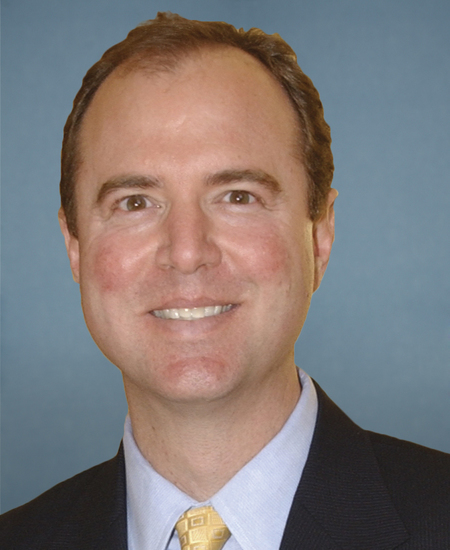
Adam B. Schiff
100% support rate
Top opponent
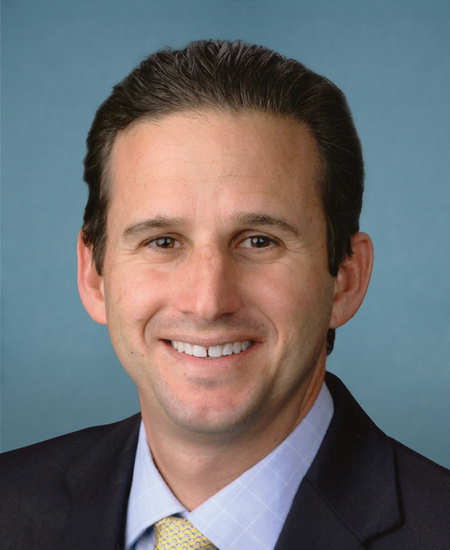
Brian Schatz
0% support rate
Ranked legislators
10
5 support · 5 oppose
Key legislators

Who's moving affordable housing in United States

Legislators moving affordable housing in United States
Legislator Party Stance Support rate Decisive votes
Adam B. Schiff
Adam B. Schiff Senate
D
Strong +
100% 3
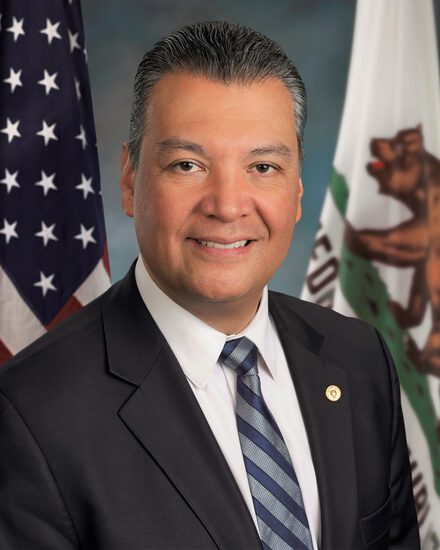
Alex Padilla
Alex Padilla Senate
D
Strong +
100% 3
Amy Klobuchar
Amy Klobuchar Senate
D
Strong +
100% 3
Andy Kim
Andy Kim Senate
D
Strong +
100% 3
Angela D. Alsobrooks
Angela D. Alsobrooks Senate
D
Strong +
100% 3
Brian Schatz
Brian Schatz Senate
D
Strong −
0% 3
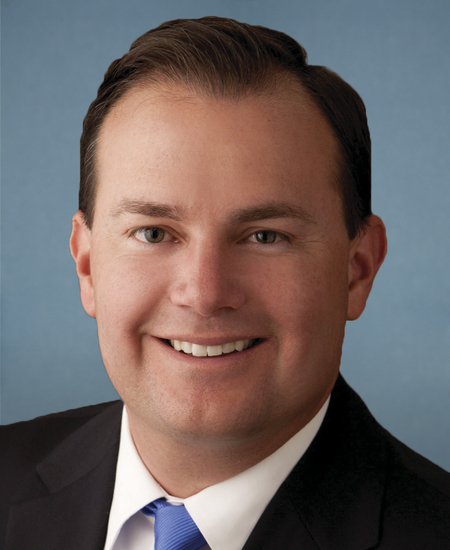
Mike Lee
Mike Lee Senate
R
Strong −
0% 3
Rand Paul
Rand Paul Senate
R
Strong −
0% 3
Rick Scott
Rick Scott Senate
R
Strong −
0% 3
Ron Johnson
Ron Johnson Senate
R
Strong −
0% 3
Showing 81–90 of 229 bills

All housing bills

in committee · United States · House Jan 27, 2026

HR 7244: First-Time Home Buyers Match Act

HR 7244, the First-Time Home Buyers Match Act, establishes a 5-year pilot program to help low-to-moderate-income first-time homebuyers save for a home purchase. Eligible buyers (earning ≤120% of local median income, with ≤$75,000 in liquid assets) can receive annual matching funds equal to 50% of their savings - up to $5,000 per year - into a qualifying savings account. Funds must be used for down payments, closing costs, or specific home repairs, and function as a second mortgage repaid over 36 months. The program limits account balances to 10% of local median home values and requires HUD to report on participation, outcomes, and demographics.
in committee · United States · Senate Mar 27, 2025

S 1174: Local Zoning Decisions Protection Act of 2025

This bill nullifies specific Department of Housing and Urban Development (HUD) rules related to fair housing implementation, including the 2015 "Affirmatively Furthering Fair Housing" final rule and related 2021 and 2023 regulations. It also prohibits federal funding for a database tracking racial disparities in housing access and requires HUD to consult with state, local, and public housing officials before developing new fair housing policies. The bill directly affects local governments, state housing agencies, and HUD by blocking enforcement of existing fair housing rules and mandating collaborative policy development. Key mechanisms include eliminating specific HUD regulations, banning a federal disparity database, and requiring consensus-based recommendations through structured federal-state-local consultations.
in committee · United States · House Aug 12, 2025

HR 4969: Keep Mobile Homes Affordable Act

This bill requires the Department of Housing and Urban Development (HUD) to investigate whether prices for rental spaces (pad sites) in mobile home communities are being manipulated or artificially raised through practices like price gouging. HUD must also monitor if any single buyer (including large investors) purchases over 2,500 mobile homes or pad sites in one area, and investigate potential issues like unjustified rent hikes or utility failures. The investigation findings will lead to reports for Congress and public websites, specifically analyzing impacts on seniors and underserved communities. The bill directly affects residents of manufactured home communities, particularly those in areas with high institutional investment, by mandating federal oversight of pricing practices.
in committee · United States · Senate Dec 2, 2025

S 1005: Southern Nevada Economic Development and Conservation Act

The Southern Nevada Economic Development and Conservation Act transfers approximately 48,302 acres of federal land to be held in trust for Nevada's Moapa Band of Paiutes and Las Vegas Paiute tribes, while establishing 10 special management areas totaling over 300,000 acres for conservation in Clark County. The bill authorizes conveyances of federal land to Clark County and local governments for public purposes including fire facilities, water infrastructure, and affordable housing, with requirements that land be used for specific purposes and may revert to the federal government if misused. It adjusts boundaries for Red Rock Canyon and Sloan Canyon National Conservation Areas and adds several new wilderness areas to the National Wilderness Preservation System. These provisions aim to balance economic development with conservation of natural resources in Southern Nevada.
in committee · United States · House Jul 14, 2025

HR 4385: Helping More Families Save Act

HR 4385, the Helping More Families Save Act, establishes a 10-year pilot program allowing families receiving Section 8 or 9 housing assistance to save money toward financial stability. Under the program, eligible families (with income under 80% of area median income) have rent increases tied to their earned income placed into interest-bearing escrow accounts managed by participating housing agencies. Families can withdraw these savings after 5 years (or earlier for self-sufficiency goals approved by the agency), without affecting their eligibility for other benefits. The program requires agencies to notify families of enrollment options and prohibits denial of housing assistance for opting out, with a final evaluation report due 8 years after implementation.
in committee · United States · House May 6, 2025

HR 3215: Utilizing National Land for Opportunities and Community Key (UNLOCK) Housing Act

HR 3215, the UNLOCK Housing Act, redefines affordable housing development on federal land as a "public purpose" under existing law, directly enabling housing for extremely low-income, very low-income, and low-income families (as defined by federal standards). It creates a Joint Task Force between HUD and the Interior Department to identify underused federal land suitable for housing, streamline land transfers, and measure costs from housing shortages. The Task Force must annually report progress to Congress and will dissolve 10 years after the bill's enactment. This bill changes how federal land can be used for housing by making affordable development a priority under current land management statutes.
in committee · United States · House Aug 5, 2025

HR 4874: Affordable Housing Resident Services Act

HR 4874 creates a federal grant program to fund supportive services for residents in affordable housing properties assisted by federal programs like low-income housing tax credits, Section 8 housing, and supportive housing for seniors or people with disabilities. Eligible non-profits managing such properties can receive 5-year grants to provide voluntary services including health access, educational programs, financial literacy, housing stability support, and assistance with public benefits. Grantees must use at least 25% of funds for staff salaries and training, while no more than 75% can cover direct resident services like mentoring or home modifications. The program aims to improve resident outcomes by connecting them to community resources without requiring participation in any service.
in committee · United States · House Feb 17, 2026

HR 7596: Improving Housing Access Act

HR 7596, the Improving Housing Access Act, requires the Comptroller General to study barriers to housing for elderly and disabled people within one year of the bill's enactment. The study will specifically examine potential improvements to two federal housing programs: supportive housing for the elderly (under Section 202 of the 1959 Housing Act) and supportive housing for people with disabilities (under Section 811 of the Cranston-Gonzalez Act). It focuses on identifying ways to improve access, including options for providing financial support to these programs. The bill does not create new benefits but mandates a review to inform future policy decisions.
Sub-Topics Affordable Housing Homeownership Housing Finance Tags People with Disabilities Seniors
in committee · United States · House Mar 31, 2025

HR 2486: Heating and Cooling Relief Act

The Heating and Cooling Relief Act (HR 2486) expands the Low-Income Home Energy Assistance Program (LIHEAP) to help low-income households struggling with energy costs. It increases funding to cover all eligible households (those with incomes up to 250% of poverty level or 80% of State median income), sets a goal that no household should spend more than 3% of income on energy, and requires states to operate assistance programs year-round. The bill includes new protections against utility shutoffs for 2 years after assistance is received, prohibits late fees during the 6 months following assistance, and mandates weatherization and energy efficiency improvements in low-income housing. It also requires states to develop extreme heat response plans and addresses the $21 billion in residential utility arrears as of September 2024.
in committee · United States · House Dec 16, 2025

HR 6737: SPUR Housing Act

HR 6737, the SPUR Housing Act, establishes a new $50 million annual HUD grant program (2026-2030) to support emerging housing developers. It provides competitive grants to nonprofit housing organizations and community development financial institutions (CDFIs), which then offer financing (like predevelopment loans), capacity-building training, and technical assistance to developers with limited experience or capital. The program specifically targets affordable housing projects in distressed communities and high-opportunity areas, requiring grantees to demonstrate plans for supporting these developers through budgeting, financing, and business planning assistance. Priority is given to organizations helping undercapitalized developers or focusing on underserved communities.
Showing 81 to 90 of 229 bills
Previous 1 … 8 9 10 … 23 Next