

Issue · Housing
Housing (Affordable Housing)
Every housing bill, vote, and legislator stance in United States, automatically classified by Maddy, our AI policy reader.
Total bills
229
119th Congress
Top supporter
Adam B. Schiff
100% support rate
Top opponent
Brian Schatz
0% support rate
Ranked legislators
10
5 support · 5 oppose
Key legislators
Who's moving affordable housing in United States
| Legislator | Party | Stance | Support rate | Decisive votes |
|---|---|---|---|---|

Adam B. Schiff
Senate
|
D |
Strong +
|
100% | 3 |
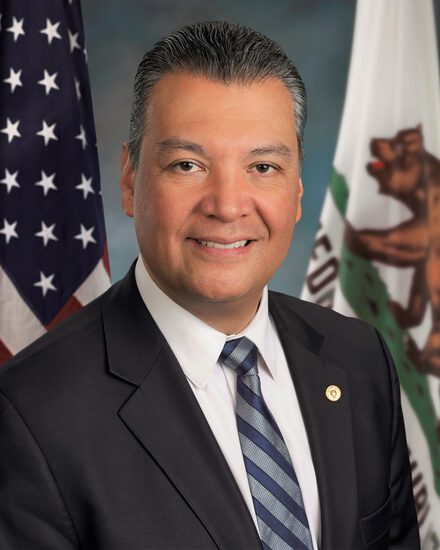
Alex Padilla
Senate
|
D |
Strong +
|
100% | 3 |

Amy Klobuchar
Senate
|
D |
Strong +
|
100% | 3 |

Andy Kim
Senate
|
D |
Strong +
|
100% | 3 |

Angela D. Alsobrooks
Senate
|
D |
Strong +
|
100% | 3 |
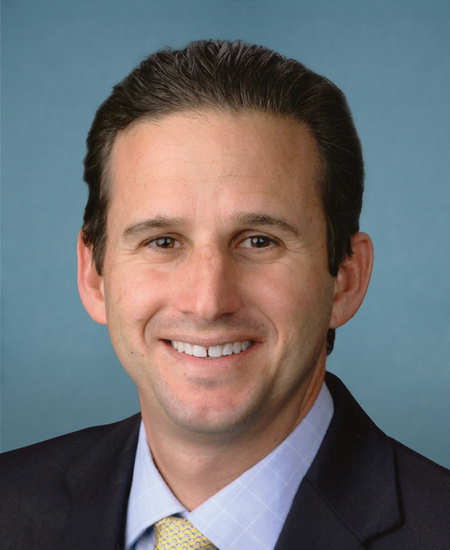
Brian Schatz
Senate
|
D |
Strong −
|
0% | 3 |
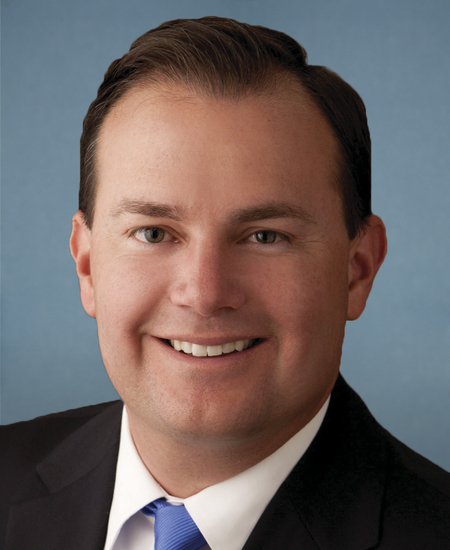
Mike Lee
Senate
|
R |
Strong −
|
0% | 3 |

Rand Paul
Senate
|
R |
Strong −
|
0% | 3 |
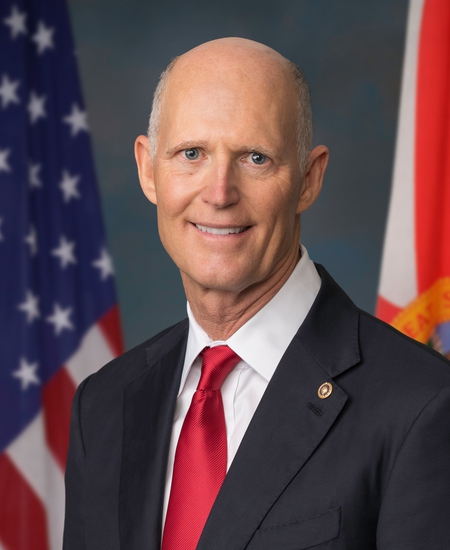
Rick Scott
Senate
|
R |
Strong −
|
0% | 3 |
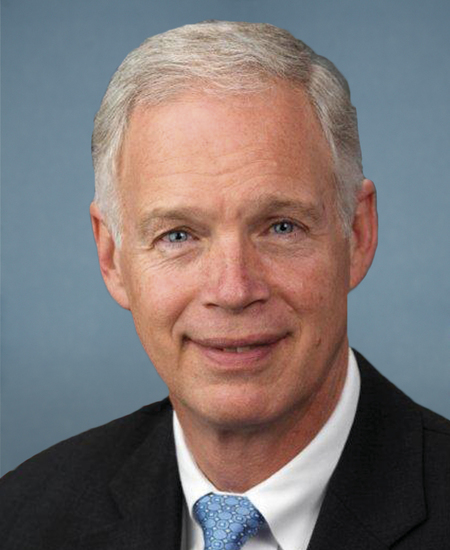
Ron Johnson
Senate
|
R |
Strong −
|
0% | 3 |
Showing 171–180 of 229
bills
All housing bills
HR 5825: Tribal Housing Innovation Act
Topics
✓ EnergySupports EnergyBill mandates sustainable housing features including solar panels and energy-efficient appliances, directly advancing renewable energy and efficiency standards.
✓ EnvironmentSupports EnvironmentBill funds sustainable housing with solar panels and energy-efficient features on tribal lands, directly advancing environmental protection and clean energy adoption.
✓ HousingSupports HousingBill allocates $150M annually for sustainable housing development on tribal lands, directly funding new residential units with energy-efficient features, advancing affordable housing access.
HR 646: Build Housing with Care Act of 2025
Topics
✓ EducationSupports EducationFunds child care facilities co-located with housing, prioritizing Head Start providers (early education), supporting early childhood educational access.
✓ HousingSupports HousingBill funds affordable housing developments co-located with child care in 'child care deserts' and prohibits resident evictions, directly advancing affordable housing and tenant protections.
HR 4266: Housing for US Act
HR 2410: Revitalizing Downtowns and Main Streets Act
Topics
✓ Budget & TaxesSupports Budget & TaxesCreates 20% federal tax credit for affordable housing conversions, directing $12B toward housing development with rent restrictions, advancing affordable housing funding through tax policy.
✓ HousingSupports HousingCreates 20% tax credit for converting buildings to affordable housing with 20% rent-restricted units for 30 years targeting 80% AMI earners, directly funding affordable housing expansion.
S 1527: Housing Affordability Act
Topics
✓ Budget & TaxesSupports Budget & TaxesAdjusts housing program funding limits upward for inflation, increasing government spending on affordable housing affordability programs.
✓ HousingSupports HousingBill increases inflation-adjusted income thresholds and loan limits for multifamily housing programs, directly strengthening affordable housing access under the National Housing Act.
HR 7062: Build HUBS Act
Topics
✓ HousingSupports HousingExtends TIFIA/RRIF to fund transit-oriented housing with affordability thresholds (80-120% AMI), directly advancing housing development and affordability.
✓ TransportationSupports TransportationExtends TIFIA/RRIF programs to fund transportation infrastructure, promotes transit-oriented housing development, and improves financing mechanisms for transit projects.
HR 3133: HAVEN Act
Topics
✓ Budget & TaxesSupports Budget & TaxesExpands housing vouchers and reduces rent percentages, directly increasing government funding for housing assistance as an essential public service.
✓ HousingSupports HousingReduces rental payments (30%→20%), expands vouchers by 500k/year, adds housing navigation grants, and expands anti-discrimination protections - all advancing affordable housing access and tenant rights.
HR 4856: Revitalizing America’s Housing Act
Topics
✓ Budget & TaxesSupports Budget & TaxesProvides tax incentives (Neighborhood Homes Credit) and expanded tax benefits for homeowners, directly advancing housing affordability through fiscal policy.
✓ HousingSupports HousingBill explicitly increases housing supply and affordability via tax incentives, zoning reforms, and Neighborhood Homes Credit for affordable areas.
S 2402: First-Time Homebuyer Tax Credit Act of 2025
Topics
✓ Budget & TaxesSupports Budget & TaxesCreates refundable tax credit reducing tax burden for first-time homebuyers, with income-based reductions targeting middle/lower-income households.
✓ HousingSupports HousingBill provides refundable tax credit to first-time homebuyers, directly increasing affordability and accessibility of homeownership per housing topic description.