Issue · Housing

Housing (Housing Finance)

Every housing bill, vote, and legislator stance in United States, automatically classified by Maddy, our AI policy reader.

Total bills
156
119th Congress
Top supporter
Adam B. Schiff
100% support rate
Top opponent
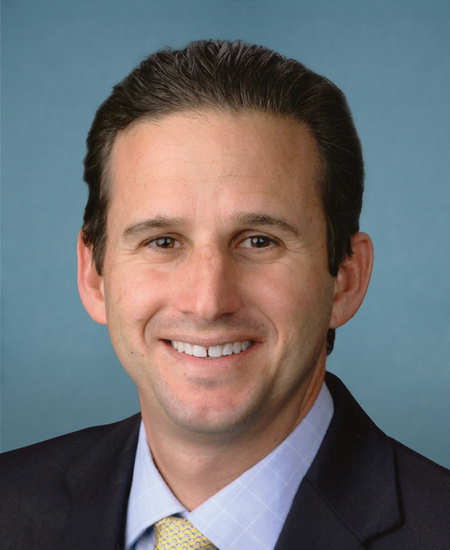
Brian Schatz
0% support rate
Ranked legislators
10
5 support · 5 oppose
Key legislators

Who's moving housing finance in United States

Legislators moving housing finance in United States
Legislator Party Stance Support rate Decisive votes
Adam B. Schiff
Adam B. Schiff Senate
D
Strong +
100% 3
Alex Padilla
Alex Padilla Senate
D
Strong +
100% 3
Amy Klobuchar
Amy Klobuchar Senate
D
Strong +
100% 3
Andy Kim
Andy Kim Senate
D
Strong +
100% 3
Angela D. Alsobrooks
Angela D. Alsobrooks Senate
D
Strong +
100% 3
Brian Schatz
Brian Schatz Senate
D
Strong −
0% 3
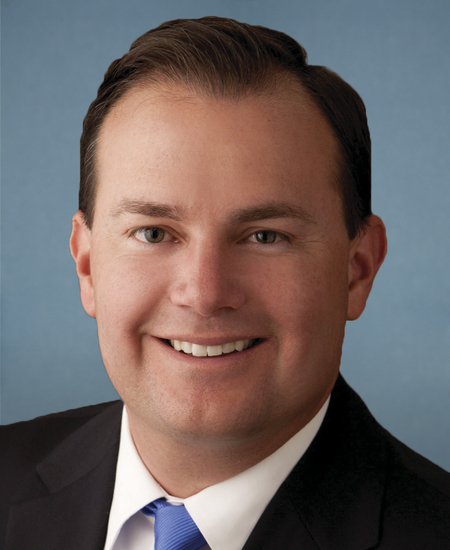
Mike Lee
Mike Lee Senate
R
Strong −
0% 3
Rand Paul
Rand Paul Senate
R
Strong −
0% 3
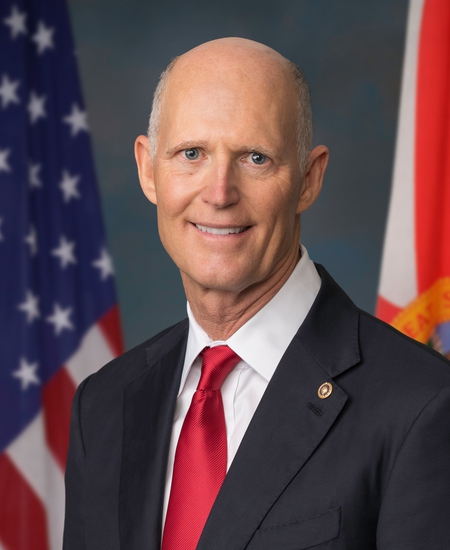
Rick Scott
Rick Scott Senate
R
Strong −
0% 3
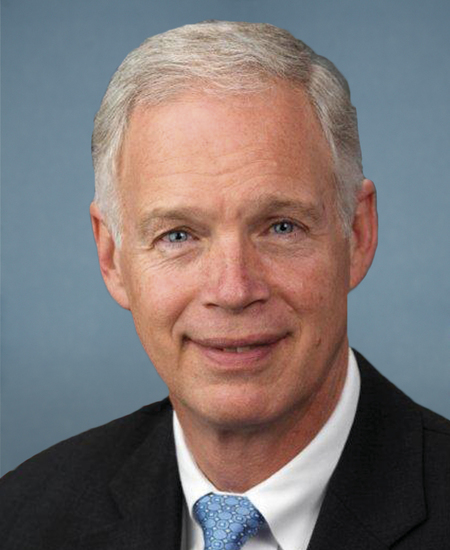
Ron Johnson
Ron Johnson Senate
R
Strong −
0% 3
Showing 141–150 of 156 bills

All housing bills

in committee · United States · House Oct 21, 2025

HR 5798: HOME Reform Act of 2025

The HOME Reform Act of 2025 updates the HOME Investment Partnerships Program to improve affordable housing access. It redefines eligibility by requiring household income to not exceed 100% of the area median family income (replacing vague "low-income" terms), expands infrastructure funding for nonentitlement areas to support housing-related utilities, and adds new definitions for "infill housing projects" (e.g., projects on previously disturbed land within developed areas). Key provisions include exceptions for military members and heirs of deceased homeowners to maintain affordability, streamlined environmental reviews for certain projects, and removal of a 24-month deadline for unused funds. The bill directly affects low-income families, housing developers, and local jurisdictions administering HOME funds.
in committee · United States · House Jul 25, 2025

HR 4761: Eviction Right to Counsel Act of 2025

The Eviction Right to Counsel Act of 2025 establishes a $100 million annual federal fund (2026-2030) to support legal representation for low-income tenants facing eviction. It directly affects tenants with incomes at or below 200% of the federal poverty line in eviction cases or housing subsidy terminations. The bill provides grants to states, localities, or tribal governments that already have laws guaranteeing free legal counsel for these tenants, prioritizing jurisdictions with additional tenant protections like longer eviction notice periods or emergency rental assistance. Funds can cover attorney training and implementation costs but do not require new federal mandates - eligibility depends on pre-existing state/local "right to counsel" laws.
in committee · United States · House Jan 31, 2025

HR 855: Housing Innovation Act

HR 855, the Housing Innovation Act, establishes a new Office of Housing Innovation within HUD, headed by a presidentially appointed Assistant Secretary. This office coordinates federal agencies to support local efforts addressing housing shortages, affordability, and transportation challenges through three grant programs: Section 4 grants ($2 million max per locality) for planning regulatory reforms in urban areas; Section 5 grants ($500,000 max) for research on innovative housing solutions like micro-units or "last-mile" transit access; and Section 6 grants ($200,000 max) for academic partnerships on housing education. The bill authorizes $100 million annually (2026-2032) for these programs, with 90% funding allocated to planning grants, and requires a GAO review after three years to assess effectiveness. It directly affects local governments, regional planners, and communities facing housing supply constraints.
Sub-Topics Housing Finance Land Use Zoning Tags Urban Areas
in committee · United States · Senate Feb 3, 2026

S 3768: ABODE Act

S 3768 (ABODE Act) creates a HUD grant program for developers to build or rehabilitate affordable homes for households earning no more than 50% of area median income. Grants require projects to reduce development costs while meeting specific energy efficiency, resiliency, and accessibility standards - particularly for people with disabilities. Priority is given to projects in areas with severe housing shortages or using universal design. HUD must report to Congress within two years on funded projects, home pricing, and cost savings from the efficiency measures.
Sub-Topics Energy Efficiency Affordable Housing Building Codes Housing Finance Tags People with Disabilities
in committee · United States · Senate Sep 19, 2025

S 2915: SPUR Housing Act

S 2915, the SPUR Housing Act, establishes a new $50 million annual grant program (2026-2030) to support emerging developers of affordable housing. The bill directs the Department of Housing and Urban Development (HUD) to award competitive grants to nonprofit housing organizations and community development financial institutions (CDFIs), which must use funds to provide emerging developers - defined as those with limited experience, capital, or focus on distressed communities - with financing (like predevelopment loans), capacity-building training, and technical assistance. Key provisions require grantees to help developers secure capital, manage budgets, navigate tax credits, and build partnerships with institutions of higher education. The program prioritizes support for developers targeting affordable housing projects in distressed communities and high-opportunity areas.
in committee · United States · House Apr 8, 2025

HR 2747: Healthy Affordable Housing Act

HR 2747, the Healthy Affordable Housing Act, creates a HUD grant and loan program to fund affordable housing developments in neighborhoods lacking such housing. It requires new or preserved affordable units to be located within one mile of at least two specific community amenities, such as health centers, grocery stores accepting food assistance, childcare providers, pharmacies, or public transit. The program authorizes $100 million annually (2025-2029) for eligible entities like local governments, tribes, or housing organizations, with preference given to projects near multiple required amenities. HUD must also conduct 10-year resident surveys to evaluate benefits of proximity to these amenities and report findings to Congress.
in committee · United States · House Feb 12, 2025

HR 1231: START Housing Act of 2025

This bill reauthorizes the Recovery Housing Program through 2031, extending its current funding period and changing how states receive funds. It directs the Secretary to prioritize states with the highest need based on four specific data points: unemployment rates (2019-2023), low labor force participation, drug overdose deaths, and unsheltered homelessness counts. States must use these funds to supplement, not replace, existing housing funding and consult with local housing groups before implementing programs. The bill also allows 2% of funds for technical assistance and best practices sharing.
in committee · United States · House Sep 30, 2025

HR 5651: Affordability and Fairness for Mountain Communities Act of 2025

This bill creates a waiver program allowing counties in mountain communities to calculate housing assistance income limits using ZIP codes or neighboring border counties instead of standard regional formulas. It directly affects 11 federal housing programs administered by HUD and USDA, including Section 8 vouchers, public housing, and Native American housing assistance. The bill also requires HUD to conduct a 2-year study assessing how income calculations impact housing affordability for low-income and seasonal workers in mountain areas, with a focus on high-cost adjustment effects. The study must include recommendations for reforming income calculations to better support affordable housing in these regions.
in committee · United States · House Feb 9, 2026

HR 7414: Affordable Housing Bond Enhancement Act

The Affordable Housing Bond Enhancement Act modifies key provisions related to affordable housing bonds and mortgage credit certificates. It increases the financing limit for qualified home improvement loans from $15,000 to $75,000 (with annual inflation adjustments), eliminates restrictions on refinancing certain mortgages for eligible homeowners, and extends the period for mortgage credit certificates to remain in effect. The bill simplifies reporting requirements by removing lender reporting obligations and shortening public notice periods from 90 to 30 days. These changes primarily affect state and local housing authorities that issue affordable housing bonds and homeowners who qualify for mortgage credit certificates. The legislation aims to make affordable housing financing more accessible and efficient through concrete policy modifications.
in committee · United States · House Aug 29, 2025

HR 5077: Strengthening Housing Supply Act of 2025

HR 5077, the Strengthening Housing Supply Act of 2025, amends the Community Development Block Grant (CDBG) Program to allow local governments and community organizations to use CDBG funds for the **new construction of affordable housing**. This directly affects communities receiving CDBG funding by expanding eligible uses beyond rehabilitation to include building new homes meeting federal affordability standards. The key change adds "new construction of affordable housing" as a permitted activity under the CDBG program, referencing existing definitions from the Cranston-Gonzalez Act. The bill applies only to funds appropriated after its enactment, not to current or past allocations.
Showing 141 to 150 of 156 bills