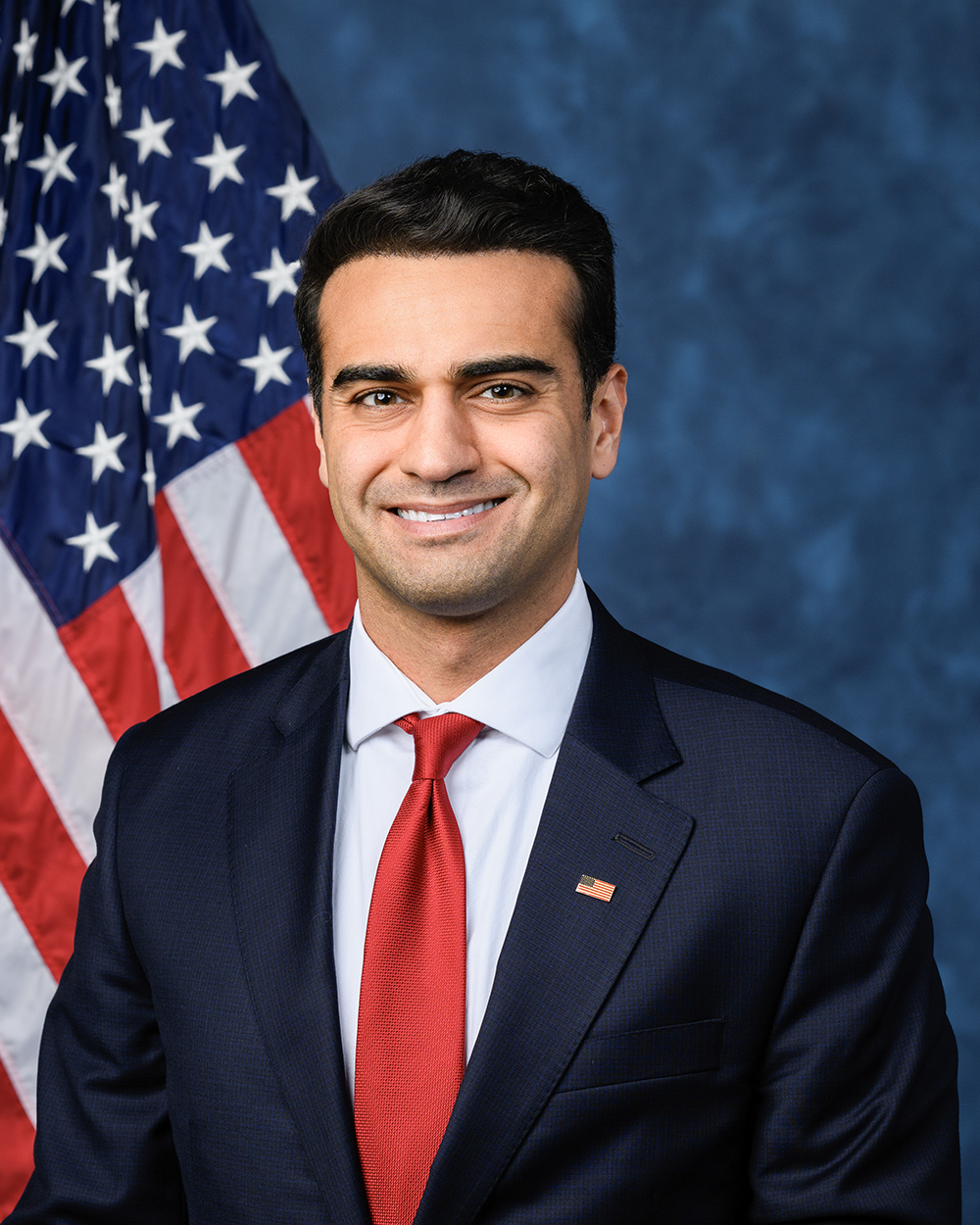
The SHIELD Act would prohibit local school districts that receive federal education funds from allowing organizations that provide abortions to distribute information about those services to students on school grounds or through the district's virtual platforms. This ban specifically covers sharing or reposting such materials on social media on behalf of outside abortion providers. The bill defines "abortion-related service" as any medical, surgical, or support care directly related to terminating a pregnancy.
This bill, titled the Ban Abortion by Mail Act, aims to restrict how abortion medications like mifepristone are prescribed by requiring an in-person visit between the patient and the doctor. It directly affects health care providers who are currently certified by the FDA to dispense these drugs, threatening their certification status if they prescribe them without a physical examination or to patients living in states where the provider lacks a medical license. The legislation mandates that the FDA report annually to Congress on any providers who lose this certification due to violations or unsafe prescribing practices. By enforcing these specific conditions, the bill seeks to ensure that all prescriptions for abortion drugs are administered under strict supervision and within the legal boundaries of the patient's state.
This bill, known as the Dismemberment Abortion Ban Act of 2026, prohibits physicians from performing abortions that involve dismembering an unborn child piece by piece or crushing it with instruments, with the specific intent of causing the child's death. The law defines an "unborn child" as a human organism from fertilization until birth and allows for exceptions only when the procedure is necessary to save the life of the mother due to a physical disorder, illness, or injury. While it bans this specific method, the bill explicitly states that other abortion methods remain legal for reasons such as rape or incest, and it removes the previous federal ban on partial-birth abortions from the legal code. Violators face criminal penalties including fines and up to two years in prison, while women undergoing these procedures are immune from prosecution. Additionally, the bill creates a civil remedy allowing women or parents of minors to sue physicians for money damages, psychological injury, and punitive damages if the ban is violated.
This resolution commemorates the fourth anniversary of the 2022 Supreme Court decision in Dobbs v. Jackson Women's Health Organization, which removed the federal constitutional right to abortion. The text expresses support for state authority to regulate abortion and acknowledges the work of pregnancy centers that provide care to women and families. It also recognizes the belief that unborn life possesses inherent rights and calls for the protection of that life. As a symbolic measure, the bill does not change any laws or policies but serves to formally celebrate the anniversary and state the House's position on the issue.
This Senate resolution commemorates the fourth anniversary of the 2022 Supreme Court decision in Dobbs v. Jackson Women's Health Organization, which overturned the previous federal right to abortion. The document expresses the Senate's support for state authority to regulate abortion and acknowledges the work of pregnancy centers that assist expectant mothers. It formally declares the Senate's commitment to protecting unborn life and supporting families, while noting the ongoing policy challenges related to abortion access. As a symbolic measure, the bill does not create new laws or alter existing regulations but serves to record the Senate's stance on the issue.
The Saving FACE Act of 2026 amends federal criminal law to remove penalties for obstructing access to abortion services. It achieves this by changing the name of the relevant statute from "Freedom of Access to Clinics" to "Freedom of Access to Church" and removing the specific definition of abortion from the list of protected activities. Additionally, the bill updates the legal definition of abortion to exclude the intentional termination of a pregnancy, thereby narrowing the scope of the obstruction statute. These changes directly affect individuals who might otherwise face criminal charges for blocking entry to facilities providing abortion care.
This bill restricts how nonmilitary foreign assistance funds can be used by prohibiting organizations from supporting abortion, gender ideology, or discriminatory equity ideology outside the United States. It requires recipients of these funds to agree not to provide or promote these specific activities, mandates that U.S. organizations keep their foreign aid programs physically and financially separate from such work, and allows the Secretary of State to require foreign governments to place funds in segregated accounts to prevent misuse. The legislation defines prohibited concepts narrowly, such as defining sex strictly by biological classification and limiting exceptions for abortion to cases where a woman's life is in immediate danger. While the rules apply to foreign and international organizations receiving U.S. aid, U.S.-based nonprofits are exempt from the ban on providing these services domestically but must still ensure their foreign-funded projects do not engage in them.
HR 8603, the Dismemberment Abortion Ban Act of 2026, prohibits physicians from performing abortions that involve dismembering an unborn child and extracting it piece by piece or crushed from the uterus. The law allows exceptions only when the procedure is necessary to save the mother's life, while explicitly permitting other abortion methods for reasons such as rape or incest. It imposes criminal penalties of up to two years in prison or fines on physicians who violate the ban and creates a civil lawsuit system where women or parents of minors can seek monetary damages and attorney fees against providers. The bill also defines an 'unborn child' as a human organism from fertilization until birth and clarifies that the woman undergoing the procedure cannot be prosecuted or held financially liable.
This bill amends the Title X family planning program to prohibit the use of federal funds for entities that perform or financially support abortions. It allows exceptions for cases involving rape, incest, or life-threatening medical conditions, while also permitting hospitals to receive funding as long as they do not give those funds to non-hospital abortion providers. To enforce these rules, the bill requires the Secretary of Health and Human Services to submit annual reports detailing which organizations receive grants and the specific number of abortions performed under the medical and criminal exceptions.
This bill, titled the Safeguarding Women from Chemical Abortion Act, aims to revoke federal approval for the drug mifepristone (also known as RU-486) for use in terminating pregnancies. If enacted, the Food and Drug Administration's approval for mifepristone for this indication would be withdrawn within 14 days, making its introduction into interstate commerce for pregnancy termination a violation of federal law. Additionally, the bill establishes a new federal right for individuals to sue manufacturers of mifepristone if they experience bodily injury or harm to mental health attributed to its use for pregnancy termination. This legislation directly affects drug manufacturers, distributors, healthcare providers, and individuals seeking or having used medication abortion.