Issue · Healthcare

Healthcare (Women's Health)

Every healthcare bill, vote, and legislator stance in United States, automatically classified by Maddy, our AI policy reader.

Total bills
223
119th Congress
Top supporter
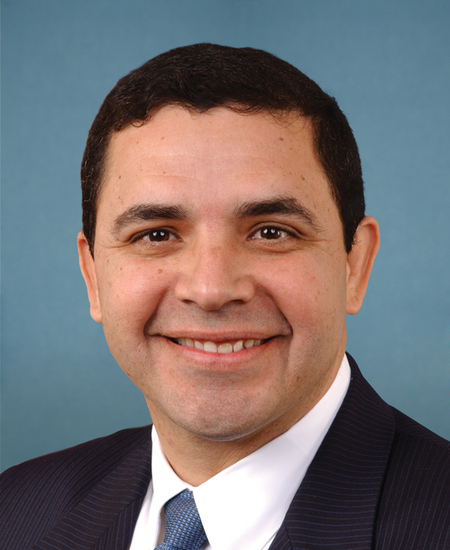
Henry Cuellar
100% support rate
Top opponent
John Garamendi
33% support rate
Ranked legislators
6
5 support · 1 oppose
Key legislators

Who's moving women's health in United States

Legislators moving women's health in United States
Legislator Party Stance Support rate Decisive votes
Henry Cuellar
Henry Cuellar House · District 28
D
Strong +
100% 4
Marcy Kaptur
Marcy Kaptur House · District 9
D
Support
67% 3
Mike Haridopolos
Mike Haridopolos House · District 8
R
Support
67% 3
Aaron Bean
Aaron Bean House · District 4
R
Mixed
50% 4
Abraham J. Hamadeh
Abraham J. Hamadeh House · District 8
R
Mixed
50% 4
John Garamendi
John Garamendi House · District 8
D
Oppose
33% 3
Showing 41–50 of 223 bills

All healthcare bills

in committee · United States · House May 11, 2026

HR 8734: To express the Sense of Congress with respect to safety of medication abortion and Federal preemption of State restrictions on dispensing medication abortion, and for other purposes.

This bill expresses the sense of Congress that medication abortion is a safe medical treatment approved by federal regulators. It asserts that this federal approval overrides any state laws requiring the procedure to be dispensed in person by a healthcare provider. Additionally, the bill states that federal approval preempts state restrictions on prescribing or dispensing medication abortion through telehealth. Essentially, the legislation argues that states cannot enforce rules limiting how medication abortion is delivered if those rules conflict with the federal approval process.
in committee · United States · House May 13, 2026

HR 8784: Bereaved Parents Rights Act

The Bereaved Parents Rights Act requires hospitals and birth centers to notify parents of miscarriages or stillbirths about their options for burial, cremation, or hospital disposal. This notification must occur within six hours of the event or the parent's discharge, using a standardized form provided by the government. If parents choose burial or cremation within 72 hours, the facility must follow the same state laws that apply to other fetal deaths. The bill also allows parents to sue in federal court if these notification requirements are not met.
in committee · United States · House May 15, 2026

HR 8869: Traumatic Births Research Act of 2026

The Traumatic Births Research Act of 2026 directs the Department of Health and Human Services to study how traumatic birth experiences and post-traumatic stress disorder affect mothers, infants, and families. This legislation expands research funding to include states, Indian Tribes, and Tribal organizations, requiring that study results be broken down by race and ethnicity. Additionally, the bill authorizes a pilot program to compare midwife-led care models against traditional medical care regarding their impact on birth trauma and mental health. To monitor progress, the Secretary must submit an interim report by the end of fiscal year 2028 and a final report by the end of fiscal year 2030.
Sub-Topics Mental Health Women's Health Tags Tribal Nations
in committee · United States · House Mar 12, 2026

HR 7912: Neonatal Care Transparency Act of 2026

The Neonatal Care Transparency Act of 2026 requires hospitals and obstetricians to publicly disclose their policies on providing life-saving care to premature infants, including specific details on gestational age limits and transfer procedures. This information must be made available to the public and shared with patients during their first prenatal visit to ensure families are aware of potential treatment limitations at their chosen facilities. To enforce compliance, the bill prohibits the federal government from providing Medicaid or CHIP funding to any hospital or obstetric provider that fails to meet these new disclosure standards. These measures aim to increase transparency in neonatal care decisions by mandating clear communication about medical capabilities before a baby is born.
in committee · United States · Senate May 14, 2026

S 4540: Reproductive Health Care Accessibility Act

The Reproductive Health Care Accessibility Act aims to improve access to reproductive health services for individuals with disabilities by addressing barriers such as inaccessible facilities and a lack of provider training. The bill creates several new funding programs to train medical professionals on disability-specific needs, recruit more disabled students into reproductive health careers, and provide accessible educational materials to patients. It authorizes millions of dollars in grants over five years to support these workforce development initiatives and establishes a national center to offer technical assistance on accessible care standards. Additionally, the legislation funds a study to identify effective programs and coordinate efforts across federal, state, and local agencies to ensure equitable health outcomes.
Sub-Topics Women's Health Tags People with Disabilities
in committee · United States · House May 14, 2026

HR 8807: Maternal Health Pandemic Response Act

The Maternal Health Pandemic Response Act allocates $200 million to the Centers for Disease Control and Prevention to improve data collection, surveillance, and research on how public health emergencies affect pregnant and postpartum individuals. This funding supports efforts to gather detailed demographic information on maternal health outcomes, establish regional centers of excellence, and expand surveys to better reach underrepresented communities. The legislation also requires the CDC to make this data publicly available in a disaggregated format while protecting patient privacy, and mandates public education campaigns to ensure accurate information reaches families and healthcare providers. Additionally, the bill creates a diverse task force to develop federal recommendations for respectful maternity care during emergencies, addressing issues such as telehealth access, doula coverage, and the treatment of mental health and substance use disorders. These measures aim to reduce health disparities and improve care quality for pregnant people from racial and ethnic minority groups during public health crises.
in committee · United States · Senate Apr 27, 2026

S 4387: Protect Moms From Domestic Violence Act

The Protect Moms From Domestic Violence Act directs the Department of Health and Human Services to fund research and grants aimed at understanding how violence and trauma affect the health of pregnant and postpartum individuals. This legislation authorizes $15 million over three years to support state, local, and community organizations in developing culturally relevant programs that address issues like domestic violence, sexual assault, and mental health among birthing persons. Additionally, the bill requires the government to publish guidelines for healthcare providers on routinely screening for intimate partner violence and implementing trauma-informed care plans. The law specifically prioritizes initiatives that serve diverse communities, including Black, Hispanic, American Indian, and LGBTQIA2S+ populations, as well as adolescent mothers.
in committee · United States · House May 14, 2026

HR 8811: Moms Matter Act

The Moms Matter Act directs the Department of Health and Human Services to create two main grant programs aimed at improving maternal mental health and reducing health disparities among pregnant and postpartum individuals. The first program provides funding to community organizations and healthcare providers to expand services that integrate mental health care into prenatal and postpartum settings, with a specific focus on groups facing higher risks of mortality and morbidity. The second program offers grants to educational institutions to train and recruit a diverse workforce of mental health professionals who specialize in caring for pregnant and postpartum patients. Both initiatives require recipients to submit annual reports on their activities and outcomes, while the legislation authorizes $25 million and $15 million respectively for each program from fiscal years 2027 through 2031.
in committee · United States · House May 8, 2026

HR 8690: Pregnant Women in Custody Act

The Pregnant Women in Custody Act establishes new federal standards to protect the health and rights of pregnant women held in Bureau of Prisons facilities, immigration detention centers, and refugee shelters. It mandates comprehensive medical care, including mandatory pregnancy testing, access to contraception, and specialized dietary and housing accommodations tailored to pregnancy needs. A central provision prohibits the use of restrictive housing and physical restraints during pregnancy, labor, and the postpartum recovery period, with limited exceptions only for immediate safety threats. The legislation also requires facilities to provide nursery programs allowing mothers and infants to remain together, offers education on parental rights, and mandates regular reporting on health outcomes and the use of restrictive measures.
in committee · United States · House May 4, 2026

HRES 1256: Expressing support for the designation of May 6, 2026, as "National Maternal Mental Health Awareness Day" and prioritizing the goals and ideals of raising awareness and understanding of maternal mental health conditions.

HRES 1256 is a non-binding resolution that formally recognizes May 6, 2026, as National Maternal Mental Health Awareness Day. The bill aims to raise public understanding about maternal mental health issues, such as depression and anxiety, which disproportionately affect women, military families, and medically underserved communities. It highlights the severe risks of untreated conditions, including increased infant mortality and significant economic costs, while encouraging government agencies and citizens to support awareness programs.
Showing 41 to 50 of 223 bills
Previous 1 … 4 5 6 … 23 Next