Issue · Healthcare

Healthcare (Mental Health)

Every healthcare bill, vote, and legislator stance in United States, automatically classified by Maddy, our AI policy reader.

Total bills
420
119th Congress
Top supporter
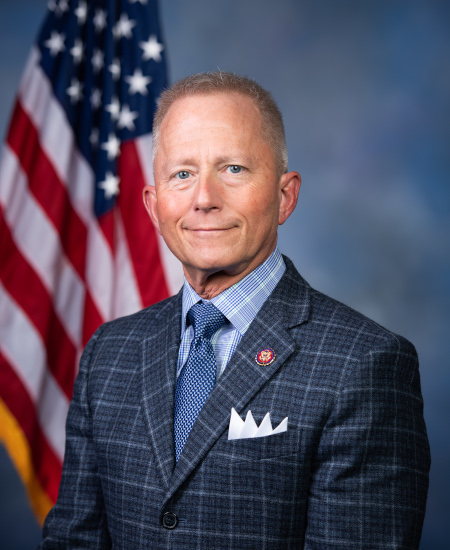
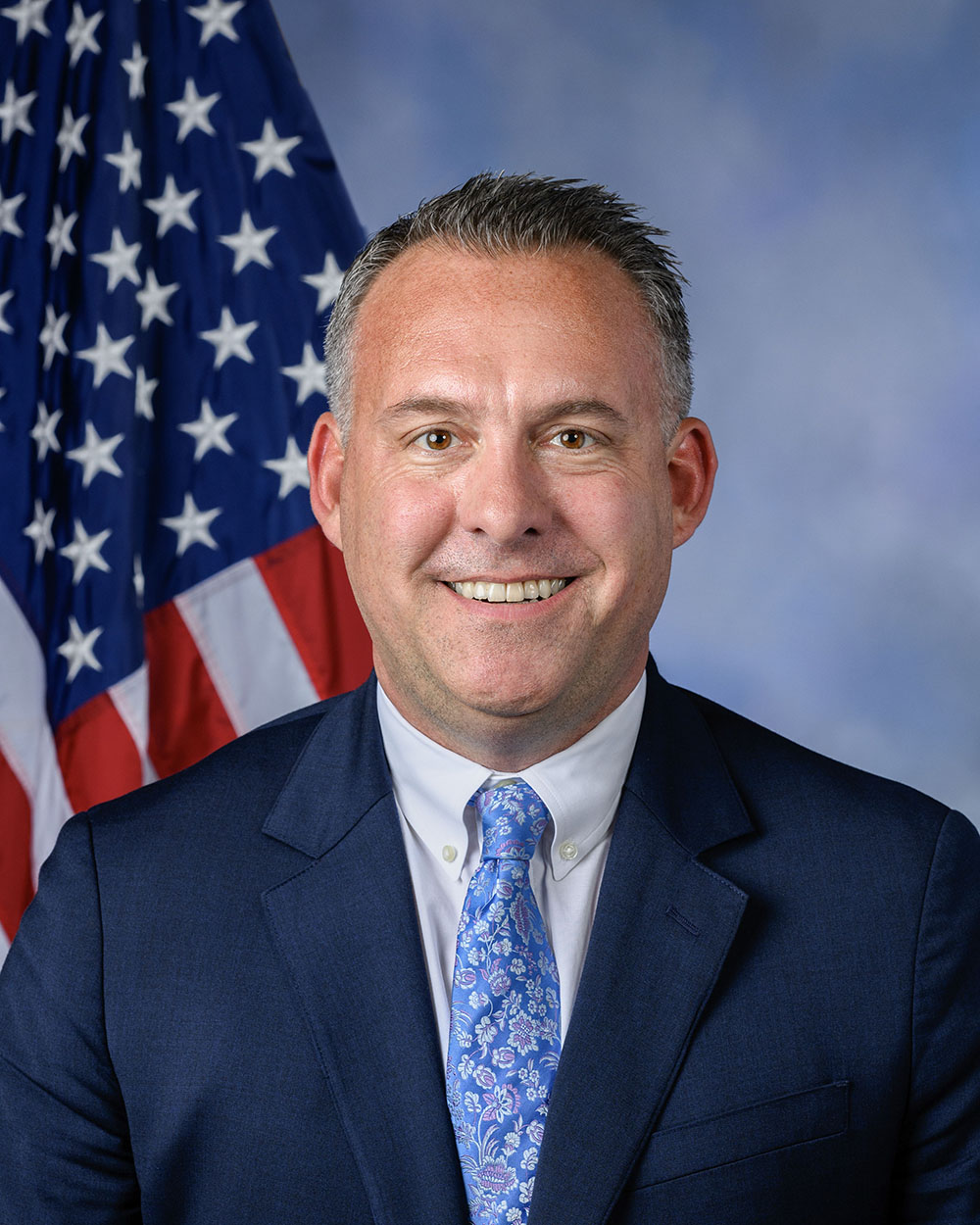
Jefferson Van Drew
100% support rate
Top opponent
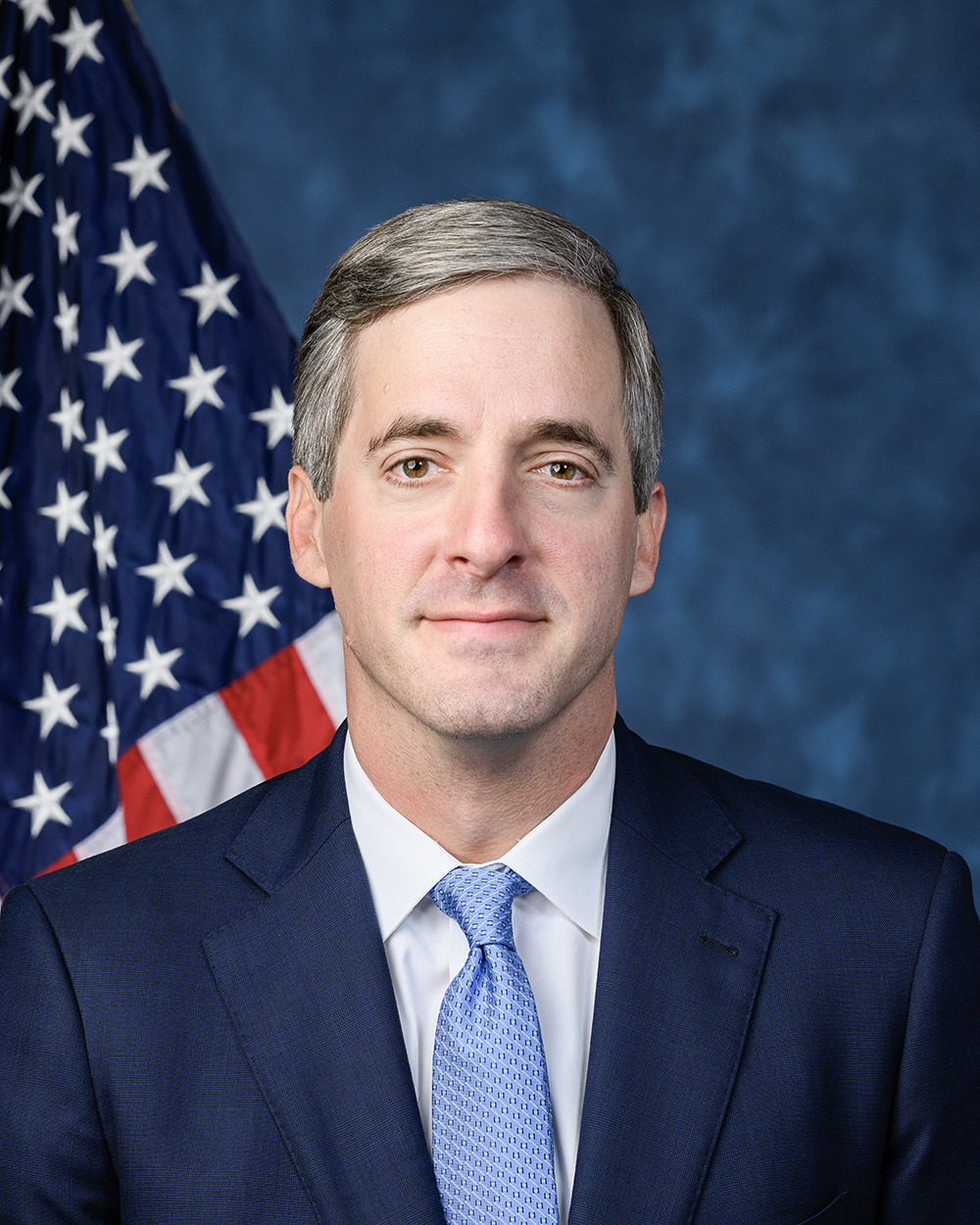
Brad Knott
0% support rate
Ranked legislators
10
5 support · 5 oppose
Key legislators

Who's moving mental health in United States

Legislators moving mental health in United States
Legislator Party Stance Support rate Votes
Jefferson Van Drew
Jefferson Van Drew House · District 2
R
Strong +
100% 4
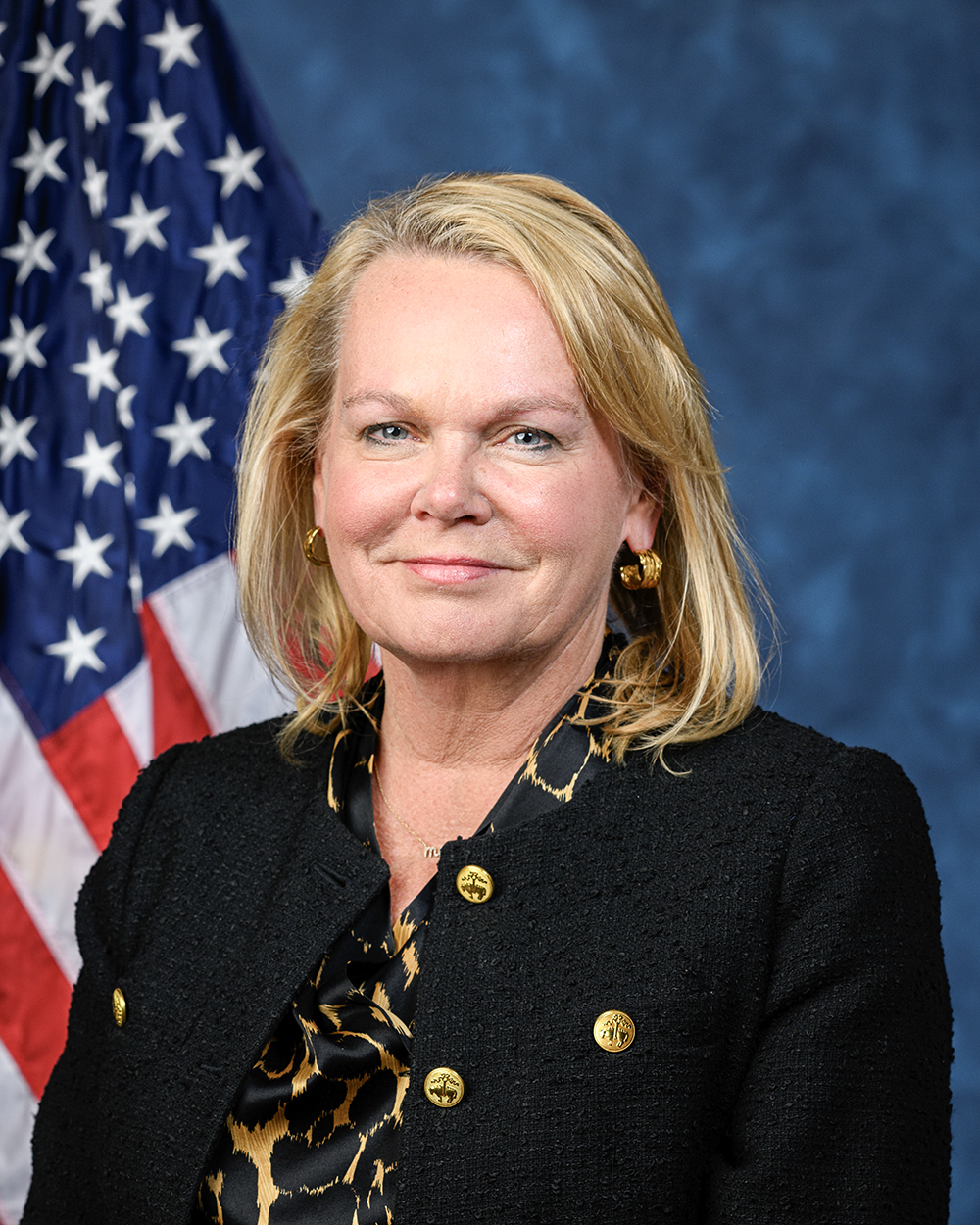
April McClain Delaney
April McClain Delaney House · District 6
D
Strong +
100% 3
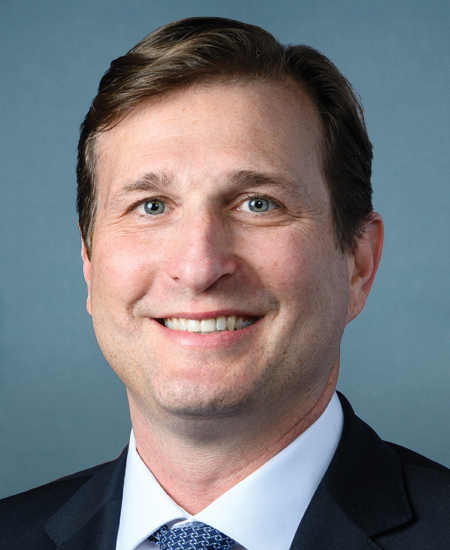
Daniel S. Goldman
Daniel S. Goldman House · District 10
D
Strong +
100% 3
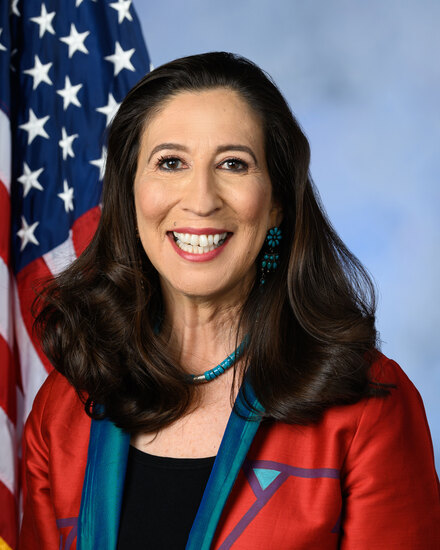
Teresa Leger Fernandez
Teresa Leger Fernandez House · District 3
D
Strong +
100% 3
Adam Gray
Adam Gray House · District 13
D
Support
75% 4
Brad Knott
Brad Knott House · District 13
R
Strong −
0% 4
Keith Self
Keith Self House · District 3
R
Strong −
0% 4
Pat Harrigan
Pat Harrigan House · District 10
R
Strong −
0% 4
Thomas P. Tiffany
Thomas P. Tiffany House · District 7
R
Strong −
0% 4
Andy Harris
Andy Harris House · District 1
R
Strong −
0% 3
Showing 21–30 of 420 bills

All healthcare bills

in committee · United States · Senate Aug 4, 2026

S 5236: Improving CARE for Youth Act

The Improving CARE for Youth Act amends the Social Security Act to prevent state Medicaid plans from denying payment for mental health or primary care services provided on the same day as a qualifying service. This legislation directly affects individuals receiving Medicaid coverage, particularly those who visit outpatient facilities for both physical and mental health treatments during a single visit. By establishing that states cannot prohibit reimbursement for these concurrent services, the bill ensures that patients are not financially penalized for combining different types of care in one appointment. The measure defines "same-day qualifying services" as primary or mental health visits occurring at the same facility on the same day, regardless of whether the providers are identical.
Sub-Topics Children's Health Medicaid Mental Health Tags Children
in committee · United States · Senate Aug 4, 2026

S 5231: Equity in Pretrial Health Coverage Act

The Equity in Pretrial Health Coverage Act removes federal restrictions that currently prevent individuals awaiting trial from accessing certain government health benefits. The bill amends laws governing Medicaid, Medicare, the Children's Health Insurance Program (CHIP), and Department of Veterans Affairs services to ensure these programs cover medical care for people in custody while their charges are pending. For children enrolled in CHIP, the legislation also mandates coverage for specific screenings and case management services during the 30 days leading up to their release. These changes take effect shortly after enactment, with the Department of Veterans Affairs provision becoming active immediately upon the bill's passage.
passed · United States · Senate Aug 7, 2026

SRES 843: A resolution expressing support for the designation of the first week of August 2026, as "National Community Health Center Week", encouraging all people of the United States to participate by visiting their local community health center, and celebrating the important partnership between community health centers and the communities they serve.

This Senate resolution designates the first week of August 2026 as "National Community Health Center Week" to recognize the role these facilities play in providing affordable primary care across the United States. The bill highlights that community health centers serve a diverse range of populations, including those in rural and urban areas, by offering integrated services such as mental health, dental, and pharmacy care. It encourages the general public to participate in the observance by visiting local centers and celebrating the partnership between these organizations and their communities.
in committee · United States · Senate Aug 6, 2026

S 5305: Campus Lifeline Act

The Campus Lifeline Act expands federal grant programs to support student-led mental health and substance use disorder interventions at institutions of higher education. It authorizes funding for peer awareness activities, such as suicide prevention education and digital campaigns that encourage students to seek help, while requiring grantees to provide accessible resources for online and distance-learning students. Additionally, the bill directs the National Suicide Prevention Lifeline program to coordinate with schools and universities to list hotline numbers on student identification cards and promote behavioral health resources through public service announcements.
in committee · United States · Senate Aug 6, 2026

S 5283: Momnibus Act

The Momnibus Act is a comprehensive legislative package designed to address maternal health disparities by expanding access to care, improving data collection, and funding community-based interventions for pregnant and postpartum individuals. Key provisions include extending WIC nutrition benefits for new mothers from six months to two years, establishing a federal task force to coordinate efforts across government agencies, and creating grant programs to support social determinants of health such as housing, transportation, and mental health services. The bill also mandates respectful maternity care training for hospital staff, requires states to restrict the shackling of pregnant individuals in prison to maintain federal funding eligibility, and authorizes significant research funding through the National Institutes of Health to study maternal mortality causes and climate change impacts on pregnancy outcomes.
in committee · United States · House Jul 27, 2026

HR 9962: Green New Deal for Health Act

The Green New Deal for Health Act establishes a comprehensive federal framework to address the health impacts of climate change by creating new offices, expanding funding, and mandating specific actions across the health care sector. It directly affects hospitals, medical facilities, health care workers, and communities, with a specific focus on protecting environmental justice and low-income populations from climate-related health risks. Key provisions include the creation of an Office of Climate Change and Health Equity to develop a national strategic plan, requirements for hospitals to provide extended notice before closing or reducing essential services, and significant grants to upgrade medical facilities for climate resilience. The bill also mandates that the health care sector reduce its own carbon emissions through new disclosure rules for medical supplies and grants for green manufacturing, while simultaneously funding education to train health professionals on climate-related health threats. Additionally, the legislation authorizes Medicare coverage for home resiliency services, such as heat pumps and solar batteries, for individuals at risk during climate disasters, and allocates billions of dollars to expand the community health workforce and support mental health resilience programs.
in committee · United States · Senate Jul 23, 2026

S 5120: Increasing Mental Health Options Act of 2026

The Increasing Mental Health Options Act of 2026 expands Medicare coverage for clinical psychologists by introducing financial incentives and removing certain administrative barriers. Starting in 2028, clinical psychologists working in designated rural and underserved areas will receive an additional 10 percent payment for services provided to Medicare beneficiaries. The bill also allows clinical psychologists to provide care or supervision in various settings, including outpatient rehabilitation, skilled nursing facilities, and home health services, as long as state laws permit it. These changes aim to increase access to mental health services by formally recognizing the role of clinical psychologists in Medicare-covered care.
in committee · United States · House Aug 3, 2026

HRES 1475: Expressing support for the designation of the first week of August as "National Community Health Center Week", and encouraging all Americans to participate by visiting their local community health center and celebrating the important partnership between health centers and the communities they serve.

This resolution expresses support for designating the first week of August as National Community Health Center Week to honor the contributions of these facilities. It encourages all Americans to visit their local health centers during this time to celebrate the partnership between these organizations and the communities they serve. The bill highlights how community health centers provide affordable, comprehensive care to millions of people, particularly in rural and underserved areas, while integrating services like dental care, behavioral health, and pharmacy support. By recognizing these centers, the resolution aims to raise awareness of their role in improving public health outcomes and supporting local economies.
in committee · United States · House Aug 3, 2026

HRES 1469: Condemning a legal opinion issued by the U.S. Department of Justice on June 18, 2026, regarding the Olmstead v. L.C., the 1999 Supreme Court decision that recognized institutional isolation of people with disabilities as discrimination under the Americans with Disabilities Act.

This resolution condemns a 2026 Department of Justice opinion that challenges the legal requirement to place people with disabilities in community settings rather than institutions. It directly affects individuals with disabilities who rely on federal protections to live independently and avoid segregation in facilities like nursing homes or psychiatric hospitals. The text affirms that the 1999 Supreme Court ruling in Olmstead v. L.C. mandates that states offer community-based services when appropriate and calls on the Justice Department to rescind its opinion. Additionally, it urges Congress to reverse recent cuts to Medicaid funding that support home and community-based services for people with disabilities.
Sub-Topics Medicaid Mental Health Tags People with Disabilities
in committee · United States · Senate Jul 29, 2026

S 5164: Rural Emergency Hospital Designation Improvement Act

The Rural Emergency Hospital Designation Improvement Act expands eligibility for facilities to convert into rural emergency hospitals by relaxing certain operational requirements and clarifying rules for units providing psychiatric, rehabilitation, or obstetric care. It establishes a new payment structure that increases reimbursement by 5 percent for diagnostic laboratory tests starting in 2027 and allows these hospitals to use swing beds for extended care services. The legislation also ensures that rural emergency hospitals are recognized as health professional shortage areas to attract medical staff and includes their services in Medicaid coverage plans. Additionally, the bill permits facilities that revert to critical access hospital status to regain their previous necessary provider designation and makes them eligible for specific improvement grants.
Showing 21 to 30 of 420 bills
Previous 1 2 3 4 42 Next