Issue · Healthcare

Healthcare (Medicaid)

Every healthcare bill, vote, and legislator stance in United States, automatically classified by Maddy, our AI policy reader.

Total bills
52
119th Congress
Top supporter
Christopher Murphy
89% support rate
Top opponent
Bill Hagerty
11% support rate
Ranked legislators
10
5 support · 5 oppose
Key legislators

Who's moving medicaid in United States

Legislators moving medicaid in United States
Legislator Party Stance Support rate Decisive votes
Christopher Murphy
Christopher Murphy Senate
D
Strong +
89% 9
Adam B. Schiff
Adam B. Schiff Senate
D
Strong +
80% 10
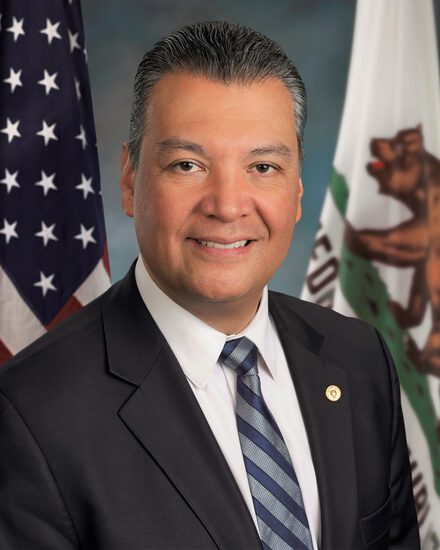
Alex Padilla
Alex Padilla Senate
D
Strong +
80% 10
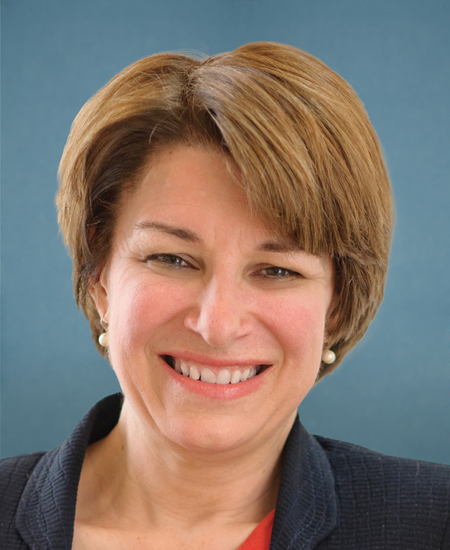
Amy Klobuchar
Amy Klobuchar Senate
D
Strong +
80% 10
Andy Kim
Andy Kim Senate
D
Strong +
80% 10
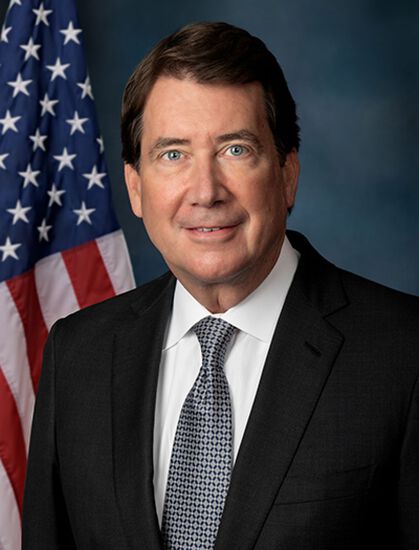
Bill Hagerty
Bill Hagerty Senate
R
Strong −
11% 9
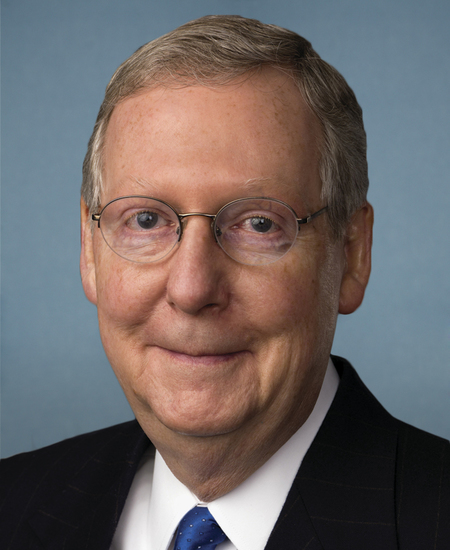
Mitch McConnell
Mitch McConnell Senate
R
Strong −
11% 9
Roger F. Wicker
Roger F. Wicker Senate
R
Strong −
11% 9
Jerry Moran
Jerry Moran Senate
R
Strong −
12% 8
Ashley Moody
Ashley Moody Senate
R
Strong −
20% 10
Showing 21–30 of 52 bills

All healthcare bills

in committee · United States · Senate Mar 4, 2025

S 832: EPIC Act of 2025

The EPIC Act of 2025 extends the required time period for negotiating drug prices under the federal program for biologic drugs. It changes the rule so that biologic drug manufacturers must wait at least 11 years after FDA approval before their drug can be included in price negotiations, starting with the 2028 initial price applicability year. This specifically affects biologic drug manufacturers, as the change applies only to biologics (not small-molecule drugs, which already have different rules). The bill modifies Section 1192(e)(1)(A)(ii) of the Social Security Act to implement this longer waiting period. This is a concrete policy change to the timing of drug price negotiations, not a new program or broader policy shift.
in committee · United States · House Jan 21, 2025

HR 584: No Medicaid for Illegal Immigrants Act of 2025

HR 584, the "No Medicaid for Illegal Immigrants Act of 2025," would amend the Social Security Act to prohibit states from providing Medicaid coverage to non-citizens who are not lawfully admitted for permanent residence or permanently residing in the U.S. under legal status. This bill directly affects undocumented immigrants who currently qualify for Medicaid in some states. The key provision inserts a new requirement that states cannot offer Medicaid benefits (except for specific emergency care) to these individuals under any state Medicaid plan or waiver. The change would prevent federal Medicaid funding from being used for this group, effectively eliminating their eligibility.
in committee · United States · Senate Mar 14, 2025

S 1082: Safeguarding Medicaid Act

The Safeguarding Medicaid Act (S 1082) requires all Medicaid applicants and recipients in every state and territory to undergo an asset test, removing previous exemptions for people who are aged, blind, or disabled. It sets the resource limit for eligibility at the same level used for Supplemental Security Income (SSI) benefits, meaning individuals with assets above this threshold would be ineligible for Medicaid. The bill also mandates states to implement electronic asset verification systems within one year of enactment and report annually on the number of asset checks conducted during eligibility renewals and new applications. This affects all Medicaid applicants and recipients nationwide, with states required to track and report savings from these verification efforts to the federal government.
Sub-Topics Medicaid Medicare
in committee · United States · House Jan 22, 2026

HR 7213: Safeguarding Benefits for Americans Act of 2026

HR 7213, the *Safeguarding Benefits for Americans Act of 2026*, requires U.S. citizenship or nationality for eligibility for most federal assistance programs (like SNAP, housing aid, or Medicaid). It mandates applicants to submit a written declaration under penalty of perjury and provide documentary proof (e.g., birth certificate, SSN) verified through Social Security Administration and DHS databases. The bill affects individuals applying for or receiving federal benefits, with exceptions for children in households where at least one member meets the requirement (e.g., children in SNAP or elderly housing programs). It takes effect 1 year after enactment, requiring all current recipients to meet the new rules within 2 years.
in committee · United States · Senate Jan 9, 2025

S 62: America First Act

The America First Act would restrict eligibility for numerous federal benefit programs based on immigration status. It requires verification of citizenship or lawful immigration status for programs including Medicaid, Medicare, Head Start, school meals, WIC, the Child Tax Credit, Earned Income Tax Credit, and housing assistance. The bill specifically would deny benefits to individuals who are unlawfully present in the U.S. or who have certain immigration statuses including parolees, Temporary Protected Status (TPS) recipients, DACA recipients, and asylum seekers. These provisions would directly affect millions of immigrants and their families who currently qualify for these programs. The bill would also prohibit use of FEMA assistance for certain non-citizens and limit access to postsecondary financial aid based on immigration status.
in committee · United States · Senate Feb 11, 2025

S 523: Protect Medicaid Act

The Protect Medicaid Act (S 523) prohibits federal Medicaid funds from covering administrative costs for health benefits provided to unauthorized immigrants. It directly affects states that currently offer Medicaid-like benefits to noncitizens ineligible due to immigration status, requiring them to fund these administrative costs themselves. The bill amends the Social Security Act to explicitly ban such federal spending and mandates an Inspector General report detailing how states separate costs, ensure compliance, and finance these programs (e.g., via provider taxes). The report must also analyze drug pricing impacts when unauthorized immigrants receive covered medications through Medicaid or 340B programs. This is a procedural change restricting federal funding, not altering eligibility for Medicaid benefits.
in committee · United States · House Mar 6, 2025

HR 1922: Ensuring Access to Essential Drugs Act

This bill exempts certain orally administered drugs from Medicare Part D's manufacturer discount program. Specifically, it excludes drugs that: (1) received FDA approval under the standard new drug application process, and (2) have been granted a narrow CMS exception allowing them to be treated as noninnovator drugs under Medicaid rebates. The exemption applies directly to these specific drugs meeting both criteria, altering how their costs are calculated under Medicare Part D. This change affects drug manufacturers and Medicare beneficiaries by modifying the discount structure for these particular medications.
in committee · United States · House Feb 13, 2025

HR 1303: Protecting America’s Seniors’ Access to Care Act

HR 1303, the Protecting America’s Seniors’ Access to Care Act, would block the federal government from enforcing a 2024 rule requiring nursing homes to meet minimum staffing standards and mandating Medicaid programs to report payment transparency details. This bill directly affects long-term care facilities and Medicaid programs by preventing the implementation of these specific requirements. The legislation prohibits the Secretary of Health and Human Services from carrying out the rule published on May 10, 2024, which was designed to improve care quality and accountability in senior healthcare. It stops the rule from taking effect without creating new policies or regulations.
in committee · United States · Senate Feb 6, 2025

S 447: Jobs and Opportunities for Medicaid Act

S 447, the "Jobs and Opportunities for Medicaid Act," would require most Medicaid recipients aged 18-65 (excluding those with medical exemptions, pregnant individuals, or primary caregivers for young children) to work or volunteer at least 20 hours per week to maintain coverage, starting January 1, 2026. This amendment to the Social Security Act creates a new work requirement for "able-bodied adults" under Medicaid, removing medical assistance for those who don’t meet the threshold. Exemptions cover individuals under 18 or over 65, those with medical certifications, pregnant people, primary caregivers for children under 6, and those in drug treatment programs. The bill directly affects working-age adults without qualifying exemptions who currently receive Medicaid. It represents a significant change to Medicaid eligibility rules for this specific group.
Sub-Topics Medicaid
in committee · United States · Senate Jun 10, 2025

S 2008: Stop Funding Genital Mutilation Act

This bill prohibits federal Medicaid and CHIP funding for specific medical procedures related to gender transition, as defined in the legislation. It amends the Social Security Act to block funding for surgeries (like hysterectomy, phalloplasty, or mastectomy), hormone therapies (including puberty blockers or supraphysiologic doses), and certain cosmetic procedures when performed to change physical characteristics to align with a person's gender identity. Exceptions apply for medically necessary treatments, such as puberty suppression for precocious puberty, correction of disorders of sex development, or life-threatening conditions. The bill directly affects Medicaid/CHIP recipients seeking these covered procedures and requires states to exclude them from funded services. It does not ban the procedures themselves but restricts federal financial support for them.
Showing 21 to 30 of 52 bills
Previous 1 … 2 3 4 … 6 Next