Issue · Healthcare

Healthcare

Every healthcare bill, vote, and legislator stance in United States, automatically classified by Maddy, our AI policy reader.

Total bills
240
119th Congress
Top supporter
Darline Graham
100% support rate
Top opponent
Ashley Moody
18% support rate
Ranked legislators
10
5 support · 5 oppose
Key legislators

Who's moving healthcare in United States

Legislators moving healthcare in United States
Legislator Party Stance Support rate Decisive votes
Darline Graham
Darline Graham Senate
R
Strong +
100% 6
AA
Alan Armstrong Senate
R
Strong +
88% 8
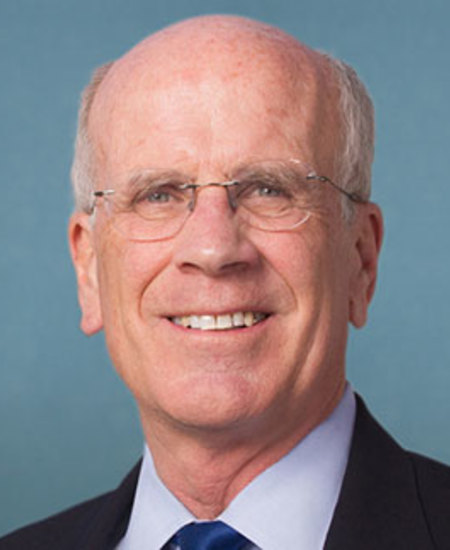
Peter Welch
Peter Welch Senate
D
Strong +
82% 22
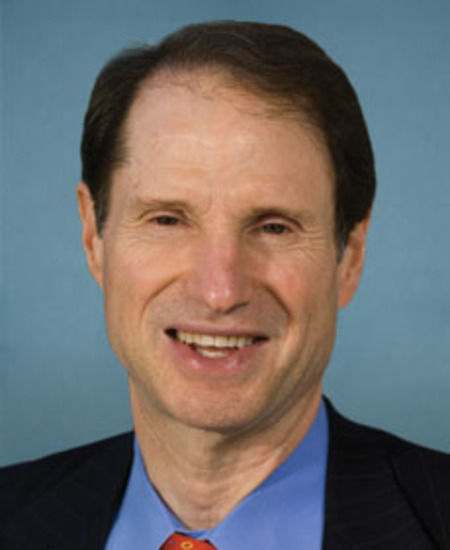
Ron Wyden
Ron Wyden Senate
D
Support
77% 22
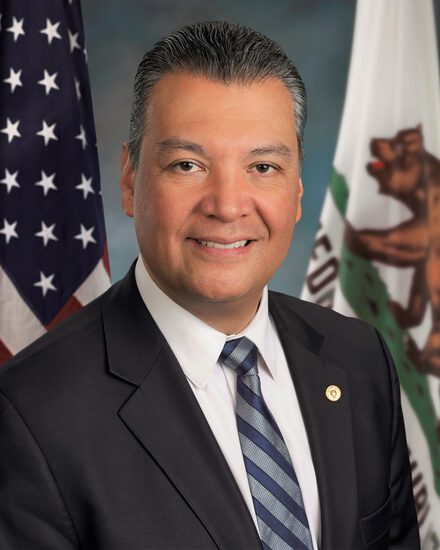
Alex Padilla
Alex Padilla Senate
D
Support
76% 21
Ashley Moody
Ashley Moody Senate
R
Strong −
18% 22
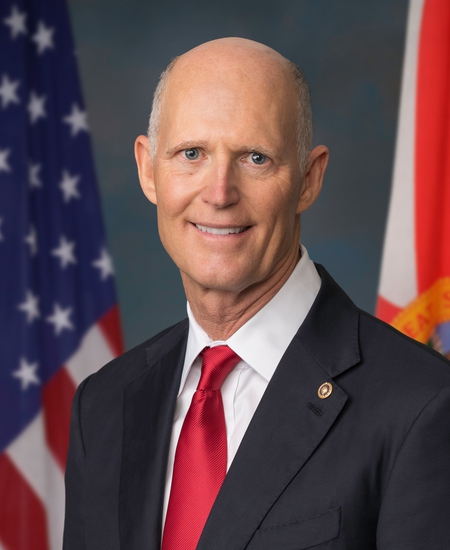
Rick Scott
Rick Scott Senate
R
Strong −
18% 22
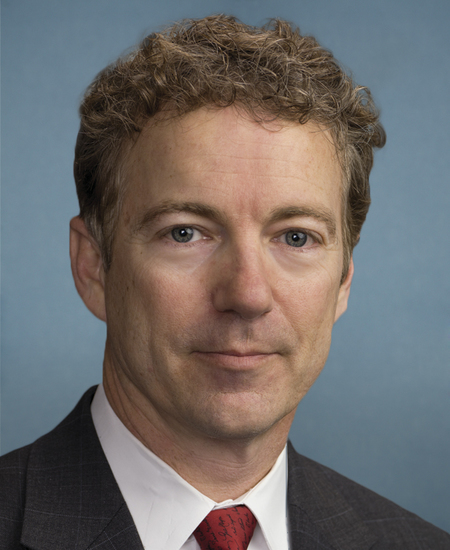
Rand Paul
Rand Paul Senate
R
Oppose
23% 22
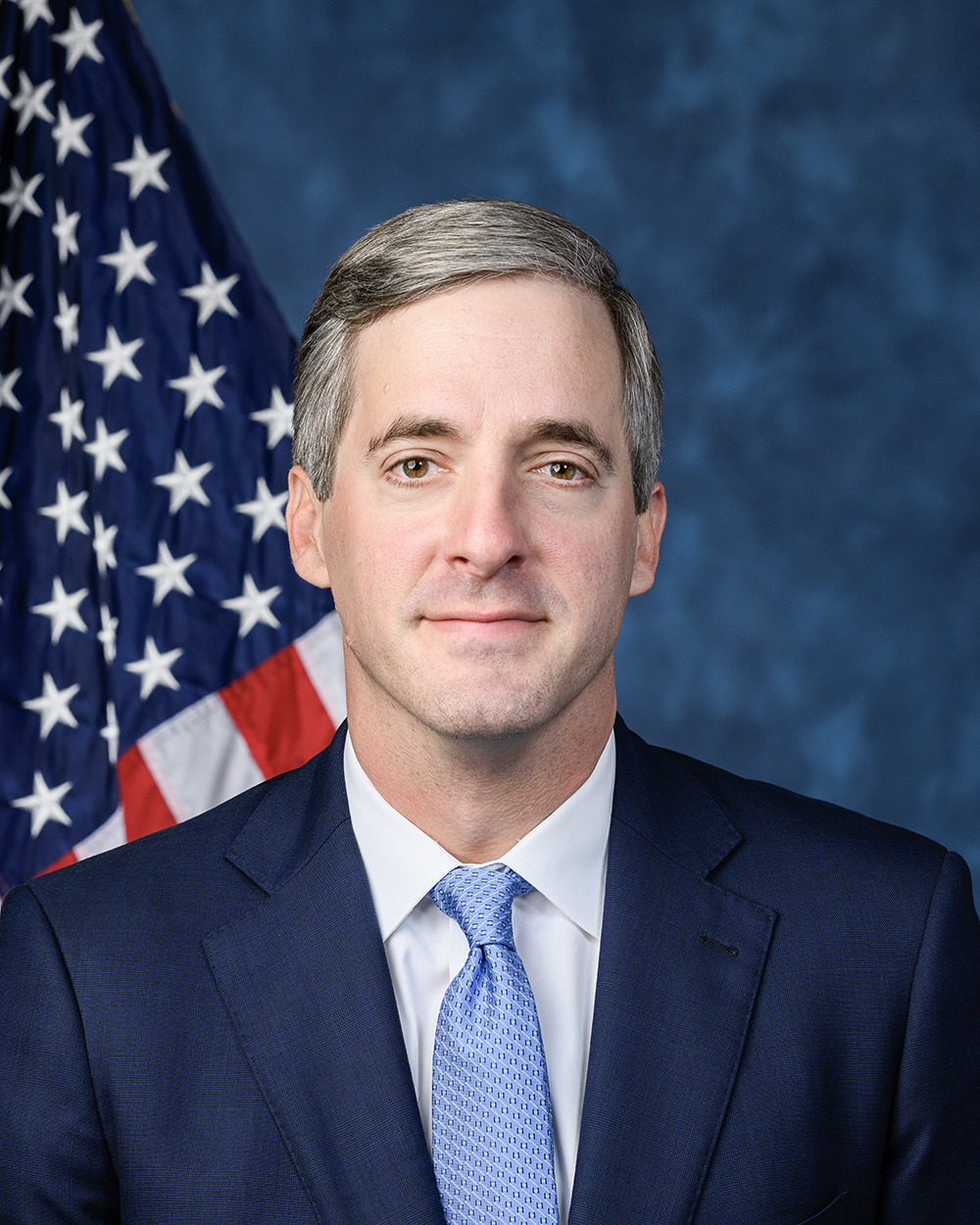
Brad Knott
Brad Knott House · District 13
R
Oppose
28% 18
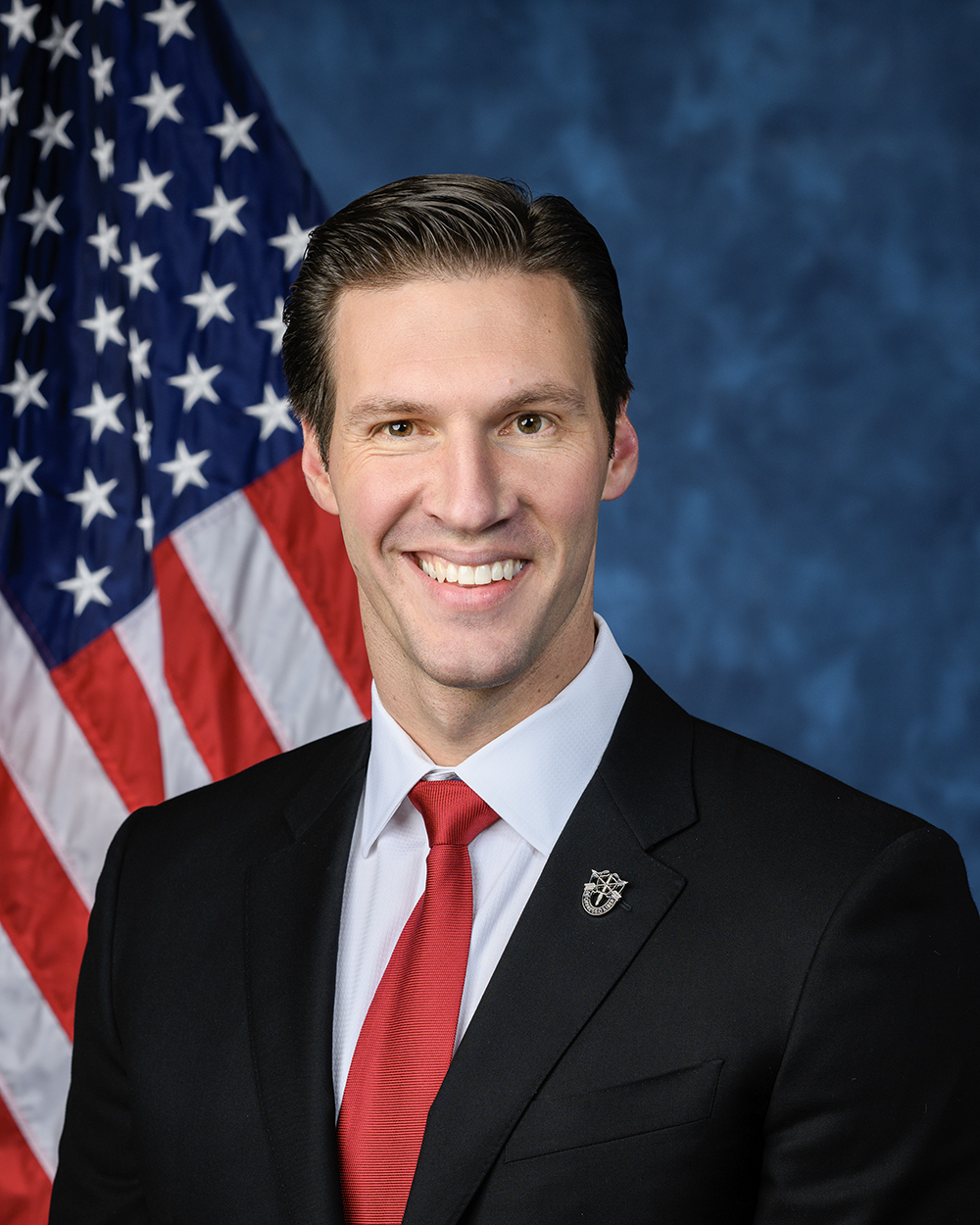
Pat Harrigan
Pat Harrigan House · District 10
R
Oppose
28% 18
Showing 21–30 of 240 bills

All healthcare bills

in committee · United States · Senate Jun 24, 2026

SRES 787: A resolution celebrating the historic anniversary of the June 24, 2022, decision of the Supreme Court of the United States in Dobbs v. Jackson Women's Health Organization.

This Senate resolution commemorates the fourth anniversary of the 2022 Supreme Court decision in Dobbs v. Jackson Women's Health Organization, which overturned the previous federal right to abortion. The document expresses the Senate's support for state authority to regulate abortion and acknowledges the work of pregnancy centers that assist expectant mothers. It formally declares the Senate's commitment to protecting unborn life and supporting families, while noting the ongoing policy challenges related to abortion access. As a symbolic measure, the bill does not create new laws or alter existing regulations but serves to record the Senate's stance on the issue.
Sub-Topics Women's Health
in committee · United States · House Jun 24, 2026

HR 9443: Saving FACE Act of 2026

The Saving FACE Act of 2026 amends federal criminal law to remove penalties for obstructing access to abortion services. It achieves this by changing the name of the relevant statute from "Freedom of Access to Clinics" to "Freedom of Access to Church" and removing the specific definition of abortion from the list of protected activities. Additionally, the bill updates the legal definition of abortion to exclude the intentional termination of a pregnancy, thereby narrowing the scope of the obstruction statute. These changes directly affect individuals who might otherwise face criminal charges for blocking entry to facilities providing abortion care.
Sub-Topics Women's Health
in committee · United States · Senate Jun 23, 2026

S 4873: Promoting Human Flourishing in Foreign Assistance Act

This bill restricts how nonmilitary foreign assistance funds can be used by prohibiting organizations from supporting abortion, gender ideology, or discriminatory equity ideology outside the United States. It requires recipients of these funds to agree not to provide or promote these specific activities, mandates that U.S. organizations keep their foreign aid programs physically and financially separate from such work, and allows the Secretary of State to require foreign governments to place funds in segregated accounts to prevent misuse. The legislation defines prohibited concepts narrowly, such as defining sex strictly by biological classification and limiting exceptions for abortion to cases where a woman's life is in immediate danger. While the rules apply to foreign and international organizations receiving U.S. aid, U.S.-based nonprofits are exempt from the ban on providing these services domestically but must still ensure their foreign-funded projects do not engage in them.
Sub-Topics Women's Health
in committee · United States · Senate Jul 14, 2026

SJRES 197: A joint resolution providing for congressional disapproval under chapter 8 of title 5, United States Code, of the rule submitted by the Centers for Medicare & Medicaid Services of the Department of Health and Human Services relating to "Patient Protection and Affordable Care Act, HHS Notice of Benefit and Payment Parameters for 2027; and Basic Health Program".

This joint resolution seeks to formally disapprove a specific rule issued by the Centers for Medicare & Medicaid Services regarding the Affordable Care Act and the Basic Health Program for 2027. If passed, the measure would nullify the rule, preventing it from taking legal effect. The bill directly impacts the administration of healthcare benefits and payment parameters for the upcoming year. It is sponsored by a group of Democratic senators and is intended to halt the implementation of the agency's proposed changes.
Sub-Topics Medicaid Medicare
in committee · United States · House Jun 18, 2026

HR 9345: Medicaid Equal Standards Act

The Medicaid Equal Standards Act requires states to implement a resource limit for individuals eligible under the Medicaid expansion, effective January 1, 2029. Under this bill, an individual would lose eligibility if their countable assets exceed $10,000, or $20,000 for married couples, with the limit adjusted every four years based on inflation. States retain some flexibility to set lower limits or include certain assets that are normally excluded from the calculation. The law also ensures that states remain eligible for federal funding even if they deny coverage to people who exceed these asset thresholds.
Sub-Topics Medicaid
in committee · United States · House Jun 18, 2026

HJRES 197: Providing for congressional disapproval under chapter 8 of title 5, United States Code, of the rule submitted by the Centers for Medicare & Medicaid Services of the Department of Health and Human Services relating to "Patient Protection and Affordable Care Act, HHS Notice of Benefit and Payment Parameters for 2027; and Basic Health Program".

This joint resolution expresses Congress's disapproval of a specific federal rule issued by the Centers for Medicare & Medicaid Services regarding the Affordable Care Act and the Basic Health Program for 2027. If passed, the measure would legally nullify the rule, preventing it from taking effect. The bill directly impacts the administration of healthcare benefits and payment parameters for the upcoming year by rejecting the proposed guidelines.
Sub-Topics Medicaid Medicare
in committee · United States · House Apr 29, 2026

HR 8573: STOP Act

The STOP Act prohibits healthcare providers and others from performing gender transition procedures on minors under 18, defining these procedures broadly to include hormone treatments, surgeries, and puberty blockers. The bill allows for exceptions in cases of disorders of sex development, acute physical injuries, or precocious puberty, but imposes federal civil penalties of at least $100,000 for violations. Additionally, the legislation establishes a federal grant program to fund nonprofit organizations that provide detransition services, education, and mental health support to individuals seeking to reverse gender transition procedures.
Sub-Topics Mental Health
in committee · United States · Senate Apr 29, 2026

S 4426: STOP Act

The STOP Act prohibits healthcare providers and others from performing gender transition procedures on minors under 18, with specific exceptions for treating disorders of sex development or addressing immediate physical dangers. This federal law defines "gender transition" broadly to include hormone treatments, surgeries, and puberty blockers, while imposing civil penalties of at least $100,000 for violations and allowing affected individuals to sue for damages. To support those seeking to reverse these procedures, the bill authorizes grants for nonprofit organizations to provide medical advice, mental health services, and educational assistance, while explicitly banning the use of these funds for gender transition treatments or most abortions.
Sub-Topics Mental Health
in committee · United States · House Apr 22, 2026

HR 8452: Restoring Law and Order on America’s Streets Act

This bill expands federal civil commitment laws to allow the long-term detention of individuals deemed a danger to public safety, specifically targeting those with serious mental illnesses who engage in certain behaviors. It directly affects homeless individuals with mental health conditions by requiring officials to evaluate them for involuntary commitment if they commit crimes like burglary, drug distribution in public, or prolonged outdoor living. The legislation defines "urban camping" and "urban squatting" as specific offenses that, when combined with a serious mental illness, can lead to mandatory certification for continued confinement. By amending existing statutes, the act aims to address public safety concerns related to mental illness and homelessness through a legal framework that prioritizes institutionalization over other forms of care or release.
in committee · United States · House May 20, 2026

HR 8943: Our Doctors First Act of 2026

The Our Doctors First Act of 2026 prohibits Medicare from providing federal funding for the graduate medical education of doctors who are not U.S. citizens or nationals. This change applies to hospitals and non-hospital training providers, requiring them to stop counting non-citizen residents and interns toward their Medicare payments starting one year after the law is enacted. To enforce this rule, the bill imposes escalating financial penalties on facilities that knowingly count ineligible trainees, ranging from a percentage of the payment amount for a first offense to a five-year ban on receiving Medicare education funds for repeated violations.
Sub-Topics Hospitals Medicare
Showing 21 to 30 of 240 bills
Previous 1 … 2 3 4 … 24 Next