Issue · Healthcare

Healthcare (Medicaid)

Every healthcare bill, vote, and legislator stance in United States, automatically classified by Maddy, our AI policy reader.

Total bills
389
119th Congress
Top supporter
Christopher Murphy
89% support rate
Top opponent
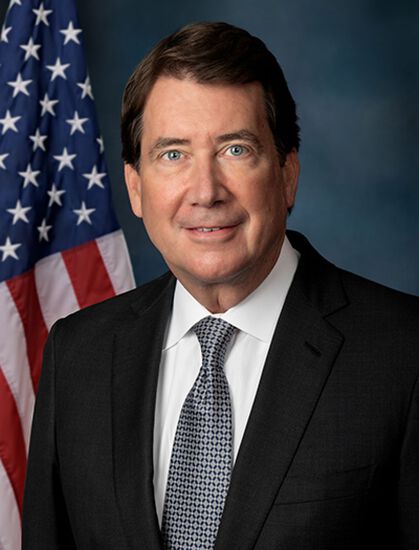
Bill Hagerty
11% support rate
Ranked legislators
10
5 support · 5 oppose
Key legislators

Who's moving medicaid in United States

Legislators moving medicaid in United States
Legislator Party Stance Support rate Decisive votes
Christopher Murphy
Christopher Murphy Senate
D
Strong +
89% 9
Adam B. Schiff
Adam B. Schiff Senate
D
Strong +
80% 10
Alex Padilla
Alex Padilla Senate
D
Strong +
80% 10
Amy Klobuchar
Amy Klobuchar Senate
D
Strong +
80% 10
Andy Kim
Andy Kim Senate
D
Strong +
80% 10
Bill Hagerty
Bill Hagerty Senate
R
Strong −
11% 9
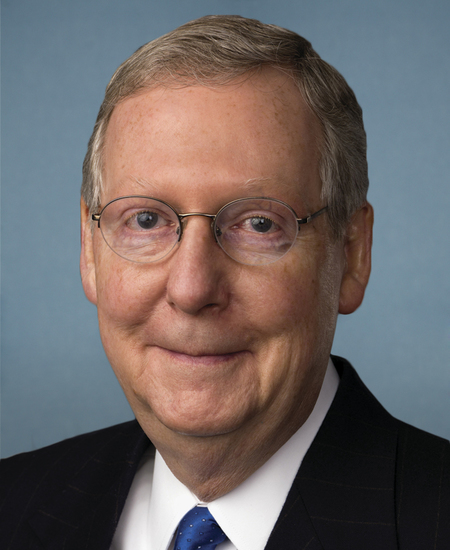
Mitch McConnell
Mitch McConnell Senate
R
Strong −
11% 9
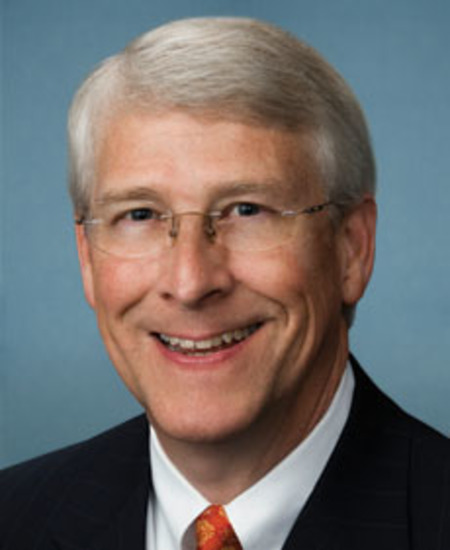
Roger F. Wicker
Roger F. Wicker Senate
R
Strong −
11% 9
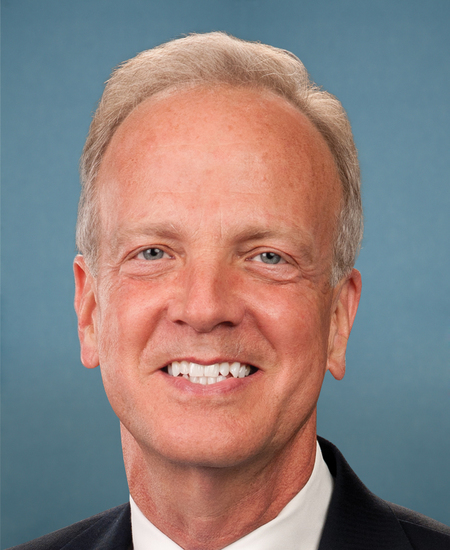
Jerry Moran
Jerry Moran Senate
R
Strong −
12% 8
Ashley Moody
Ashley Moody Senate
R
Strong −
20% 10
Showing 271–280 of 389 bills

All healthcare bills

in committee · United States · House Dec 10, 2025

HR 6592: Continuous Skilled Nursing Quality Improvement Act of 2025

HR 6592 redefines Medicaid-covered "private duty nursing" as "continuous skilled nursing services" for complex-care patients requiring multiple hours of daily nursing care (as determined by states), mandating these services be provided by licensed nurses (RNs or LPNs). It requires the Secretary to develop national quality standards for these services through a stakeholder working group, to be published within one year. The bill also updates Medicaid waiver services and quality measures to include continuous skilled nursing services, with standards reviewed every eight years. This directly affects complex-care Medicaid beneficiaries and their nursing providers across all states.
in committee · United States · House Apr 29, 2025

HR 2484: Seniors’ Access to Critical Medications Act of 2025

This bill temporarily allows doctors to prescribe and dispense certain Medicare-covered medications directly to seniors in their offices from 2026 to 2030, under specific conditions. It requires prior in-person visits, limits dispensing to group practices, and mandates billing through the physician’s practice. The bill also directs the GAO to study whether physician-owned pharmacies are becoming common and how such arrangements might affect prescribing. It directly affects seniors receiving Medicare Part D drugs and physician practices participating in these arrangements. The exception expires in 2030, with no changes to Medicare Part D program rules.
Sub-Topics Medicaid Medicare Prescription Drugs Tags Seniors
in committee · United States · House Feb 27, 2025

HR 1708: Rebuild America’s Health Care Schools Act of 2025

Rebuild America’s Health Care Schools Act of 2025 This bill allows hospitals to receive reimbursement under Medicare for certain costs associated with training nursing and allied health students in settings other than the hospital itself.  Currently, hospitals may receive reimbursement under Medicare for the reasonable costs associated with training nursing and allied health students if certain conditions are met; the criteria vary depending on whether the students are enrolled in an educational program that is operated by the hospital or another entity. If the students are part of a program that is operated by another entity, the training must occur at the hospital itself or in areas immediately surrounding the hospital in order to qualify for reimbursement (among other requirements). The bill allows hospitals to receive reimbursement for these costs if the training is conducted at an entity that is related to the hospital (i.e., common ownership or control). The bill requires the Centers for Medicare & Medicaid Services (CMS) to update regulations to reflect these changes. Additionally, the CMS may not recoup or reduce payments to hospitals with respect to costs that are allowed under the bill and must refund any such recoupments or reductions that occurred during the six-year period prior to the bill's enactment.
in committee · United States · House Jan 22, 2025

HR 608: COVER Now Act

The COVER Now Act allows cities, counties, or other local governments in states that have not expanded Medicaid to provide health coverage to Medicaid-eligible residents. Local governments in non-expansion states can apply for a federal demonstration project to cover these residents, with the federal government paying 90-100% of costs over seven years (starting at 100% for the first three years). The bill prohibits states from retaliating against localities that participate, such as by shifting costs, reducing funding, or blocking healthcare provider participation. This directly affects uninsured residents in non-expansion states and local governments seeking to fill coverage gaps.
Sub-Topics Medicaid
in committee · United States · Senate Jun 9, 2025

S 1989: Helping Communities with Better Support Act

S 1989, the Helping Communities with Better Support Act, expands Medicaid home and community-based services (HCBS) waivers to cover more people with disabilities who previously lacked eligibility under existing rules. It allows states to approve waivers covering HCBS for individuals meeting disability definitions under the ADA or Rehabilitation Act, provided states demonstrate no impact on wait times for current beneficiaries and report detailed data on applicant waitlists and service delivery. Key provisions require states to publicly share transparency metrics starting in 2028, including average wait times for services, fulfillment rates of authorized hours, and how services differ for newly covered individuals. The bill directly affects states administering Medicaid waivers and people with disabilities seeking home care services, aiming to improve access while increasing accountability through standardized reporting.
Sub-Topics Long-Term Care Medicaid Tags People with Disabilities
in committee · United States · House Jul 15, 2026

HR 3108: RPM Access Act

HR 3108, the RPM Access Act, increases Medicare reimbursement for remote patient monitoring (RPM) in rural areas by setting a minimum reimbursement floor of 100% for practice expenses and malpractice costs starting in 2026. It requires that RPM services include real-time physician availability to address health issues, use data systems compatible with electronic health records, and mandates providers to report data on cost savings and adherence to medications. The bill directly affects rural Medicare beneficiaries with chronic conditions like heart failure and diabetes, as well as healthcare providers delivering RPM services in underserved rural communities. It also requires a 5-year report to Congress analyzing cost savings from RPM use, including reduced hospitalizations and medication adherence. The law aims to improve access to RPM in rural areas where healthcare shortages are most severe.
Sub-Topics Medicaid Medicare Telehealth Tags Rural Communities
in committee · United States · Senate May 22, 2025

S 1862: ORPHAN Cures Act

This bill amends a federal drug pricing program to better support manufacturers of drugs for rare diseases. It clarifies that time periods when a drug was designated as an "orphan drug" (for rare diseases) will not count toward the timeline for price negotiations under the program. This change directly affects pharmaceutical companies developing treatments for rare conditions by potentially delaying when their drug prices become subject to federal negotiation. The policy adjustment aims to provide more time for these specialized treatments to reach the market without immediate price constraints.
in committee · United States · Senate Jan 28, 2025

S 276: Personalized Care Act of 2025

The Personalized Care Act of 2025 expands Health Savings Account (HSA) eligibility to include more types of health coverage, such as health care sharing ministries and certain government programs (like Medicaid, Medicare, and TRICARE). It significantly increases annual HSA contribution limits - from $2,250/$4,500 to $10,800/$29,500 for individuals/families - and allows HSA funds to pay for health plan premiums and medical care service arrangements (like fixed-fee physician contracts). The bill also explicitly treats health care sharing ministry fees as qualified medical expenses, removing barriers for members of these alternative coverage groups. These changes apply to taxable years beginning after December 31, 2025.
in committee · United States · House Feb 13, 2026

HR 7569: Punishing Health Care Fraudsters Act

This bill increases penalties for healthcare fraud involving federal programs like Medicare and Medicaid. It raises maximum prison sentences under federal law from 10 to 25 years and 20 to 30 years, and increases fines from $100,000 to $250,000 for violations of the Social Security Act. The law directly affects individuals or entities committing fraud against federal health programs, such as billing for unnecessary services or stealing patient data. Key provisions amend existing criminal penalties and require the U.S. Sentencing Commission to update guidelines to better reflect the severity of these offenses.
in committee · United States · House May 1, 2025

HR 3154: Medicaid Improvement for Insular Areas Act of 2025

This bill removes a long-standing federal funding cap that restricted Medicaid spending in U.S. territories. It eliminates the funding limitation (referred to as "Section 1108(f)") for Puerto Rico, the U.S. Virgin Islands, Guam, the Northern Mariana Islands, and American Samoa, effective fiscal year 2025. The key change means these territories will no longer face a cap on federal Medicaid funds, allowing them to access full federal matching dollars for their Medicaid programs. This directly affects the Medicaid programs and residents of these five insular areas by enabling more flexible and potentially expanded coverage.
Sub-Topics Medicaid
Showing 271 to 280 of 389 bills
Previous 1 … 27 28 29 … 39 Next