Issue · Healthcare

Healthcare

Every healthcare bill, vote, and legislator stance in United States, automatically classified by Maddy, our AI policy reader.

Total bills
2,988
119th Congress
Top supporter
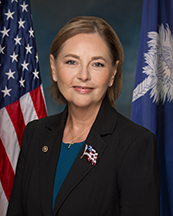
Darline Graham
82% support rate
Top opponent
Rick Scott
19% support rate
Ranked legislators
10
5 support · 5 oppose
Key legislators

Who's moving healthcare in United States

Legislators moving healthcare in United States
Legislator Party Stance Support rate Decisive votes
Darline Graham
Darline Graham Senate
R
Strong +
82% 11
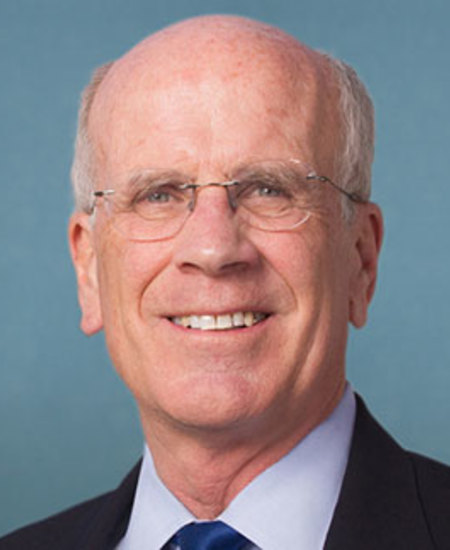
Peter Welch
Peter Welch Senate
D
Strong +
81% 27
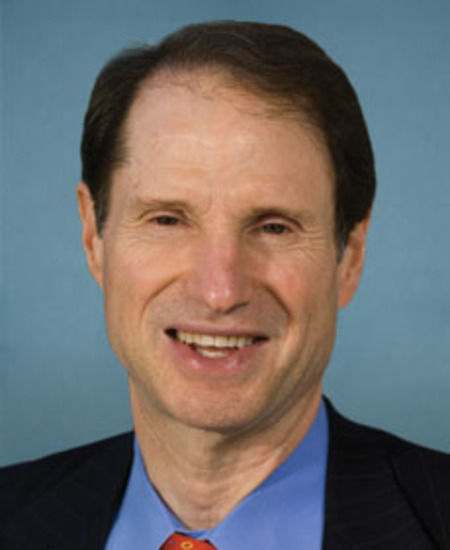
Ron Wyden
Ron Wyden Senate
D
Support
78% 27
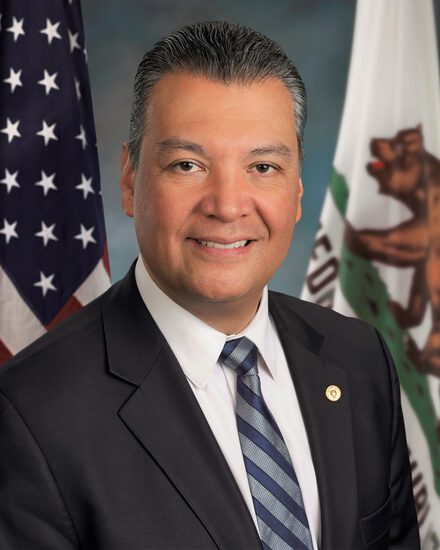
Alex Padilla
Alex Padilla Senate
D
Support
77% 26
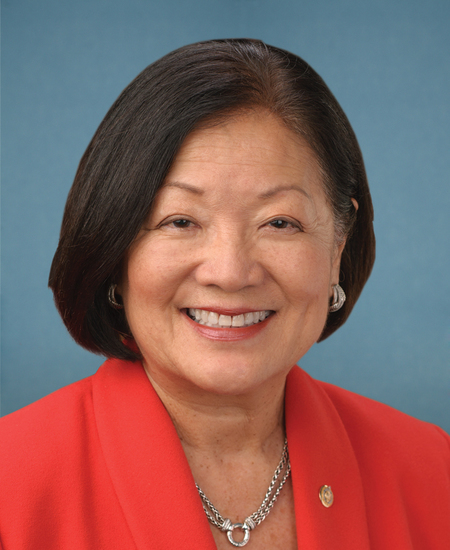
Mazie K. Hirono
Mazie K. Hirono Senate
D
Support
74% 27
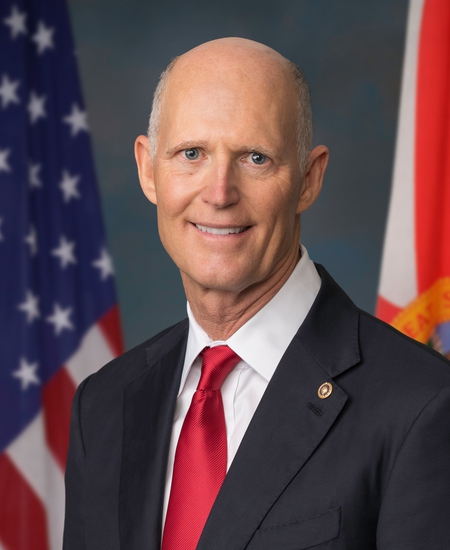
Rick Scott
Rick Scott Senate
R
Strong −
19% 27
Ashley Moody
Ashley Moody Senate
R
Oppose
22% 27
Rand Paul
Rand Paul Senate
R
Oppose
22% 27
Brad Knott
Brad Knott House · District 13
R
Oppose
28% 18
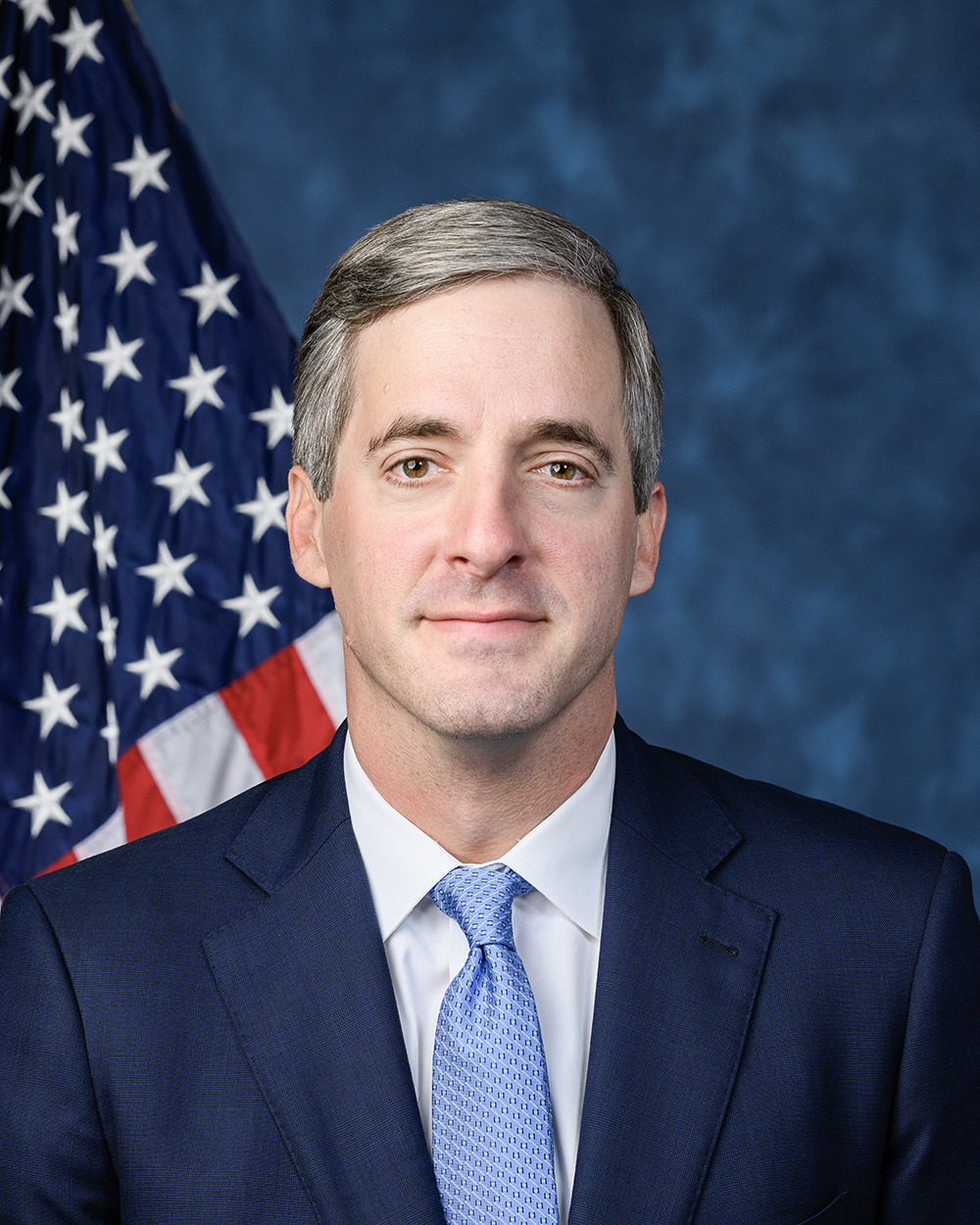
Pat Harrigan
Pat Harrigan House · District 10
R
Oppose
28% 18
Showing 2,121–2,130 of 2,988 bills

All healthcare bills

in committee · United States · Senate Feb 6, 2025

S 483: Responsibility in Drug Advertising Act of 2025

S 483, the Responsibility in Drug Advertising Act of 2025, prohibits direct-to-consumer advertising of newly approved drugs for the first three years after approval, with a possible waiver for the third year if the drug sponsor demonstrates public health benefits. After the initial three years, the FDA may ban such advertising if post-approval safety data shows significant health risks. The bill requires the FDA to update its advertising regulations within one year of enactment to implement these rules. It applies only to drugs approved under specific FDA pathways after a one-year cutoff before the law's effective date.
Sub-Topics Public Health
in committee · United States · Senate Jun 3, 2025

S 1929: SEPSIS Act

The SEPSIS Act establishes a dedicated sepsis program within the Centers for Disease Control and Prevention (CDC) to improve prevention, detection, and treatment of sepsis in hospitals. It requires hospitals to adopt evidence-based sepsis protocols (like the Hospital Sepsis Program Core Elements), report on their implementation, and supports pediatric sepsis data collection. The bill authorizes $20 million annually from 2026-2030 to fund CDC efforts, including annual reports to Congress on hospital adoption rates, pediatric sepsis reduction, and a voluntary "honor roll" program recognizing top-performing hospitals. This directly affects hospitals through reporting requirements and CDC through new program responsibilities.
in committee · United States · Senate Mar 19, 2026

S 864: HELP Copays Act

The HELP Copays Act requires that financial assistance from non-profit organizations or prescription drug manufacturers counts toward patients' annual out-of-pocket cost-sharing limits (like deductibles and copays) for certain prescription drugs. It directly affects individuals enrolled in group health plans or individual insurance who receive such assistance, ensuring payments from these sources reduce their total out-of-pocket spending. The bill amends key healthcare laws to include these payments in calculating cost-sharing thresholds, specifically for specialty drugs and drugs subject to utilization management (like prior authorization). It takes effect for plan years beginning in 2026 and does not change how utilization management tools are applied.
Sub-Topics Prescription Drugs
in committee · United States · House Sep 17, 2025

HR 5428: Medical Student Education Authorization Act of 2025

HR 5428 creates a federal grant program to support medical education for students planning to work in underserved areas. It provides $75 million annually (2026-2028) to accredited public medical schools in states with severe primary care physician shortages, prioritizing schools in states with multiple Indian Tribes and partnerships with tribal organizations or health centers. Grantees must use funds for community-based training, developing primary care programs emphasizing Tribal/rural underserved communities, faculty development, scholarships, and tracking graduates' practice locations. The bill directly affects medical schools and future physicians committed to serving Tribal, rural, or medically underserved communities after residency.
Sub-Topics Medical Licensing Primary Care Tags Tribal Nations
in committee · United States · House Sep 16, 2025

HR 5386: Technical Assistance for Health Grants Act

HR 5386, the Technical Assistance for Health Grants Act, requires the federal government to provide tailored technical support to entities receiving health grants under Section 2008 of the Social Security Act. It mandates assistance for grantees at all project stages, with specific provisions for Indian tribes, tribal organizations, territories, and demonstration projects, plus peer conferences to share best practices. The bill allocates $15 million for fiscal year 2026 to fund this technical assistance program and requires annual reports to Congress on the support provided. This direct policy change affects health grant recipients by improving their capacity to apply for and manage federal health funding. The amendments take effect October 1, 2025.
Tags Tribal Nations
in committee · United States · Senate Feb 12, 2025

S 552: CRITICAL Act

This bill increases Medicare reimbursement rates for critical access hospitals (CAHs) located in noncontiguous states (like Alaska or Hawaii) to 105% for specific services, up from the current 101%. It directly affects CAHs in these states by raising payments for inpatient care, outpatient services, ambulance transport, and skilled nursing facility services starting January 1, 2026. The key mechanism amends existing Social Security Act provisions to insert the higher 105% rate for services provided by CAHs in noncontiguous states. This policy change aims to address cost disparities for rural healthcare providers in geographically isolated areas.
in committee · United States · House Feb 2, 2026

HR 6539: STORM Act

The STORM Act establishes a federal system to rapidly deploy licensed health care professionals during emergencies using private technology platforms. It allows the President to certify private platforms that connect credentialed independent contractors (health care workers licensed in at least one state) and facilitates interstate licensure waivers for these workers when responding to federally declared emergencies. The bill requires annual reports to Congress on waiver usage and provides liability protections for participants who follow its procedures, except in cases of gross negligence. This directly affects health care platforms, independent contractors, and state emergency response systems by streamlining cross-state deployment during crises.
Sub-Topics Medical Licensing Tags Emergency Management
in committee · United States · House Jun 17, 2025

HR 4028: Stabilize Medicaid and CHIP Coverage Act

This bill establishes 12-month continuous enrollment for Medicaid and CHIP (Children's Health Insurance Program) beneficiaries, meaning individuals enrolled in these programs will not need to renew coverage annually. It removes the previous age limit of 19 for Medicaid coverage and updates language to refer to "individuals" instead of "children" in enrollment rules. The changes directly affect current and future Medicaid and CHIP recipients who would otherwise face annual renewal requirements. The policy takes effect one year after the bill's enactment, providing more stable health coverage for low-income families and children.
in committee · United States · House May 23, 2025

HR 3590: SCHOOL Professionals Act of 2025

This bill amends IRS rules to clarify that contractors primarily providing services to educational organizations (like schools) are treated similarly to employees for health coverage purposes. Specifically, it changes Section 4980H of the tax code so that these contractors count toward full-time employee thresholds when determining if an educational organization must offer health insurance. This directly affects schools and their operations/logistics contractors, requiring schools to include these contractors when assessing health coverage obligations under employer mandates. The change applies to months beginning after the bill's enactment date.
in committee · United States · House Nov 18, 2025

HR 1669: To amend the Public Health Service Act to reauthorize the Stop, Observe, Ask, and Respond to Health and Wellness Training Program.

HR 1669 reauthorizes the SOAR to Health and Wellness Training Program, which trains healthcare professionals to address patient health behaviors through a "Stop, Observe, Ask, and Respond" approach. The bill extends the program's funding period from fiscal years 2020-2024 to 2026-2030 under the Public Health Service Act. This change ensures continued federal support for the training program without altering its existing structure or eligibility. The program directly affects healthcare providers participating in the training and health centers offering it.
Sub-Topics Public Health
Showing 2,121 to 2,130 of 2,988 bills