Issue · Healthcare

Healthcare

Every healthcare bill, vote, and legislator stance in United States, automatically classified by Maddy, our AI policy reader.

Total bills
2,988
119th Congress
Top supporter
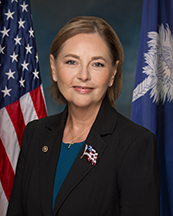
Darline Graham
82% support rate
Top opponent
Rick Scott
19% support rate
Ranked legislators
10
5 support · 5 oppose
Key legislators

Who's moving healthcare in United States

Legislators moving healthcare in United States
Legislator Party Stance Support rate Decisive votes
Darline Graham
Darline Graham Senate
R
Strong +
82% 11
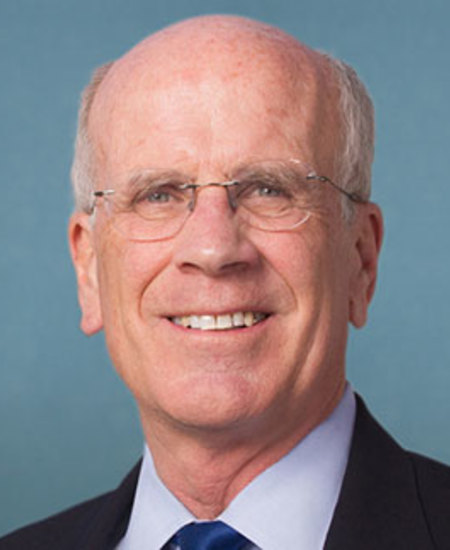
Peter Welch
Peter Welch Senate
D
Strong +
81% 27
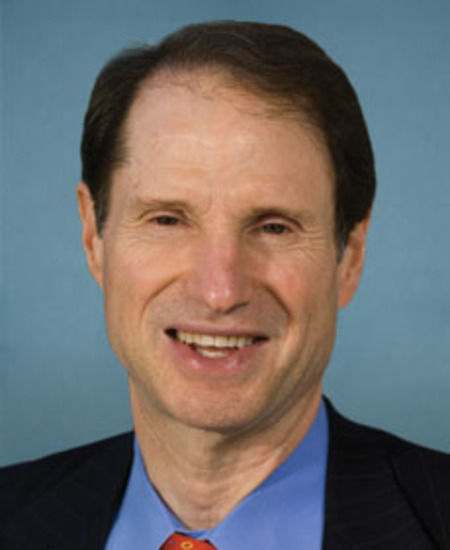
Ron Wyden
Ron Wyden Senate
D
Support
78% 27
Alex Padilla
Alex Padilla Senate
D
Support
77% 26
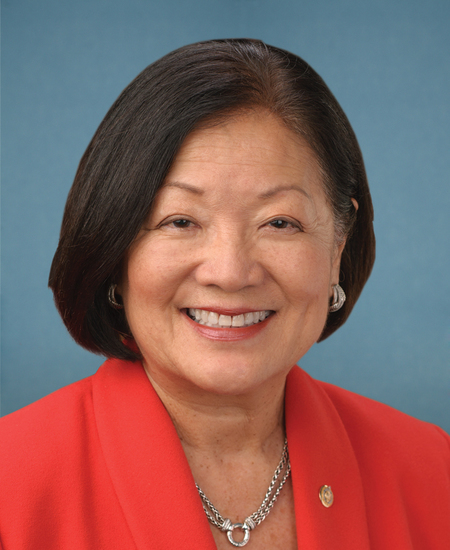
Mazie K. Hirono
Mazie K. Hirono Senate
D
Support
74% 27
Rick Scott
Rick Scott Senate
R
Strong −
19% 27
Ashley Moody
Ashley Moody Senate
R
Oppose
22% 27
Rand Paul
Rand Paul Senate
R
Oppose
22% 27
Brad Knott
Brad Knott House · District 13
R
Oppose
28% 18
Pat Harrigan
Pat Harrigan House · District 10
R
Oppose
28% 18
Showing 2,091–2,100 of 2,988 bills

All healthcare bills

in committee · United States · House Aug 19, 2025

HR 5003: Equal Treatment of the District of Columbia Under the Rural Health Transformation Program Act of 2025

This bill amends the Social Security Act to include the District of Columbia as an eligible jurisdiction for the Rural Health Transformation Program, which previously only covered the 50 states. It directly affects District of Columbia healthcare providers and patients who were previously excluded from this federal program. The key provision inserts "and the District of Columbia" into the eligibility language of Section 2105(h)(2)(D) of the Social Security Act. This change ensures D.C. qualifies for the same program benefits as rural areas in states. The amendment applies retroactively as if enacted on a specified date.
Tags Rural Communities
in committee · United States · House Feb 18, 2025

HR 1406: Lung Cancer Screening and Prevention Act of 2025

Lung Cancer Screening and Prevention Act of 2025 This bill authorizes Medicare coverage of additional types of lung cancer screening tests that are approved by the Food and Drug Administration, regardless of whether they are recommended by the United States Preventive Services Task Force. The Centers for Medicare & Medicaid Services must set coverage and payment limits for such tests. (Currently, Medicare covers screening tests for the early detection of lung cancer if they are recommended by the task force.)
Sub-Topics Medicaid Medicare
passed · United States · Senate Jun 15, 2026

S 825: Fighting Post-Traumatic Stress Disorder Act of 2025

S 825 requires the Justice Department to develop a report within 150 days on programs providing evidence-based mental health care for public safety officers, including police, firefighters, EMTs, and 911 dispatchers. The report must outline how to deliver trauma-informed care, peer support, and family services through in-person or telehealth options, while ensuring confidentiality for officers seeking help. It also needs to detail administrative efficiency across states and territories, draft necessary grant conditions, and estimate annual funding needs. This bill does not fund programs but sets a framework for future action based on the high rates of PTSD and suicide among these frontline workers.
Sub-Topics Mental Health Telehealth Tags Public Safety
in committee · United States · House Jan 21, 2025

HR 593: Strengthening Pathways to Health Professions Act

HR 593 exempts certain health profession loan repayments and scholarship payments from federal income tax. It applies to individuals participating in Public Health Service Act programs (like sections 338B, 846, and 338K) and state programs designed to increase healthcare access in underserved areas. The bill also includes scholarships under the Native Hawaiian Health Care Improvement Act in this tax exclusion. These changes take effect for payments received after the bill's enactment date.
in committee · United States · Senate May 22, 2025

S 1866: SCREENS for Cancer Act of 2025

The SCREENS for Cancer Act of 2025 reauthorizes and strengthens the National Breast and Cervical Cancer Early Detection Program (NBCCEDP), which provides free or low-cost screening and diagnostic services to low-income, uninsured, or underinsured women. The bill increases annual funding to $235 million for fiscal years 2026-2030, expands the program’s focus to include cancer prevention alongside detection and control, and adds specific requirements to reduce health disparities and improve access for underserved populations. Key provisions include updated guidelines for follow-up care, enhanced patient navigation services, and a requirement for a GAO report by 2027 assessing program eligibility, service trends, and barriers to screening. The program directly serves women across all 50 states, the District of Columbia, territories, and tribal organizations, building on its existing record of providing over 16.5 million screenings to 6.4 million people since 1991.
in committee · United States · Senate May 20, 2025

S 419: Reauthorizing Support and Treatment for Officers in Crisis Act of 2025

This bill reauthorizes funding for existing mental health support programs designed to assist law enforcement officers experiencing crisis. It extends the authorization period for these programs from 2020-2024 to 2025-2029 under Section 1001(a)(21) of the 1968 Omnibus Crime Control and Safe Streets Act. The bill directly affects law enforcement officers who access these crisis support services, ensuring continued availability of the established program. It does not create new programs but maintains current funding for existing mental health treatment and support resources for officers.
in committee · United States · Senate Jul 30, 2025

S 879: Veteran Caregiver Reeducation, Reemployment, and Retirement Act

This bill, S 879 (Veteran Caregiver Reeducation, Reemployment, and Retirement Act), supports family caregivers who provide personal care for veterans. It extends medical coverage for 180 days after a caregiver stops providing services (unless dismissed for misconduct), provides up to $1,000 for certification fees, free training modules, and access to employment programs like Military OneSource, and adds bereavement counseling after a veteran's death. The bill also requires studies on returnship programs for caregivers returning to work and barriers to hiring former caregivers at VA facilities. It mandates reports to Congress on retirement savings options and VA efforts to assist caregivers transitioning out of caregiving roles.
in committee · United States · Senate Apr 10, 2025

SRES 171: A resolution supporting the goals and ideals of "National Youth HIV/AIDS Awareness Day".

SRES 171 is a symbolic Senate resolution supporting National Youth HIV/AIDS Awareness Day. It encourages state/local governments, schools, and media to recognize the day and promotes access to inclusive HIV education, prevention services (like PrEP), and youth-friendly healthcare without parental consent. The resolution also calls for removing outdated HIV criminalization laws and increasing funding for programs serving youth impacted by HIV, but it does not create new laws or allocate funds. It directly aims to raise awareness and reduce stigma affecting young people, particularly African-American youth and young gay/bisexual men disproportionately impacted by HIV.
in committee · United States · Senate Mar 6, 2025

S 891: Bipartisan Health Care Act

This document appears to be a comprehensive legislative bill, likely titled the "Pandemic and All-Hazards Preparedness and Response Act" or a similar public health bill. It contains numerous sections (numbered 201-625) with detailed provisions covering: 1. **Public Health Emergency Preparedness** - Sections 611-617 focus on strengthening state/local readiness, hospital preparedness, wastewater surveillance, and medical stockpiles. 2. **Opioid Crisis Response** - Sections 521-522, 531-539 address opioid prevention, treatment, recovery, and workforce development. 3. **Mental Health and Substance Use Disorder** - Sections 531-539 include grants for treatment, peer support, and workforce development. 4. **Suicide Prevention** - Section 518 focuses on protecting the National Suicide Prevention Lifeline from cybersecurity threats. 5. **Public Health Infrastructure** - Sections 621-625 cover medical countermeasures, antimicrobial resistance, and strategic stockpile management. 6. **Technical Corrections** - Sections 551-554 include technical amendments to controlled substances laws. The bill contains numerous funding authorizations (e.g., $735 million for Public Health Emergency Preparedness for fiscal years 2025-2026), reauthorizations of existing programs, and new initiatives aimed at strengthening the U.S. public health response system to both infectious disease threats and the opioid crisis. Without a specific question about this document, I've provided a general overview of its content and scope. If you have a specific question about any section or provision, please let me know.
Showing 2,091 to 2,100 of 2,988 bills