Issue · Healthcare

Healthcare

Every healthcare bill, vote, and legislator stance in United States, automatically classified by Maddy, our AI policy reader.

Total bills
2,988
119th Congress
Top supporter
Darline Graham
82% support rate
Top opponent
Rick Scott
19% support rate
Ranked legislators
10
5 support · 5 oppose
Key legislators

Who's moving healthcare in United States

Legislators moving healthcare in United States
Legislator Party Stance Support rate Decisive votes
Darline Graham
Darline Graham Senate
R
Strong +
82% 11
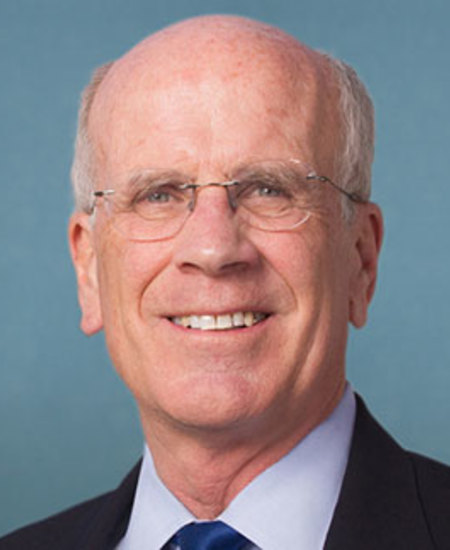
Peter Welch
Peter Welch Senate
D
Strong +
81% 27
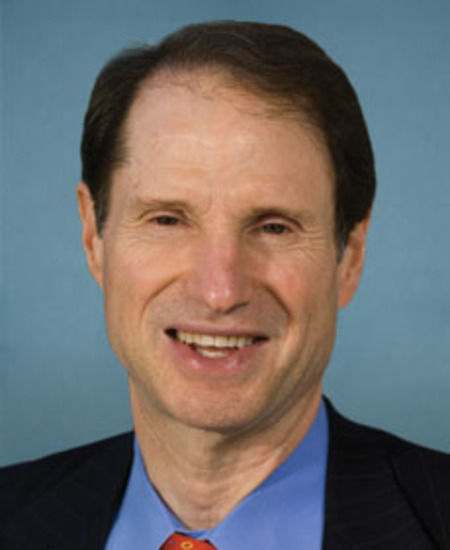
Ron Wyden
Ron Wyden Senate
D
Support
78% 27
Alex Padilla
Alex Padilla Senate
D
Support
77% 26
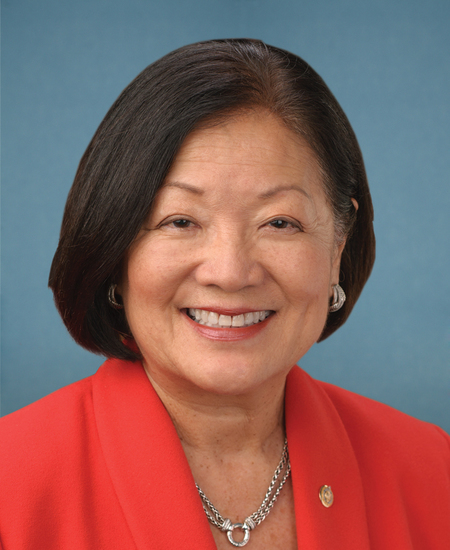
Mazie K. Hirono
Mazie K. Hirono Senate
D
Support
74% 27
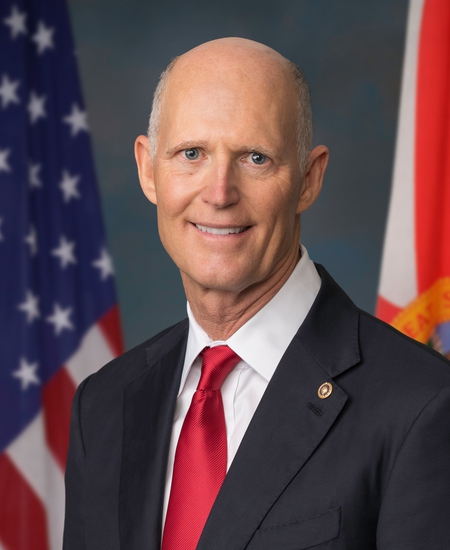
Rick Scott
Rick Scott Senate
R
Strong −
19% 27
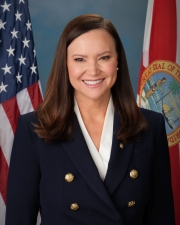
Ashley Moody
Ashley Moody Senate
R
Oppose
22% 27
Rand Paul
Rand Paul Senate
R
Oppose
22% 27
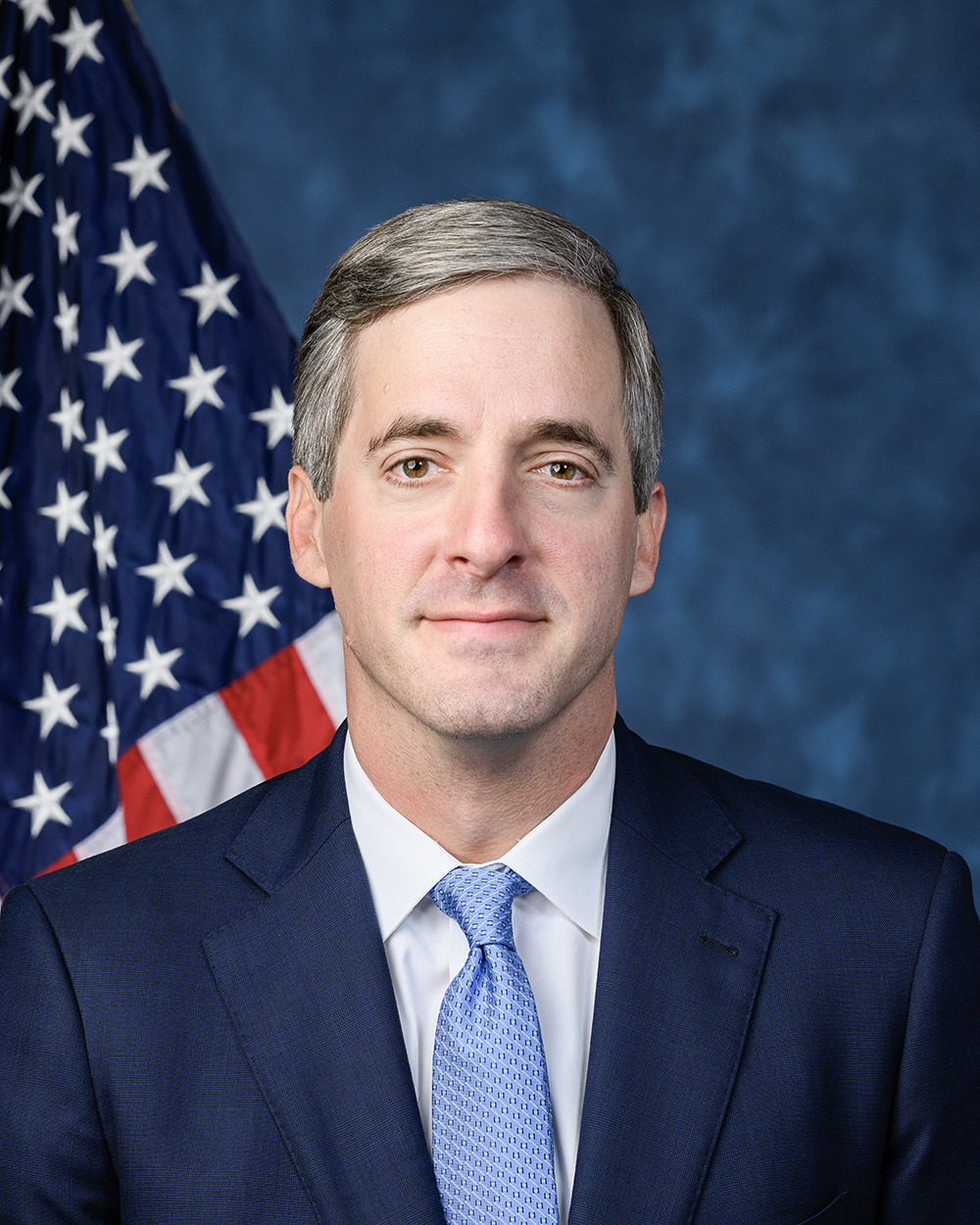
Brad Knott
Brad Knott House · District 13
R
Oppose
28% 18
Pat Harrigan
Pat Harrigan House · District 10
R
Oppose
28% 18
Showing 2,061–2,070 of 2,988 bills

All healthcare bills

in committee · United States · Senate May 8, 2025

S 1689: Stop Mental Health Stigma in Our Communities Act of 2025

S 1689, the Stop Mental Health Stigma in Our Communities Act of 2025, requires the U.S. Department of Health and Human Services to create a national outreach strategy targeting mental health stigma within Asian American, Native Hawaiian, and Pacific Islander (AANHPI) communities. It mandates two key reviews: one on mental health crises among AANHPI youth (with $1.5 million for 2026) and another on AANHPI behavioral health workforce shortages (also $1.5 million for 2026), both requiring disaggregated data analysis. The bill also authorizes $3 million annually (2026-2030) for culturally tailored outreach, education, and services to address low treatment rates (35% of Asian adults received mental health care in 2023) and suicide risks. Annual reports will track progress on increasing awareness and reducing barriers to care for AANHPI populations.
Sub-Topics Mental Health
in committee · United States · Senate Feb 25, 2025

S 701: Helping Heroes Act

The Helping Heroes Act (S 701) establishes the Veteran Family Resource Program within the Department of Veterans Affairs to directly support veterans and their families - including caregivers and survivors - with basic needs like housing, childcare, and mental health. It requires the VA to appoint family coordinators at each Veterans Integrated Service Network within five years to help families navigate VA benefits and community resources, using evidence-based assessments to connect them to services addressing health, emotional support, and career readiness. The bill mandates annual surveys of disabled veterans and their families to identify unmet needs, particularly for children, and requires the VA to report program outcomes - including demographic data, service costs, and participant satisfaction - to Congress within two years. This focuses on improving family wellness through coordinated care, not on new funding or policy changes beyond existing VA structures.
in committee · United States · House May 17, 2025

HRES 424: Supporting the goals and ideals of "National Honor Our LGBT Elders Day".

This non-binding resolution (HRES 424) supports designating May 16, 2025, as "National Honor Our LGBT Elders Day." It encourages federal, state, local governments, nonprofits, schools, and healthcare providers to observe the day through programs addressing health disparities and unique challenges faced by LGBTQ+ older adults. The resolution specifically urges culturally competent healthcare for this community and prioritization of their health rights in government programs and aid efforts. It does not create new laws or funding but formally recognizes the need for greater awareness and support.
in committee · United States · Senate Feb 13, 2025

S 589: SAD Act

The SAD Act prohibits crisis pregnancy centers (CPCs) from making deceptive claims about offering abortion services, contraception, or licensed medical care. It targets CPCs - anti-abortion organizations that mislead patients with false information, often near community health centers - to prevent them from discouraging access to reproductive care. The Federal Trade Commission (FTC) enforces the law, with penalties up to $100,000 per violation or 50% of a CPC’s revenue, and requires annual FTC reports on enforcement actions. This directly affects CPCs and aims to ensure accurate information for people seeking abortion care, particularly low-income women and women of color facing heightened barriers post-Dobbs.
Sub-Topics Women's Health
in committee · United States · House Nov 12, 2025

HR 6031: Medicare Advantage Integrity Act of 2025

This bill modifies how Medicare Advantage plans are paid to address regional payment disparities and ensure funds reach patient care. It sets a minimum 70% floor for geographic adjustments in payment calculations starting in 2026, preventing some areas from receiving disproportionately low payments. Additionally, it requires that at least 50% of any payment increase tied to this new rule must be directed toward basic healthcare benefits for enrollees. The bill directly affects Medicare Advantage plans, their providers, and seniors enrolled in these plans who receive care through these programs.
Sub-Topics Medicare
in committee · United States · Senate Mar 19, 2026

S 3588: School Access to Naloxone Act of 2026

This bill creates a new grant program to help schools access naloxone for opioid overdose emergencies. It directly affects public and private elementary and secondary schools by requiring them to certify they have trained staff (like nurses or designated personnel), maintain accessible naloxone supplies, and have a plan for trained staff on-site during school hours. Schools must also confirm their state provides adequate legal protection for staff who administer naloxone. The grants, funded through the Public Health Service Act, support these requirements to enable immediate emergency treatment of opioid overdoses in school settings.
in committee · United States · Senate May 7, 2025

S 1663: Therapeutic Fraud Prevention Act of 2025

This bill bans the commercial provision of conversion therapy - defined as paid attempts to change a person's sexual orientation or gender identity - as it is deemed ineffective and harmful. It directly affects therapists, clinics, and any commercial entity offering such services, while exempting gender transition support and non-discriminatory counseling. Key mechanisms include prohibiting paid conversion therapy, banning deceptive advertising (e.g., claiming it’s harmless), and empowering the Federal Trade Commission and state attorneys general to enforce penalties. The law focuses on preventing fraud by stopping profit-driven practices with no scientific basis, aligning with professional consensus on the risks.
in committee · United States · Senate Mar 13, 2025

S 1058: Preserving Patient Access to Home Infusion Act

Preserving Patient Access to Home Infusion Act  This bill specifically includes pharmacy services and home infusion drugs that are administered without a pump as part of covered home infusion therapy under Medicare. The bill also allows nurses and physician assistants to establish and review the plan of care for home infusion therapy, and it specifies that payment may be made regardless of whether a practitioner is physically present in the home at the time the drug is administered.
in committee · United States · House Dec 19, 2025

HR 4886: Larry Barrett Veterans’ Memory Care Act of 2025

This bill creates new rules for veterans needing memory care services under the Veterans Community Care Program. It requires the VA to honor veterans' preferences about where, when, and how they receive care, and to assess if they need a caregiver, for three years after enactment. Veterans living more than an hour from approved providers can get faster approval (within 30 days) for care with non-network providers, with in-home care provided during the approval wait. It also ensures veterans already receiving care under these new rules can continue until their care episode ends, regardless of the three-year timeframe.
in committee · United States · House Mar 27, 2025

HR 1937: Veterans Homecare Choice Act of 2025

HR 1937, the Veterans Homecare Choice Act of 2025, expands the Veterans Community Care Program by allowing veterans to access home healthcare services through nurse registries. The bill specifically adds "nurse registry" to the definition of eligible providers, including registered nurses, licensed practical nurses, certified nursing assistants, home health aides, companions, and homemakers. It clarifies that a "nurse registry" is an entity that arranges contracts for these healthcare workers under state licensure requirements. This change directly affects veterans seeking community-based homecare services by broadening their available provider options within the program.
Showing 2,061 to 2,070 of 2,988 bills