Issue · Healthcare

Healthcare

Every healthcare bill, vote, and legislator stance in United States, automatically classified by Maddy, our AI policy reader.

Total bills
2,988
119th Congress
Top supporter
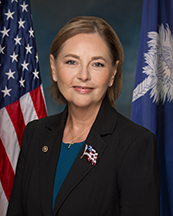
Darline Graham
82% support rate
Top opponent
Rick Scott
19% support rate
Ranked legislators
10
5 support · 5 oppose
Key legislators

Who's moving healthcare in United States

Legislators moving healthcare in United States
Legislator Party Stance Support rate Decisive votes
Darline Graham
Darline Graham Senate
R
Strong +
82% 11
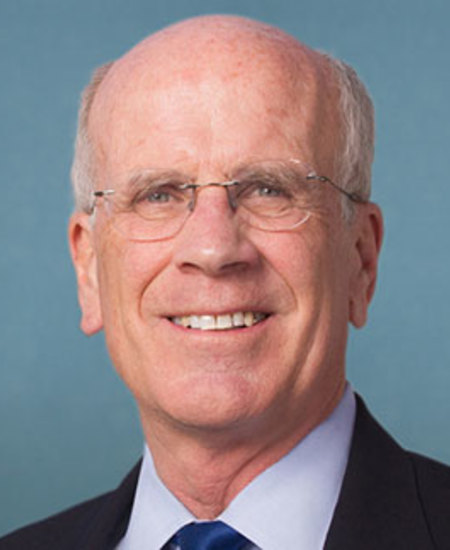
Peter Welch
Peter Welch Senate
D
Strong +
81% 27
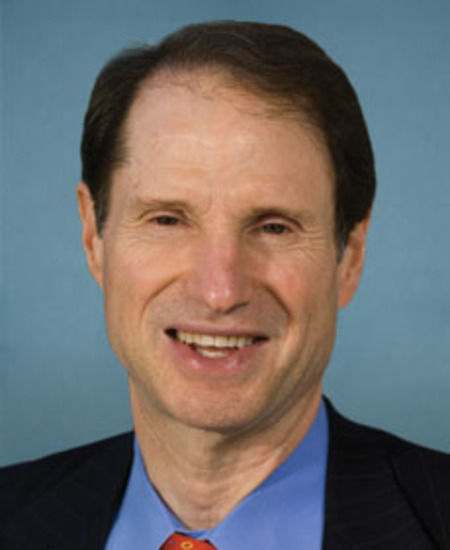
Ron Wyden
Ron Wyden Senate
D
Support
78% 27
Alex Padilla
Alex Padilla Senate
D
Support
77% 26
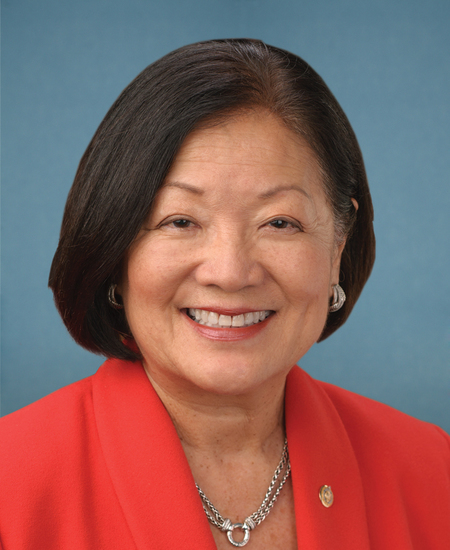
Mazie K. Hirono
Mazie K. Hirono Senate
D
Support
74% 27
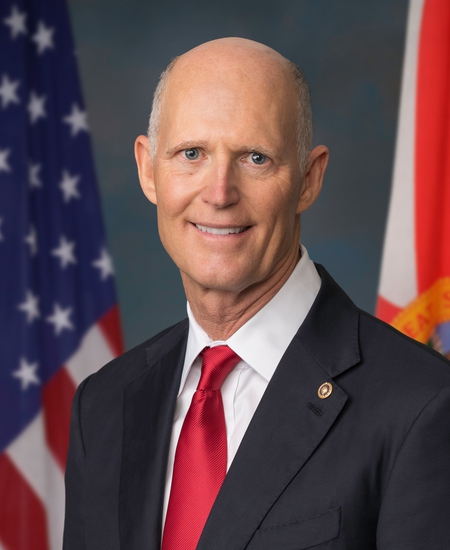
Rick Scott
Rick Scott Senate
R
Strong −
19% 27
Ashley Moody
Ashley Moody Senate
R
Oppose
22% 27
Rand Paul
Rand Paul Senate
R
Oppose
22% 27
Brad Knott
Brad Knott House · District 13
R
Oppose
28% 18
Pat Harrigan
Pat Harrigan House · District 10
R
Oppose
28% 18
Showing 2,041–2,050 of 2,988 bills

All healthcare bills

in committee · United States · House Jun 12, 2025

HR 4002: Patient Access to Higher Quality Health Care Act of 2025

Patient Access to Higher Quality Health Care Act of 2025 This bill repeals provisions under the Stark law (i.e., the Physician Self-Referral Law) that limit, for purposes of Medicare participation, self-referrals by newly constructed or expanded physician-owned hospitals.
Sub-Topics Hospitals Medicare
in committee · United States · House May 9, 2025

HR 3320: Strengthening Medicaid for Serious Mental Illness Act

This bill increases federal Medicaid funding for states that provide specific community-based mental health services to eligible adults. It directly affects adults aged 21+ with serious mental illness who earn under 150% of the poverty line. States qualify for higher federal funding (3-25 percentage points) based on offering at least three of seven defined services, including assertive community treatment, supported employment, peer support, and mobile crisis intervention. The bill requires services to be provided in the most integrated setting possible, meets quality standards to prevent hospitalization, and mandates states to collect and report demographic and outcome data every two years.
Sub-Topics Medicaid Mental Health
in committee · United States · Senate Feb 18, 2025

S 609: BRAVE Act of 2025

The BRAVE Act of 2025 aims to improve mental health services for veterans by addressing workforce needs, expanding Vet Center services, and tailoring care for women veterans. It requires reports on pay disparities for mental health staff, modifies the REACH VET program to better address women veterans' unique risk factors like military sexual trauma, and mandates annual mental health consultations for veterans receiving disability compensation for mental health conditions. The bill also includes provisions for improving Vet Center infrastructure, expanding access to residential mental health treatment for veterans with spinal cord injuries, and enhancing coordination between the Department of Veterans Affairs and Department of Defense for transitioning service members. These changes directly affect veterans seeking mental health services, Vet Center staff, and mental health professionals working with veterans. The legislation focuses on concrete policy changes to make mental health services more accessible, effective, and tailored to veterans' specific needs.
in committee · United States · Senate Feb 27, 2025

S 786: Public Health Funding Restoration Act

S 786, the Public Health Funding Restoration Act, restores annual funding for the Prevention and Public Health Fund under the Affordable Care Act to $2 billion starting in fiscal year 2026. This bill directly affects federal health programs at the Department of Health and Human Services (HHS), as well as state, local, tribal, and territorial health departments. The key provision amends the Affordable Care Act to set this specific funding level, reversing prior cuts and ensuring resources for evidence-based prevention programs like immunizations, tobacco cessation, chronic disease prevention, and pandemic preparedness. The restored funding aims to support community health initiatives that have demonstrated cost savings - such as $16.50 saved per $1 spent on childhood vaccines - while strengthening public health infrastructure nationwide.
in committee · United States · House Mar 31, 2025

HR 2497: Abortion Care Awareness Act of 2025

This bill directs the U.S. Department of Health and Human Services to launch a national public education campaign about abortion access. The campaign must provide medically accurate information on where to obtain abortion services (including medication abortion), legal rights for out-of-state care, identifying misleading anti-abortion centers, spotting disinformation, and protecting personal health data. It specifically targets underserved communities like people of color, immigrants, LGBTQ+ individuals, rural residents, and those with low incomes, while prohibiting the promotion of misinformation or abstinence-only programs.
Sub-Topics Women's Health
in committee · United States · Senate Jan 28, 2025

S 280: Global Health, Empowerment and Rights Act

S 280, the Global Health, Empowerment and Rights Act, removes barriers for foreign nongovernmental organizations (NGOs) seeking U.S. aid under the Foreign Assistance Act. It directly affects foreign NGOs providing health services (like counseling) with non-U.S. funds, ensuring they cannot be denied aid solely for offering such services if they comply with local laws and U.S. federal standards. The bill prohibits denying aid based on health services provided with non-U.S. funds and stops applying stricter rules on non-U.S. funds for advocacy to foreign NGOs compared to U.S. NGOs. This changes how the U.S. government evaluates eligibility for aid, making the process more consistent for foreign health-focused organizations.
in committee · United States · House Sep 11, 2025

HR 5319: LINE Act

The LINE Act (HR 5319) prohibits the Centers for Medicare and Medicaid Services (CMS) and the Department of Health and Human Services (HHS) from sharing Medicaid health data with U.S. Immigration and Customs Enforcement (ICE). Specifically, it blocks the disclosure of individually identifiable health information from Medicaid enrollment records (under Title XIX of the Social Security Act) to ICE for immigration enforcement purposes. This directly affects Medicaid enrollees, particularly those who may be immigrants, by preventing their health data from being used in immigration proceedings. The law creates a clear barrier between Medicaid health records and immigration enforcement efforts.
in committee · United States · House May 14, 2025

HR 3415: Nurse Staffing Standards for Hospital Patient Safety and Quality Care Act of 2025

This bill establishes minimum nurse-to-patient ratios for hospital units across the country, requiring hospitals to maintain specific staffing levels (such as 1:1 in trauma units, 2:1 in critical care units, and 3:1 in emergency rooms) to improve patient safety and quality of care. Hospitals must develop transparent staffing plans that account for patient acuity, involve direct care nurses in planning, and document actual staffing levels for each shift. The bill includes strong whistleblower protections for nurses who object to unsafe staffing levels and prohibits hospitals from retaliating against nurses who report violations. It requires hospitals to comply with these standards as a condition for receiving Medicare and Medicaid payments, with enforcement through audits and civil penalties of up to $50,000 for repeated violations. The bill also includes provisions to support nurse recruitment and retention through workforce initiatives and training programs.
in committee · United States · House Mar 26, 2025

HR 2381: SCREENS for Cancer Act of 2025

HR 2381, the SCREENS for Cancer Act of 2025, reauthorizes and updates the National Breast and Cervical Cancer Early Detection Program (NBCCEDP). It directly affects low-income, uninsured, or underinsured women across all 50 states, territories, and tribal communities by expanding access to breast and cervical cancer screenings, diagnostic services, and patient navigation support. Key provisions include updating program language to emphasize prevention alongside detection and control, adding specific strategies to reduce disparities, and appropriating $235 million annually for fiscal years 2026-2030. The bill also requires a GAO study by 2027 to assess program eligibility, service trends, and barriers to screening access.
in committee · United States · House Feb 27, 2025

HR 1735: Early Action and Responsiveness Lifts Youth Minds Act

This bill amends federal mental health law to allow states to use up to 5% of their existing mental health funding for early intervention programs targeting children and adolescents. It requires states to include evidence-based prevention strategies in their plans - such as school-based support or community programs - to delay or reduce the severity of mental health issues before they become serious. States must report biennially to Congress on program details, demographics served (including age), and outcomes like reduced wait times for care. The law directly affects states receiving federal mental health funds and focuses on preventing escalation of mental health challenges in young people.
Sub-Topics Mental Health
Showing 2,041 to 2,050 of 2,988 bills