Issue · Healthcare

Healthcare (Mental Health)

Every healthcare bill, vote, and legislator stance in United States, automatically classified by Maddy, our AI policy reader.

Total bills
430
119th Congress
Top supporter
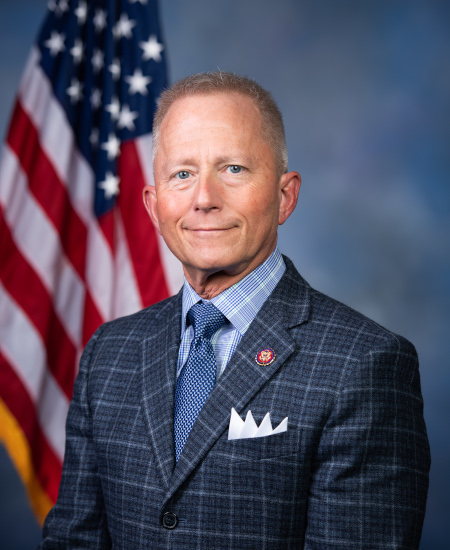
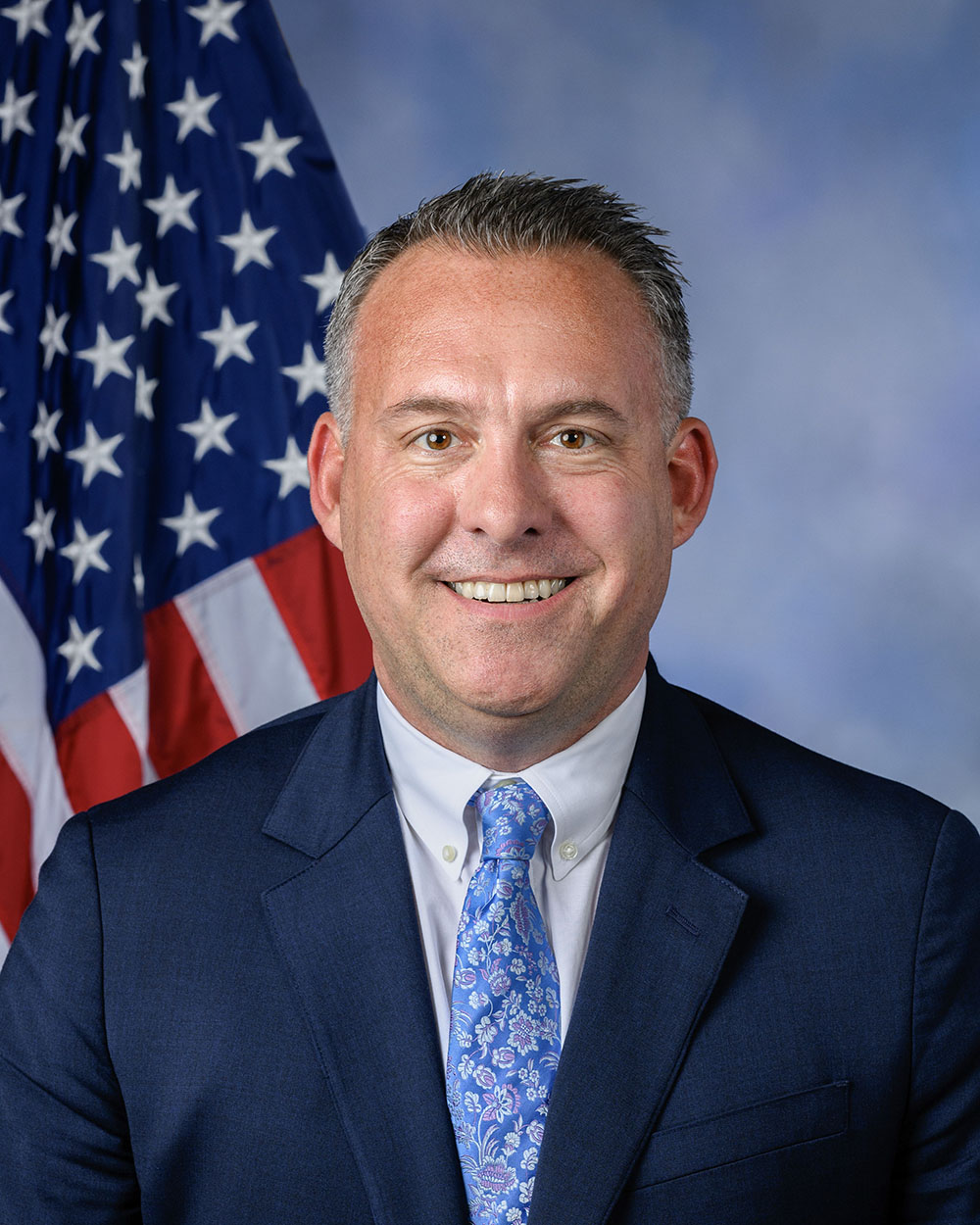
Jefferson Van Drew
100% support rate
Top opponent
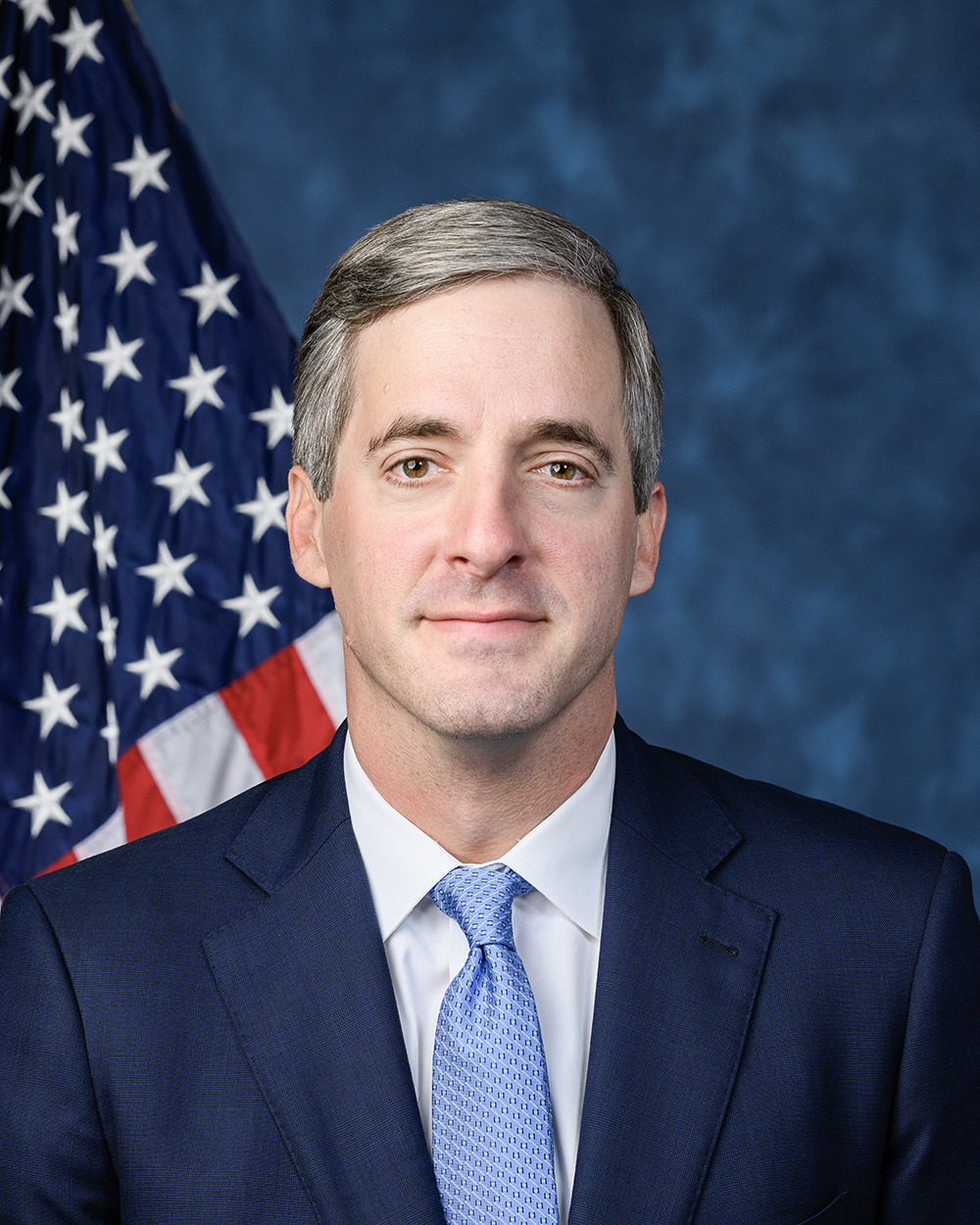
Brad Knott
0% support rate
Ranked legislators
10
5 support · 5 oppose
Key legislators

Who's moving mental health in United States

Legislators moving mental health in United States
Legislator Party Stance Support rate Decisive votes
Jefferson Van Drew
Jefferson Van Drew House · District 2
R
Strong +
100% 4
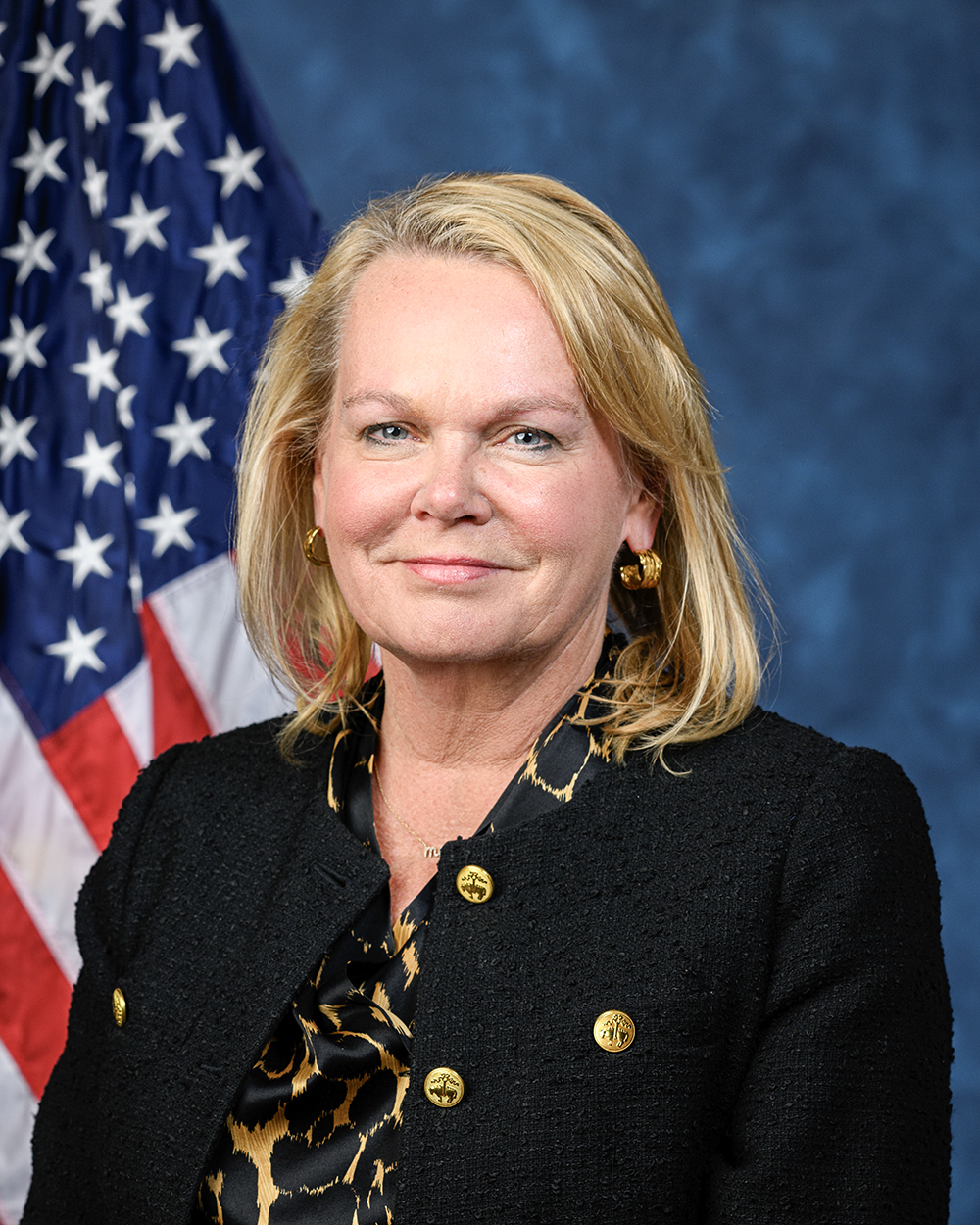
April McClain Delaney
April McClain Delaney House · District 6
D
Strong +
100% 3
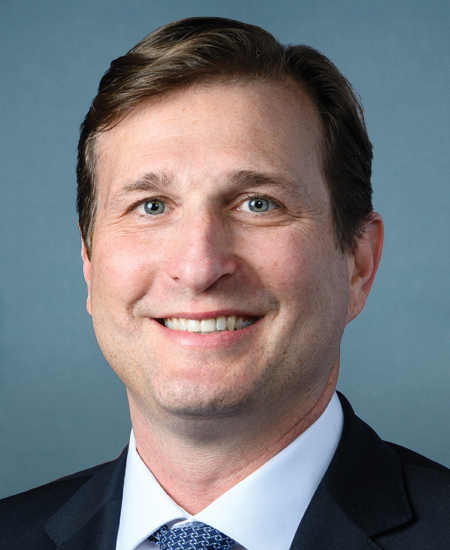
Daniel S. Goldman
Daniel S. Goldman House · District 10
D
Strong +
100% 3
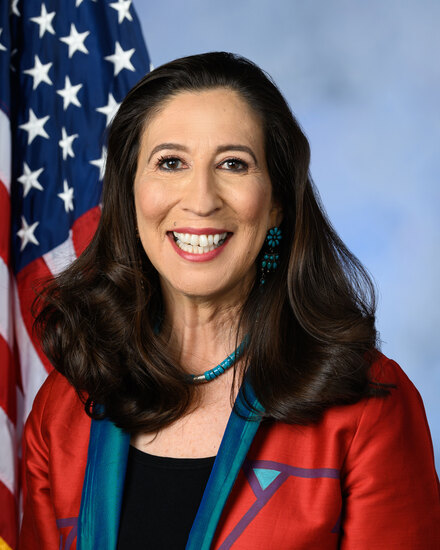
Teresa Leger Fernandez
Teresa Leger Fernandez House · District 3
D
Strong +
100% 3
Adam Gray
Adam Gray House · District 13
D
Support
75% 4
Brad Knott
Brad Knott House · District 13
R
Strong −
0% 4
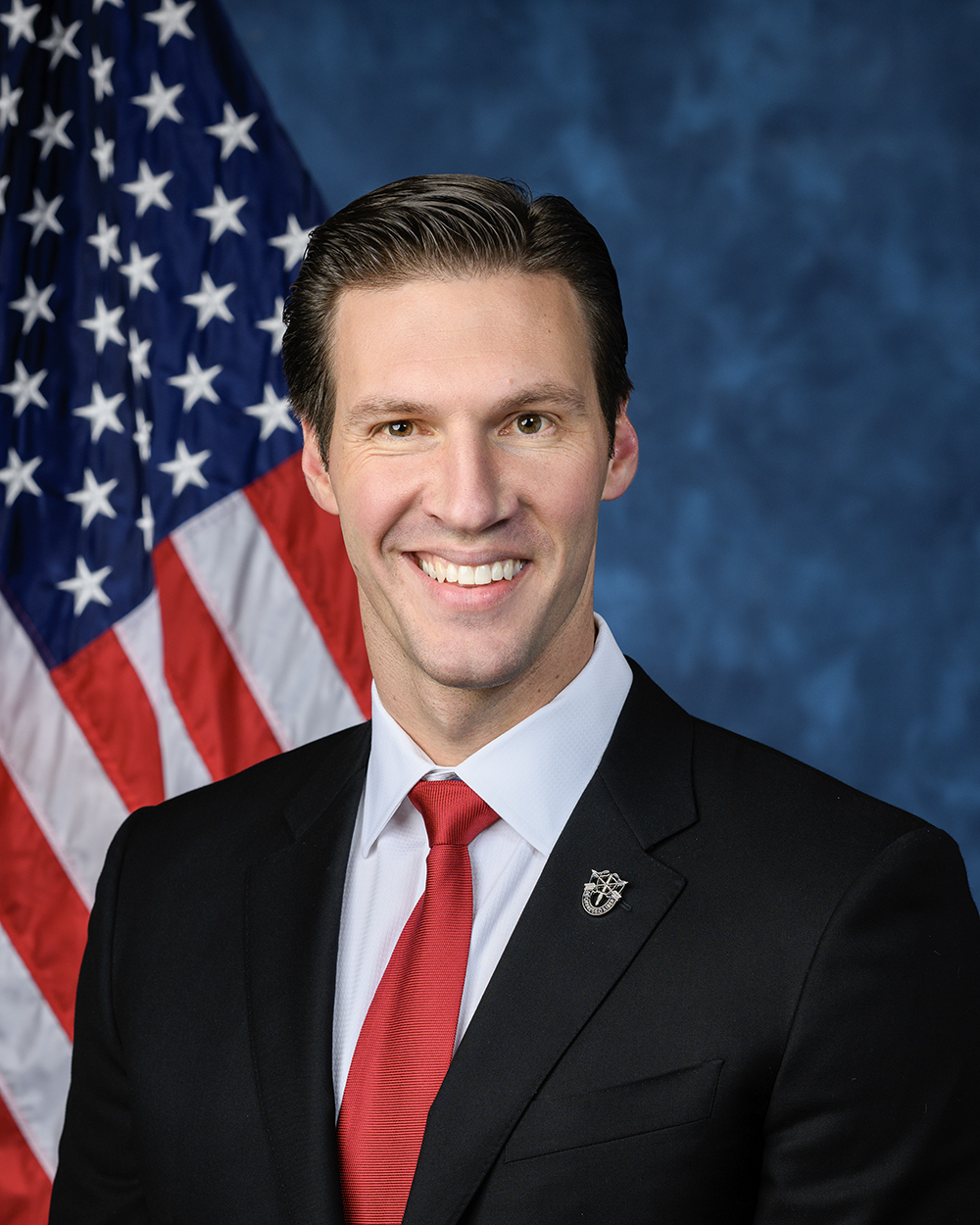
Keith Self
Keith Self House · District 3
R
Strong −
0% 4
Pat Harrigan
Pat Harrigan House · District 10
R
Strong −
0% 4
Thomas P. Tiffany
Thomas P. Tiffany House · District 7
R
Strong −
0% 4
Andy Harris
Andy Harris House · District 1
R
Strong −
0% 3
Showing 171–180 of 430 bills

All healthcare bills

in committee · United States · House Apr 10, 2025

HR 2904: Pursuing Equity in Mental Health Act

The Pursuing Equity in Mental Health Act (HR 2904) aims to reduce mental health disparities affecting racial and ethnic minority groups by modifying federal grant programs, requiring research on disparities, and funding targeted initiatives. It directs the Health and Human Services Secretary to prioritize grants for community health organizations serving minority populations, mandates a National Institutes of Health study on mental health research gaps in these groups, and establishes training programs for health professionals to address cultural competency in mental health care. The bill also requires a public outreach strategy developed with community input to reduce stigma and improve access to culturally appropriate care, alongside $20 million annually (2026-2031) for this effort. Additional funding includes $150 million yearly for NIH mental health research and $750 million yearly for the National Institute on Minority Health.
Sub-Topics Mental Health
in committee · United States · Senate Jul 15, 2025

S 2282: Farmers First Act of 2025

Farmers First Act of 2025 This bill extends through FY2030 and revises the Farm and Ranch Stress Assistance Network (FRSAN). This Department of Agriculture program provides competitive grants to states, Indian tribes, and qualified nonprofit organizations to provide stress assistance programs (i.e., professional agricultural behavioral health counseling, helplines, and resources) to individuals engaged in farming, ranching, and agriculture-related occupations. The bill specifies that the grant funding for farm telephone helplines and websites may also be used for crisis lines. Further, FRSAN grant recipients may establish referral relationships with providers, including Certified Community Behavioral Health Clinics, health centers, rural health clinics, and critical access hospitals.
Sub-Topics Mental Health Tags Agriculture
in committee · United States · House Feb 7, 2025

HR 1141: Gambling Addiction Recovery, Investment, and Treatment Act

HR 1141 establishes federal funding to address gambling addiction through grants for states and research. It allocates 37.5% of annual gambling tax revenue (from IRS Section 4401) to states for treatment programs, using the same formula as existing substance abuse grants, and directs 12.5% to fund gambling addiction research via the National Institute on Drug Abuse. The bill requires states to apply for grants, with unclaimed funds redistributed proportionally, and mandates a 3-year report on program effectiveness to Congress. This directly affects states receiving funds and individuals seeking gambling addiction treatment or research services. The law authorizes funding for fiscal years 2025-2034.
in committee · United States · House Sep 18, 2025

HR 5482: Prevent Youth Suicide Act

HR 5482, the Prevent Youth Suicide Act, requires schools serving grades 6-12 that receive federal education funds to implement evidence-based suicide prevention and postvention protocols within 210 days of the law's enactment. Specifically, schools must develop staff training to identify suicide risks and connect students to mental health resources, establish referral systems, conduct anti-stigma awareness campaigns, and create postvention plans for after a suicide occurs. The bill mandates biennial staff training on trauma-informed care and requires the Secretary of Education to provide technical assistance and monitor compliance. These requirements directly affect all public and private K-12 schools participating in federal education programs under applicable law.
in committee · United States · House Mar 6, 2025

HR 1902: HERO Act

HR 1902, the HERO Act, creates a national data system to track suicide rates among public safety officers (including firefighters, EMTs, police, and telecommunicators) and requires annual reports to Congress with detailed breakdowns by age, gender, occupation, and employment status (volunteer, career, etc.). The bill funds peer-support mental health programs for fire departments and EMS agencies, establishes confidential wellness services for healthcare providers, and develops resources to train mental health professionals on first responder-specific stressors and PTSD. It prohibits using suicide data to deny life insurance or benefits to survivors and mandates that all collected data be kept confidential and secure. This legislation directly affects all public safety officers nationwide by improving data collection, access to mental health resources, and evidence-based interventions to address suicide and trauma.
Sub-Topics Mental Health Tags Public Safety
in committee · United States · House Jun 5, 2025

HR 3757: Pride In Mental Health Act of 2025

HR 3757, the Pride In Mental Health Act of 2025, provides $20 million annually (2026-2030) to fund grants for mental health services targeting LGBTQ+ youth, including nonbinary, intersex, and Two Spirit youth, and their families/caregivers. The bill mandates grantees to provide trauma-informed care, cultural competency training, school bullying prevention guidelines, and evidence-based practices while explicitly prohibiting the use of funds for conversion therapy or its promotion. It also requires the federal government to restore mental health reports on LGBTQ+ youth, conduct a national survey measuring mental health distress, and produce a report on mental health services for LGBTQ+ youth in foster care. The law directly affects these youth populations by expanding access to tailored mental health resources and data collection, with funding administered through the Substance Abuse and Mental Health Administration.
in committee · United States · House Apr 8, 2025

HR 2741: PEER Support Act

The PEER Support Act creates a new federal job classification for peer support specialists - individuals with lived experience in mental health or substance use recovery who provide support to others - by 2026. It establishes an Office of Recovery within the Substance Abuse and Mental Health Services Administration (SAMHSA) to lead training, certification, and career development for these specialists, including sharing best practices with states. The bill also requires a federal report analyzing state criminal background check laws for peer support specialists and recommending ways to reduce barriers to certification. This legislation directly affects peer support specialists, state certification programs, and federal agencies managing mental health services.
in committee · United States · House Jun 30, 2026

HR 4805: WINGS Act

The WINGS Act directs the Department of Veterans Affairs to conduct a long-term study on the brain and mental health impacts of military aviation, specifically focusing on high-performance flight and G-force exposure. It requires examining links between flight hours, G-forces, and conditions like traumatic brain injury, depression, PTSD, and neurodegenerative diseases among military aviators. The bill mandates creating a centralized, anonymized health registry for participating aviators to track flight exposure and health outcomes over time. This study must produce interim and final reports to Congress within one and three years of enactment, directly affecting current and former military pilots and aircrew who operated aircraft like fighter jets, trainers, or tiltrotors.
in committee · United States · House Jan 21, 2026

HR 2878: Daniel J. Harvey, Jr. and Adam Lambert Improving Servicemember Transition to Reduce Veteran Suicide Act

This bill amends the Department of Defense's Transition Assistance Program (TAP) and the Department of Veterans Affairs' Solid Start Program to enhance mental health support during military-to-civilian transitions. It requires TAP to provide specific information on suicide risk factors (including depression, homelessness, and relationship strain), treatment options for conditions like PTSD and substance abuse, and the impact of losing social support systems. The Solid Start Program must now assist veterans in enrolling in VA healthcare and educate them about available mental health resources. The Secretaries of Defense and Veterans Affairs must jointly report to Congress within one year on the materials developed under these changes.
in committee · United States · House Apr 8, 2025

HR 2717: Servicewomen and Veterans Menopause Research Act

This bill requires the Secretaries of Defense and Veterans Affairs to evaluate existing and ongoing research on menopause, perimenopause, and mid-life health for women in the military and as veterans. It directs them to identify gaps in knowledge about treatments, the impact of military service (including combat roles and exposure to toxins like burn pits), mental health effects, and healthcare provider training needs. Within 180 days of enactment, the departments must submit a report with findings and a strategic plan to address identified gaps and prioritize future research. The bill ensures this work supplements, rather than duplicates, existing efforts by the Department of Health and Human Services.
Showing 171 to 180 of 430 bills
Previous 1 … 17 18 19 … 43 Next