Issue · Healthcare

Healthcare (Medicaid)

Every healthcare bill, vote, and legislator stance in United States, automatically classified by Maddy, our AI policy reader.

Total bills
389
119th Congress
Top supporter
Christopher Murphy
89% support rate
Top opponent
Bill Hagerty
11% support rate
Ranked legislators
10
5 support · 5 oppose
Key legislators

Who's moving medicaid in United States

Legislators moving medicaid in United States
Legislator Party Stance Support rate Decisive votes
Christopher Murphy
Christopher Murphy Senate
D
Strong +
89% 9
Adam B. Schiff
Adam B. Schiff Senate
D
Strong +
80% 10
Alex Padilla
Alex Padilla Senate
D
Strong +
80% 10
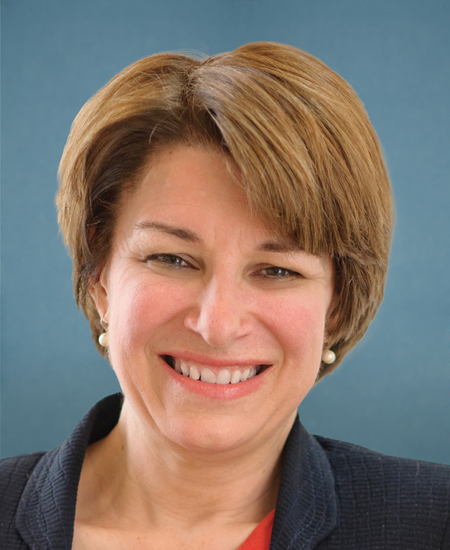
Amy Klobuchar
Amy Klobuchar Senate
D
Strong +
80% 10
Andy Kim
Andy Kim Senate
D
Strong +
80% 10
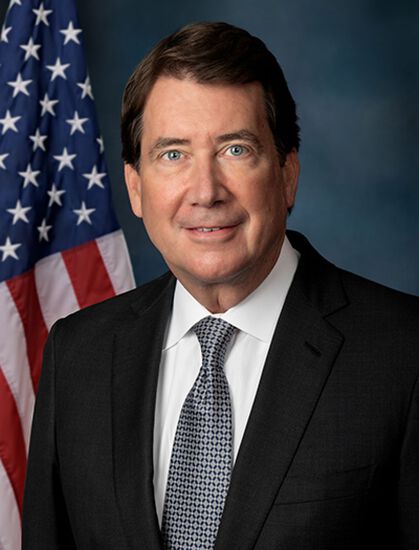
Bill Hagerty
Bill Hagerty Senate
R
Strong −
11% 9
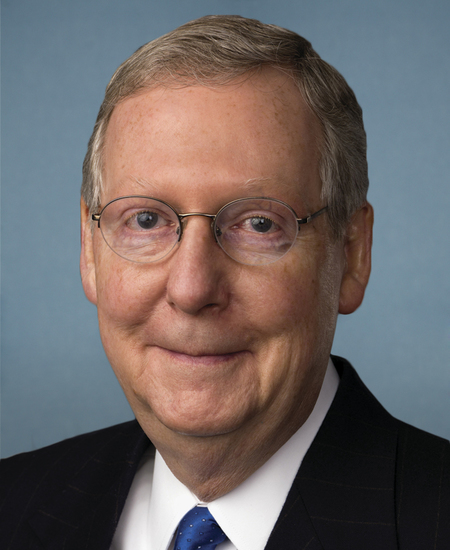
Mitch McConnell
Mitch McConnell Senate
R
Strong −
11% 9
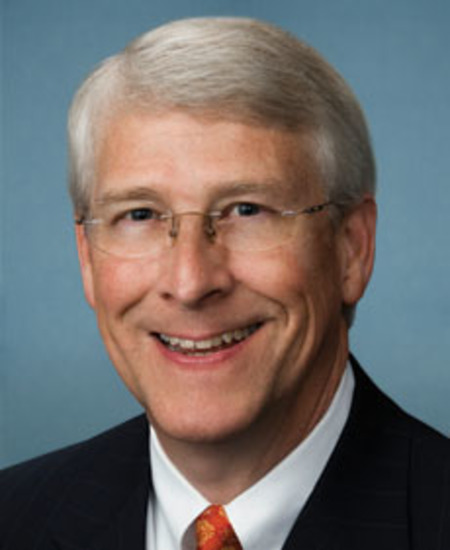
Roger F. Wicker
Roger F. Wicker Senate
R
Strong −
11% 9
Jerry Moran
Jerry Moran Senate
R
Strong −
12% 8
Ashley Moody
Ashley Moody Senate
R
Strong −
20% 10
Showing 121–130 of 389 bills

All healthcare bills

passed · United States · House Jul 21, 2026

HR 1703: Choices for Increased Mobility Act of 2026

This bill requires Medicare to create separate payment codes for ultralightweight manual wheelchairs based on their frame material (specifically titanium or carbon fiber vs. other materials), starting in 2026. It ensures Medicare pays the standard rate for titanium/carbon fiber wheelchairs regardless of material, while allowing suppliers to charge beneficiaries the difference between Medicare's payment and their actual cost. Beneficiaries must receive a notice about potential additional costs before purchasing or renting such wheelchairs. The bill directly affects Medicare beneficiaries needing these specialized wheelchairs and the suppliers who provide them.
Sub-Topics Medicaid Medicare
in committee · United States · House Dec 9, 2025

HR 6545: Anesthesia for All Act

This bill prohibits health plans and insurers from imposing arbitrary time limits on paying for anesthesia services during medically necessary procedures. It requires payment to be based solely on a provider's assessment of medical necessity (by an anesthesiologist or certified nurse anesthetist), not fixed time caps. The law applies to both private insurance and Medicaid, preventing denials of payment simply because care duration exceeded a preset limit. It also mandates annual oversight reports from the Health and Human Services Inspector General to monitor compliance.
in committee · United States · House Mar 10, 2025

HR 1974: Further Additional Continuing Appropriations and Other Extensions Act, 2025

Further Additional Continuing Appropriations and Other Extensions Act, 2025 This bill provides continuing FY2025 appropriations for federal agencies through April 11, 2025. It also extends various expiring programs and authorities, including several public health programs. Specifically, the bill provides continuing FY2025 appropriations to federal agencies through the earlier of April 11, 2025, or the enactment of the applicable appropriations act. It is known as a continuing resolution (CR) and prevents a government shutdown that would otherwise occur if the FY2025 appropriations bills have not been enacted when the existing CR expires on March 14, 2025. The CR funds most programs and activities at the FY2024 levels with some exceptions that provide funding flexibility and additional appropriations for various programs. For example, the CR provides additional emergency funding for the Federal Emergency Management Agency's Disaster Relief Fund, permits the Navy to apportion funds at the rate necessary to fund the Columbia-class submarine program and cost increases for certain shipbuilding programs, and provides additional funding for the Office of Navajo and Hopi Relocation. In addition, the bill extends several expiring programs and authorities, including several public health, Medicare, and Medicaid authorities and programs; authorities related to the Commodity Futures Trading Commission whistleblower program; authorities for the Department of Homeland Security and the Department of Justice to take actions to mitigate a credible threat from an unmanned aircraft system; the special assessment on nonindigent persons or entities convicted of certain offenses involving sexual abuse or human trafficking; and the National Cybersecurity Protection System.
in committee · United States · House Feb 18, 2025

HR 1428: Poverty Line Act of 2025

The Poverty Line Act of 2025 updates how the federal poverty line is calculated to better reflect current costs of basic needs. It requires annual revisions using a 5-year average of household spending on food, housing, childcare, and healthcare (adjusted for inflation), with regional variations based on state or county data. This change directly affects households applying for federal assistance programs like SNAP or Medicaid, as eligibility will now align with more accurate, location-specific costs. The bill also mandates a public online tool to help determine poverty line thresholds and includes safeguards to prevent sudden eligibility changes during relocations.
in committee · United States · House Mar 6, 2025

HR 1950: Protect Social Security and Medicare Act

HR 1950, the Protect Social Security and Medicare Act, requires a two-thirds vote in both the House and Senate to consider any bill or amendment that would reduce Social Security or Medicare benefits administered by the Social Security Administration (SSA) or Centers for Medicare & Medicaid Services (CMS). This rule applies directly to lawmakers who would need supermajority support to advance proposals affecting these programs. An exception allows changes to Medicare Advantage plan payments if offset by increased payments elsewhere in Medicare. Determinations about whether a provision reduces benefits are made solely by the SSA's Office of the Chief Actuary during legislative consideration.
Sub-Topics Medicaid Medicare
in committee · United States · House Feb 24, 2025

HR 1523: PREVENT DIABETES Act

Promoting Responsible and Effective Virtual Experiences through Novel Technology to Deliver Improved Access and Better Engagement with Tested and Evidence-based Strategies Act or the PREVENT DIABETES Act This bill allows health care entities to provide virtual services under the Medicare Diabetes Prevention Program for an additional three years. The Medicare Diabetes Prevention Program offers Medicare beneficiaries who are at risk of developing Type 2 diabetes specialized training and education regarding diet, exercise, and other behavioral changes. The Centers for Medicare & Medicaid Services issued temporary authorization for entities participating in the program to provide these services virtually until December 31, 2027. The bill extends the authorization for virtual services until December 31, 2030.
Sub-Topics Medicaid Medicare
in committee · United States · House Jan 23, 2025

HR 702: Improving Federal Assistance to Families Act

HR 702 establishes state-specific poverty lines called "Regionally Adjusted Poverty Lines" to replace the current uniform national standard. It requires the Census Bureau to calculate these lines annually for each state based on local costs (using Regional Price Parity data), and federal agencies must use whichever measure - regional or current - results in a higher poverty rate for that state when determining eligibility for programs like Medicaid and tax credits. This change aims to better reflect regional cost-of-living differences, potentially expanding access to assistance for low-income families in expensive areas. The bill also mandates a study on the ALICE poverty measure (which includes costs like housing and childcare) but does not incorporate it directly into policy.
Sub-Topics Medicaid
in committee · United States · House Feb 21, 2025

HR 1492: To amend title XI of the Social Security Act to equalize the negotiation period between small-molecule and biologic candidates under the Drug Price Negotiation Program.

HR 1492 amends the Social Security Act to extend the negotiation period for standard drug manufacturers under the federal drug pricing program. Specifically, it changes the timeframe from 7 years to 11 years for small-molecule drugs (like traditional pills) to negotiate prices with the government, aligning it with the existing 12-year period for complex biologic drugs (like insulin or monoclonal antibodies). This adjustment directly affects pharmaceutical companies that produce small-molecule drugs, giving them a longer window to negotiate pricing terms. The bill makes this change effective as if it had been part of the 2022 law that established the program.
in committee · United States · House Apr 24, 2025

HR 3000: Caring for Seniors Act

HR 3000, the Caring for Seniors Act, establishes a Senior Care Cost Reduction Program to help low-income seniors aged 70+ live in assisted living facilities instead of more expensive nursing homes. The program provides states with funds to offer eligible seniors a monthly cost reduction of $1,000 (adjusted annually for inflation), covering part of their assisted living fees. To qualify, seniors must reside in an approved facility, meet Medicaid or chronic illness criteria, have net income below 60% of their state’s median income, and possess assets under $19,000 (single) or $25,000 (married). The program is funded by redirected pandemic relief funds and aims to reduce reliance on costly institutional care while expanding access to lower-cost assisted living services.
Sub-Topics Long-Term Care Medicaid Tags Seniors
in committee · United States · House Feb 14, 2025

HR 1389: Marriage Equality for Disabled Adults Act

This bill removes marriage restrictions that previously caused Disabled Adult Children (DACs) to lose Social Security disability benefits upon marriage. It amends Social Security rules to treat married DACs the same as unmarried ones for eligibility, ensuring they retain benefits for child's insurance based on a disability. Key provisions prevent states from counting a spouse's income/resources against a married DAC and guarantee Medicaid eligibility remains unchanged if the DAC would qualify as unmarried. The bill directly affects DACs receiving Social Security Disability Insurance (SSDI) through a parent's account who are married, ensuring they maintain access to Medicare, Medicaid, and SSDI benefits without geographic or marital status barriers.
Sub-Topics Medicaid Medicare Tags People with Disabilities
Showing 121 to 130 of 389 bills
Previous 1 … 12 13 14 … 39 Next