Issue · Healthcare

Healthcare (Insurance)

Every healthcare bill, vote, and legislator stance in United States, automatically classified by Maddy, our AI policy reader.

Total bills
250
119th Congress
Top supporter
Adam B. Schiff
90% support rate
Top opponent
Jerry Moran
0% support rate
Ranked legislators
10
5 support · 5 oppose
Key legislators

Who's moving insurance in United States

Legislators moving insurance in United States
Legislator Party Stance Support rate Decisive votes
Adam B. Schiff
Adam B. Schiff Senate
D
Strong +
90% 10
Alex Padilla
Alex Padilla Senate
D
Strong +
90% 10
Amy Klobuchar
Amy Klobuchar Senate
D
Strong +
90% 10
Andy Kim
Andy Kim Senate
D
Strong +
90% 10
Angela D. Alsobrooks
Angela D. Alsobrooks Senate
D
Strong +
90% 10
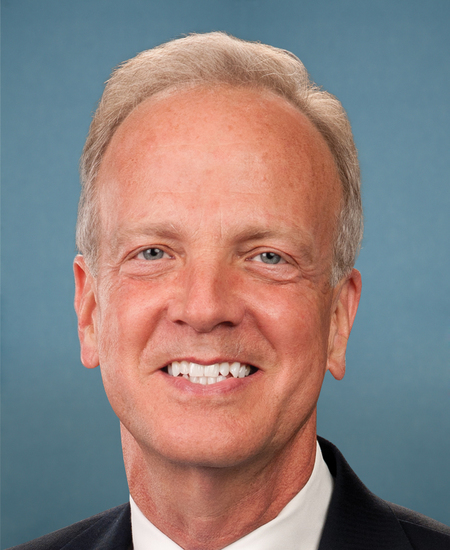
Jerry Moran
Jerry Moran Senate
R
Strong −
0% 8
Ashley Moody
Ashley Moody Senate
R
Strong −
10% 10
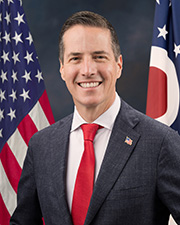
Bernie Moreno
Bernie Moreno Senate
R
Strong −
10% 10
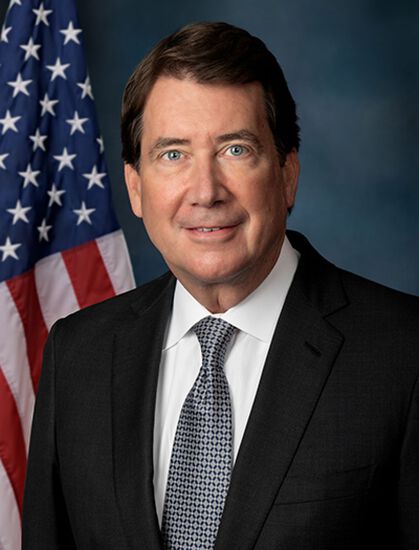
Bill Hagerty
Bill Hagerty Senate
R
Strong −
10% 10
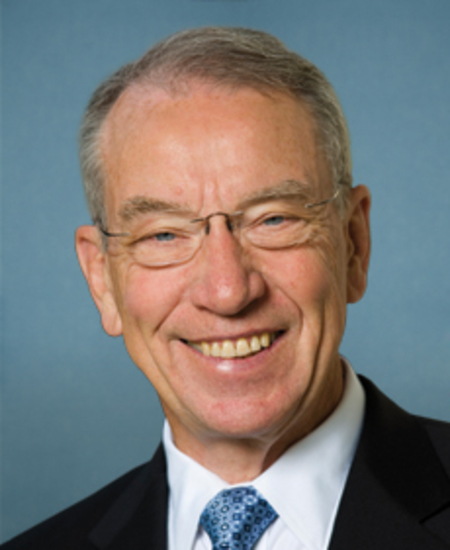
Chuck Grassley
Chuck Grassley Senate
R
Strong −
10% 10
Showing 101–110 of 250 bills

All healthcare bills

in committee · United States · Senate Jan 28, 2026

S 3712: BO’s Act

S 3712, the "BO's Act," requires the U.S. Department of Health and Human Services to study home cardiorespiratory monitors used for infants, particularly high-risk babies, to assess their effectiveness in preventing sudden unexpected infant death. The bill mandates a report to Congress within one year of enactment, detailing monitor accuracy, new home sleep care models, insurance coverage criteria, and recommendations on whether these devices should be covered by public or private health plans. This legislation directly affects infants (especially high-risk cases), healthcare providers, and insurance companies by initiating a federal review of current practices. The bill does not create new laws or funding but establishes a data-gathering process to inform future policy decisions about infant monitoring devices.
in committee · United States · House Sep 18, 2025

HR 5448: Protecting Free Vaccines Act

This bill requires most health insurance plans, Medicare Part D, Medicaid, and CHIP to cover vaccines recommended by the CDC's Advisory Committee on Immunization Practices (ACIP) without cost-sharing (like copays or deductibles). It applies to vaccines recommended as of October 25, 2024, including updates through 2029, and covers all such vaccines for the period starting when the bill is enacted until December 31, 2029. The requirement excludes vaccines given within minimum recommended intervals. It directly affects patients, insurers, and government health programs by ensuring no out-of-pocket costs for covered vaccines during this timeframe.
in committee · United States · House Mar 18, 2025

HR 2214: DRUG Act

This bill prohibits pharmacy benefit managers (PBMs) from receiving payments tied to prescription drug prices or rebates starting January 1, 2027. Instead, PBMs may only charge flat, itemized fees for actual services performed (e.g., claim processing), not based on drug costs or discounts. It directly affects PBMs and health insurance plans by requiring compensation to be decoupled from drug pricing, while allowing rebates to be passed through to lower net drug costs. The law aims to reduce conflicts of interest in PBM operations without changing drug pricing itself.
in committee · United States · House Feb 24, 2025

HR 1521: DOC Access Act of 2025

Dentist and Optometric Care Access Act of 2025 or the DOC Access Act of 20 25 This bill prohibits private health insurance plans from setting rates for items and services, except for dental cleanings, provided by a doctor of optometry, of dental surgery, or of dental medicine (or an employer of such a doctor) for which the plan does not pay a substantial amount. Additionally, an agreement between a plan and such a doctor for limited scope dental or vision benefits may last longer than two years only with the prior acceptance of the doctor for each term extension. Plans also may not restrict such a doctor's choice of laboratories or suppliers. Such doctors may elect to waive the application of the payment amount and choice of laboratories provisions of this bill. The bill does not supersede state laws regarding health insurers and dental or vision benefit plans.
Sub-Topics Insurance
in committee · United States · Senate Jan 28, 2025

S 279: Tim’s Act

Tim's Act establishes new pay and benefits for federal wildland firefighters employed by the Department of Agriculture or Department of the Interior. It creates special base pay rates that are higher than standard General Schedule rates (ranging from 1.5% to 42% more depending on position grade), plus 450% incident response premium pay for firefighters deployed to qualifying wildfire incidents. The bill also establishes rest and recuperation leave after incidents, a mental health support program, a database tracking health issues related to firefighting, and a casualty assistance program for injured or killed firefighters. Additionally, it addresses retirement benefits and requires pay parity between federal wildland firefighters and structural firefighters.
in committee · United States · House Nov 20, 2025

HR 6232: HOPE Act

The HOPE Act extends enhanced premium tax credits through 2027, providing income-based subsidies for individuals with household incomes up to 935% of poverty level who purchase health insurance through ACA marketplaces. It imposes civil penalties of $10,000-$50,000 (and criminal penalties) for agents or brokers who provide false enrollment information. The bill requires new verification processes for agent-assisted enrollments, including documentation of consent and delayed commission payments, and mandates quarterly checks to remove deceased individuals from health insurance plans. These changes directly affect subsidy recipients and insurance agents/brokers operating in healthcare marketplaces.
Sub-Topics Insurance
passed · United States · House Dec 18, 2025

HR 6703: Lower Health Care Premiums for All Americans Act

The Lower Health Care Premiums for All Americans Act (HR 6703) requires large health plans (with at least 100 average participants) and pharmacy benefit managers to submit detailed reports every six months on drug spending, rebates, and out-of-pocket costs. These reports include specific information on drug costs, rebates received, pricing structures, and spending patterns, making this information available to plan sponsors and participants. The bill also establishes new rules for association health plans and health reimbursement arrangements to expand affordable coverage options for workers and self-employed individuals. The primary goal of these reporting requirements is to increase transparency around health care costs, allowing consumers and employers to make more informed decisions about health coverage. The bill does not directly set or reduce premiums but provides data that could inform future premium negotiations and decisions.
in committee · United States · House Nov 20, 2025

HR 6178: Increasing Access to Lung Cancer Screening Act

Increasing Access to Lung Cancer Screening Act This bill provides for coverage without prior authorization requirements of annual lung cancer screenings under Medicaid, Medicare, and private health insurance for individuals for whom screenings are recommended under U.S. Preventive Services Task Force guidelines. It also expands Medicaid coverage of counseling and pharmacotherapy for cessation of tobacco use to all individuals, rather than only pregnant women. The Department of Health and Human Services must conduct outreach on the importance of lung cancer screenings and who should be screened, and the Government Accountability Office must report on the demographics of those diagnosed with lung cancer and recommend ways the federal government can improve screenings.
in committee · United States · House Apr 29, 2025

HR 3069: Medicare for All Act

Medicare for All Act This bill establishes a national health insurance program that is administered by the Department of Health and Human Services (HHS). Among other requirements, the program must (1) cover all U.S. residents; (2) provide for automatic enrollment of individuals upon birth or residency in the United States; and (3) cover items and services that are medically necessary or appropriate to maintain health or to diagnose, treat, or rehabilitate a health condition, including hospital services, prescription drugs, mental health and substance abuse treatment, dental and vision services, long-term care, gender affirming care, and reproductive care, including contraception and abortions. The bill prohibits cost-sharing (e.g., deductibles, coinsurance, and copayments) and other charges for covered services. Additionally, private health insurers and employers may only offer coverage that is supplemental to, and not duplicative of, benefits provided under the program. Health insurance exchanges and specified federal health programs terminate upon program implementation. However, the program does not affect coverage provided through the Department of Veterans Affairs or the Indian Health Service. The bill also establishes a series of implementing provisions relating to (1) health care provider participation; (2) HHS administration; and (3) payments and costs, including the requirement that HHS negotiate prices for prescription drugs. Individuals who are age 18 or younger, age 55 or older, or already enrolled in Medicare may enroll in the program starting one year after enactment of this bill; other individuals may buy into the program at this time. The program must be fully implemented two years after enactment.
in committee · United States · Senate Jul 24, 2025

S 2448: Health Care Fairness for Military Families Act of 2025

This bill expands health coverage access for military families by modifying the TRICARE Young Adult Program. It directly affects military service members' children aged 21-26 who previously faced eligibility restrictions or separate fees. Key changes include removing a prior age limit that excluded some young adults and eliminating a separate premium for this coverage. The result is simplified access to health care under TRICARE without additional costs for qualifying dependents. These updates apply to existing TRICARE benefits, not new programs.
Sub-Topics Insurance
Showing 101 to 110 of 250 bills
Previous 1 … 10 11 12 … 25 Next