Issue · Healthcare

Healthcare (Women's Health)

Every healthcare bill, vote, and legislator stance in United States, automatically classified by Maddy, our AI policy reader.

Total bills
223
119th Congress
Top supporter
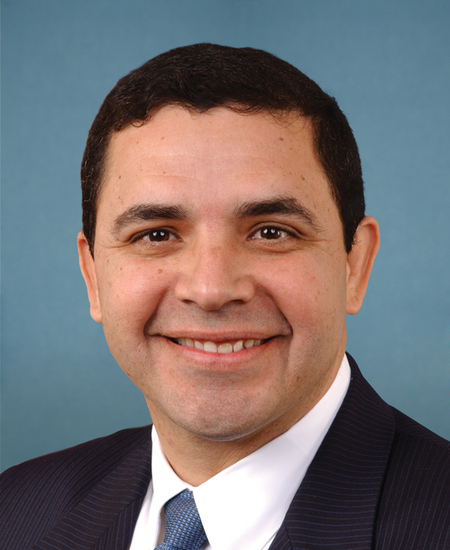
Henry Cuellar
100% support rate
Top opponent
John Garamendi
33% support rate
Ranked legislators
6
5 support · 1 oppose
Key legislators

Who's moving women's health in United States

Legislators moving women's health in United States
Legislator Party Stance Support rate Decisive votes
Henry Cuellar
Henry Cuellar House · District 28
D
Strong +
100% 4
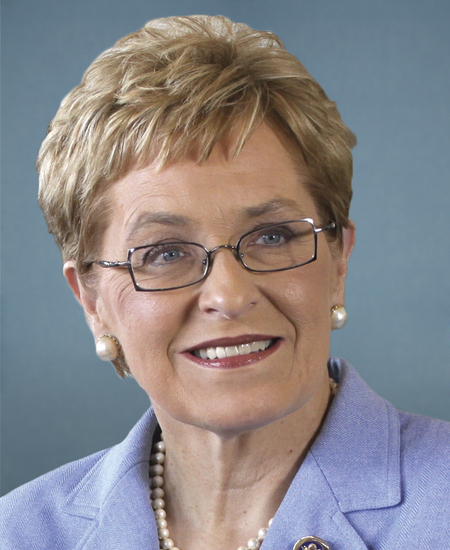
Marcy Kaptur
Marcy Kaptur House · District 9
D
Support
67% 3
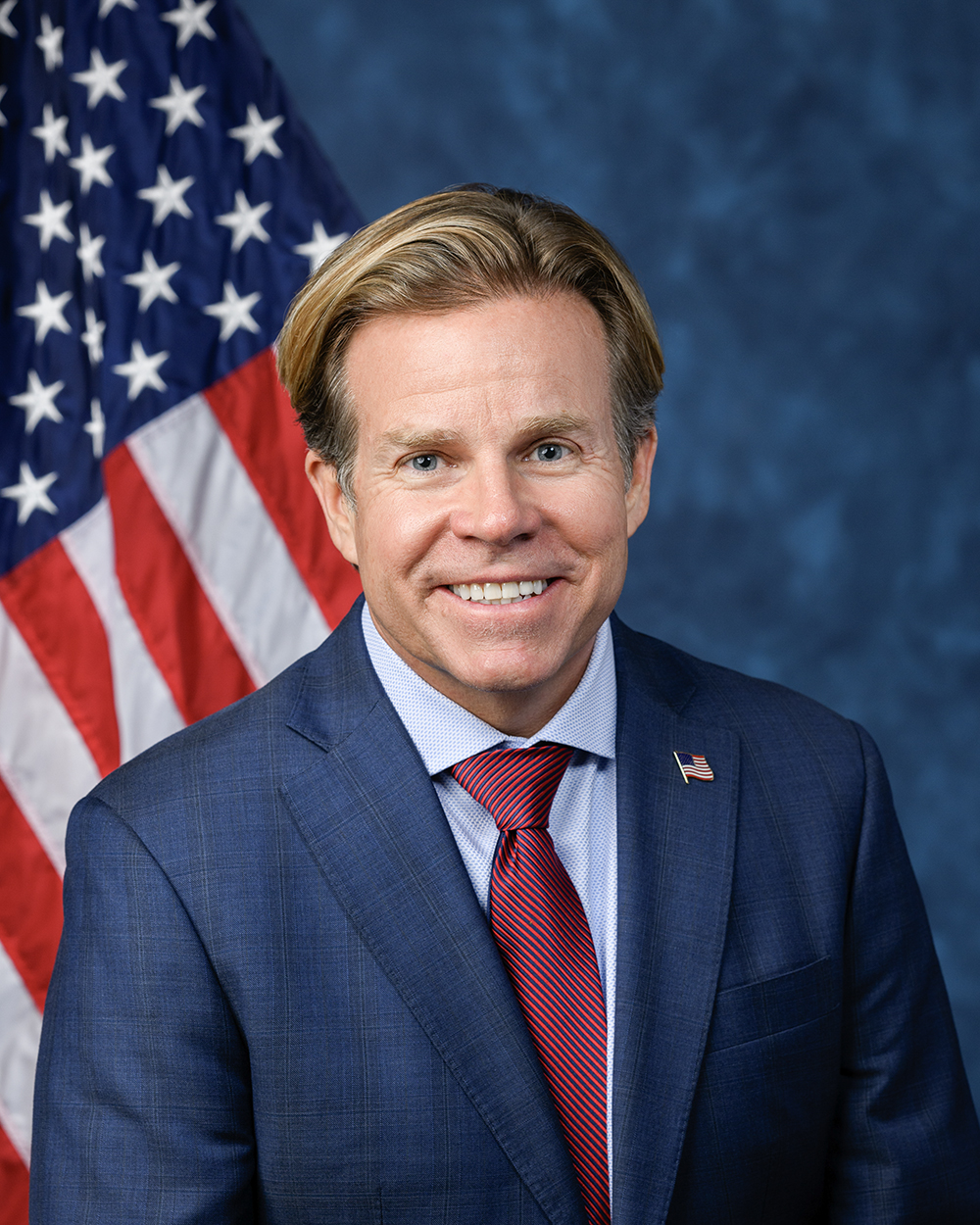
Mike Haridopolos
Mike Haridopolos House · District 8
R
Support
67% 3
Aaron Bean
Aaron Bean House · District 4
R
Mixed
50% 4
Abraham J. Hamadeh
Abraham J. Hamadeh House · District 8
R
Mixed
50% 4
John Garamendi
John Garamendi House · District 8
D
Oppose
33% 3
Showing 91–100 of 223 bills

All healthcare bills

in committee · United States · Senate Mar 18, 2026

S 4132: Maternal Vaccinations Act

The Maternal Vaccinations Act aims to increase vaccination rates among pregnant and postpartum individuals by expanding federal health programs. The bill amends the Public Health Service Act to include pregnant and postpartum people in existing vaccination awareness campaigns and adds new funding of $17 million annually from 2027 to 2031 for these efforts. It also requires health programs to specifically target racial and ethnic minority groups within this population to improve access and equity. These changes apply to federal health initiatives administered under the Public Health Service Act.
in committee · United States · House Mar 25, 2026

HCONRES 80: Recognizing the duty of Congress to meet the needs of working women.

This concurrent resolution formally recognizes Congress's duty to protect the rights and economic security of working women, who make up nearly half of the U.S. workforce. The document highlights concerns about wage gaps, workplace discrimination, and recent policy changes that have weakened protections for women, particularly women of color. It calls for Congress to support equal pay, workplace safety, access to healthcare, paid leave, and the right to unionize, while also condemning actions that undermine civil rights enforcement and workplace protections. The resolution serves as a statement of principle rather than a law that creates new legal requirements.
in committee · United States · Senate Mar 19, 2026

S 4149: Social Determinants for Moms Act

This bill, known as the Social Determinants for Moms Act, requires the Secretary of Health and Human Services to create a task force aimed at reducing preventable maternal deaths and health disparities in the United States. The task force would include federal agency leaders, community organization representatives, and maternity care providers to develop coordinated strategies addressing both medical and non-medical factors like housing, nutrition, and access to care. Additionally, the bill authorizes $100 million over five years to provide grants to community organizations working in areas with high maternal mortality rates and poverty, focusing on social determinants such as transportation, employment, and environmental conditions. The task force must submit reports to Congress every two years outlining its progress and recommendations for future funding and actions.
Sub-Topics Women's Health
in committee · United States · House Jul 10, 2025

HR 820: Bottles and Breastfeeding Equipment Screening Enhancement Act

This bill requires the Transportation Security Administration (TSA) to create and update guidance within 90 days (and every five years) to ensure hygienic handling of breast milk, baby formula, infant water, juice, and cooling accessories during airport security screening. The guidance must be developed with maternal health organizations and set standards to minimize contamination risks when these items undergo re-screening or additional testing. It also mandates a one-year audit by the DHS Inspector General to assess TSA compliance and evaluate how screening technologies impact the processing of these infant items. The bill directly affects traveling parents and caregivers who transport these essential supplies.
Sub-Topics Women's Health
in committee · United States · House Dec 18, 2025

HR 6883: Reproductive Coercion Prevention and Protection Act of 2025

The Reproductive Coercion Prevention and Protection Act of 2025 defines reproductive coercion as controlling a person's reproductive choices through force, threats, sabotage of contraception, or pressure to become pregnant or terminate a pregnancy. It creates a federal civil right of action, allowing victims to sue in court for damages if the coercion involved interstate activities - such as travel across state lines, interstate communication (e.g., email or phone), or payments. The bill does not override state laws or court jurisdictions, preserving existing state definitions of domestic violence and reproductive coercion. It specifically targets cases where abusers sabotage mail-order birth control or force victims to travel for reproductive health care, addressing gaps in current protections.
Sub-Topics Women's Health
signed · United States · Senate Nov 25, 2025

S 260: Bottles and Breastfeeding Equipment Screening Enhancement Act

This bill requires Transportation Security Administration (TSA) and private security personnel to handle breast milk, baby formula, and related cooling items (like ice packs) with proper hygiene during airport security screenings. It mandates that TSA issue updated hygiene guidelines within 90 days (and every five years) after enactment, developed with maternal health organizations, to minimize contamination risks. The bill also requires a Department of Homeland Security Inspector General audit within one year to assess compliance and evaluate how screening technologies impact the handling of these items. The policy directly affects traveling parents and caregivers transporting infant essentials.
Sub-Topics Women's Health
in committee · United States · House Nov 18, 2025

HR 6096: NEST Act

The NEST Act (HR 6096) requires the federal government to provide newborn supply kits to new mothers, focusing on low-income families and communities with high maternal health risks. These kits include essential items like diapers, postpartum pads, breastfeeding supplies, blood pressure monitors, and health information resources. Funds for the kits come from a $5 million annual set-aside in Social Security Act funding, distributed through grants to community health centers, tribal organizations, and hospitals. Priority is given to rural areas, maternity care deserts, and mothers earning below 185% of the poverty line. The program mandates annual reporting on distribution demographics and health outcomes to Congress.
Sub-Topics Women's Health
in committee · United States · House Jun 12, 2025

HR 3974: Protect Black Women and Girls Act

HR 3974, the Protect Black Women and Girls Act, creates a federal task force to examine systemic challenges faced by Black women and girls (defined as individuals identifying as women, female, or femme). The task force, composed of agency representatives and community experts, will identify effective policies and programs across education, economic opportunity, healthcare, justice, and housing, then recommend improvements to federal, state, and local governments. Key mechanisms include studying issues like school discipline disparities, maternal health outcomes, economic barriers, and over-incarceration, and proposing solutions such as restorative justice programs, career training, and expanded healthcare access. The task force must report annually to Congress and submit final recommendations within two years, focusing on concrete policy changes to improve outcomes.
in committee · United States · House Dec 10, 2025

HCONRES 65: Commending State and local governments for championing reproductive rights as human rights.

This concurrent resolution (HCONRES 65) is a symbolic congressional commendment of state and local governments that have affirmed reproductive rights as human rights. It recognizes efforts by jurisdictions like Carrboro, North Carolina; Austin, Texas; and Fulton County, Georgia, which passed resolutions or proclamations declaring abortion access a human right and condemning criminalization of pregnancy outcomes. The resolution urges states to repeal restrictive abortion laws and protect access to reproductive care, but it does not create new legal requirements or fund programs. As a procedural resolution, it has no binding effect on federal or state law.
Sub-Topics Women's Health
in committee · United States · House Mar 27, 2025

HR 2439: Support UNFPA Funding Act

HR 2439 authorizes $50 million for fiscal year 2026 and $55 million for 2027 to fund the United Nations Population Fund (UNFPA), directly supporting its global programs. The bill specifies that these funds will help end preventable maternal deaths, address unmet contraceptive needs, combat gender-based violence, and end harmful practices like child marriage and female genital mutilation. UNFPA operates in over 150 countries, primarily aiding women and girls in developing nations and crisis zones, including those affected by conflict or natural disasters. The bill emphasizes UNFPA’s compliance with U.S. restrictions (not funding abortion) and its role in advancing U.S. strategic interests through voluntary family planning and reproductive health services.
Sub-Topics Women's Health
Showing 91 to 100 of 223 bills
Previous 1 … 9 10 11 … 23 Next