Issue · Environment

Environment

Every environment bill, vote, and legislator stance in United States, automatically classified by Maddy, our AI policy reader.

Total bills
1,501
119th Congress
Top supporter
Aisha Wahab
100% support rate
Top opponent
Marsha Blackburn
11% support rate
Ranked legislators
10
5 support · 5 oppose
Key legislators

Who's moving environment in United States

Legislators moving environment in United States
Legislator Party Stance Support rate Decisive votes
Aisha Wahab
Aisha Wahab House · District 14
D
Strong +
100% 7
Everton Blair Jr.
Everton Blair Jr. House · District 13
D
Strong +
89% 9
Martin Heinrich
Martin Heinrich Senate
D
Strong +
84% 37
Adam B. Schiff
Adam B. Schiff Senate
D
Support
79% 53
Christopher A. Coons
Christopher A. Coons Senate
D
Support
79% 52
Marsha Blackburn
Marsha Blackburn Senate
R
Strong −
11% 36
Ted Budd
Ted Budd Senate
R
Strong −
20% 40
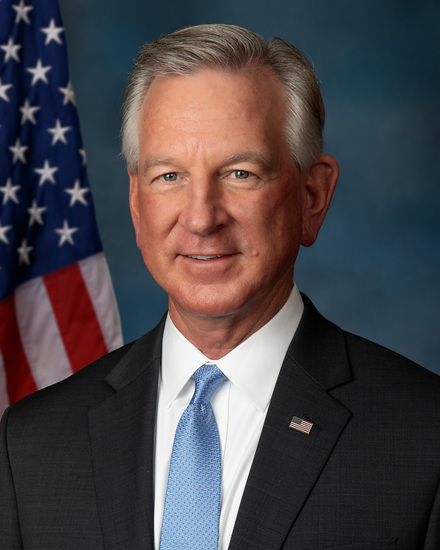
Tommy Tuberville
Tommy Tuberville Senate
R
Oppose
21% 53
Bill Cassidy
Bill Cassidy Senate
R
Oppose
22% 54
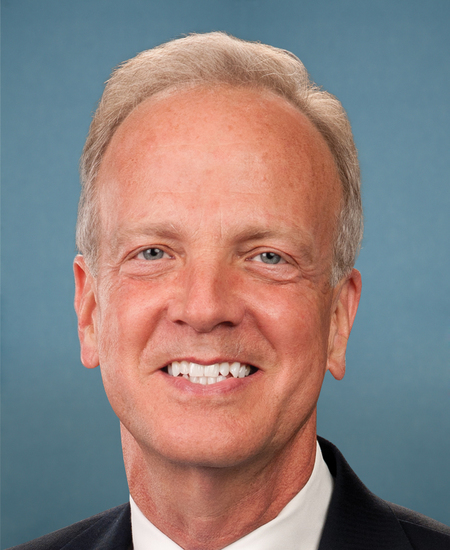
Jerry Moran
Jerry Moran Senate
R
Oppose
23% 53
Showing 931–940 of 1,501 bills

All environment bills

in committee · United States · House Apr 8, 2025

HR 2734: Sarvis Creek Wilderness Completion Act

HR 2734 designates approximately 6,817 acres in Routt National Forest as the Sarvis Creek Wilderness Addition, protecting this specific land from development. The bill directly affects the management of this newly designated wilderness area within the existing Sarvis Creek Wilderness. Key provisions include maintaining tribal treaty rights and permitting traditional tribal uses, while allowing the Secretary of Agriculture to manage fire, insects, and diseases within the addition under existing wilderness management rules.
in committee · United States · House Mar 6, 2025

HR 1896: Renewable Fuel for Ocean-Going Vessels Act

This bill amends the Clean Air Act to update the definition of fossil fuel, explicitly including "fuel for ocean-going vessels" alongside home heating oil and jet fuel. It directly affects the shipping industry by requiring the Environmental Protection Agency (EPA) to issue regulations within one year of enactment to implement this updated definition. The key mechanism is changing the statutory definition to ensure ocean vessel fuels are covered under existing fossil fuel regulations, potentially influencing future clean fuel standards for ships. The EPA must also submit a report to Congress on implementation within one year of finalizing these regulations.
Sub-Topics Air Quality Ports
in committee · United States · Senate Jan 21, 2025

S 156: Increased TSP Access Act of 2025

This bill amends USDA conservation programs to expand access to technical assistance for farmers. It creates new certification pathways for third-party providers (like crop advisors, engineers, or agricultural cooperatives) through state agencies or professional organizations, rather than requiring all certification through USDA. The bill establishes standardized payment rates for these services and mandates annual public reports on certification numbers, provider types, and program effectiveness. These changes aim to increase the number of qualified providers available to help farmers implement conservation practices.
Sub-Topics Conservation Tags Agriculture
in committee · United States · House Apr 10, 2025

HR 2877: Continental Divide National Scenic Trail Completion Act

This bill directs the Secretaries of Agriculture and the Interior to complete the Continental Divide National Scenic Trail as a continuous route within 10 years of enactment, using existing land acquisition authorities under the National Trails System Act. It establishes a joint Forest Service-Bureau of Land Management "Trail Completion Team" to coordinate with federal, state, Tribal, local governments, and landowners to identify trail gaps, explore land agreements, and develop a comprehensive 3-year plan. The plan must detail trail gaps, opportunities for land easements, and specific development costs. The bill explicitly states it does not create new land acquisition authority or prioritize trail land purchases over other federal land needs.
in committee · United States · Senate Dec 11, 2025

S 3460: PFAS Accountability Act of 2025

The PFAS Accountability Act of 2025 creates a federal legal cause of action for individuals significantly exposed to PFAS chemicals (linked to cancer, immune harm, and other health issues), allowing lawsuits against manufacturers or users who foresaw exposure risks. It establishes a presumption of significant exposure based on location near PFAS sources or blood test results, and enables courts to order medical monitoring for affected individuals to detect PFAS-related health problems. The bill shifts the costs of medical monitoring from victims to the responsible polluters and encourages new research into PFAS health effects. It does not replace existing state legal claims or remedies.
Sub-Topics Drinking Water
in committee · United States · House Jun 7, 2025

HR 3818: Stop Poisoning Florida Act

HR 3818, the Stop Poisoning Florida Act, prohibits the U.S. Army Corps of Engineers from discharging water from Lake Okeechobee through specific locks and dams (S-308 and S-80) when toxin levels exceed EPA-recommended limits for recreational waters. The law requires testing for microcystins - a toxic algae byproduct - and blocks discharges if levels surpass EPA standards. This directly affects water management practices at Lake Okeechobee and protects recreational users by preventing unsafe water releases. The provision applies when the Army Corps, EPA, or Florida state tests show toxin concentrations above the EPA’s human health criteria.
Sub-Topics Water Quality
in committee · United States · House Nov 17, 2025

HR 6060: SAFE Taps Act

The SAFE Taps Act creates a federal grant program to replace lead service lines and aging drinking water mains, directly aiding local governments, public water systems, and tribal communities. It covers costs for replacing lead pipes, galvanized steel/iron lines downstream of lead, and non-lead drinking water mains, while requiring projects to follow prevailing wage standards. Unlike existing loan-based programs, this grant approach aims to help financially strained communities that cannot access loans for EPA-mandated infrastructure upgrades. The bill responds to the EPA’s finding that 9.2 million lead service lines pose serious health risks, particularly to children.
Sub-Topics Drinking Water
in committee · United States · House Aug 5, 2025

HR 4880: Primacy Certainty Act of 2025

The Primacy Certainty Act of 2025 sets strict deadlines for the Environmental Protection Agency (EPA) to review state applications for regulating Class VI wells (used for carbon sequestration). If the EPA fails to approve, deny, or partially approve a complete state application within 180 days, the application is automatically approved 30 days later - provided the state already regulates other well types. The bill requires the EPA to explain delays, list deficiencies in incomplete applications, and process pending permits before states assume oversight. This directly affects states seeking to manage carbon sequestration well regulation instead of relying on federal oversight.
in committee · United States · House Jul 23, 2025

HR 4656: Path to Florida Springs National Park Act

HR 4656, the *Path to Florida Springs National Park Act*, authorizes a special resource study by the Secretary of the Interior to evaluate the potential for designating approximately 2,800 square miles of Florida land (including forests, springs, and conservation areas like Ocala National Forest and Silver Springs) as a National Park. The study must assess the area's national significance, feasibility of park designation, and alternative preservation options, while consulting with relevant agencies and stakeholders. It requires the Secretary to submit a report to Congress within three years, detailing findings and recommendations. This bill does not create a park but initiates a formal evaluation process; the area directly affected is the specified Florida region encompassing existing conservation lands.
in committee · United States · Senate Sep 3, 2025

S 2697: National Biotechnology Safety Act

S 2697, the National Biotechnology Safety Act, establishes a National Science Foundation program to fund research on the environmental, health, and safety risks of biotechnology products like gene-edited crops or microbes. It authorizes $50 million annually (2026-2030) for research grants to universities, nonprofits, industry, and consortia, focusing on identifying unintended effects, managing risks, and monitoring gene drives. The bill also mandates a two-phase study by the National Academies to compare biotech tools with conventional methods and recommend risk-based regulatory approaches. This research aims to inform federal agencies (like USDA and EPA) and develop clearer safety standards for biotech products, directly affecting researchers, biotech developers, and regulators.
Showing 931 to 940 of 1,501 bills
Previous 1 … 93 94 95 … 151 Next