Issue · Environment

Environment

Every environment bill, vote, and legislator stance in United States, automatically classified by Maddy, our AI policy reader.

Total bills
1,501
119th Congress
Top supporter
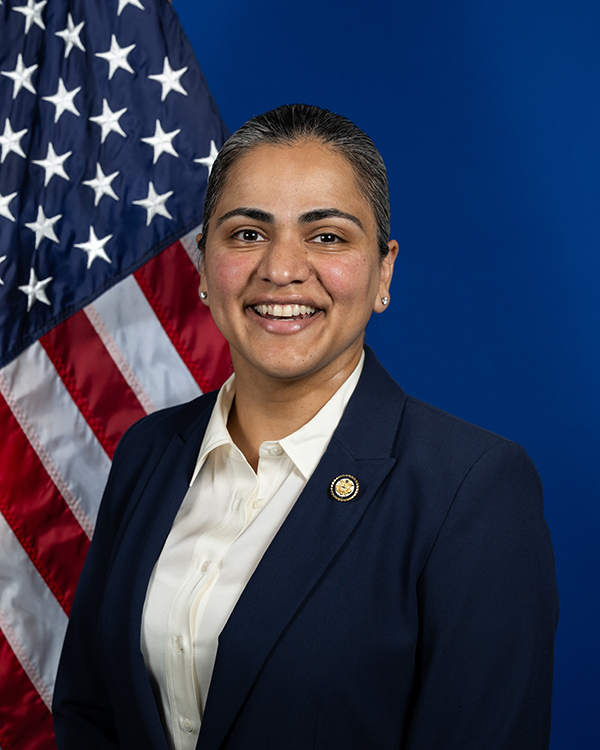
Aisha Wahab
100% support rate
Top opponent
Marsha Blackburn
11% support rate
Ranked legislators
10
5 support · 5 oppose
Key legislators

Who's moving environment in United States

Legislators moving environment in United States
Legislator Party Stance Support rate Decisive votes
Aisha Wahab
Aisha Wahab House · District 14
D
Strong +
100% 7
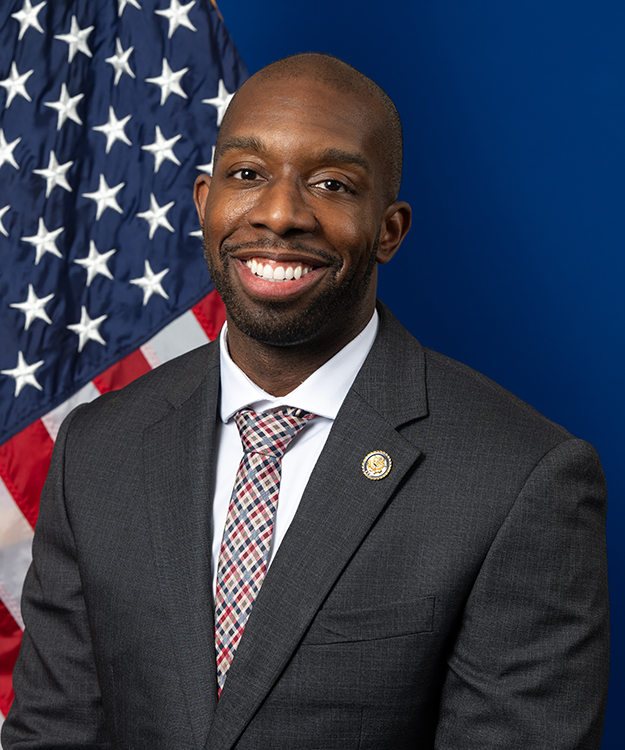
Everton Blair Jr.
Everton Blair Jr. House · District 13
D
Strong +
89% 9
Martin Heinrich
Martin Heinrich Senate
D
Strong +
84% 37
Adam B. Schiff
Adam B. Schiff Senate
D
Support
79% 53
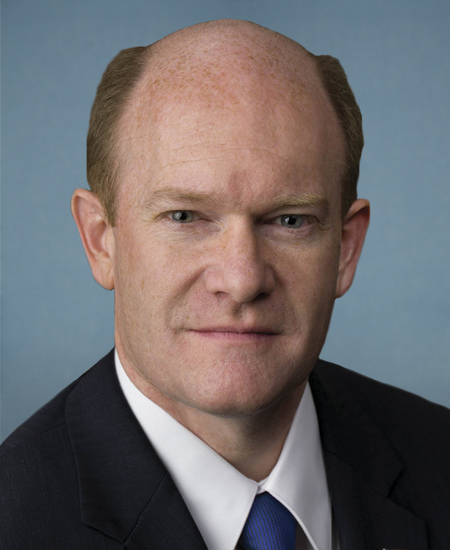
Christopher A. Coons
Christopher A. Coons Senate
D
Support
79% 52
Marsha Blackburn
Marsha Blackburn Senate
R
Strong −
11% 36
Ted Budd
Ted Budd Senate
R
Strong −
20% 40
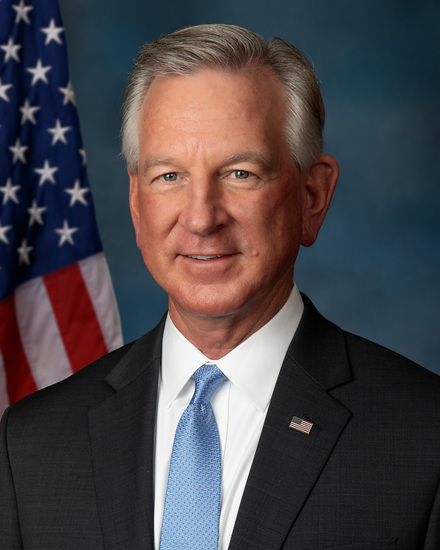
Tommy Tuberville
Tommy Tuberville Senate
R
Oppose
21% 53
Bill Cassidy
Bill Cassidy Senate
R
Oppose
22% 54
Jerry Moran
Jerry Moran Senate
R
Oppose
23% 53
Showing 921–930 of 1,501 bills

All environment bills

in committee · United States · Senate Mar 17, 2026

S 3737: GROW SMART Act

The GROW SMART Act provides federal funding to support voluntary water-sharing agreements between farmers and water providers (like municipalities or data centers) that conserve water while keeping farmland productive. It prioritizes innovative approaches such as regenerative agriculture, efficient irrigation technologies (e.g., drip systems), and water-saving crop practices, excluding fallowing or common crops. The program offers up to 75% federal cost-share for planning and implementation, using $5 million annually from 2028-2034, with priority for projects reducing water use by at least 40%. It directly affects agricultural communities, water districts, and municipalities in drought-prone areas seeking sustainable water management solutions.
Tags Agriculture
in committee · United States · House Mar 20, 2026

HR 7318: Opportunities in Organic Act

The Opportunities in Organic Act establishes a new federal program to support farmers and ranchers transitioning to organic certification and expanding organic operations. It provides cost-share payments for organic certification (up to $1,500 per producer, with higher amounts allowed for socially disadvantaged farmers or in high-cost regions) and funds eligible nonprofits to deliver technical assistance, transition support, and supply chain development. The program specifically targets socially disadvantaged farmers, organic producers, and farms in vulnerable or under-resourced areas, with annual funding starting at $50 million for 2027-2028 and increasing to $100 million annually by 2030.
in committee · United States · Senate Sep 4, 2025

S 2713: American Energy Security Act of 2025

This bill creates federal grants to help community and municipal utilities repair or replace aging natural gas pipelines. It directly affects publicly owned gas systems by funding projects to reduce leaks, improve safety, and prepare for alternative energy transport. Grants can cover pipeline repairs, equipment purchases, and must prioritize job creation and benefits for disadvantaged communities. The bill authorizes $200 million annually (2026-2029) from general revenues, with limits on funding per utility and strict requirements for civil rights and environmental compliance.
in committee · United States · House Nov 17, 2025

HR 6053: SGLF Act of 2025

This bill authorizes $500 million over 10 years (2026-2035) to combat invasive mussels in the Great Lakes. It directs the Great Lakes Fishery Commission, in coordination with federal agencies (like the Fish and Wildlife Service and NOAA), to develop and implement strategies targeting invasive mussel species. The funding is specifically for efforts under the Great Lakes Fishery Act of 1956 and must be used in addition to existing appropriations. This directly affects the Great Lakes ecosystem and the Commission's management of invasive species.
Sub-Topics Wildlife
in committee · United States · House Jul 11, 2025

HR 4357: Border Water Quality Restoration and Protection Act

This bill establishes two new programs to address water quality issues in the Tijuana River and New River watersheds, which flow from Mexico into California. It requires the Environmental Protection Agency to develop action plans for pollution prevention, including projects to manage wastewater, stormwater, debris, sediment, and contaminants that flow across the border. The bill authorizes $50 million annually from 2026-2036 for these programs, with funding to support projects that improve water quality, protect public health, and enhance natural habitats in affected communities. The programs will coordinate with Mexican and U.S. agencies, including the International Boundary and Water Commission, to implement projects addressing transboundary flows that impact coastal communities in Imperial Beach, San Diego, Calexico, and the Imperial Valley.
in committee · United States · Senate Sep 17, 2026

S 2437: Snow Water Supply Forecasting Program Reauthorization Act of 2026

This bill reauthorizes the Snow Water Supply Forecasting Program through 2031, updating its focus to prioritize integrated snowpack measurement and advanced modeling technologies. It shifts emphasis from basic data collection to tools like machine learning, imaging spectroscopy, and hydrologic modeling to improve water supply forecasts. The program’s annual funding is reduced to $6.5 million (from $15 million over five years), requiring annual reports on basin applications and technology effectiveness. It directly affects water managers and agencies in snowmelt-dependent regions, particularly those making multi-state or multi-basin water decisions.
in committee · United States · House May 15, 2025

HR 3421: Gunnison Outdoor Resources Protection Act of 2025

The Gunnison Outdoor Resources Protection Act of 2025 designates multiple protected areas across Gunnison County, Colorado, including nine Special Management Areas, eight Wildlife Conservation Areas, four Protection Areas, two Recreation Management Areas, and expands wilderness designations through amendments to the Colorado Wilderness Act of 1993. The bill establishes specific management rules for these areas, limiting off-highway vehicle and bicycle use to designated roads and trails, requiring winter travel management plans within three years, and restricting vegetation management projects to protect ecological integrity. It also includes provisions for transferring approximately 19,080 acres to the Ute Mountain Ute Tribe in trust, withdrawing certain lands from mineral development, and establishing seasonal closures to protect wildlife habitat in specific areas. The legislation directly affects federal land management practices, recreational use, and tribal land rights across approximately 350,000 acres in Gunnison County. These changes will reshape how federal lands are managed for conservation, recreation, and tribal uses in the region.
in committee · United States · House Jul 15, 2025

HR 4422: Don’t Feed the Bears Act of 2025

This bill prohibits bear baiting on federal lands by requiring the Secretary of the Interior and Secretary of Agriculture to enforce existing bans on feeding bears for hunting purposes in National Parks and wildlife refuges, and to adopt new regulations banning baiting on Bureau of Land Management and National Forest lands within one year. It directly affects licensed hunters who currently use bait stations (piles of human-scented food like meat or fruit) to attract bears for hunting on federal lands where state law permits it. The bill aims to reduce bear habituation to human food, lower property damage costs, and decrease human-bear conflicts by ending baiting practices that make bears lose natural wariness. Exceptions are allowed only for extraordinary cases involving bear welfare, public safety, or authorized research.
in committee · United States · House Jun 26, 2025

HR 4168: PFAS National Drinking Water Standard Act of 2025

This bill makes the Environmental Protection Agency's existing April 2024 rule on PFAS limits in drinking water legally binding. It codifies the EPA's "PFAS National Primary Drinking Water Regulation" (89 Fed. Reg. 32532), which sets enforceable limits for specific PFAS chemicals in public water systems. The rule directly affects municipal water providers and communities relying on public water sources by requiring them to meet these new contaminant standards. The bill does not create new standards but formally adopts the EPA's previously issued rule into law.
in committee · United States · House Jun 11, 2025

HR 3862: Clean Water SRF Parity Act of 2025

HR 3862, the Clean Water SRF Parity Act of 2025, expands eligibility for Clean Water State Revolving Fund (SRF) assistance to include qualified nonprofit entities and privately owned treatment works operators. The bill adds provisions allowing nonprofits to receive SRF funds for constructing, acquiring, or improving treatment works, and creates a new section (l) for privately owned treatment works to access funds for upgrades, water conservation, energy efficiency, security measures, and other specified activities. Crucially, it requires that financial assistance for private operators must primarily benefit the end-users served by the treatment works, not the shareholders or owners. This directly affects nonprofits managing water infrastructure and private utility companies operating treatment facilities, ensuring SRF funds support community water needs under defined conditions.
Showing 921 to 930 of 1,501 bills
Previous 1 … 92 93 94 … 151 Next