Issue · Environment

Environment

Every environment bill, vote, and legislator stance in United States, automatically classified by Maddy, our AI policy reader.

Total bills
1,501
119th Congress
Top supporter
Aisha Wahab
100% support rate
Top opponent
Marsha Blackburn
11% support rate
Ranked legislators
10
5 support · 5 oppose
Key legislators

Who's moving environment in United States

Legislators moving environment in United States
Legislator Party Stance Support rate Decisive votes
Aisha Wahab
Aisha Wahab House · District 14
D
Strong +
100% 7
Everton Blair Jr.
Everton Blair Jr. House · District 13
D
Strong +
89% 9
Martin Heinrich
Martin Heinrich Senate
D
Strong +
84% 37
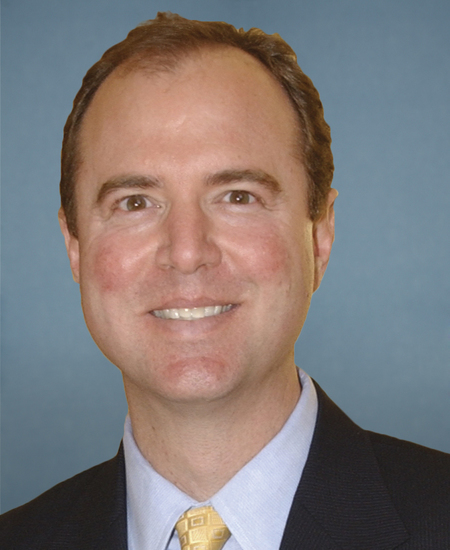
Adam B. Schiff
Adam B. Schiff Senate
D
Support
79% 53
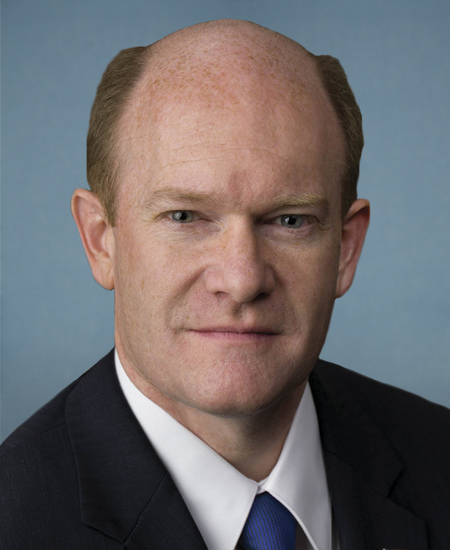
Christopher A. Coons
Christopher A. Coons Senate
D
Support
79% 52
Marsha Blackburn
Marsha Blackburn Senate
R
Strong −
11% 36
Ted Budd
Ted Budd Senate
R
Strong −
20% 40
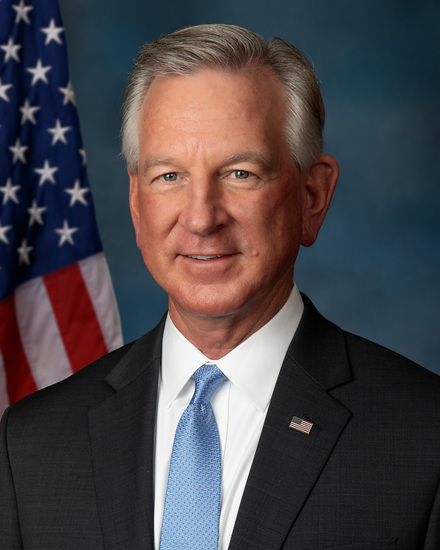
Tommy Tuberville
Tommy Tuberville Senate
R
Oppose
21% 53
Bill Cassidy
Bill Cassidy Senate
R
Oppose
22% 54
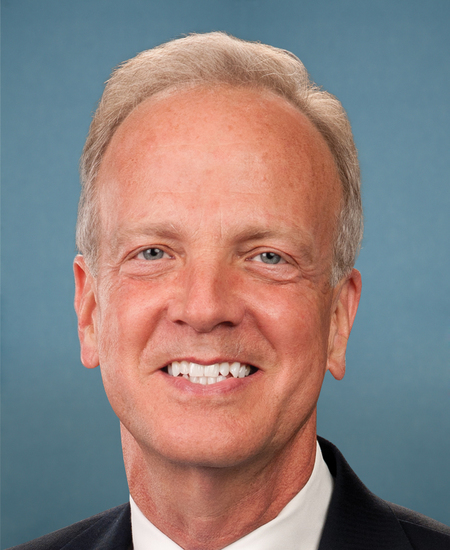
Jerry Moran
Jerry Moran Senate
R
Oppose
23% 53
Showing 851–860 of 1,501 bills

All environment bills

in committee · United States · Senate Jul 23, 2026

S 1470: Continental Divide National Scenic Trail Completion Act

Continental Divide National Scenic Trail Completion Act This bill directs the Department of Agriculture (USDA) and the Department of the Interior to seek to complete the Continental Divide National Scenic Trail no later than 10 years after the enactment of this bill. USDA and Interior must establish a joint Forest Service and Bureau of Land Management trail completion team to work in coordination with the administrator of the trail to facilitate its completion and optimization. USDA must complete a comprehensive development plan for the trail within three years. USDA and Interior must also seek to enter into agreements with volunteer and nonprofit organizations to facilitate the completion and administration of the trail.
in committee · United States · House Dec 17, 2025

HR 6777: Oregon Owyhee Wilderness and Community Protection Act

This bill designates approximately 924,440 acres of federal land in Malheur County, Oregon as wilderness areas and creates two special management areas that allow for grazing, fire management, and invasive species control. It establishes the Malheur County Grazing Management Program to provide operational flexibility for livestock grazing permittees, including seasonal adjustments and water source modifications. The bill creates the Malheur C.E.O. Group, consisting of representatives from grazing permittees, businesses, conservation organizations, and tribes, to propose and manage projects related to ecological restoration, range improvements, and invasive species management. Additionally, it transfers specific land parcels to the Burns Paiute Tribe in trust while protecting ongoing livestock grazing and fire suppression activities on designated lands.
in committee · United States · House Jul 17, 2025

HR 4537: CHEFS Act

HR 4537, the CHEFS Act (Cutting Harmful Emissions in Food Service Act), creates a tax credit for small restaurants that install emissions control devices on wood or coal-fired cook stoves and char broilers. It provides a credit equal to 10%-35% of the device installation cost, with an additional 10-15 percentage points for restaurants in historical buildings (50+ years old). The credit applies only to eligible small restaurant businesses meeting SBA size standards and specifically targets devices that reduce PM2.5 emissions. This policy change directly affects small food service businesses using qualifying equipment, offering financial incentives to upgrade emissions controls.
Sub-Topics Tax Credits
in committee · United States · House Jun 26, 2025

HR 4180: Canyon’s Law

HR 4180, "Canyon’s Law," prohibits the use of M-44 devices - predator control tools containing highly toxic sodium cyanide - on public lands managed by federal agencies like the National Park Service, Fish and Wildlife Service, and Forest Service. The bill requires all federal, state, and county agencies to remove existing M-44 devices from public lands within 30 days of enactment. It directly affects agencies and land managers who previously deployed these devices, which have caused human poisonings (including incidents involving children), killed over 50 family dogs, and harmed endangered species. The law aims to eliminate the risk of accidental exposure and non-target wildlife deaths by banning the devices' use on public lands.
in committee · United States · Senate Dec 17, 2025

SRES 564: A resolution recognizing the ability of solar, storage, and wind to quickly and cheaply meet United States power demand growth.

This is a symbolic Senate resolution (SRES 564), not a bill with enforceable policy changes. It recognizes that solar, wind, and battery storage are the most cost-effective new power sources in the U.S., noting they made up 93% of new capacity in 2024 and 95% of projects awaiting grid connection as of 2025. The resolution cites data showing renewables now produce more electricity than coal and that delaying renewable deployment could cost ratepayers over $3 billion annually. It does not create new laws, funding, or regulations - only expresses the Senate's view that accelerating renewable energy is essential to meet growing power demand.
in committee · United States · House Sep 26, 2025

HR 5610: Improving Drought Monitoring Act

This bill extends the deadline for improving the U.S. Drought Monitor from 2023 to 2030 and establishes an interagency working group to enhance the data used in the Monitor. The working group, including representatives from USDA, NOAA, the National Drought Mitigation Center, and state mesonet programs, will develop methods to include more ground-based data, address access barriers to existing datasets, and create transparent vetting processes for remote sensing data. Within one year, the group must submit recommendations to federal agencies and congressional committees, after which the Secretary of Agriculture will incorporate feasible changes. Additionally, the Farm Service Agency and Forest Service must align their drought response efforts, including using the U.S. Drought Monitor for consistent decisions and information sharing with stakeholders.
Sub-Topics Forestry
in committee · United States · House Jun 26, 2025

HR 4192: the Military PFAS Transparency Act of 2025

HR 4192, the Military PFAS Transparency Act of 2025, requires the Department of Defense to publicly report on its cleanup efforts for PFAS (toxic chemicals used in firefighting foam) at military installations. It mandates annual reports to Congress detailing site-specific funding, progress, and delays in PFAS remediation, plus a public online dashboard showing site-by-site spending, timelines, and community contact points. The bill also requires a remediation acceleration strategy prioritizing sites based on health risks and environmental impact. This directly affects military installations with PFAS contamination and the surrounding communities relying on affected water sources. The law focuses solely on increasing transparency and accountability in existing cleanup efforts, not on new funding or policy changes.
Sub-Topics Drinking Water
in committee · United States · House Apr 8, 2025

HR 2727: Pecos Watershed Protection Act

HR 2727, the Pecos Watershed Protection Act, designates approximately 11,599 acres in New Mexico's Pecos Watershed as the Thompson Peak Wilderness Area and withdraws that federal land from new mining and mineral leasing. It directly affects federal land management in the Pecos Watershed by blocking new mining claims, mineral leasing, and mineral development on the designated wilderness area. The bill incorporates the area into the National Wilderness Preservation System under the Wilderness Act, maintaining existing grazing rights and state authority over fish and wildlife management. It also clarifies that nonwilderness activities outside the area (like logging or recreation) can continue without restriction based on proximity to the wilderness boundary.
in committee · United States · House Mar 5, 2025

HR 1865: Mining Waste, Fraud, and Abuse Prevention Act of 2025

The Mining Waste, Fraud, and Abuse Prevention Act of 2025 fundamentally changes hardrock mining regulations on Federal land. It closes all Federal land to new mining claims under the general mining laws, requires new permits for exploration and operations, and establishes new royalty rates for mineral production. The bill creates a financial assurance requirement for reclamation costs and directs revenues to fund the Abandoned Hardrock Mine Reclamation Program. It also establishes a small miner's lease program with lower fees and no royalties for qualifying small-scale operators.
in committee · United States · Senate Jul 23, 2026

S 1787: Dolores River National Conservation Area and Special Management Area Act

This bill establishes the Dolores River National Conservation Area (approximately 52,872 acres) and Dolores River Special Management Area (approximately 15,452 acres) in Colorado to protect natural, cultural, and recreational resources along the Dolores River. It requires the development of management plans for both areas, creates an advisory council with specific representation from agricultural interests, conservation groups, recreation stakeholders, local governments, and tribal nations, and ensures protections for existing water rights and tribal treaty rights. The bill prohibits new road construction and motorized vehicle use in sensitive areas while allowing reasonable access to private property adjacent to the conservation areas. These designations will be managed by the Bureau of Land Management and Forest Service to conserve the river's ecological and recreational values.
Showing 851 to 860 of 1,501 bills
Previous 1 … 85 86 87 … 151 Next