Issue · Environment

Environment

Every environment bill, vote, and legislator stance in United States, automatically classified by Maddy, our AI policy reader.

Total bills
1,978
119th Congress
Top supporter
Aisha Wahab
100% support rate
Top opponent
Marsha Blackburn
11% support rate
Ranked legislators
10
5 support · 5 oppose
Key legislators

Who's moving environment in United States

Legislators moving environment in United States
Legislator Party Stance Support rate Decisive votes
Aisha Wahab
Aisha Wahab House · District 14
D
Strong +
100% 7
Everton Blair Jr.
Everton Blair Jr. House · District 13
D
Strong +
89% 9
Martin Heinrich
Martin Heinrich Senate
D
Strong +
84% 37
Adam B. Schiff
Adam B. Schiff Senate
D
Support
79% 53
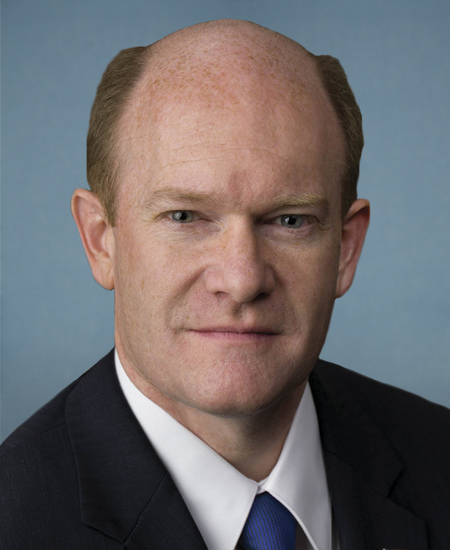
Christopher A. Coons
Christopher A. Coons Senate
D
Support
79% 52
Marsha Blackburn
Marsha Blackburn Senate
R
Strong −
11% 36
Ted Budd
Ted Budd Senate
R
Strong −
20% 40
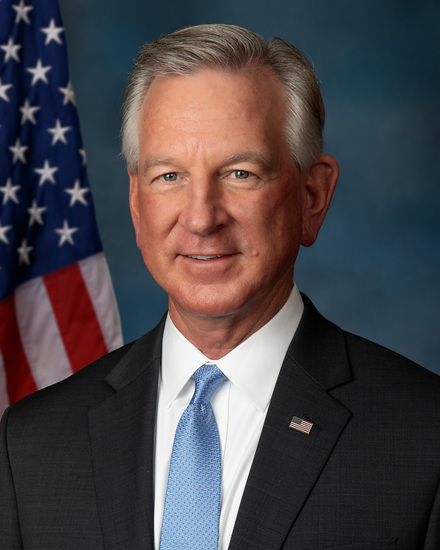
Tommy Tuberville
Tommy Tuberville Senate
R
Oppose
21% 53
Bill Cassidy
Bill Cassidy Senate
R
Oppose
22% 54
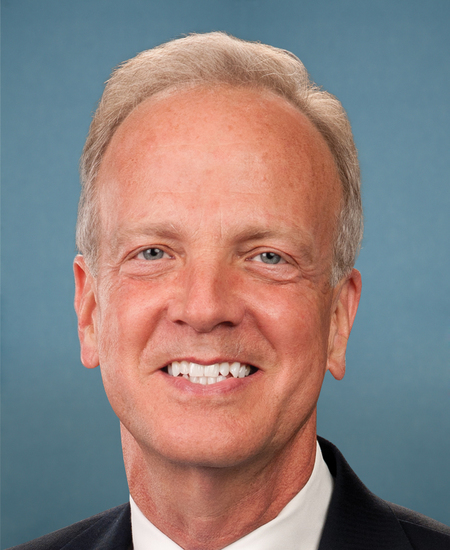
Jerry Moran
Jerry Moran Senate
R
Oppose
23% 53
Showing 381–390 of 1,978 bills

All environment bills

in committee · United States · House Apr 16, 2026

HR 8357: 6PPD Task Force Act

This bill establishes the 6PPD Task Force, led by the Department of Transportation and the Environmental Protection Agency, to address the environmental impacts of 6PPD, a chemical commonly used in tires. The Task Force will bring together experts from federal agencies, Tribal governments, the tire industry, and research institutions to improve data sharing and identify federal funding opportunities. Its key duties include researching 6PPD's effects on aquatic species and human health, developing safer alternatives, and recommending ways to expedite their testing and adoption. The Task Force will also share best practices for mitigating 6PPD runoff and identify other exposure pathways, submitting annual public reports to Congress on its findings and recommendations.
Sub-Topics Hazardous Materials
in committee · United States · Senate Apr 14, 2026

S 4289: Preparing Superfund for Climate Change Act of 2026

This bill, titled the Preparing Superfund for Climate Change Act of 2026, amends the existing Superfund law. It directly affects the Environmental Protection Agency's (EPA) management of hazardous waste cleanup sites by requiring new considerations related to climate change. Specifically, it mandates that when selecting a cleanup plan for a Superfund site, the EPA must consider potential threats from local natural disasters and extreme weather, including how climate change might exacerbate these hazards. Additionally, it requires the EPA to assess these climate-related impacts when regularly reviewing existing cleanup plans to ensure their continued effectiveness.
in committee · United States · House Jun 3, 2026

HR 8401: To amend the Marine Mammal Protection Act of 1972 to allow the transport, purchase, and sale of pelts of, and handicrafts, garments, and art produced from, Southcentral and Southeast Alaska northern sea otters that are taken for subsistence purposes.

This bill amends the Marine Mammal Protection Act of 1972 to create an exception for northern sea otters in specific Alaskan regions. It allows for the transport, purchase, and sale of pelts from northern sea otters taken for subsistence purposes in Southcentral and Southeast Alaska. The bill also permits the transport, purchase, sale, and export of handicrafts, garments, and art made from these pelts. This applies whether the products are traditional or contemporary, and regardless of how much they have been altered.
in committee · United States · House Apr 20, 2026

HR 8363: Youth Climate Leadership Act of 2026

The Youth Climate Leadership Act of 2026 requires five federal agencies - the Environmental Protection Agency, and the Departments of the Interior, Energy, Agriculture, and Commerce - to establish a Youth Advisory Council. These councils, composed of individuals aged 16 to 29, will provide recommendations to their respective agency heads on environmental issues, climate change mitigation, and environmental justice, focusing on impacts to youth and disadvantaged communities. To ensure diverse perspectives, at least 50% of council members must come from or primarily reside in disadvantaged communities, with attention also paid to geographic diversity and varying backgrounds. The councils are required to meet at least annually, submit regular reports, and receive administrative support, with $250,000 authorized annually for each agency from fiscal years 2027 through 2037 to implement the Act.
in committee · United States · House Apr 29, 2026

HR 8259: Federal Water Projects Consultation Improvement Act of 2026

The Federal Water Projects Consultation Improvement Act of 2026 aims to increase the involvement of local water contractors during environmental consultations for federal water projects. It directly affects federal agencies operating water supply projects and the public or quasi-municipal agencies and water user associations that contract for water from these projects. The bill mandates that these water contractors receive routine opportunities to discuss and submit information during the development of biological assessments and draft biological opinions under the Endangered Species Act. Furthermore, it requires federal agencies to inform and engage contractors on the legal and scientific basis for proposed actions that could reduce water delivery, explaining why less impactful alternatives are inadequate, and providing details on proposed mitigation measures.
Sub-Topics Wildlife
in committee · United States · House Apr 22, 2026

HR 8429: Baby Food Safety Act of 2026

The Baby Food Safety Act of 2026 aims to enhance the safety of infant and toddler food by regulating contaminants, directly affecting food manufacturers and processors, and ultimately protecting young consumers. The bill requires the Food and Drug Administration (FDA) to establish mandatory limits for toxic elements like lead, cadmium, mercury, and arsenic in infant and toddler food, as well as fruit and vegetable purees and juices. Manufacturers of these foods will be required to implement control programs, conduct regular testing of their final products for these contaminants using accredited laboratories, and maintain detailed records. Food found to exceed established limits or produced by non-compliant facilities will be deemed adulterated, allowing the FDA to enforce these standards, including through mandatory recalls. The bill also grants the FDA expanded authority for remote record inspections and enhances food traceability requirements.
in committee · United States · House Apr 15, 2026

HR 8296: Preparing Superfund for Climate Change Act of 2026

This bill, titled the "Preparing Superfund for Climate Change Act of 2026," amends the federal Superfund law, which governs the cleanup of hazardous waste sites. It requires the Environmental Protection Agency (EPA) to consider the potential threats from local natural disasters and extreme weather, including how climate change might exacerbate them, when selecting cleanup plans for hazardous waste sites. Additionally, the bill mandates that during the required five-year reviews of ongoing cleanups, the EPA must assess whether the chosen cleanup actions remain protective, taking these same climate-related hazards into account. This aims to ensure that Superfund cleanups are designed and maintained to withstand projected climate change impacts, affecting communities near these sites and the EPA's cleanup processes.
in committee · United States · House Apr 16, 2026

HCONRES 85: Celebrating the 50th anniversary of the Magnuson-Stevens Fishery Conservation and Management Act on April 13, 2026, and recognizing its significant impact on the sustainable and profitable management of the Nation's fishery resources.

This concurrent resolution celebrates the 50th anniversary of the Magnuson-Stevens Fishery Conservation and Management Act on April 13, 2026. It recognizes the Act's significant impact on the sustainable and profitable management of the Nation's fishery resources, benefiting fishermen, coastal communities, and the seafood industry.
in committee · United States · House Apr 15, 2026

HR 8308: CERTAIN Act

The CERTAIN Act aims to expedite federal permitting and environmental reviews for infrastructure projects by imposing strict timelines on federal agencies. It limits an agency's ability to revoke existing project authorizations unless specific conditions are met, such as a court order or immediate harm. The bill mandates deadlines for agencies to process applications, determine completeness, and conduct environmental reviews, with routine authorizations automatically approved if agencies miss their deadlines.
in committee · United States · House Mar 5, 2026

HR 7832: America’s Living Library Act

The America's Living Library Act establishes a 10-year pilot program within the Department of the Interior to collect and sequence the whole genomes of plants, animals, fungi, and microbes found in up to 25 National Park System units. This program aims to create a publicly available genomic database for scientific research and to store physical samples long-term at the Smithsonian Institution and Department of Agriculture. The bill mandates interagency coordination, Tribal consultation, and includes provisions for expedited data access for U.S.-based artificial intelligence development, while strictly prohibiting the transfer or export of physical samples outside the United States. Significant funding is authorized for these activities from fiscal years 2027 to 2031, directly affecting federal agencies involved in conservation, research, and data management.
Showing 381 to 390 of 1,978 bills
Previous 1 38 39 40 198 Next