Issue · Environment

Environment

Every environment bill, vote, and legislator stance in United States, automatically classified by Maddy, our AI policy reader.

Total bills
1,975
119th Congress
Top supporter
Martin Heinrich
84% support rate
Top opponent
Marsha Blackburn
11% support rate
Ranked legislators
10
5 support · 5 oppose
Key legislators

Who's moving environment in United States

Legislators moving environment in United States
Legislator Party Stance Support rate Votes
Martin Heinrich
Martin Heinrich Senate
D
Strong +
84% 215
Adam B. Schiff
Adam B. Schiff Senate
D
Support
79% 231
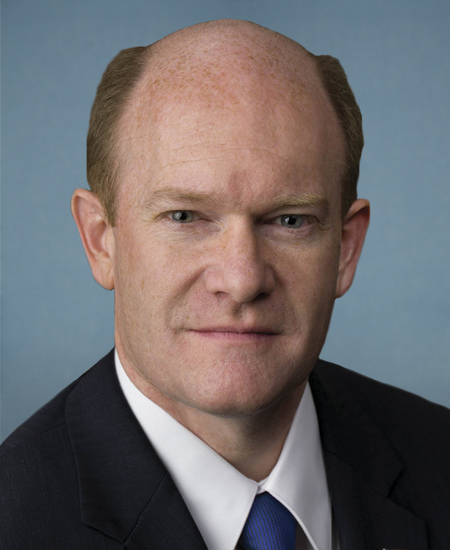
Christopher A. Coons
Christopher A. Coons Senate
D
Support
79% 229
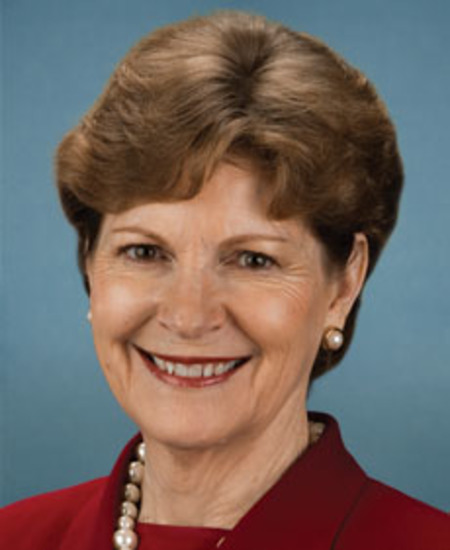
Jeanne Shaheen
Jeanne Shaheen Senate
D
Support
78% 232
Alex Padilla
Alex Padilla Senate
D
Support
78% 232
Marsha Blackburn
Marsha Blackburn Senate
R
Strong −
11% 211
Ted Budd
Ted Budd Senate
R
Strong −
20% 220
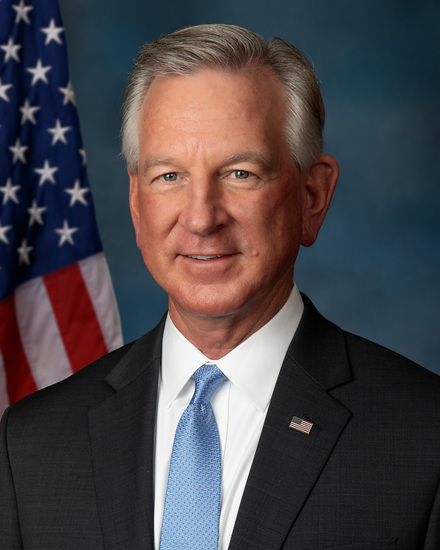
Tommy Tuberville
Tommy Tuberville Senate
R
Oppose
21% 229
Bill Cassidy
Bill Cassidy Senate
R
Oppose
22% 221
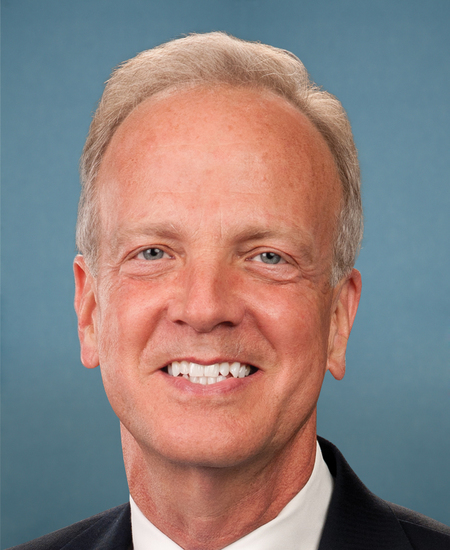
Jerry Moran
Jerry Moran Senate
R
Oppose
23% 228
Showing 21–30 of 1,975 bills

All environment bills

in committee · United States · House Aug 24, 2026

HR 10145: SOUND Pesticide Research Act

The SOUND Pesticide Research Act requires the Environmental Protection Agency to rely on comprehensive data from multigenerational reproductive toxicity studies when setting or changing limits for pesticide residues in food. These new studies must include at least four generations of test species to ensure thorough safety evaluation. The EPA is required to review all existing pesticide tolerance decisions within 180 days of the bill's enactment to verify they meet these new data standards. Additionally, the agency must submit a report to Congress two years after enactment detailing any decisions that were updated or changed as a result of this review.
in committee · United States · House Sep 3, 2026

HR 10275: Puerto Rico Energy Opportunity and Geothermal Assessment Act of 2026

The Puerto Rico Energy Opportunity and Geothermal Assessment Act of 2026 directs the U.S. Geological Survey, in coordination with the Department of Energy and local officials, to conduct geothermal resource assessments for Puerto Rico. These studies must include high-resolution mapping, evaluations of groundwater vulnerability in sensitive terrain, and analyses of seismic risks associated with enhanced geothermal systems. The Secretary of the Interior is required to submit progress reports to Congress annually for the first year and biennially thereafter until the assessment is complete.
in committee · United States · House Sep 1, 2026

HR 10209: GREEN Hospitals Act

The GREEN Hospitals Act authorizes $100 billion in Hill-Burton grants for hospitals and other medical facilities to upgrade their infrastructure for climate resilience and emissions reduction. It also establishes a separate $5 billion Planning and Evaluation Grant Program that provides up to $500,000 per project to help states, tribes, and nonprofits develop sustainability plans before construction begins. To receive funding, applicants must demonstrate labor protections, including collective bargaining agreements or non-interference policies, and certify they do not impose training repayment debts on employees. The bill prioritizes projects in environmental justice communities and those serving high numbers of Medicare and Medicaid patients, requiring that at least half of the planning grant funds be directed to these areas.
in committee · United States · House Aug 27, 2026

HR 10162: STORMWATER Act

The STORMWATER Act extends the funding period for stormwater control infrastructure technology centers from fiscal years 2022-2026 to 2027-2031. It mandates that exactly five of these centers be established, rather than a range of three to five as previously allowed. Additionally, the bill requires that one of the designated centers be located in and focused on the Great Lakes region.
Sub-Topics Water Quality
in committee · United States · House Sep 3, 2026

HR 10292: Southern Nevada Wastewater Infrastructure Lands Act

The Southern Nevada Wastewater Infrastructure Lands Act directs the Secretary of the Interior to transfer approximately 257 acres of federal land in Clark County, Nevada, to the Clark County Water Reclamation District. This transfer is intended to support the construction and operation of critical wastewater infrastructure for public use. The district must pay all administrative costs associated with the land transfer, including surveys, and the land will revert to federal ownership if it stops being used for these public purposes.
Sub-Topics Public Lands
in committee · United States · Senate Aug 6, 2026

S 5309: COWS Act of 2026

The COWS Act of 2026 amends the Food Security Act to expand federal conservation programs by formally recognizing alternative manure management practices and on-farm composting as eligible activities for financial assistance. These provisions directly affect dairy and livestock producers, particularly small and medium-sized operations, who can receive payments covering up to 100% of the costs associated with planning, equipment, installation, and labor for these new practices. The bill requires the Secretary of Agriculture to prioritize applications that maximize greenhouse gas reductions and carbon sequestration while ensuring geographic diversity and support for beginning or socially disadvantaged farmers. Additionally, it allows groups of producers to submit joint applications for shared composting facilities and mandates the development of new conservation standards specifically for on-farm compost production within one year of enactment.
in committee · United States · Senate Aug 6, 2026

S 5277: RANCH Act

The RANCH Act establishes a program for the Secretary of Agriculture to enroll cropland that has been planted in at least four of the last six years, requiring its conversion to perennial grass and forb cover to support grazing. Landowners who enter into contracts lasting 10 to 15 years receive annual rental payments equal to 75 percent of the local average dryland cash rental rate, along with cost-sharing assistance for establishing vegetation. To participate, landowners must develop a site-specific grazing management plan within two years and are permitted to graze livestock, manage fire risks, and conduct emergency haying during declared droughts or natural disasters. The program prioritizes beginning farmers, wildlife habitat conservation, and highly erodible land, with a total enrollment cap of 20 million acres and an individual annual payment limit of $155,000.
Sub-Topics Conservation Public Lands Wildlife Tags Agriculture
in committee · United States · Senate Aug 5, 2026

S 5262: Defense of Environment and Property Act of 2026

The Defense of Environment and Property Act of 2026 significantly narrows the federal definition of "navigable waters" by excluding wetlands without continuous surface connections, intermittent streams, and groundwater from federal jurisdiction under the Clean Water Act. The bill prohibits federal agencies from using aggregation methods or the "significant nexus test" to assert authority over these excluded water bodies and invalidates existing regulations that expand the definition of covered waters. Additionally, it requires federal agencies to obtain written consent before entering private property for data collection and mandates that they pay affected landowners double the value of any economic loss caused by new federal water regulations.
in committee · United States · House Aug 6, 2026

HR 10063: Green New Deal for Public Housing Act

The Green New Deal for Public Housing Act directs the Department of Housing and Urban Development to provide grants to public housing agencies and tribal entities for the comprehensive rehabilitation, energy upgrades, and modernization of public housing stock. These funds are intended to transform properties into zero-carbon homes by installing renewable energy systems, electrifying appliances, and repairing infrastructure, while also establishing workforce development programs that offer training, apprenticeships, and stipends to residents and local low-income workers. The bill mandates strict labor standards, including prevailing wages and the use of U.S.-made materials, and requires agencies to maintain or increase the total number of public housing units while prioritizing resident participation through elected councils and community engagement processes.
in committee · United States · Senate Aug 6, 2026

S 5292: GREEN Hospitals Act

The GREEN Hospitals Act authorizes $100 billion in Hill-Burton grants for the construction or modernization of medical facilities, with priority given to projects that incorporate climate resilience features such as renewable energy systems, air quality improvements, and flood protection. The bill also establishes a separate $5 billion Planning and Evaluation Grant Program to help states, tribal governments, and nonprofits develop sustainability plans for hospitals and clinics. To receive funding, applicants must demonstrate that their facilities serve vulnerable populations or environmental justice communities and certify that they respect employee labor rights by maintaining collective bargaining agreements or non-interference policies. Additionally, the legislation requires that at least 50 percent of planning grant funds be allocated to projects located in environmental justice communities and prohibits the use of training repayment agreements for employees and apprentices.
Showing 21 to 30 of 1,975 bills
Previous 1 2 3 4 198 Next